
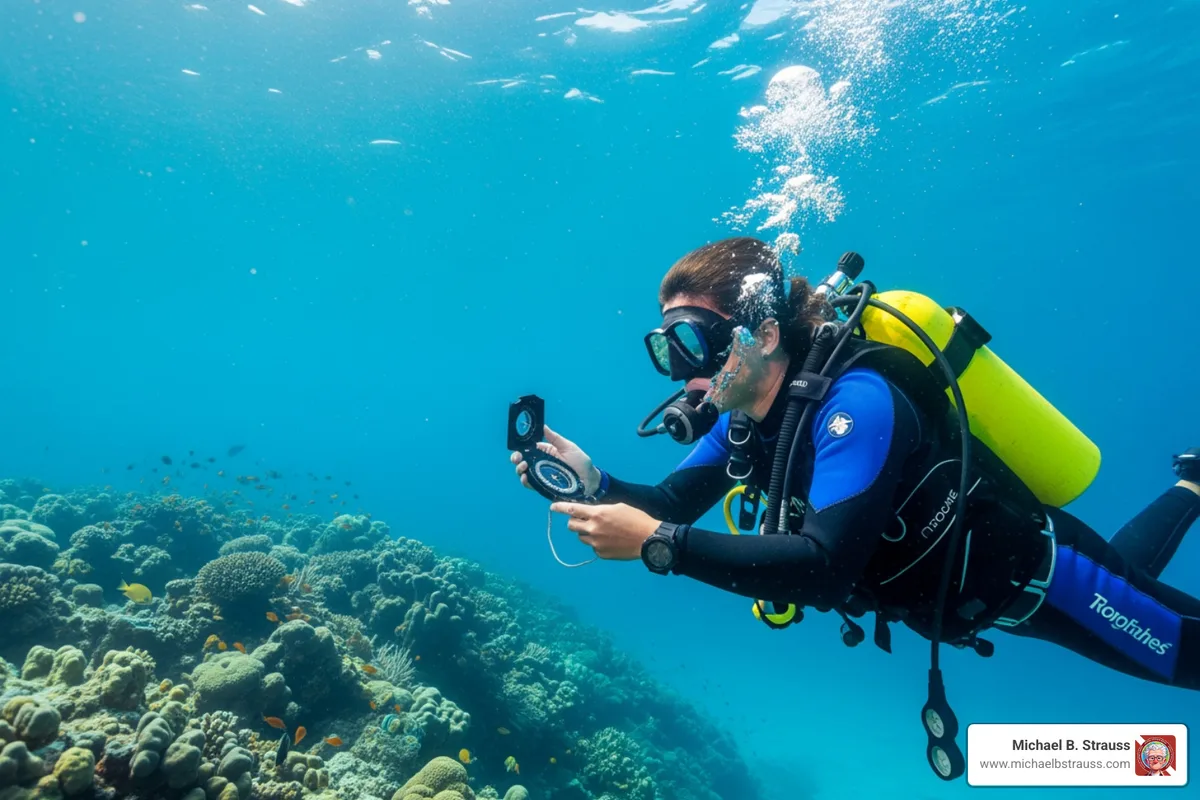
Image source: Web (Bing) / michaelbstrauss.com (Web image (fair-use with source credit))

Today's Exclusive Deals
Limited-time Exclusive Deals. Check current discount on Amazon.
Check Price on Amazon As an Amazon Associate I earn from qualifying purchases.When you're exploring beneath the waves, knowing where you are and how to get back is not just a good idea; it's fundamental to your safety and enjoyment. That's where underwater navigation in scuba diving comes in. It’s the skill that ensures your adventure stays an adventure, rather than becoming a stressful situation.
This practice allows you to confidently explore reefs, wrecks, and underwater landscapes without losing your bearings. Based on aggregated training materials, effective underwater navigation relies on a combination of tools and keen observation. Understanding these techniques is a core part of diver development, as detailed by organizations like the Professional Association of Diving Instructors (PADI).
Quick Answer
Underwater navigation in scuba diving is the skill of determining your position, direction, and course underwater to reach a destination or return to your starting point. It involves using tools like a compass and dive computer, alongside natural environmental cues, to maintain orientation. This practice ensures diver safety by preventing disorientation and allowing for a controlled return to the surface or dive boat.
Why Seeing is Believing: The Visual Nature of Underwater Navigation
Underwater navigation is fundamentally a visual skill. Unlike navigating on land with clear horizons and signs, the underwater world presents unique challenges where your eyes are your primary guides, supported by specialized tools. What you can see, or what you can infer from what you see, dictates your path.
Natural Cues: Your Underwater Map
The seafloor itself provides a wealth of information if you know how to read it. These are the "natural navigation cues" that experienced divers learn to recognize. They act like landmarks on a familiar hiking trail, guiding you along.
- Bottom contours: Notice the shape of the seabed. Are you following a gentle slope down, a sheer wall, or a sandy channel? Understanding these contours helps you maintain a consistent path. For instance, staying on one side of a reef drop-off is a common technique.
- Distinctive features: Look for unique formations like large coral heads, unusual rock structures, or even submerged man-made objects. These act as specific points of reference.
- Marine life patterns: While not always reliable, sometimes the typical location or behavior of certain fish can offer clues. For example, if a particular species always congregates near a specific pinnacle, that pinnacle becomes a landmark.
- Light penetration: In clear water, the direction of sunlight filtering down can give you a general sense of direction, especially in shallower depths.

Image source: Web (Bing) / unsplash.com (Web image (fair-use with source credit))
Learning to interpret these cues effectively is a significant part of becoming a proficient diver. It's about developing an awareness of your surroundings that goes beyond just looking at the marine life.
Using Your Compass: A Visual Guide
Your compass is perhaps the most crucial tool for deliberate underwater navigation. It works on the same principle as a regular compass but is designed for use in a water environment, often with a large, easy-to-read dial and luminous markings for low-light conditions. Aggregate reviews for dive compasses confirm their reliability as a primary navigation tool.
- Maintaining a Heading: The most basic use is to swim in a straight line. You set a compass bearing (a direction, measured in degrees) and then maintain that bearing by keeping the compass needle aligned with the intended direction.
- Reciprocal Bearings: If you know the bearing to your destination, you also know the reciprocal bearing to return. For example, if your destination is 90 degrees (East), your return bearing will be 270 degrees (West).
- Navigating Turns: You can use your compass to make precise 90-degree turns or any other angle required by your dive plan.
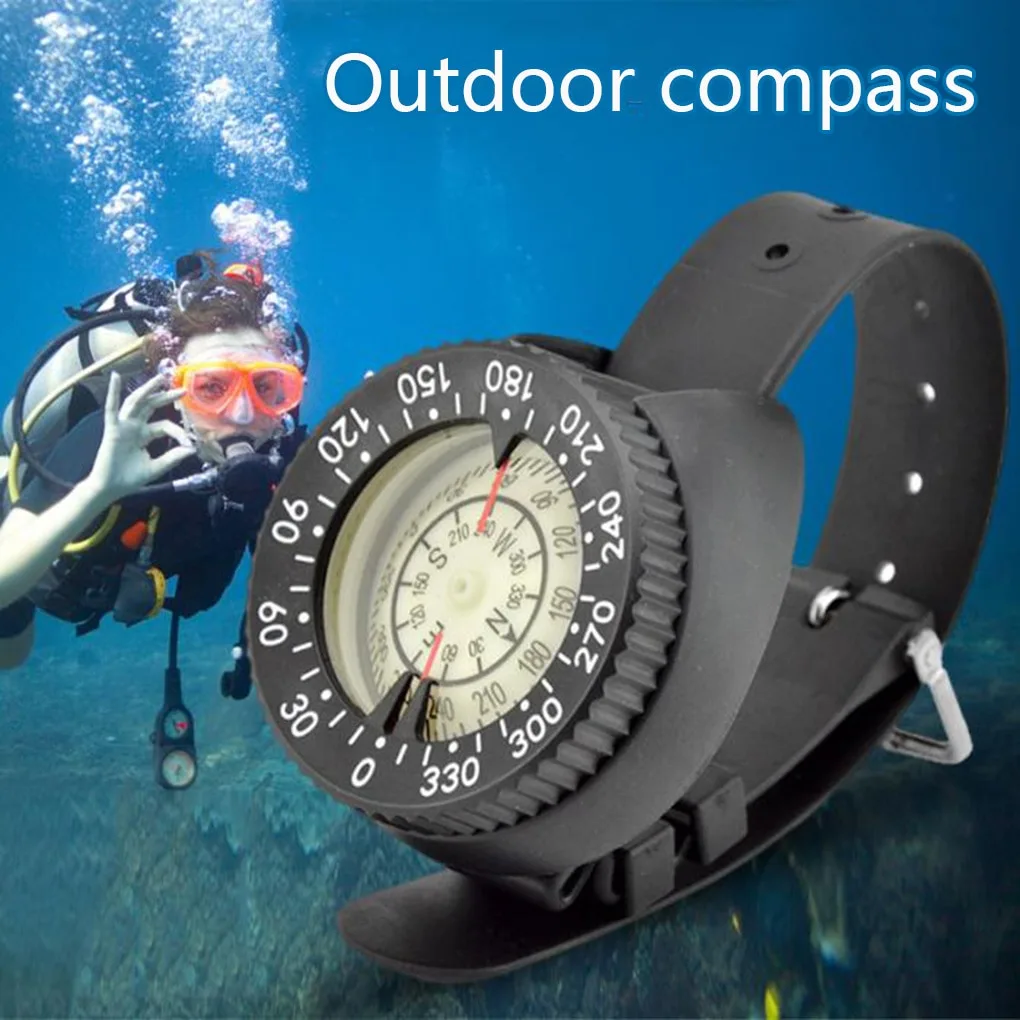
Image source: Web (Bing) / au.vicedeal.com (Web image (fair-use with source credit))
Many modern dive computers incorporate a digital compass, often displaying the bearing and sometimes even a bearing arrow. This integration simplifies navigation, as you don't need to juggle separate devices, a feature confirmed by manufacturer specifications for models like those reviewed at https://t7fit.com/best-scuba-diving-computer/.
Dive Computer Displays: Digital Wayfinding
Dive computers have revolutionized underwater navigation by integrating multiple functions. While their primary role is tracking dive profiles (depth, time, ascent rates), many now include advanced navigation features.
- Digital Compass: As mentioned, this is common. It provides a clear, digital readout of your heading.
- Bearing Tracking: Some advanced computers allow you to "set" a bearing to a landmark or your exit point. An arrow on the screen then points you in the correct direction.
- Track Logging: More sophisticated models log your path throughout the dive. This "breadcrumb trail" is invaluable for backtracking, especially if you take a wrong turn or need to return to your entry point. This feature is highlighted in user feedback for high-end dive computers.
- GPS (Surface): While GPS does not work underwater, some dive computers can mark your position on the surface and then use this data to help guide you back once you ascend.
These digital tools complement traditional methods, offering a layered approach to staying oriented.
Your Navigation Toolkit: Gear and Techniques
Mastering underwater navigation means understanding the tools you have and the techniques you can employ. It’s a blend of technology and innate awareness, all designed to keep you safe and enhance your exploration.
The Compass: More Than Just a Needle
Your scuba compass is a precision instrument. Unlike a handheld compass, a dive compass is typically liquid-filled to dampen movement from currents and is housed in a robust casing. The bezel is often rotatable, allowing you to set a heading.
- Types: You'll find wrist-mounted compasses, which are very common, and compasses integrated into console BCDs. For divers seeking dedicated navigation tools, the https://t7fit.com/best-scuba-diving-compass/ offers various options.
- Features: Look for a large, clear dial with luminous markings for visibility in darker waters. A tilt-compensating mechanism allows for accurate readings even when the compass isn't perfectly horizontal.
- Maintenance: Keep your compass free from dirt and grit. While robust, they are still instruments that require care. Ensure seals are intact to prevent water ingress, as detailed in equipment maintenance guides for scuba gear.
Using a compass effectively involves more than just looking at it; it's about integrating its readings with your dive plan and environmental observations.
Dive Computers: Your Smart Navigator
Modern dive computers are indispensable for navigation, especially for divers who appreciate integrated technology. They combine depth, time, and ascent rate tracking with navigation features. Per manufacturer specifications, current models often include at least a basic digital compass.
- Digital Compass Display: Provides an instant bearing.
- Track Logging: Creates a record of your path, invaluable for finding your way back. This feature is a significant upgrade for divers who frequently explore new sites.
- Navigation Aids: Some advanced units offer waypoint marking and bearing lines to guide you.
These digital tools complement traditional methods, offering a layered approach to staying oriented. For divers interested in the latest technology, exploring options like those on https://t7fit.com/best-scuba-diving-computer/ can provide valuable insights into advanced navigation capabilities.
Natural Aids: Reading the Environment
This is where your observational skills become paramount. Natural navigation is about using the underwater world as your map. It's a skill that grows with experience and encourages a deeper connection with your environment.
- Identifying Patterns: Learn to recognize common geological features like canyons, seamounts, or walls. These are reliable, unchanging navigation points.
- Following Features: Instead of swimming randomly, make a conscious effort to follow a specific feature. For example, "I'm going to follow this reef crest to the north until I reach the large sea fan, then turn west."
- Environmental Awareness: Pay attention to wave action (if shallow) or surface conditions, which can sometimes give directional clues. Strong currents can also be used as a navigational aid if you understand their direction and strength.
Developing your ability to read these natural cues is crucial, as electronic devices can fail, but the underwater landscape remains.
Staying Found: Step-by-Step Navigation in Action
Successful underwater navigation isn't spontaneous; it's the result of careful planning and execution. It's a sequence of actions designed to ensure you and your buddy can confidently explore and return safely.
Pre-Dive Planning: The Blueprint
Before you even get in the water, you need a plan. This is arguably the most critical part of navigation. Without a clear plan, your efforts underwater will be haphazard.
- Understand the Dive Site: If you're at a new location, get a briefing from your dive guide or consult a site map if available. Know the general layout.
- Define Your Course: Decide on your intended path. Will you swim a square pattern? Follow a wall? Swim out on a compass bearing and return using natural features? Your plan should include specific bearings, distances (often estimated in fin kicks or time), and key landmarks.
- Identify Key Landmarks: What distinctive features will you look for along your route? Note these down or commit them to memory.
- Establish Entry and Exit Points: Know precisely where you are entering the water and where you intend to exit, or where your boat will be.
- Buddy Communication: Discuss the plan thoroughly with your dive buddy. Ensure you both understand the bearings, landmarks, and the return strategy.
This planning phase sets you up for success. It transforms a potentially confusing environment into a navigable one.
Executing a Navigation Course
Once you're underwater and have checked your gear, it's time to put the plan into action. This is where the tools and environmental awareness come together.
- Set Your Bearing: Immediately after descending, orient your compass and set your initial heading according to your plan.
- Maintain Depth: While swimming your course, try to maintain a consistent depth to avoid unexpected changes in visibility or current.
- Count Kicks or Track Time: Estimate your distance. A common method is to count your fin kicks. For example, a "kick" might be defined as two full fin strokes. Based on training materials, an average diver might cover about 10-15 meters per minute at a relaxed pace.
- Observe and Orient: Periodically check your compass and look for the landmarks you identified during your planning phase. Use natural cues to confirm your position.
- Buddy Checks: Regularly check in with your buddy, both visually and verbally if possible, to ensure you are both on the same page.
This systematic approach helps prevent you from drifting off course.
Returning to Your Starting Point
The return journey is just as important as the outbound leg. Your plan should clearly define how you will get back.
- Reciprocal Bearing: If you swam out on a specific compass bearing, use the reciprocal bearing to return. For instance, if you swam 45 degrees, your return bearing would be 225 degrees.
- Using Track Logging: If your dive computer logs your track, you can often follow the recorded path back. This is incredibly useful if you get disoriented.
- Referencing Landmarks: If your plan involved returning via specific landmarks, orient yourself towards them.
- Surface Marker Buoy (SMB): For safety, particularly in open water, deploying an SMB as you ascend signals your position to the boat or shore team. Some divers will even deploy a delayed SMB on ascent from depth. For information on these devices, consult guides like Best Scuba Diving Surface Marker Buoy Reviews and Buying Guide 2026.
A well-executed return ensures a safe and timely end to your dive.
Avoiding Trouble: Common Navigation Pitfalls
Even with the best plans and tools, the underwater environment can present challenges. Understanding common navigation pitfalls is key to avoiding them.
What Happens When Visibility Drops?
Poor visibility is one of the biggest challenges to underwater navigation. When you can only see a few feet in front of you, relying on distant landmarks or even your compass becomes harder.
- Reduced Visual Cues: Natural navigation becomes almost impossible when you can't see far.
- Disorientation Risk: It’s easier to lose your sense of direction when you can't see your surroundings clearly.
- Buddy Separation: In low visibility, divers can easily become separated.
If visibility drops significantly, the best course of action is often to ascend slowly and safely, ideally using your compass to maintain a steady direction, and deploy a surface marker buoy if you are near the surface. If you are on a planned dive with a guide, they will usually manage the group's navigation in these conditions.
The Danger of Currents
Currents can easily sweep you off course, making precise navigation difficult. A current that pushes you sideways or even backward can drastically alter your intended path.
- Drift: A strong current can move you far from your planned route in a short amount of time.
- Exhaustion: Fighting a strong current can deplete your air supply and energy quickly.
- Unintended Destinations: You might be pushed towards areas you didn't plan to explore, or away from your exit point.
When navigating in currents, it’s often best to use them to your advantage if possible. Swim with a known current towards your destination or use it to help you return. If the current is too strong or unpredictable, consider aborting the navigation portion of the dive.
Always check current forecasts before diving and be prepared to adjust your plan. For managing gear in varying conditions, Best Scuba Diving Gloves for Comfort and Safety in 2026 can be a useful resource.
Misjudging Distance
One of the most common errors is misjudging how far you've traveled. This can lead to swimming too far past a turn point or not far enough.
- Over- or Under-Estimating: Relying solely on kick counts can be inaccurate if your finning technique or speed changes.
- Impact on Navigation: If you've misjudged distance, your planned turn point might be in the wrong place, leading you off course.
This is where experience and cross-referencing become vital. Combine kick counts with visual observations and your dive computer's distance tracking for a more accurate understanding of your position. If you suspect you’ve misjudged, it’s often safer to turn back sooner rather than later.
Expert Tips for Sharper Navigation
Becoming a skilled underwater navigator involves more than just knowing how to use a compass. It’s about developing a feel for the underwater environment and consistently refining your skills. These tips, gathered from training methodologies, can help you improve your confidence and competence.
Developing Your Underwater Sense
Your "underwater sense" is your ability to intuitively understand your position and surroundings. It's built through consistent practice and paying close attention during every dive.
- Active Observation: During every dive, consciously note your surroundings. What are the prevailing currents? What kind of bottom topography is visible? What marine life is present?
- Mental Mapping: Try to mentally map out your dive route. Visualize where you're going and what you expect to see. This active process reinforces your understanding.
- Post-Dive Review: After a dive, take a moment to recall your route. Did you achieve your navigation goals? What landmarks did you see? This reflection helps solidify what you learned.
This continuous learning loop is how many experienced divers develop their seemingly innate navigational abilities.
Practicing with Your Buddy
Navigation is a team sport underwater. Practicing with your buddy enhances both of your skills and adds a crucial layer of safety.
- Planned Exercises: Agree on simple navigation exercises before your dive. One of you can lead using a compass bearing, and the other can follow and then take the lead.
- Buddy Checkpoints: Periodically check in with your buddy to confirm you are both seeing the same landmarks or maintaining the same bearing. This ensures you don't drift apart mentally or physically.
- Teaching Each Other: If one buddy is more experienced, they can guide the other through navigation steps, offering real-time feedback. This collaborative learning approach is highly effective.
Practicing these skills regularly, even on familiar dive sites, ensures you're always prepared for more challenging navigation scenarios. For divers looking to equip themselves for these adventures, articles such as 8 Best Scuba Diving Gear Bags 2027 can help with organization and transport of necessary gear.
Frequently Asked Questions About Underwater Navigation
How do I choose the right compass for scuba diving?
When selecting a dive compass, look for liquid-filled models with a large, easy-to-read dial and luminous markings. Tilt compensation is also a key feature, allowing for accurate readings even when the compass isn't perfectly horizontal. Consider if you prefer a wrist-mounted unit or one integrated into a console.
What happens if I get lost underwater?
If you become disoriented, remain calm and ascend slowly and safely, ideally using your compass to maintain a steady direction. Deploy a surface marker buoy (SMB) once you are near the surface. If you are with a buddy, stay together.
Your dive training covers emergency procedures for such situations.
Can I use my phone for underwater navigation?
No, standard smartphones do not work for navigation underwater because GPS signals cannot penetrate water. Some specialized dive computers can log your track on land before your dive and provide a reference for your return, but direct GPS navigation below the surface is not possible.
How much practice is needed to become proficient?
Proficiency in underwater navigation develops with consistent practice. Aim to incorporate simple navigation exercises into at least half of your dives. Regularly reviewing your dive plan and practicing compass skills on familiar sites will build confidence and competence over time.

