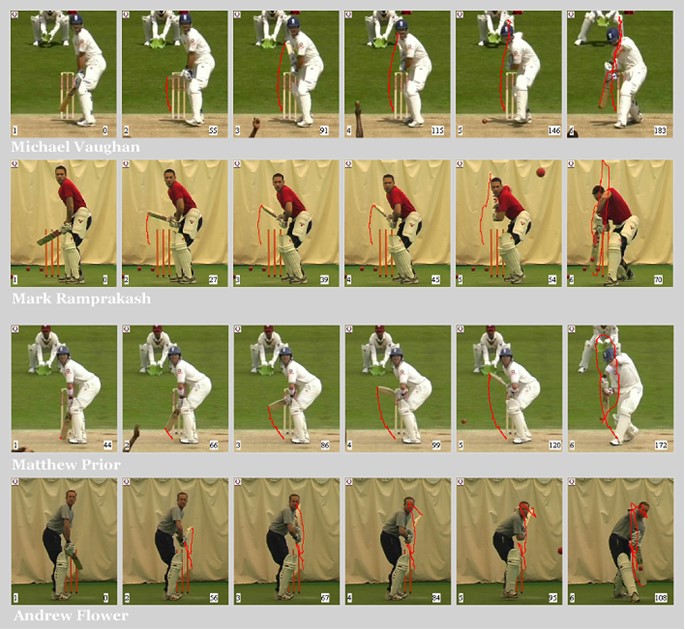
You can improve cricket batting technique by building a balanced stance, improving footwork, practicing timing drills, learning shot selection, and reviewing your mistakes consistently.
Deal
Today's Exclusive Deals
Limited-time Exclusive Deals. Check current discount on Amazon.
In the United States, cricket participation has grown through local clubs, school programs, community leagues, and youth development groups. New and experienced players often look for ways to become more consistent at the crease because batting requires a mix of physical skill, decision-making, and repeated practice.
Improving batting technique is not about hitting every ball harder. Good batting comes from controlling balance, watching the ball closely, moving correctly, and choosing shots that match the situation. A player with a strong technical base can adapt better against different bowlers, pitches, and match conditions.
This guide explains practical methods to improve cricket batting technique, including preparation, stance, footwork, timing, drills, common mistakes, and ways to measure progress. The advice applies to beginners and developing players who want a clearer practice plan.
Source: cricketblog.in
Understand The Foundations Of Good Cricket Batting
The foundation of cricket batting is a stable position that allows quick movement in any direction. Before attempting advanced shots, a player needs control over basic body alignment, grip, and balance.
A good batter creates time by preparing early. The goal is to be ready before the ball reaches the hitting zone. A relaxed body and focused eyes help a player react instead of rushing.
Technique can look different between players because body shape, strength, and playing style vary. However, the key principles remain similar: balance, movement, timing, and decision-making.
Keep your weight evenly distributed so you can move forward or backward without losing control.
Correct head position
Keeping your head steady helps improve vision and makes it easier to judge the line and length of the ball.
Relaxed grip
Holding the bat too tightly can reduce control and make smooth strokes harder.
Build A Repeatable Setup
A repeatable setup means using a stance and preparation routine that feels comfortable every time. Small differences are normal, but major changes before each ball can reduce confidence and consistency.
Use a routine
Prepare in the same way before each delivery to improve focus.
Improve Footwork And Movement
Footwork is one of the biggest differences between inconsistent and reliable batters. Good movement allows you to reach the ball while staying balanced and prepared for the next action.
Forward movement helps against fuller deliveries, while backward movement creates space for shorter balls. The aim is not simply moving your feet quickly but moving with purpose.
Many batting problems happen because players move their hands before their feet. Better footwork allows the body and bat to work together.
Source: careerincricket.com
Practice forward defense
Move your front foot toward the ball while keeping your head over the front knee.
Practice back-foot shots
Train yourself to move back and across against shorter deliveries.
Stay balanced after movement
A controlled finish helps prepare you for the next ball.
Simple Footwork Drill
Place a few markers on the ground and practice moving into forward and backward positions without hitting a ball. This builds movement patterns before adding match pressure.
Repeat with purpose
Quality movement matters more than completing a large number of rushed repetitions.
Develop Better Timing And Shot Control
Timing is the ability to meet the ball with the correct part of the bat while using efficient movement. A player with good timing does not always need maximum power to score runs.
Practice directing shots into specific parts of the field instead of only hitting powerfully.
Why Timing Beats Power
Power without control often creates mistakes. Timing allows the bat to transfer energy efficiently while keeping the player balanced.
Focus on clean contact
A well-timed shot usually requires less effort than a forced shot.
Practice Smarter With Batting Drills
Effective cricket batting practice should target a specific skill. Randomly hitting balls may feel productive, but focused drills make it easier to identify improvement areas.
A useful practice session often includes warm-up movements, technical drills, controlled batting, and a review period. Players should adjust drills based on their current weaknesses.
Source: cricketnamibia.com
Defensive drill
Practice leaving and blocking balls to improve patience and control.
Shot placement drill
Aim for different areas of the field to develop awareness.
Pressure drill
Create match-like situations to improve decision-making.
Track Progress
Keep notes about practice goals, common dismissals, and areas that need work. Progress becomes easier to see when improvements are measured over time.
Review performance
Use match or training footage when available to identify technical patterns.
Avoid Common Cricket Batting Mistakes
Many players struggle because they repeat the same errors without understanding the cause. Fixing one technical problem at a time is usually more effective than changing everything at once.
Batting improvement takes patience. A temporary drop in performance can happen while learning a new movement or correcting a habit.
Source: scribd.com
Playing with hard hands
A tense grip can reduce control and increase mistimed shots.
Poor shot selection
Not every delivery needs an attacking response. Choosing the right shot is part of technique.
Ignoring fitness
Strength, mobility, and endurance support better movement and concentration.
If a player cannot identify why mistakes continue, feedback from a qualified coach or experienced player can help. External observation often reveals issues that are difficult to notice alone.
Seek specific feedback
Ask about one skill area instead of requesting general advice.
Frequently Asked Questions
Q
How long does it take to improve cricket batting technique?
The time needed depends on experience, practice quality, and the skill being improved. Consistent focused practice usually creates better results than occasional long sessions.
Q
What is the most important batting skill for beginners?
Beginners should focus on balance, watching the ball, basic footwork, and defensive control before attempting advanced shots.
Q
How can I improve cricket batting timing?
Improve timing by practicing controlled shots, watching the ball closely, and repeating drills that focus on clean contact rather than power.
Q
Can fitness improve batting performance?
Yes. Fitness can support quicker movement, better concentration, and the ability to maintain technique during longer innings.
Q
Should I copy professional batters?
Professional players can provide useful examples, but each player should adapt techniques to their own body, experience level, and playing conditions.
✦ Wrapping Up
Conclusion
Improving cricket batting technique requires a clear process. Start with a stable stance, develop reliable footwork, practice timing, and learn from mistakes. Strong batting is built through repeated quality actions rather than quick fixes.
Players who combine technical practice with smart decision-making can become more confident and consistent at the crease. The next step is to choose one weakness, practice it regularly, and measure progress over time.
💡 Key Takeaway
Create a simple batting practice plan focused on one technical skill at a time, then review your progress after each session.