Choose the right sports ball by matching the ball type, size, weight, material, playing surface, and skill level to your specific activity. The best ball is the one that fits the player and the way it will be used.
Deal
Today's Exclusive Deals
Limited-time Exclusive Deals. Check current discount on Amazon.
Across the United States, athletes, parents, coaches, and recreational players use sports balls for school programs, community leagues, backyard games, and organized competitions. A ball that feels right can improve control, confidence, and enjoyment, while the wrong size or construction can make practice harder.
The process of choosing a sports ball starts with understanding the purpose of the ball. A youth soccer player, a high school basketball player, a tennis beginner, and a weekend golfer all need different designs. Ball size, pressure, cover material, durability, and official rules all affect performance.
This guide explains how to choose the right sports ball using practical factors instead of marketing claims. It covers common sports, explains important features, and helps buyers avoid mistakes when selecting equipment for training, competition, or casual play.
Source: cdn.shopify.com
Understand What Makes A Sports Ball The Right Choice
The right sports ball is not simply the most expensive option or the one used by professional athletes. It is the ball that matches the player’s needs, environment, and goals. A beginner often benefits from a forgiving and durable ball, while an experienced player may need a ball that meets competition standards.
Before buying, identify the main purpose. A ball for daily practice may need stronger materials and longer wear life. A game ball may need official sizing, approved construction, and a specific feel required by league rules.
Think of a sports ball as a tool. A tool works best when it matches the job. A heavy ball may build strength during some drills, but it may slow skill development if used as a normal playing ball.
Start with the exact sport because soccer balls, basketballs, volleyballs, tennis balls, and golf balls have different designs and performance needs.
Player Level
Beginners usually need comfort and control, while advanced players may prioritize precision and competition specifications.
Playing Location
Indoor courts, outdoor fields, grass, pavement, and artificial surfaces can require different ball materials.
Consider Age And Skill Level First
Age and skill level are major factors because a ball that is too large or heavy can make learning difficult. Youth versions of many sports use smaller or lighter balls so players can develop proper technique.
For example, a young soccer player may need a smaller size ball than an adult player. A child learning basketball skills may benefit from a youth basketball that allows better handling and shooting control.
Youth Players
Choose age-appropriate sizes that support safe learning and easier control.
Adult Players
Use standard sizes unless training goals or league rules require another option.
Match The Ball Size And Weight To The Player
Ball size and weight directly affect handling, passing, throwing, kicking, and striking. The correct size helps players practice the movements they need without fighting the equipment.
Many sports organizations define official ball sizes for different age groups and competition levels. These standards can vary by sport and governing body, so players should confirm the rules used by their league.
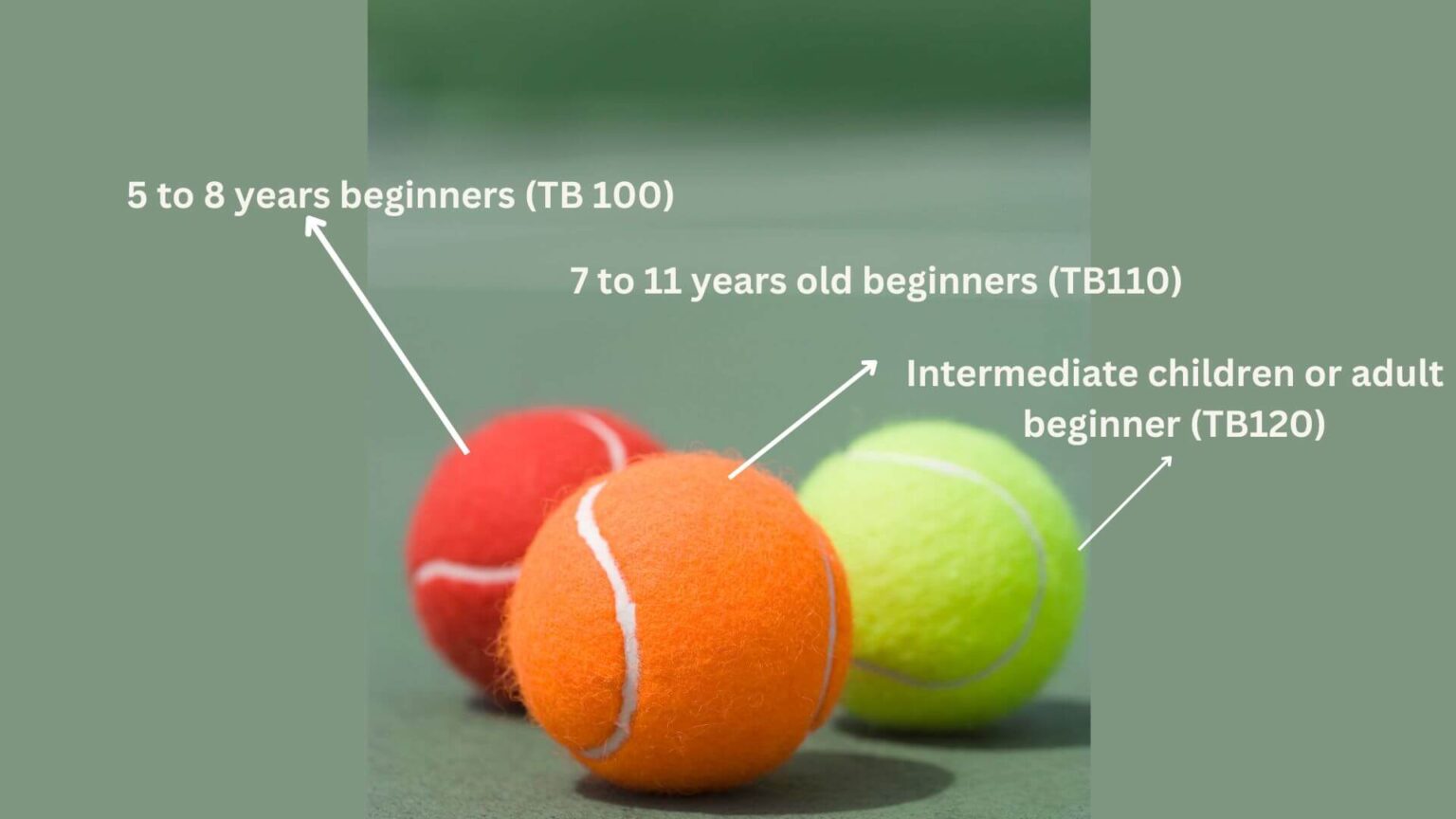
A common mistake is buying a full-size ball for a young beginner because it seems like a better long-term investment. In practice, the correct size often helps players build skills faster and with better technique.
Source: tennisneed.com
Check Official Guidelines
League and school rules should be checked before buying a competition ball.
Test Handling
The player should be able to control, carry, pass, or strike the ball comfortably.
Choose The Correct Ball Material And Construction
The outside material and internal construction determine how a ball feels and how long it lasts. Different sports use different combinations of rubber, synthetic leather, leather, felt, foam, and layered panels.
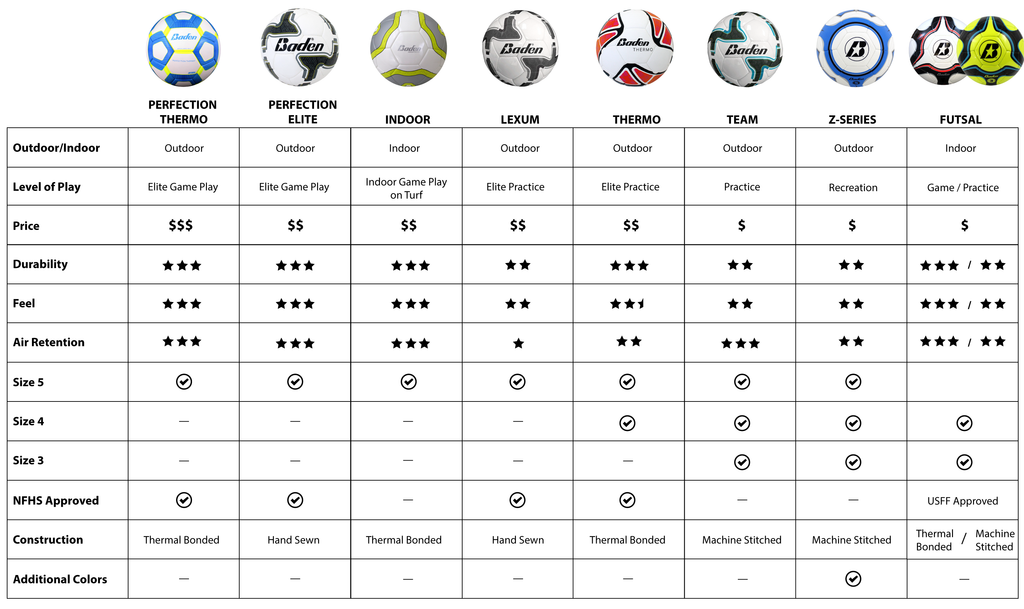
Outdoor balls often need stronger covers because they face rough surfaces, dirt, temperature changes, and repeated impact. Indoor balls may focus more on grip and controlled feel.
A durable practice ball can be a smart choice for frequent training, while a premium competition ball may be better when official performance matters.
Source: sportsmagy.com
Cover Material
The cover affects grip, durability, and how the ball responds during play.
Internal Design
Bladder, layers, and pressure systems influence bounce, shape retention, and consistency.
Training Ball Versus Match Ball
Training balls are designed for repeated use and may prioritize durability. Match balls are designed around performance standards and may provide a more precise feel.
Neither option is automatically better. The best choice depends on whether the main goal is practice, competition, recreation, or skill development.
Training Use
Choose durability when the ball will receive frequent practice use.
Competition Use
Choose approved specifications when playing organized matches.
Consider The Playing Surface And Weather Conditions
Where a ball is used can change how it performs. A ball used on a clean indoor court experiences different conditions than one used on grass, dirt, concrete, or wet outdoor surfaces.
Outdoor players should consider resistance to wear and moisture. Indoor players may focus more on grip and predictable movement.
Temperature can also affect some materials. Cold conditions may change the feel and firmness of certain balls, while heat and sunlight can contribute to faster wear over time.
Source: footballtale.com
Indoor Sports
Look for balls designed for controlled court surfaces and indoor play.
Outdoor Sports
Prioritize durability and materials suitable for outdoor exposure.
Compare Sports Balls Before Buying
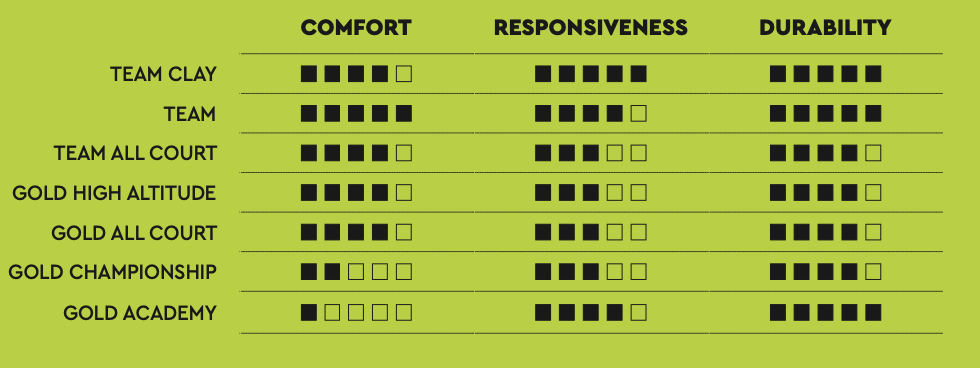
Comparing sports balls becomes easier when you focus on features that affect actual use. Price alone does not show whether a ball fits a player’s needs.
A simple comparison can help separate essential features from unnecessary upgrades. The right choice balances performance, durability, and budget.
Source: help.babolat.com
Beginner Priority
Focus on comfort, control, and durability rather than advanced features.
Experienced Player Priority
Focus on consistency, official standards, and preferred playing feel.
Family Or School Use
Choose versatile equipment that can handle repeated use by multiple players.
Avoid Common Mistakes When Choosing A Sports Ball
Many buying mistakes happen because people focus on appearance instead of function. A colorful design or famous brand name does not guarantee that a ball is suitable for a specific player or sport.
Another mistake is ignoring maintenance. Proper inflation, storage, and cleaning can help many sports balls maintain their shape and performance longer.
Players should also avoid using damaged balls in serious practice because changes in shape, pressure, or surface condition can affect skill development.
Source: yanrefitness.com
Wrong Size
A ball that does not match the player can reduce control and make learning harder.
Wrong Surface
Using a ball outside its intended environment can shorten its useful life.
Poor Maintenance
Regular checks for pressure, damage, and wear help protect performance.
Frequently Asked Questions
Q
How do I know what size sports ball I need?
Choose the size based on the sport, player age, and competition rules. Youth players usually need smaller sizes, while adult players often use standard sizes.
Q
Is an expensive sports ball always better?
Not always. A higher price may reflect materials or construction, but the best ball is the one that matches the player’s needs and intended use.
Q
Should beginners buy professional-level sports balls?
Beginners can use quality equipment, but they often benefit more from a comfortable and easy-to-control ball than a premium competition model.
Q
How often should a sports ball be replaced?
Replacement depends on frequency of use, storage conditions, damage, and performance changes. A ball should be replaced when it no longer maintains safe and consistent play.
Q
Can one sports ball work for different activities?
Some recreational balls can be versatile, but official sports usually require specific sizes, weights, and construction standards.
✦ Wrapping Up
Conclusion
Choosing the right sports ball requires more than picking a familiar brand or attractive design. The best option depends on the sport, player, surface, skill level, and purpose. A well-matched ball supports better control, safer practice, and more enjoyable play.
Before buying, check the required size, material, and rules for your activity. Whether you are selecting a ball for a child learning a new sport, a team preparing for competition, or personal recreation, the right match makes every session more productive.
💡 Key Takeaway
Start your selection by identifying the sport and player requirements, then compare size, construction, surface compatibility, and intended use before making a purchase.