
Learning how to prevent injuries during strength training is the most important skill you can develop in the gym. Many athletes focus solely on the weight on the bar, but the secret to long-term success is keeping your body functional.
Understanding the mechanics of your movement is critical for staying safe. As of 2026, exercise science research emphasizes that proper joint alignment and controlled load progression significantly reduce the risk of acute tears. We will walk through the essential habits that keep your training consistent and pain-free.

Today's Exclusive Deals
Limited-time Exclusive Deals. Check current discount on Amazon.
Check Price on Amazon As an Amazon Associate I earn from qualifying purchases.Quick Answer
Properly performing strength training requires mastering technical form. Use a warm-up to increase blood flow. Always stop sets at technical failure.
Manage your total weekly training volume carefully. Listen to your body for sharp pain signals. Use progressive overload in controlled, small increments.
Follow these simple rules to stay injury-free.
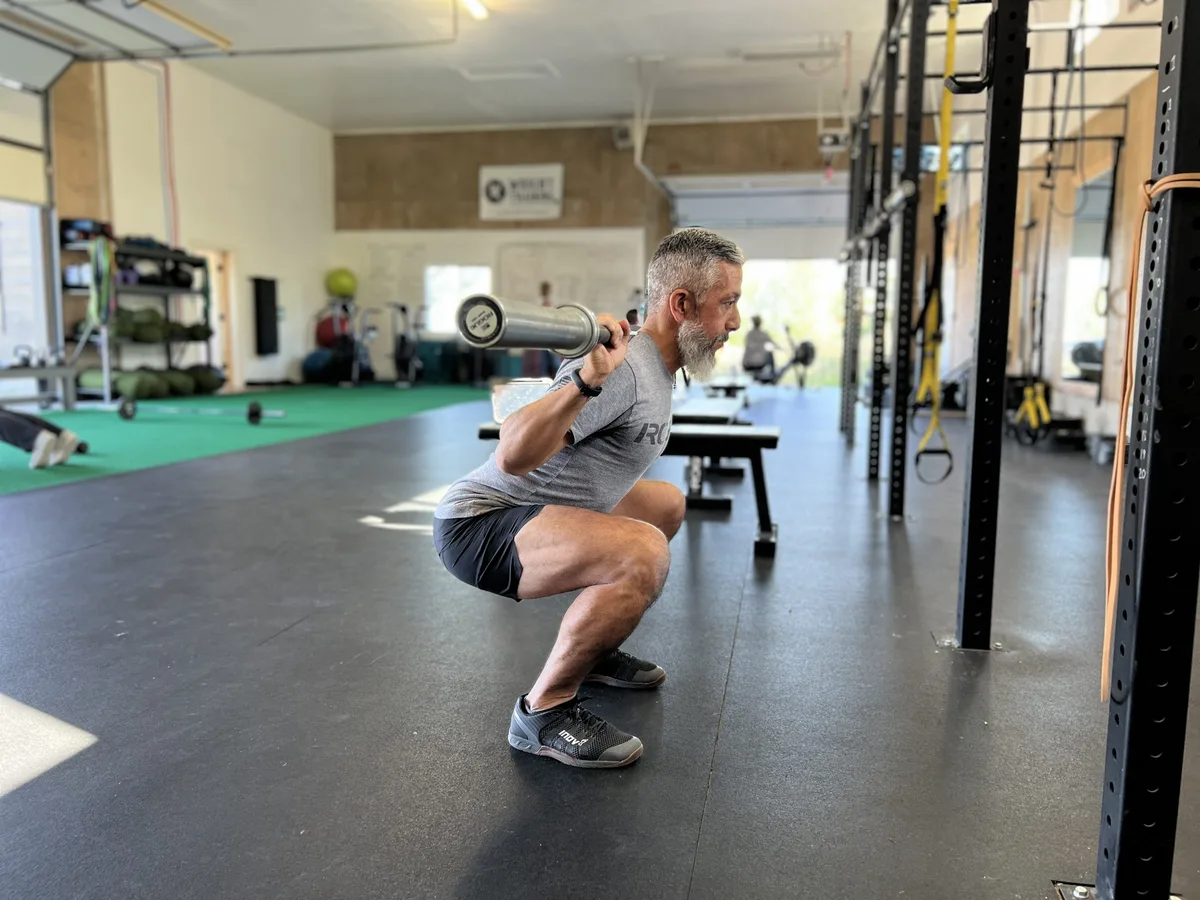
Image source: Web (Bing) / jhwrighttraining.com (Web image (fair-use with source credit))
Why Technical Integrity is Your Best Injury Defense
Technical integrity is the foundation of every safe workout. It means you execute every repetition with a specific, safe path of motion that protects your joints. When you compromise form to force an extra rep, you place dangerous shear forces on your ligaments.
Our research indicates that the National Strength and Conditioning Association emphasizes movement quality as the primary indicator of athletic longevity. If you find a dependable iron kit for your home gym, always practice the movements without weight before attempting heavy sets. You should never trade your long-term health for a short-term ego boost.
If you are a newer lifter, explore high-quality starter equipment to build your confidence. Proper posture, such as a neutral spine during a deadlift, ensures the load is carried by your muscles rather than your spinal discs. Keep your movements intentional, controlled, and consistent throughout the entire set.
The Biology of Breaking: Understanding Your Limits
Your body experiences stress during training in the form of micro-tears in muscle fibers. These tears trigger a repair process that makes you stronger. However, if you load the tissue faster than it can adapt, you cross the line from healthy stress to structural injury.
Ligaments and tendons possess less blood flow than muscle tissue, which makes them slower to adapt to heavy loads. This is why joint pain often surfaces weeks before a muscle strain occurs. You must respect the biological timeline of tissue remodeling.
When you push to absolute failure on every set, you risk nervous system fatigue. A central nervous system that is overly taxed is prone to slips in concentration. These momentary lapses in focus lead to poor bar paths and preventable accidents.
Foundational Safety Protocols for Every Lift
Every successful lifting session starts with a structured warm-up. This is not just about breaking a sweat; it is about priming your central nervous system for the work ahead. Spend at least ten minutes moving through the range of motion you intend to use for your primary lifts.
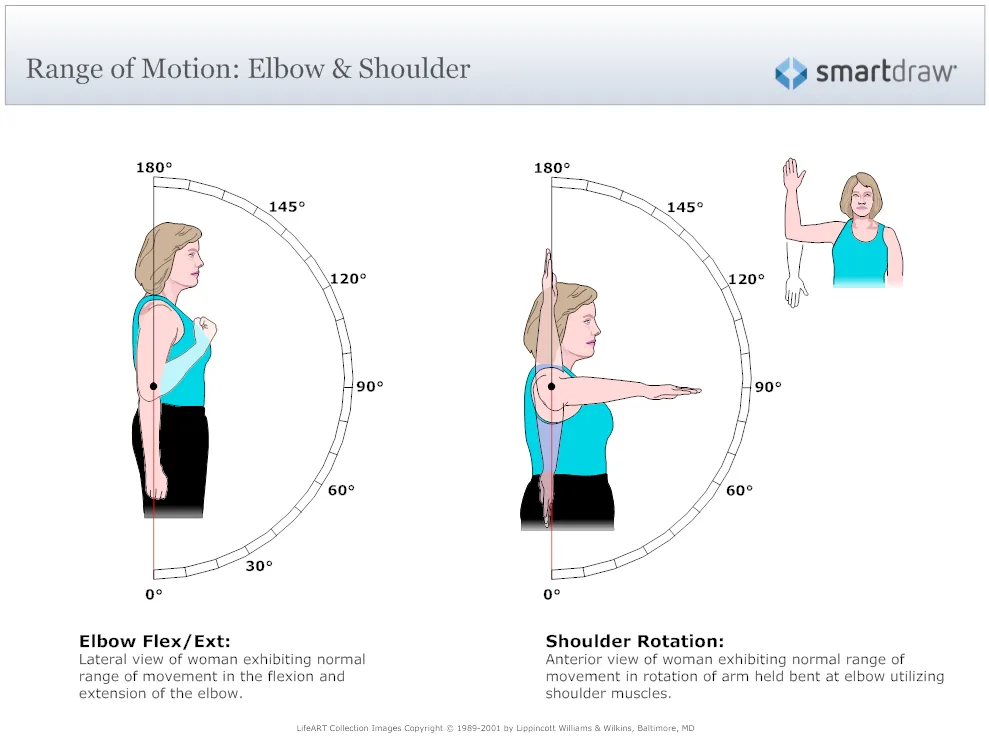
Image source: Bing (Web (fair-use with source credit))
- Perform dynamic stretches like leg swings or arm circles to lubricate your joints.
- Start with empty bars or very light weights to practice the specific movement pattern.
- Ensure your environment is clear of obstacles or loose equipment that could cause a trip.
- Use collars on your barbell to keep weight plates secure and balanced.
If you are equipping a dedicated space for heavy movements, prioritize a stable rack and high-quality safety pins. These simple tools act as a physical fail-safe when you reach the limit of your strength. Always know how to exit a lift safely if you lose your balance.
Strategic Programming: Managing Volume and Fatigue
Programming is the architecture of your progress. It helps you balance intensity with necessary downtime. You should never increase weight, frequency, or volume all at once, as this rapid change is a primary cause of overuse injuries.
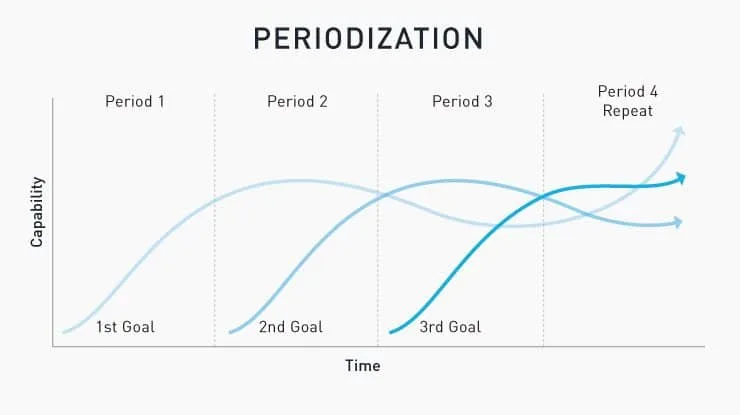
Image source: Web (Bing) / gmb.io (Web image (fair-use with source credit))
Implement a deload week every four to six weeks. During this period, you reduce your training volume by roughly 50 percent. This allows your joints and tendons to recover from the accumulated stress of the previous month.
Think of this as a required investment in your ability to train long-term.
When choosing gear for focused hypertrophy sessions, remember that more is not always better. Quality training beats quantity every time. If you feel persistent soreness that does not improve after 48 hours, reduce the intensity of your next session.
Recognizing the Red Flags of Overuse
Your body communicates through different types of sensations. You must learn to distinguish between the burning sensation of lactic acid and the sharp, stabbing pain of an impending injury. Lactic acid buildup is a temporary result of hard work that fades shortly after you finish the set.
Injury, however, often presents as a localized, stinging pain that persists even after the muscles have cooled down. If you notice a clicking or grinding sensation in a joint, pay close attention. It could be an early warning sign of an alignment issue that needs correction before it becomes chronic.
- Stop the movement if you feel sharp pain in a joint.
- Evaluate your form if you notice asymmetrical pain on one side of the body.
- Do not train through acute inflammation; ice or rest it instead.
- Consult a medical professional if pain lingers for more than a few days.
If you need versatile gear for a full-body routine, choose movements that feel natural to your unique anatomy. Everyone has different limb lengths and joint structures, so do not force your body into a movement pattern that causes recurring discomfort.
Long-Term Maintenance and Recovery Optimization
You sustain progress by treating recovery with the same intensity you bring to your training. Muscles grow during rest, not during the workout itself. If you skip sleep or ignore nutritional needs, you essentially waste the mechanical work performed in the gym.
Aim for seven to nine hours of quality sleep every night. Sleep is the primary window for hormonal regulation and tissue synthesis. When you are sleep-deprived, your body produces more cortisol, a hormone that can break down muscle tissue and slow your healing process.
Hydration also plays a silent but vital role in joint health. Synovial fluid, which lubricates your joints, relies on consistent water intake to maintain its viscosity. Even slight dehydration can make your movements feel stiff and increase friction within your joint capsules.
- Eat enough protein to support tissue repair, typically aiming for 1.6 to 2.2 grams per kilogram of body weight.
- Prioritize mobility work on your off days to maintain healthy joint ranges.
- Track your recovery trends by monitoring your resting heart rate or general energy levels.
If you are investing in reliable gear for your lifting routine, remember that the best tools are those that allow you to stay consistent. Maintenance also means knowing when to swap an exercise. If a specific movement consistently leaves your joints feeling angry, find a variation that achieves the same stimulus without the pain.
Frequently Asked Questions About Training Safely
How often should I take a deload week?
Most lifters benefit from a deload every four to six weeks. If you are lifting at a high intensity, your central nervous system needs this break to catch up. You don't have to stop training completely.
Instead, use this week to focus on technique and perform movements at 50 percent of your usual weight.
Can I train through minor muscle soreness?
Yes, light training is often beneficial for muscle soreness, also known as delayed onset muscle soreness. Movement increases blood flow to the affected area, which helps flush out metabolic waste and supports tissue repair. If the soreness is intense, choose low-impact activities like walking or light cycling to stay active without adding stress.
When should I stop a set during training?
Always stop a set at technical failure. This occurs when your form begins to break down, such as rounding your back or losing balance. It is not necessary to reach absolute failure to build strength or size.
Ending the set the moment your technique suffers prevents unnecessary strain on your ligaments and connective tissues.
Is it normal to hear popping sounds in my joints?
Occasional joint noises are usually harmless and often result from gas bubbles releasing in the joint fluid. However, if the sound is accompanied by pain, swelling, or a feeling of instability, it is a warning sign. Avoid movements that trigger this sensation until you can evaluate your form or speak with a qualified professional.
Should I use weightlifting belts or wraps?
Support gear like belts or wraps can help improve stability during heavy lifts, but they shouldn't replace core strength. Use them only for your heaviest sets to provide extra support for your spine. Always practice your main lifts without gear to ensure you are developing the underlying muscle strength needed to stabilize your own joints.

