
Knowing exactly what to eat after strength training is the simplest way to support your recovery without overthinking the science. You don't need to rush for a shake the second you finish your final set to see real progress.
As of 2026, research from the National Institutes of Health confirms that your total daily nutrient intake matters far more than precise timing. Focus on hitting your protein targets throughout the day to ensure your muscles have the fuel they need to repair themselves.

Today's Exclusive Deals
Limited-time Exclusive Deals. Check current discount on Amazon.
Check Price on Amazon As an Amazon Associate I earn from qualifying purchases.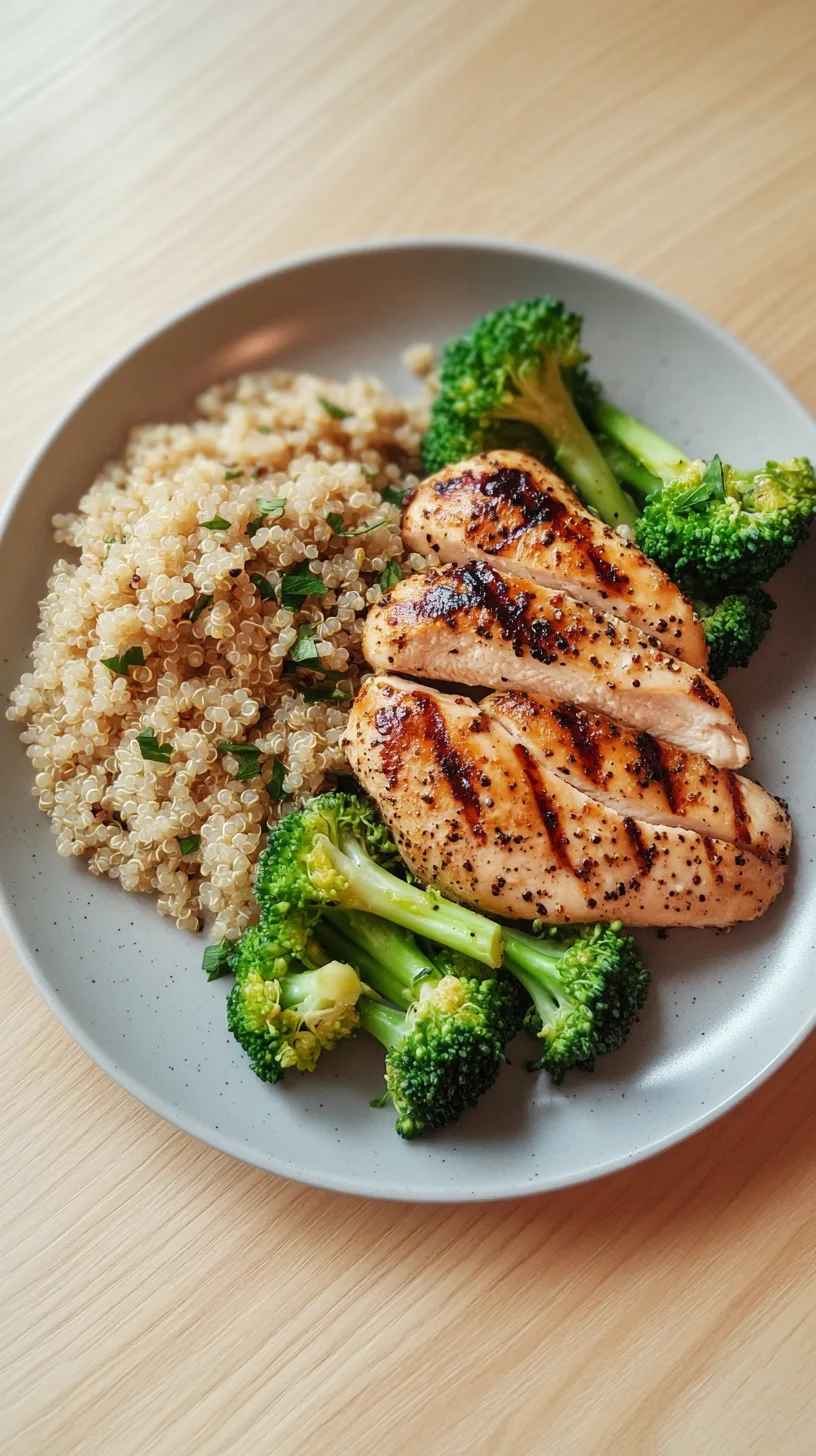
Quick Answer
Eat a meal with protein and carbohydrates after your workout. Aim for 20 to 40 grams of high-quality protein. Include complex carbohydrates to replenish your glycogen stores.
Hydrate with water to replace lost fluids. Consistency over the entire day is your primary goal.
The Truth About the Anabolic Window and Post-Workout Nutrition
Many gym-goers obsess over the so-called anabolic window, a narrow timeframe where they believe they must consume protein to prevent muscle loss. This idea is largely based on outdated concepts that fail to account for how our bodies digest food over several hours.
Unless you are training in a fasted state or performing multiple intense sessions in a single day, your body isn't in immediate danger of catabolism. You have plenty of amino acids circulating in your bloodstream from your previous meals to begin the recovery process immediately.
If you are using a set of gear for full body workouts to build strength, your primary focus should be on meeting your daily protein needs. Whether you eat your post-workout meal thirty minutes or two hours after training, the physiological outcome remains essentially the same for most lifters.
How Your Body Actually Repairs Muscle After Lifting
When you lift heavy, you create microscopic damage to your muscle fibers. This process is necessary for growth, but it requires your body to enter a state of repair known as muscle protein synthesis.
Your body uses the amino acids from the protein you eat to knit those fibers back together. Carbohydrates play a secondary role by spiking insulin slightly and refilling your glycogen, which is the stored energy in your muscles.
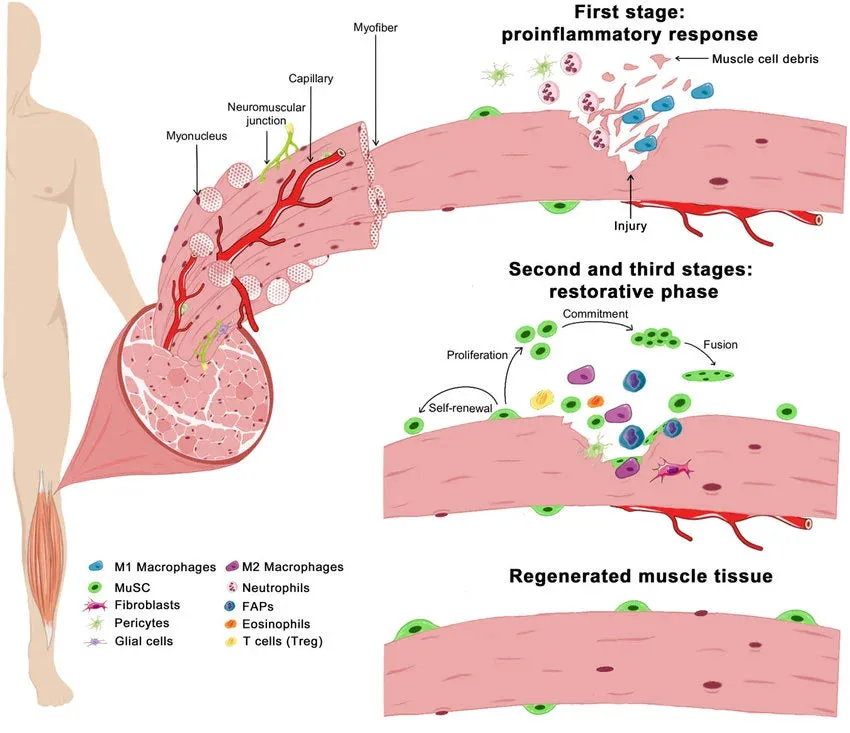
This cycle of stress and recovery is how you get stronger. If you’re utilizing reliable gear for small spaces to stay consistent, your body adapts by making those fibers thicker and more resilient for your next session.
Building Your Ideal Recovery Meal: Protein and Carbohydrate Targets
A solid post-workout meal should prioritize high-quality protein to trigger muscle repair. You want to aim for roughly 0.4 to 0.5 grams of protein per kilogram of your body weight.
For carbohydrates, aim for a source that digests at a moderate to fast rate to quickly restore your energy levels. Pairing these two macros ensures you aren't just repairing tissue, but also feeling energized for the rest of your day.
- Protein Sources: Chicken breast, Greek yogurt, eggs, or lentils.
- Carbohydrate Sources: Sweet potatoes, white rice, bananas, or oats.
- Hydration: Always drink enough water to cover the weight you lost through sweat.
If you’re setting up effective strength training gear at home, make sure your kitchen is stocked with these staples. When your pantry is ready, you won't have to rely on quick fixes that lack the nutrients your body actually craves.
Whole Food Sources Versus Protein Supplements: Making the Right Choice
Whole foods are almost always superior to powders because they provide vitamins and minerals that supplements lack. When you eat real food, you’re getting a full spectrum of nutrition that supports overall health, not just muscle growth.
Supplements are convenient when you’re on the go or don't have time to cook a full meal after a session. They digest quickly, which is helpful if you feel nauseated after a particularly taxing workout, but they should never be your primary source of protein.
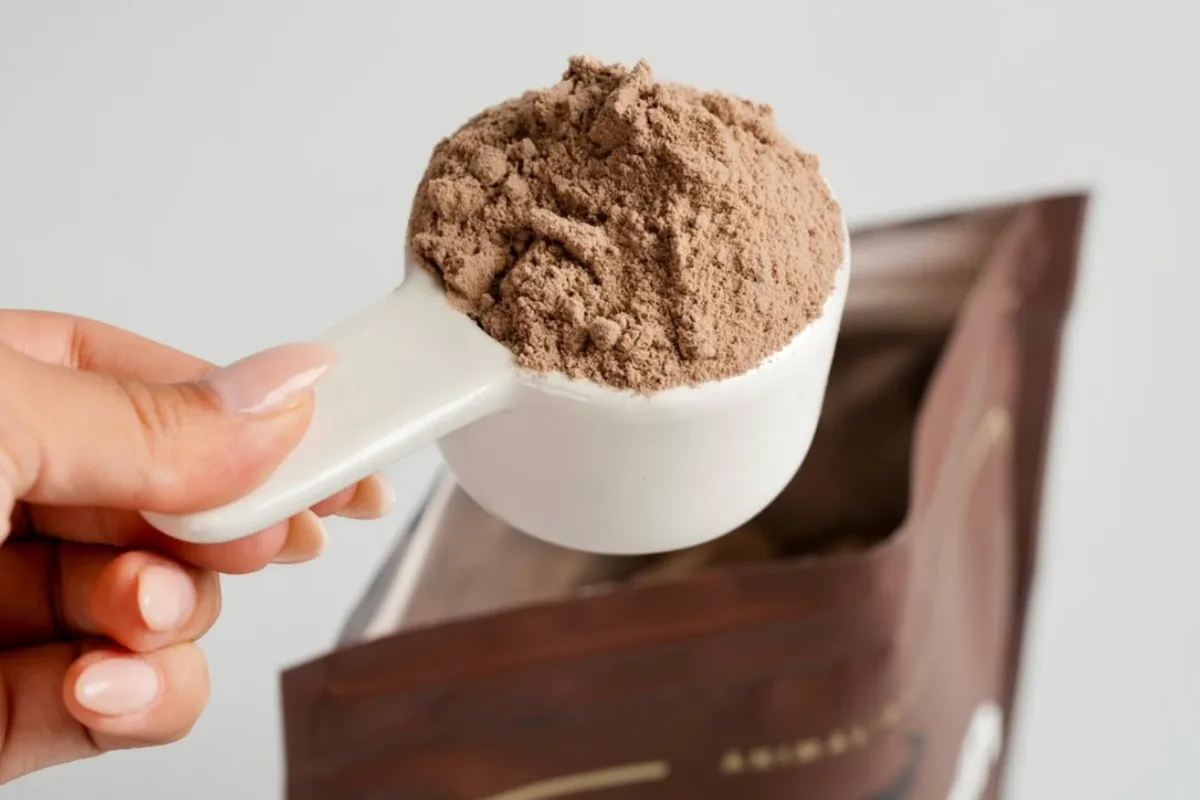
If you're using top-rated beginner gear to build your fitness habit, supplements might feel like a shortcut, but keep them in perspective. They are tools for convenience, not a replacement for a balanced diet built around whole, nutrient-dense foods.
Common Mistakes That Sabotage Your Recovery
The biggest mistake is over-prioritizing the post-workout meal while ignoring your total daily nutrition. If you eat a perfect recovery meal but then consume insufficient protein for the rest of the day, you’ll struggle to see the progress you want.
Another common error is failing to hydrate adequately after training. Dehydration slows down almost every metabolic process in your body, making you feel more fatigued and sore than necessary for your next bout of movement.
- Ignoring total calories: Your body needs fuel to grow, not just protein.
- Relying solely on shakes: You lose out on the micronutrient density found in whole food sources.
- Neglecting electrolytes: Sodium and potassium are crucial if you sweat heavily during your muscle building equipment sessions.
Finally, don't force yourself to eat if you feel sick immediately after lifting. Your digestion is often dampened during high-intensity work, and waiting an hour for your stomach to settle is perfectly acceptable and often safer than forcing down a large meal.
Optimizing Your Nutrition for Long-Term Muscle Growth and Health
Consistency is the most powerful tool you have for long-term health and muscle development. Rather than focusing on a single post-workout meal, think about the rhythm of your nutrition across every single day of the week.
You want to maintain stable blood sugar levels by eating balanced meals that contain protein, healthy fats, and fiber. This approach keeps your energy high for training while providing a steady stream of amino acids for tissue repair.
- Prioritize total protein: Aim for a consistent daily intake rather than spiking it only after your gym session.
- Balance your macros: Your body performs best when it gets a mix of fuel types, not just protein.
- Monitor your fatigue: If you feel constantly run down, increase your complex carbohydrate intake to better match your training volume.
If you are using reliable gear for a home gym to stay on track, you likely have more control over your meal timing than someone at a commercial club. Use that convenience to plan your meals around your training schedule without feeling pressured to eat the moment you drop the weights.
Frequently Asked Questions About Post-Training Fueling
Does eating carbs after lifting make me gain fat?
No, carbohydrates do not lead to fat gain when consumed as part of your total daily caloric balance. Your body uses these carbs to replenish glycogen stores in your muscles and liver. If you are in a caloric surplus, your body will store the excess energy regardless of the specific timing of your intake.
Should I avoid eating anything at all after a late night workout?
You don't need to skip your meal just because it's late at night. Your body needs resources to repair muscle fibers while you sleep. A light, high-protein snack can actually improve your recovery overnight.
Focus on a meal that is easy to digest so it doesn't disrupt your sleep quality.
Is protein powder necessary for building muscle?
Protein powder is a convenient supplement but it isn't strictly necessary for building muscle. You can easily meet your requirements through whole food sources like chicken, fish, eggs, and beans. Use a shake only if your schedule makes it difficult to get enough protein through traditional meals alone.
Can I drink coffee or caffeine after my workout?
Caffeine itself won't hinder muscle protein synthesis after a workout. Many people find that a post-workout cup of coffee or tea helps them feel alert and energized. Just keep an eye on your sleep quality, as consuming high amounts of caffeine late in the day can disrupt your rest.
What if I don't feel like eating right after I finish lifting?
It is perfectly normal to have a suppressed appetite immediately after a heavy training session. Your blood flow is directed toward your muscles rather than your digestive system. Drink plenty of water and wait until your appetite returns, usually within an hour or two, then have your regular meal.

