
Isolation exercises are movements designed to target one specific muscle group by rotating around a single joint. Understanding what are isolation exercises helps you move beyond basic lifts to polish your physique or address muscular imbalances effectively.
As of 2026, exercise science research emphasizes that these movements provide high levels of metabolic stress to individual tissues without exhausting your entire central nervous system. We’ve broken down how to integrate these solo movements into your regular training routine to ensure you get the best results without overtraining.
Today's Exclusive Deals
Limited-time Exclusive Deals. Check current discount on Amazon.
Check Price on Amazon As an Amazon Associate I earn from qualifying purchases.Quick Answer
Isolation exercises target one specific muscle through a single joint movement. These drills focus your effort on one muscle group at a time. They differ from compound lifts that involve multiple body parts.
You use these to correct imbalances or focus on muscle size. Keep sets brief to avoid injury to your smaller joints.
What Actually Defines an Isolation Exercise?
An isolation exercise is defined by its mechanical simplicity, focusing movement at just one joint to minimize the involvement of other muscle groups. When you perform a bicep curl, for instance, your elbow acts as the hinge while your bicep performs the work. Because the movement is restricted to a single plane of motion, the load is concentrated entirely on the target muscle.
This specificity allows you to apply targeted tension for growth without relying on the strength of your back or chest to move the weight. While compound movements rely on synergistic muscles to lift heavy loads, isolation moves remove that support. You'll find these are best performed with moderate weight and higher repetitions to build local muscular endurance.
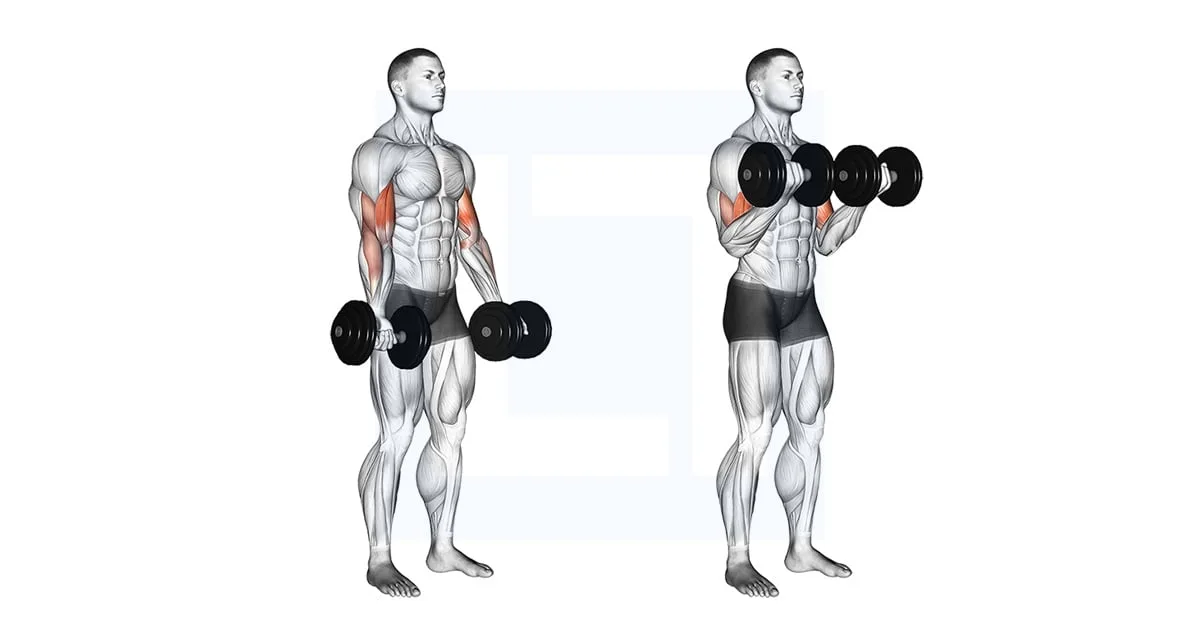
Because you aren't fighting to stabilize your whole body, you can often reach a higher level of intensity on the specific muscle being worked. It’s an effective way to address weak points that might get ignored during heavy compound sessions. If you are setting up a reliable home setup, keeping a few versatile dumbbells on hand makes these focused movements much easier to execute.
The Core Distinction: Isolation vs. Compound Movements
The primary difference between these styles lies in the number of joints and muscles involved in the lift. Compound exercises, such as squats or deadlifts, are the foundation of any full body routine. They recruit multiple large muscle groups simultaneously.
This forces your body to coordinate complex patterns, which leads to greater overall strength gains and caloric expenditure.
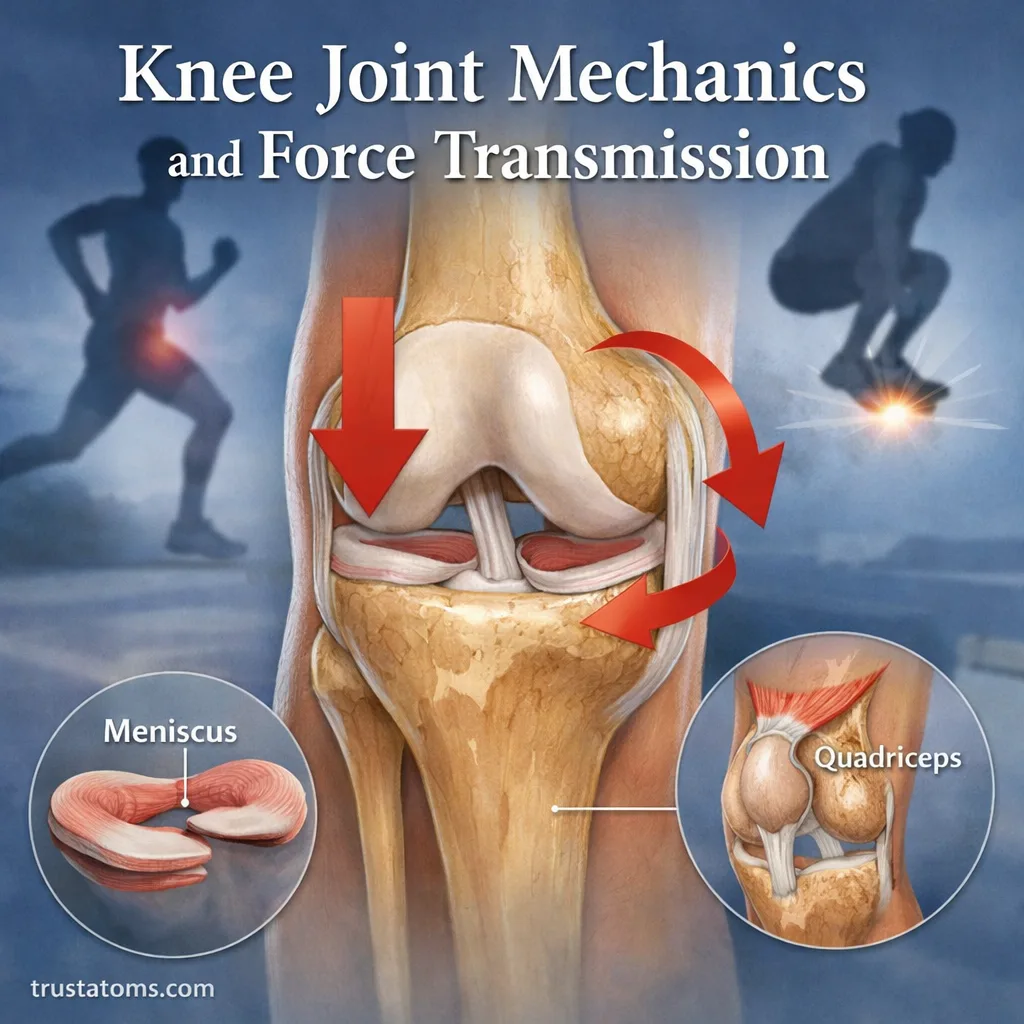
Isolation movements are the opposite. They are designed to strip away the secondary muscle involvement to place the entire mechanical load on a single point. You might use these to focus on the quads, triceps, or deltoids after you've already completed your main lifts for the day.
It helps to think of compound moves as the main course and isolation moves as the garnish. You need the main course for foundational health and power, but the garnish adds the final detail and balance to your physique. Per guidelines from the American College of Sports Medicine, a balanced program should include both to optimize long-term health and physical performance.
Why Your Routine Needs Specific Targeted Training
Incorporating isolation work is often the key to breaking through plateaus in your training. If you have been focused on a basic powerlifting program, you might notice that specific parts of your body, like your triceps or lats, are holding you back during heavy presses or pulls. Isolation exercises allow you to bring these smaller, neglected muscles up to par.
Beyond performance, isolation moves serve as an essential tool for preventing imbalances. If your right arm is naturally stronger than your left, compound movements will rarely fix this because your dominant side will subconsciously take more of the load. Switching to single-arm or single-leg isolation exercises forces each side to work independently.
Using the right equipment for small spaces allows you to perform these variations even if you aren't training in a massive commercial facility. By isolating each limb, you ensure that both sides contribute equally to your strength gains. This improves symmetry and decreases the likelihood of strain or injury over time as you continue to push your limits.
Managing Risk and Joint Health: How to Train Safely
Because isolation exercises put the full weight of the movement on one joint, they carry a unique set of risks regarding tendon health. Unlike compound lifts, where the load is shared across multiple joints and tissues, an isolation move concentrates all force on a single hinge. If you attempt to lift too heavy or move too quickly, you risk putting unnecessary stress on your elbows, knees, or shoulders.
You should prioritize smooth, controlled repetitions over sheer weight. The goal of isolation work isn't to see how much you can lift, but to feel the muscle contracting through the full range of motion. Always listen to your joints.
If you feel sharp pain instead of muscle fatigue, stop the movement and adjust your positioning.
Proper stabilization is also critical. Since these exercises aren't meant to test your full-body stability, ensure your body is braced correctly before you start. Use benches or machine supports when available to minimize the amount of effort your core needs to expend to stay upright.
This keeps the focus exactly where you want it: on the specific muscle tissue rather than your stabilizer muscles.
Structuring Your Workout: The Proper Sequence for Success
When building your training session, the universal rule is to perform your compound lifts first and your isolation work last. This is because compound movements require a high level of mental focus, coordination, and energy. Attempting to squat heavy after you have already exhausted your legs with leg extensions is a recipe for poor form and injury.
Once you have finished your heavier compound sets, your target muscles will be primed for the finishing touches. This is the optimal time to move into beginner-friendly training sets or specific isolation drills. You want to be fresh for the big movements, but you can afford to have some fatigue when moving into isolation work.
For those using a standard barbell set, a common sequence involves starting with a multi-joint movement to hit the primary muscle groups. Once that is complete, you switch to dumbbells or pulleys to isolate specific areas like the biceps, triceps, or lateral deltoids. This "bottom-up" approach ensures you maintain high quality across every minute of your workout.
Mistakes That Stunt Your Progress
The most frequent error is sacrificing form for extra weight. When you force a muscle to move more load than it can handle, your body compensates by involving other muscles. This immediately ruins the isolation effect you are aiming for in the first place.
Another common mistake is neglecting the eccentric portion of the movement. You might rush the weight back down after a strong contraction. Slowing down the lowering phase significantly increases the stress on the muscle fibers, which is essential for growth.
Do not rely on isolation work as a substitute for compound strength. If you skip your heavy lifts to focus only on arm or calf work, you will miss out on the systemic hormonal response that builds overall density. Use the following table to identify if you are on the right track during your session.
| Sign of Proper Form | Sign of Improper Form |
|---|---|
| Smooth, controlled tempo | Jerking or swinging weight |
| Full range of motion | Shortened, partial reps |
| Feeling target muscle work | Feeling lower back or hips |
| Consistent, steady breathing | Holding breath under strain |
You should also watch out for excessive volume. Because these movements stress a single area, doing too many sets can lead to localized inflammation. Listen to your body and pull back if you notice persistent soreness that lasts more than forty-eight hours.
Frequently Asked Questions About Muscle Isolation
How many isolation exercises should I include in a workout?
Limit yourself to two or three isolation movements at the end of your session. This ensures you still prioritize the compound foundation that drives overall strength. Adding too many will just lead to burnout without providing additional benefits.
Can isolation movements replace compound lifts?
No, they cannot replace heavy compound lifts. Compound movements build the structural foundation and athletic capacity that isolation work simply cannot match. Think of isolation moves as supplementary tools, not the core of your training program.
Should I perform isolation exercises before compound ones?
Avoid this, as it will exhaust your smaller muscles and hinder your heavy lifts. You want your target muscles fresh to manage the load of compound exercises like rows or presses. Perform isolation drills once the big lifts are finished.
How do I know if I am targeting the right muscle?
You should feel the muscle working through a deep burn or fatigue in that specific area. If you find your shoulders or back are taking over, reduce the weight immediately. Adjust your posture until you feel the tension exclusively in the muscle you intend to train.
Do I need special equipment for isolation work?
Not necessarily, as you can perform many isolation moves with simple dumbbells or bands. While some machines help stabilize joints, the intent is always to limit movement to one joint. Use the tools you have, and focus on your form above all else.