
Determining how many sets you should do for strength is the first step toward moving past plateaus and building real power. Many lifters get stuck because they rely on arbitrary numbers rather than adjusting their volume to match their current recovery capacity.
Research shows that strength is a skill, and as of 2026, most effective programs focus on high-intensity loads with moderate volume. Getting this balance right determines whether you continue to progress or stall out completely.

Today's Exclusive Deals
Limited-time Exclusive Deals. Check current discount on Amazon.
Check Price on Amazon As an Amazon Associate I earn from qualifying purchases.
Image source: Bing (Web (fair-use with source credit))
Quick Answer
You should perform 3 to 5 sets for most strength movements. Beginners often benefit from 2 to 3 sets per exercise. Advanced lifters may require 5 to 8 sets for maximum results.
Always prioritize perfect form over total set count. Adjust volume based on your weekly recovery capacity.
The 3 Sets of 10 Myth: Why Strength Needs a Different Approach
The classic advice to perform three sets of ten is designed for muscle growth rather than raw strength. Strength training requires heavier weights that demand more nervous system recovery. If you are training to move the heaviest load possible, ten repetitions often forces you to use a lighter weight to compensate for fatigue.
When your primary goal is getting ready for powerlifting, you need to keep your rep ranges lower. Most strength specialists suggest sticking to 1 to 5 repetitions per set. This range allows you to maintain high intensity without crossing the threshold into pure hypertrophy training.
If you are using reliable gear for total body movements, you should treat your sets as practice sessions. Each repetition must be performed with the exact same technique. Once the weight becomes so heavy that your form degrades, you have hit your limit for that session.
Understanding Your Training Age and Recovery Capacity
Your training age defines how much work your body can handle before it stops adapting and starts breaking down. A novice lifter can stimulate growth with very little volume because everything is new to the central nervous system. Experienced lifters, however, often require a much higher volume to trigger any new strength gains.
When you are setting up a home gym, consider how often you plan to train. Higher frequency training allows you to spread your total volume over several days. This often leads to better results than cramming all your sets into one exhausting session.
The National Strength and Conditioning Association emphasizes that individual recovery is the ultimate governor of volume. If you feel sluggish or your joints ache before you even touch the barbell, your recovery capacity is maxed out. You must scale back your set count until your body catches up to your ambition.
The Anatomy of a Strength Set: Managing Intensity and Technical Failure
A strength set is only as good as the technique behind it. If you are struggling with finding the right starter equipment, you should focus on the concept of technical failure. This occurs when you can no longer complete a repetition with perfect form.
Image source: Web (Bing) / liftmanual.com (Web image (fair-use with source credit))
You should stop your sets one or two repetitions before absolute physical failure. Pushing to failure on heavy compound movements increases the risk of injury and overtaxes the central nervous system. It takes significantly longer to recover from a set taken to failure than one taken to technical failure.
| Intensity Level | Sets | Reps | Best For |
|---|---|---|---|
| High | 5–8 | 1–3 | Peaking / Max Effort |
| Moderate | 3–5 | 3–5 | Strength Development |
| Low | 2–3 | 5–8 | Technical Proficiency |
Volume Titration: How to Decide How Many Sets You Really Need
Volume titration is the process of adjusting your workload based on your performance trends. Start at the lower end of the recommended range for a specific movement. If you find your strength is still increasing session to session, do not add more sets.
If you are selecting a setup for Olympic lifting, you must be even more conservative with volume. These explosive movements are incredibly taxing on the nervous system. Adding a single extra set when you are already pushing your limits can lead to diminished returns.
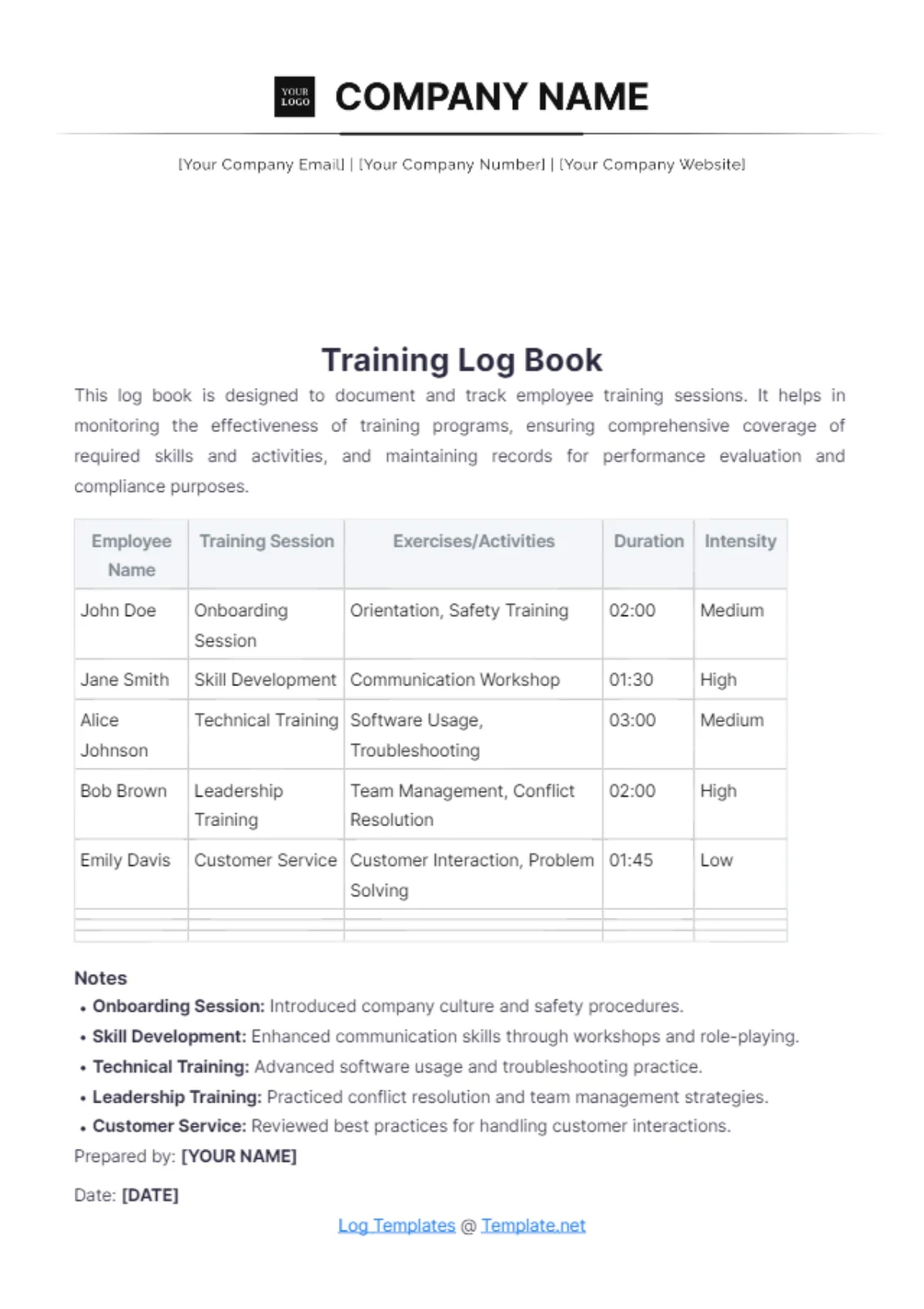
Image source: Web (Bing) / template.net (Web image (fair-use with source credit))
Follow this simple flow to calibrate your own training volume:
- Assess Performance: Are your numbers increasing over a 4-week cycle? If yes, keep your current volume.
- Monitor Fatigue: Are you feeling exhausted 24 hours after your session? If yes, drop one set from each exercise.
- Evaluate Form: Does your technique remain crisp on the final set? If no, reduce the total set count until quality returns.
Common Pitfalls That Stall Strength Gains
The most common mistake is chasing junk volume. This refers to performing extra sets that do not contribute to strength gains but do add to your overall fatigue. If you are looking for a compact barbell solution, you might feel tempted to add sets just because you have the space or time.
Adding volume for the sake of volume is a fast track to stagnation. Your body has a limited capacity to recover from intense structural stress. Every set must serve a purpose, such as mastering a movement pattern or exposing the muscles to a specific, heavy load.
Avoid changing your entire program when you hit a single bad week. Strength fluctuates based on sleep, nutrition, and stress levels. If you have a bad session, stick to your plan.
Only adjust your sets if the lack of progress persists for three weeks or more.
Long-Term Optimization: Integrating Deloads and Progressive Overload
Progressive overload is the foundation of long-term strength gains. You must gradually increase the difficulty of your training by adding weight, performing more repetitions, or reducing your rest intervals. If your sets remain identical for months, your body has no reason to become stronger.
Deloading is a planned reduction in training intensity or volume that occurs every 4 to 8 weeks. It allows your central nervous system to fully recover after a period of intense loading. During a deload, you might cut your total number of sets in half while keeping the intensity moderate.
Many lifters ignore deloads because they fear losing progress. In reality, you are likely to come back stronger after a week of lighter training. Think of it as hitting the reset button on your recovery capacity.
This prevents the cumulative fatigue that leads to burnout and injury.
Frequently Asked Questions About Set Volume
Should I do more sets if I am older?
Older lifters often require more recovery time between sessions. You should prioritize quality over quantity by using fewer sets with higher intensity. This keeps the stimulus high without overtaxing your joints or recovery systems.
Does rest time between sets impact my strength?
Yes, you need to rest 3 to 5 minutes between sets of heavy, low-rep training. This allows your ATP-PC energy system to replenish fully. You should feel mentally and physically ready for your next set before you touch the bar again.
Can I mix hypertrophy and strength sets?
You can combine both methods in one session if you manage your total volume carefully. Perform your heavy strength movements first when you are freshest. Follow these with moderate-weight, higher-repetition sets for specific muscle groups to support your goals.
Is it better to train full body or split body parts?
Full-body routines allow you to practice heavy movements more frequently throughout the week. This is often better for strength development because of the increased technical practice. Split routines can work well if you have the recovery capacity to handle higher volumes per muscle group.
How do I know if I am doing too much?
Common signs of excessive volume include persistent muscle soreness and decreased motivation. You might also notice your strength numbers declining even though you are training just as hard. If these symptoms appear, you should reduce your total sets by 20 percent immediately.
Final Decision Guide: Tailoring Your Weekly Volume
Your ideal set count depends on where you currently stand in your training journey. Beginners should focus on consistency with 2 to 3 sets per exercise to learn the movements. Intermediates can push to 3 to 5 sets to maximize their gains as they approach their physical potential.
Advanced athletes need to track their performance closely to decide when to add or subtract volume. Use a simple log to note how you feel after every workout. If you notice a trend of declining strength, look at your total weekly sets first.
Always err on the side of doing less volume if you are unsure. You can always add a set to your next workout if you feel fresh. It is much harder to recover from a week of overtraining than it is to simply add more work later.
Trust the process, monitor your recovery, and let your results guide your adjustments.

