If you have ever wondered how does progressive overload work, you are already on the right path to smarter training. It is the fundamental principle that forces your body to adapt, grow stronger, and build muscle by consistently increasing the demands placed on your systems.
When you lift weights, you create temporary micro-trauma in your muscle fibers. According to data from the National Strength and Conditioning Association, this stimulus triggers repair processes that make the muscle tissue more resilient to future stress. As of 2026, understanding this cycle of stress and recovery remains the most effective way to ensure your routine upkeep stays productive long-term.

Today's Exclusive Deals
Limited-time Exclusive Deals. Check current discount on Amazon.
Check Price on Amazon As an Amazon Associate I earn from qualifying purchases.Quick Answer
Progressive overload works by increasing training stress over time. You must regularly challenge your muscles with more weight or volume. This forced adaptation builds muscle and improves strength.
Your body only grows when the stimulus exceeds current capacity. Proper recovery is essential to finalize these physical gains.
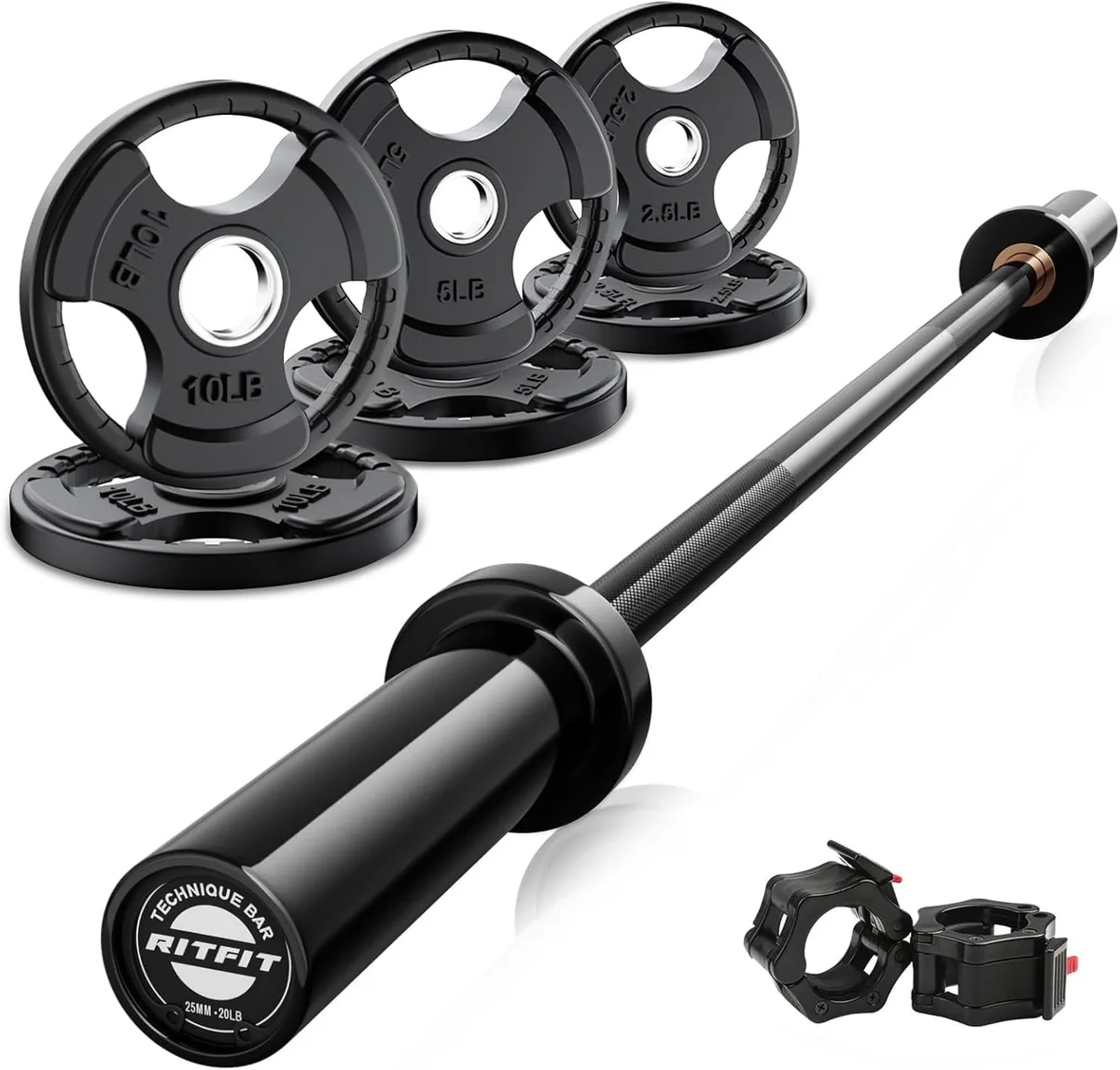
Image source: Web (Bing) / walmart.com (Web image (fair-use with source credit))
Why Progressive Overload Is Non-Negotiable for Growth
You cannot expect your body to change if you do not give it a reason to do so. Our physical forms prioritize efficiency, so maintaining extra muscle tissue is energy-intensive. If you lift the exact same weight for the exact same number of reps every week, your body reaches a point of homeostasis.
It decides that no further structural changes are necessary.
To break that plateau, you need to disrupt that balance. Progressive overload introduces a new, higher level of difficulty that your muscles have not yet mastered. When you provide this challenge, the body undergoes a repair cycle.
During this phase, it builds thicker, stronger fibers to better handle the load you just presented.
If you ignore this principle, you stay stuck. Whether you are using a reliable machine or a basic free weight setup, you must implement a plan to increase your efforts. Without a roadmap for improvement, you are simply exercising, not training for specific results.
The Mechanisms of Adaptation: How Your Body Responds to Stress
At a biological level, your body responds to the mechanical tension placed on your muscle fibers during resistance training. This tension signals the body to initiate muscle protein synthesis. You can view this as a construction project where you are the site manager.
If you send the same crew to do the same task, they finish quickly and go home.
By adding weight, you effectively force the crew to work harder and recruit more muscle units to complete the job. This is the primary driver of hypertrophy. You are essentially teaching your central nervous system to fire more effectively.
This is why full body workouts feel significantly easier after several weeks of consistent effort.
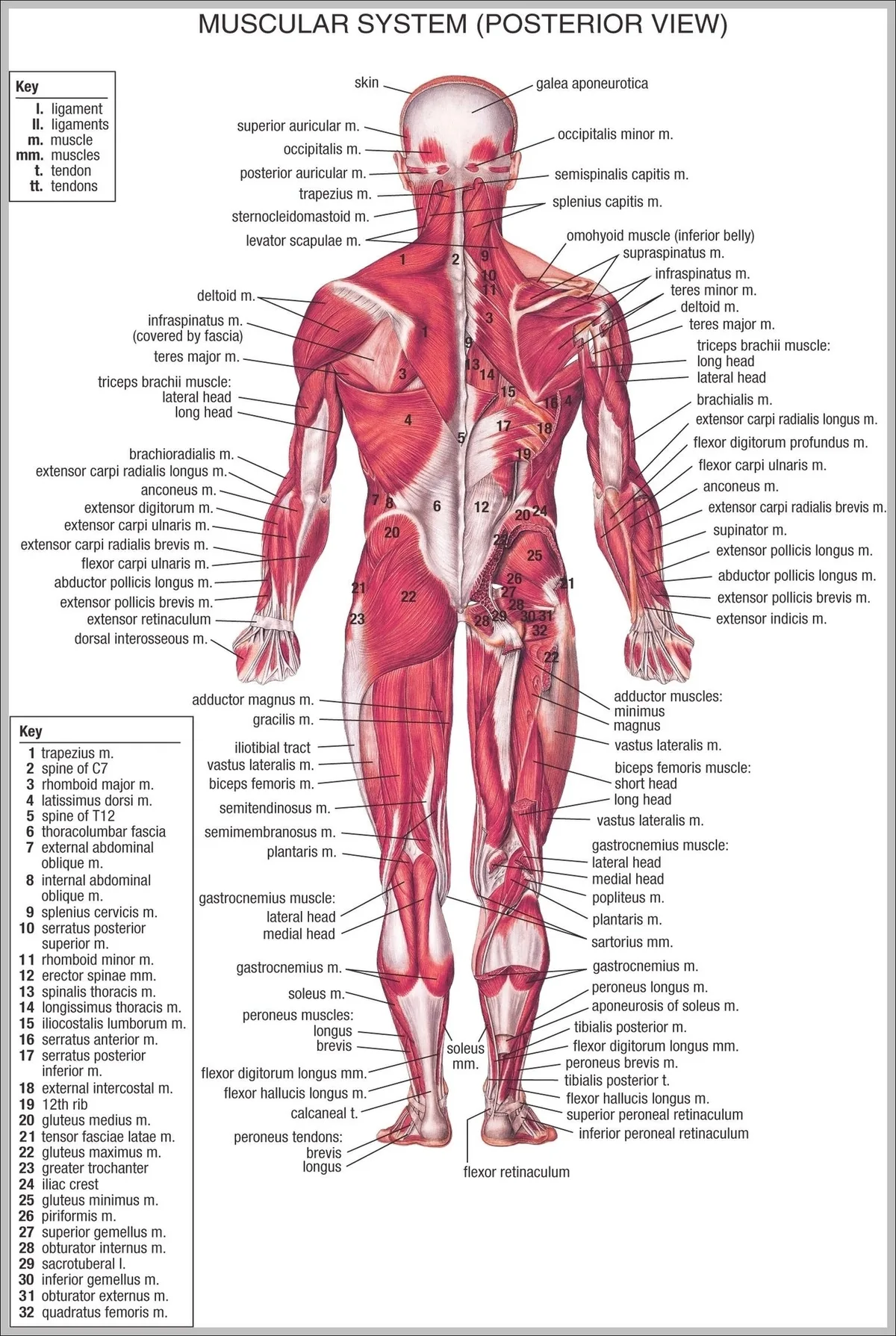
Image source: Bing (Web (fair-use with source credit))
Your body does not distinguish between a heavy barbell and a heavy grocery bag; it only perceives the amount of tension. However, using specific compact picks allows for more precise control over the load. This precision ensures that you can safely apply mechanical tension without compromising your movement patterns.
Managing Training Intensity and Volume Without Hitting a Wall
Progressive overload is not just about adding five pounds to the bar every session. That strategy works for beginners, but it eventually leads to a wall. True management involves balancing the total volume of work with your capacity to recover.
If you increase intensity too rapidly, your central nervous system becomes overwhelmed.
You should aim for a gradual accumulation of work. If you find that your performance is stalling during olympic lifting, you might need to adjust your volume instead of your weight. Often, doing an extra set of the same weight is just as effective as adding more plates.
This approach keeps the stress high while reducing the risk of acute injury.
Effective management also requires periodic deloads. These are planned weeks where you intentionally reduce the load or intensity of your sessions. Think of this as preventative maintenance for your joints and nervous system.
It allows your body to fully repair the damage from previous weeks, setting the stage for a new cycle of growth.
Strategic Variables for Sustained Physical Progress
If the weight feels too heavy to increase, you have several other levers you can pull to continue overloading the system. These variables are the secret to long-term consistency in powerlifting. By rotating these factors, you keep the stimulus fresh without needing to add plates constantly.
- Total Repetitions: If you hit your target reps, add one or two more next time.
- Rest Periods: Shortening your rest time between sets forces your muscles to recover faster under metabolic stress.
- Tempo Control: Slow down the lowering phase of the lift to increase the time your muscles spend under tension.
- Range of Motion: Increase the depth of your squats or the reach of your presses to work the muscle through more of its natural range.
Choosing the right approach depends on your specific goal. For expert picks in muscle growth, focusing on volume and time-under-tension is often superior to just chasing heavy singles. You are looking for a stimulus that challenges your muscles, not just one that taxes your ego.
Common Pitfalls: When "More" Becomes Counterproductive
The biggest mistake lifters make is viewing progressive overload as a linear race. They assume that because five pounds helped last week, five more will help this week. This mindset ignores the reality of fatigue.
When you ignore recovery, you move from progressive overload to overtraining, where your performance drops, your joints ache, and your motivation evaporates.
Ego lifting is the most common reason for stalled progress. If you prioritize the weight on the bar over your form, you are not actually overloading your target muscle. Instead, you are recruiting surrounding muscle groups to compensate for bad technique.
This prevents the intended muscle from experiencing the specific tension it needs to adapt.
Watch for these warning signs that your current approach is doing more harm than good:
- Form breakdown: If your back rounds or you start using momentum to move the weight, the load is too high.
- Persistent joint pain: Sharp pain is different from muscle fatigue. It is a signal to stop and adjust.
- Diminishing returns: If you have been adding weight for three weeks but your actual rep quality is declining, you have exceeded your capacity.
If you find yourself stuck, stop trying to force the numbers up. Drop the weight by ten percent and focus on perfect execution for two weeks. This is not a step backward; it is a tactical reset that allows you to build back up with better control.
You need to respect the process as much as the result.
Practical Implementation: Tracking and Autoregulation
You cannot improve what you do not measure, so keeping a training log is essential. A simple notebook or digital app works, but you need to record the weight, reps, and sets for every major lift. Without these data points, you are guessing, and guessing is the enemy of consistent progress.
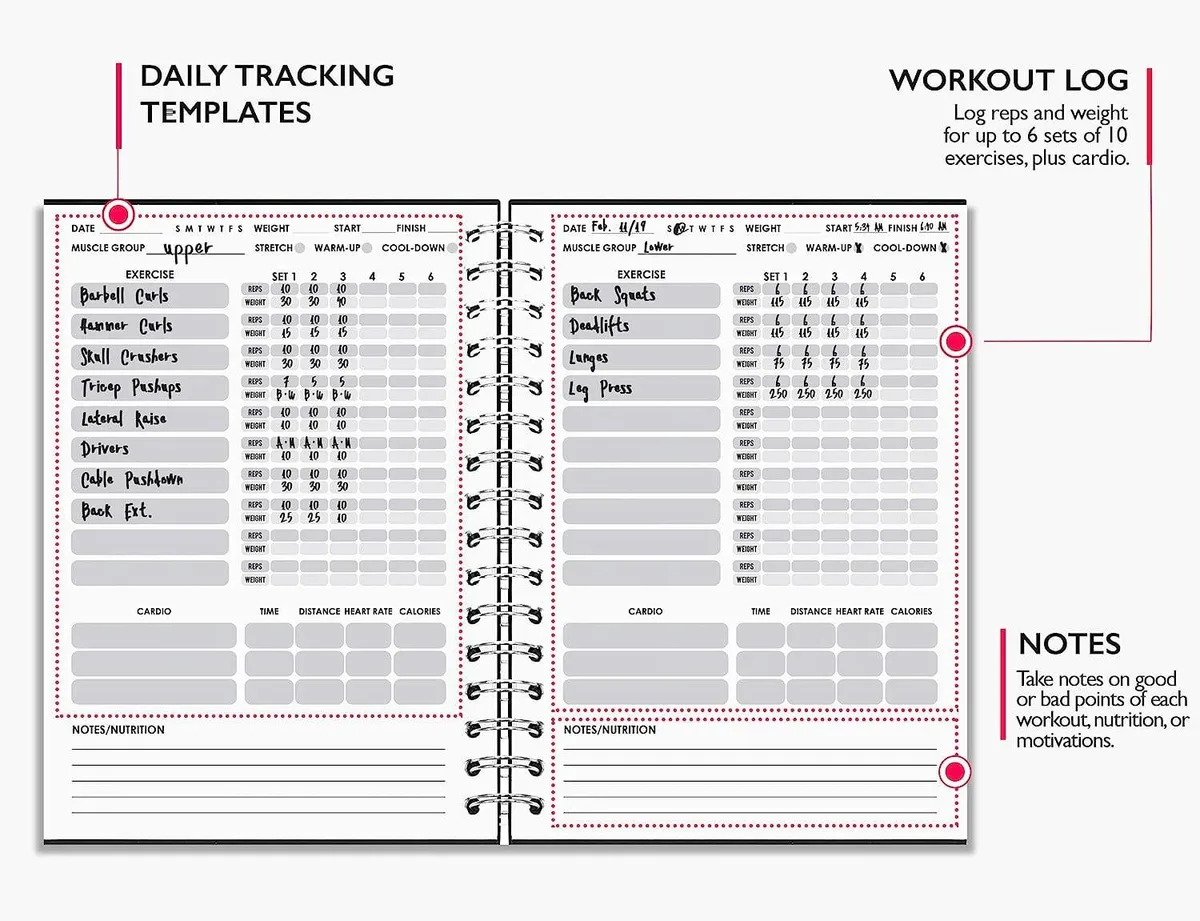
Image source: Web (Bing) / gosupps.com (Web image (fair-use with source credit))
Autoregulation is the art of adjusting your intensity based on how you feel that specific day. Life stressors like poor sleep or work pressure impact your recovery capacity. Using a system like RPE (Rate of Perceived Exertion) allows you to train hard when you feel good and pull back when you are drained.
- RPE 7: You feel like you could have done three more reps.
- RPE 8: You feel like you could have done two more reps.
- RPE 9: You feel like you could have done only one more rep.
- RPE 10: Total failure, no more reps possible with good form.
Targeting an RPE of 8 or 9 for your primary sets is usually the sweet spot for growth. It provides enough stimulus to trigger adaptations while keeping you away from technical failure that ruins recovery. Adjusting the weight on the bar based on your daily energy levels helps you maintain momentum without crashing.
Frequently Asked Questions
Can I build muscle without getting stronger?
Technically, you can see some hypertrophy through high-repetition volume, but strength and muscle growth are tightly linked. As your muscles increase in size, they possess the physiological potential to produce more force. Ignoring the need to increase the weight or difficulty over time will eventually cause your gains to plateau.
How often should I increase the weight?
There is no fixed schedule because everyone adapts at different speeds. Aim for a small, incremental increase once you can hit the top end of your rep range with perfect form. If you are doing three sets of eight, wait until you can do three sets of ten before increasing the load.
What should I do if my progress stops entirely?
First, ensure you are getting enough sleep and eating enough protein to support tissue repair. If your recovery is in order, consider taking a deload week where you reduce your volume by half. Sometimes, your body needs a short period of lower stress to supercompensate and return to the gym stronger.
Is progressive overload only for lifting weights?
While resistance training is the most common context, the principle applies to any activity that demands physical adaptation. You can apply this to bodyweight movements by changing the leverage or increasing the density of your work. The goal is always to present your body with a stimulus that is slightly beyond its comfort zone.
Does cardio work the same way?
Cardio follows a similar logic, but the variables differ from strength training. You increase your overload by adding distance, increasing intensity, or decreasing your completion time for a set route. Just like with weights, you must avoid overdoing it to ensure your cardiovascular system has time to recover.