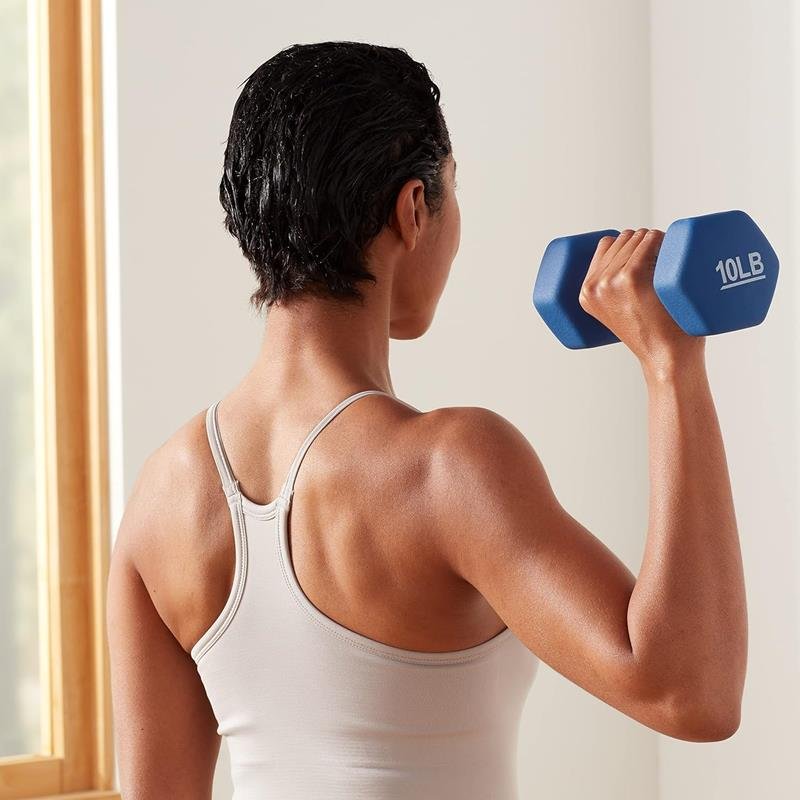
If you have been wondering about the core benefits of strength training, you are likely looking for a way to improve your physical resilience and long-term health. Resistance exercise, which involves working your muscles against an external force, is one of the most effective ways to slow age-related decline.
As of 2026, the Physical Activity Guidelines for Americans produced by the U.S. Department of Health and Human Services recommend at least two days of muscle-strengthening activity each week. This consistent stimulus helps you maintain metabolic health, skeletal integrity, and functional independence for years to come.
Today's Exclusive Deals
Limited-time Exclusive Deals. Check current discount on Amazon.
Check Price on Amazon As an Amazon Associate I earn from qualifying purchases.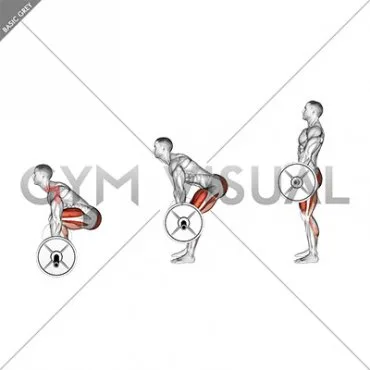
Quick Answer
Strength training increases bone density and preserves skeletal muscle mass. It improves your metabolic rate by increasing lean body tissue. You gain better balance, joint stability, and daily functional performance.
Regular resistance exercise also supports long-term mental health and cognitive function. It is a vital habit for healthy aging.
Why Strength Training Is Your Best Defense Against Aging
Strength training is the gold standard for maintaining independence as you get older. Sarcopenia, which is the natural, involuntary loss of skeletal muscle mass and strength, begins to accelerate after age 30. Resistance exercise acts as a direct counter-measure to this process.
By consistently challenging your muscles, you signal your body to retain, or even build, lean tissue. This isn't just about appearance. Maintaining a solid set of gear for your house allows you to keep your RMR, or resting metabolic rate, in a healthy range.
Beyond the muscles, your nervous system also adapts to heavy lifting. You'll notice improved proprioception, which is your body's ability to sense its position in space. This prevents falls and keeps your movements fluid as you navigate daily life.
Understanding the Physiology of Muscle Growth and Bone Density
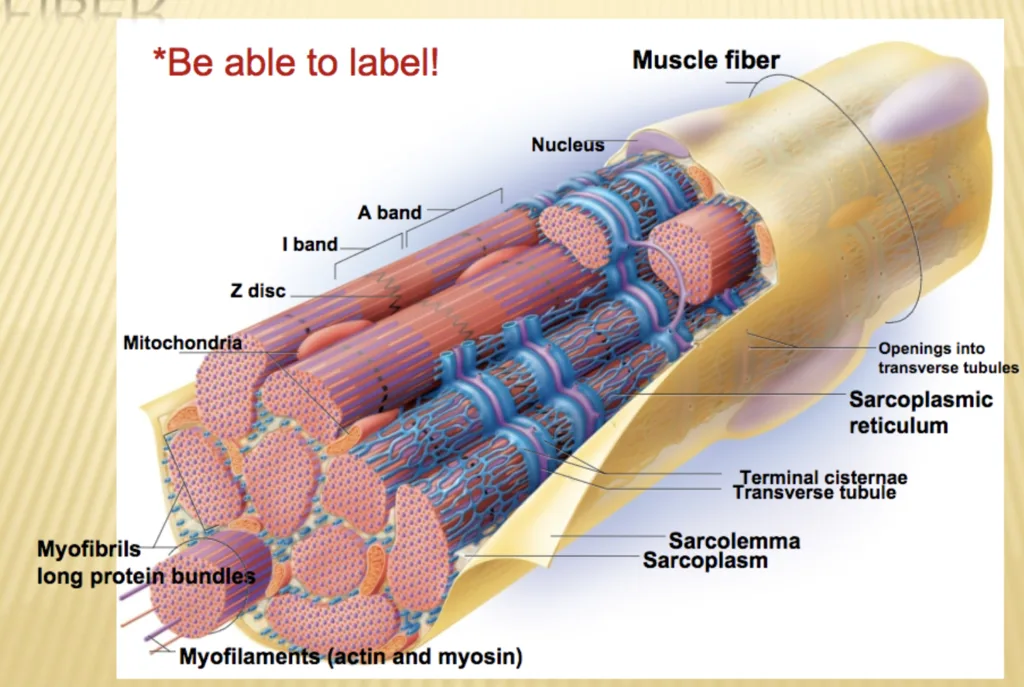
When you lift weights, you create microscopic tears in your muscle fibers. These aren't injuries in the negative sense. They are the catalyst for repair.
Your body responds by fusing these fibers together, creating myofibrillar hypertrophy, which increases the thickness of the muscle.
This process also triggers osteogenesis, the formation of new bone. Your skeletal system functions like a living tissue that reacts to mechanical loading. According to the National Institutes of Health, consistent weight-bearing stress is essential for stimulating bone-building cells called osteoblasts.
| Adaptation Type | Mechanism | Result |
|---|---|---|
| Muscular | Fiber repair and protein synthesis | Increased force and muscle size |
| Skeletal | Mechanical loading of bone matrix | Higher bone mineral density |
| Neurological | Improved motor unit recruitment | Increased strength and coordination |
If you are just starting out, using a starter kit for novices is an excellent way to learn the movement patterns safely. The goal here is to establish a foundation of movement quality before focusing heavily on the load.
Managing Risk: How to Lift Safely Without Professional Supervision
Safety is paramount when you are lifting on your own. Many beginners rush into heavy weights without mastering the movement pattern first. This often leads to unnecessary joint strain or form breakdown.
Always start with a general warm-up. Five to ten minutes of light movement increases blood flow to the muscles and primes your joints. If you are struggling to find the right equipment, researching a high-quality set for teen athletes can provide a manageable starting point with appropriate weight increments.
- Prioritize Range of Motion: Never sacrifice depth or control for a heavier weight.
- Use the RPE Scale: Rate of Perceived Exertion helps you gauge intensity. Keep your efforts at an 8 out of 10 for most sets.
- Focus on Symmetry: Ensure your left and right sides are working equally during unilateral movements.
If you ever feel sharp, stabbing pain that persists after you stop a set, that is a clear signal to stop. Dull, burning muscle fatigue is normal. Sharp joint pain is not.
The Crucial Role of Progressive Overload and Recovery
Progressive overload is the strategy of gradually increasing the difficulty of your training over time. If you lift the same amount of weight for the same number of reps forever, your body will eventually stop adapting.
You can progress by adding weight, increasing the number of repetitions, or decreasing your rest time. Many people find success using a comprehensive set for building muscle because it allows for easy incremental changes.

Recovery is where the actual growth occurs. You do not get stronger in the gym. You get stronger while you sleep and rest.
Aim for 7 to 9 hours of quality sleep to ensure your muscles have the time to synthesize protein and repair the tissues damaged during your session.
If you are short on space, finding compact gear for small rooms can help you stay consistent. Consistency is the primary factor in successful long-term outcomes.
Moving Beyond the Aesthetics: Functional Gains for Daily Life
Strength training transforms how you perform common tasks. The benefits are felt when you carry heavy grocery bags, move furniture, or play sports with your family. This is known as functional capacity.
A full-body kit for efficient training is often the best choice for people who want to see these functional gains quickly. Compound movements like squats, hinges, pushes, and pulls mimic the natural ways your body is designed to move.
- Improved Posture: Strengthening your back and core helps counteract the "slump" caused by sitting at desks.
- Easier Daily Chores: You will expend less energy during standard physical labor.
- Injury Resilience: Stronger connective tissues, such as tendons and ligaments, make you less prone to accidental strains.
By focusing on these practical outcomes rather than just the number on the scale, you stay motivated for the long haul. Building a body that can handle the physical demands of life is a significant advantage that lasts well into your later years.
Common Pitfalls: Why Most Beginners Hit a Plateau
A plateau happens when your body stops responding to the stimulus you are providing. It is the most common reason people quit, but it usually stems from a failure to adjust their training variables. If you’ve reached a point where your progress has stalled, you likely need to change the intensity or the volume of your workouts.
Many beginners make the mistake of using the same weight for the same number of repetitions indefinitely. Your muscles eventually adapt to this effort and stop breaking down in a way that requires significant repair. Using a specialized bar set for powerlifting can help you track precise weight increases, ensuring you are actually challenging your body each week.
- Failure to Track Progress: Without a logbook or app, you won’t know if you’ve actually improved your strength.
- Inadequate Nutrition: Muscle growth requires sufficient protein intake and enough calories to support the repair process.
- Lack of Periodization: If you train at maximum intensity every single day, your nervous system will eventually burn out.
- Poor Technique: As you get tired, your body often defaults to "cheating" the weight up, which takes the stress off the target muscle.
Check your rest intervals as well. If you are taking five minutes of rest between every single set, you might be losing the metabolic intensity needed for growth. Try keeping your rest periods consistent to maintain a steady heart rate and high-intensity effort.
Frequently Asked Questions About Resistance Training
How often should I train each muscle group to see results?
Most research suggests that hitting each major muscle group twice per week is ideal. This frequency balances the stimulus needed for growth with the rest required for tissue repair. You do not need to spend hours in the gym, but you do need to be consistent with your schedule.
Do I need expensive gym equipment to get strong?
You do not need a commercial gym membership to achieve significant results. Many people see excellent progress using a reliable barbell set for home because it allows for compound movements that work the entire body. Start with the basics and focus on mastering your form before you consider upgrading your gear.
What is the difference between strength and hypertrophy training?
Strength training usually involves lower repetitions and heavier weights to improve the efficiency of your central nervous system. Hypertrophy, or muscle growth training, typically uses moderate weights with higher repetition ranges to maximize metabolic stress. Both are beneficial and often overlap in a well-rounded routine.
Is it safe to lift heavy weights if I have joint pain?
You should consult a medical professional before starting if you have pre-existing joint issues. Often, strengthening the muscles around the joint provides more support and reduces pain. However, you must prioritize technical precision and avoid movements that cause sharp or radiating pain.
How do I know if I am lifting enough weight?
You should reach a point in every set where you feel that you could only do one or two more repetitions with perfect form. If you can easily complete your target reps without any fatigue, the weight is likely too light to trigger adaptation. Adjust your load upward by the smallest available increment.