It is common to confuse strength training vs resistance training because the fitness industry often uses these terms interchangeably. Resistance training describes the broad method of using external tension to challenge your muscles. Strength training is a specific goal within that framework focused on increasing force production.
As of 2026, the American College of Sports Medicine classifies resistance exercise as a critical component for health across all age groups. Understanding how these labels apply to your own routine helps you stay focused on your specific progress. We will explore how you can leverage these concepts to build a smarter, more effective workout plan.
Today's Exclusive Deals
Limited-time Exclusive Deals. Check current discount on Amazon.
Check Price on Amazon As an Amazon Associate I earn from qualifying purchases.Quick Answer
Resistance training uses external loads to challenge muscular function. Strength training is a specific goal to increase force output. You perform resistance training to reach strength training goals.
Most gym routines incorporate both categories simultaneously. You do not need to choose between these two approaches.
Why the Confusion Between Resistance and Strength Training Matters

Image source: Web (Bing) / stablediffusionweb.com (Web image (fair-use with source credit))
Many people feel overwhelmed when starting a fitness journey because they cannot distinguish between training methods and training goals. If you assume these are different types of workouts, you might accidentally limit your programming. You might think you can only do one or the other.
In reality, these terms overlap significantly. Resistance training is simply the how of your workout. It involves any movement where your muscles contract against an external force, such as gravity or elastic tension.
Whether you are lifting a heavy bar or using bodyweight, you are technically engaging in resistance training.
Strength training is the why of your workout. When you identify as a strength trainee, you are telling the world that your primary objective is to move heavier loads over time. If you ignore this distinction, you might wander through your sessions without a clear focus.
Knowing the difference helps you pick dependable iron for your garage setup with greater confidence.
Defining the Terms: It’s All Under the Same Umbrella
Resistance training acts as the broad category for all exercise that stresses the musculoskeletal system. The National Strength and Conditioning Association emphasizes that these movements trigger physical adaptations, such as increased bone density and improved hormonal profiles. Any time you pull against a cable or push against a dumbbell, you are placing your body under resistance.
Strength training sits inside this umbrella as a goal-oriented practice. It is not necessarily defined by the tool you use, but rather by the intensity and the intended outcome. If you are doing sets of 15 repetitions with a light weight, you are still performing resistance training.
However, that specific rep range is usually prioritized for muscular endurance rather than pure strength.
To shift your focus toward strength, you typically lower the repetitions and increase the weight. This forces your nervous system to recruit more motor units. You can start your journey with reliable steel without needing a complex label for your workout.
You are just applying the same resistance in a more calculated, intensive way.
Side-by-Side: Goals, Methods, and Outcomes
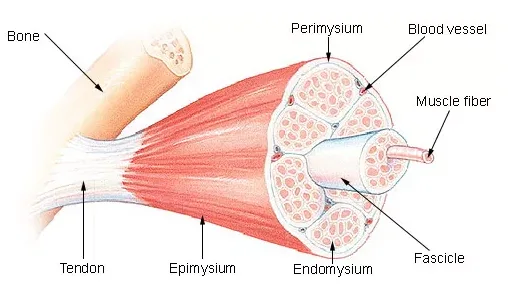
Image source: Bing (Web (fair-use with source credit))
Understanding the outcomes of each approach helps you align your effort with your daily life. While they share the same physical environment, they reward different habits. If you want to refine your physique, you might prioritize higher volumes.
If you want to lift more weight, you prioritize higher intensity.
| Feature | Resistance Training | Strength Training |
|---|---|---|
| Primary Focus | General health or physique | Increasing max force |
| Intensity Level | Low to moderate | High to maximal |
| Repetition Range | 8 to 20+ reps | 1 to 6 reps |
| Key Outcome | Metabolic or aesthetic | Neuromuscular adaptation |
Choosing your focus depends on what feels important to your current lifestyle. You might want to add size to your frame through moderate resistance. Conversely, you might enjoy the challenge of heavy lifting for power as your primary passion.
Choosing Your Path: Determining Your Training Priority
If you are a beginner, your best path is a balance of both concepts. You need the general health benefits of resistance training to build a foundation. At the same time, you need the incremental challenge of strength training to keep seeing results.
Many people find that versatile gear for total body moves provides the best of both worlds.
Ask yourself what you want to achieve in the next three months. If your goal is to lose body fat, you should prioritize consistent resistance training with a focus on form and recovery. If your goal is to move a specific amount of weight, you must structure your sessions around strength-focused rep ranges.
Consistency matters more than the specific label you put on your workout. Whether you choose compact gear for tight areas or a full gym setup, your muscles only respond to the stress you provide. Pick a program that you enjoy and that you can sustain for the long haul.
The Gold Standard: How to Implement Progressive Overload Safely
Image source: Web (Bing) / ar.inspiredpencil.com (Web image (fair-use with source credit))
Progressive overload is the most important concept in all resistance and strength training. It means you must gradually increase the difficulty of your workouts over time. If you lift the same weight for the same repetitions every single week, your body will eventually stop changing.
You must push your limits to force adaptation.
You can achieve overload through several variables besides just adding weight. You can perform more repetitions with the same weight, reduce your rest periods, or improve your lifting technique. When you look for durable sets for teens or new lifters, ensure the equipment allows for these micro-adjustments.
Safety is the absolute priority when applying this method. Always master the movement pattern before you add intensity. If your form breaks down, you are not getting stronger, you are just increasing your risk of injury.
Start light, track your logs, and make tiny adjustments to ensure you are moving forward without hitting a wall.
Common Mistakes That Stall Your Progress
You often hit a plateau because you overestimate how much your body can recover. If you push for a personal best in every session, you will eventually burn out. Training at maximum intensity requires significant rest for your central nervous system.
Many people also neglect their movement quality. They might add more weight to the bar, but their form deteriorates. Poor form limits the actual tension on the target muscle.
It also shifts the load onto joints and ligaments instead of the muscles you want to grow.
Another common error is failing to track your sessions. If you cannot remember what you lifted last week, you cannot ensure that you are actually improving. You must keep a simple logbook or a digital tracker.
Even a basic notebook works well to note your sets, repetitions, and the weight used.
Finally, do not fall into the trap of changing your program too often. Your body needs time to adapt to specific movement patterns. Stick with a structured routine for at least 8 to 12 weeks.
If you swap exercises every time you get bored, you lose the chance to master the mechanics and see real progress.
Frequently Asked Questions About Training Methods
How often should I work out to see results?
Most experts suggest at least 2 to 3 sessions per week to trigger consistent adaptations. You want to provide enough stimulus to force change without exceeding your ability to recover. Beginners often respond best to a full-body routine performed on alternating days.
This frequency allows you to practice your movements often while keeping rest days in the rotation.
Can I build muscle at home without heavy machines?
You can absolutely build muscle using simple, space-efficient equipment. Many athletes use basic free weights or bands to create enough tension for significant growth. The key is to select movements that allow for progressive challenge over time.
Provided you eat enough protein and recover well, your muscles will adapt regardless of the specific tool you hold in your hands.
What should I do if I feel joint pain?
Joint pain is often a signal that your technique needs adjustment or your volume is too high. Stop the specific exercise that causes the discomfort immediately. Review your movement cues or reduce the weight to focus on controlled motion.
If the pain persists, consult a physical therapist who can identify potential imbalances in your biomechanics. Never try to push through sharp or stabbing pain.
How do I know if I am lifting heavy enough?
You should choose a weight that makes your final repetitions difficult but manageable with good form. If you finish your set feeling like you could have done 5 more repetitions, the load is likely too light for strength gains. Aim for a level of exertion where you have only 1 to 2 repetitions left in reserve.
This zone maximizes your efforts while keeping your training safe.
Final Verdict: Why Your Results Depend on Consistency Over Labels
The choice between these methods is less about the terminology and more about your own commitment. Your body does not know if you label your day as resistance training or strength training. It only knows that you applied a specific load to your muscle fibers.
The results you want come from showing up and putting in the work consistently.
Prioritize a program that aligns with your lifestyle and your personal preferences. If you find a style of training you actually enjoy, you are far more likely to stick with it for years. That long-term adherence is the single biggest factor in any fitness journey.
The best equipment is simply the gear you use regularly.
Keep your movements sharp and your progression steady. Over time, these small, intentional steps build the foundation for your goals. Whether you focus on becoming stronger or just staying healthy, you are moving in the right direction.
Just keep your focus on the process, and the outcomes will naturally follow.