
Learning how to structure a cardio workout effectively turns a mindless slog into a purposeful training session. You don't need fancy equipment to see results, but you do need a clear plan to manage your effort and recovery.
Most people approach cardio with no specific intent, leading to uneven progress and early burnout. As of 2026, the CDC Physical Activity Guidelines recommend at least 150 minutes of moderate-intensity aerobic activity per week to maintain optimal heart health.

Today's Exclusive Deals
Limited-time Exclusive Deals. Check current discount on Amazon.
Check Price on Amazon As an Amazon Associate I earn from qualifying purchases.Quick Answer
Structure your cardio workout with three distinct phases. Begin with a five-minute dynamic warm-up. Follow with twenty to forty minutes of target-zone activity.
Finish with a five-minute low-intensity cool-down period. Match your intensity to your personal fitness goals. Always prioritize consistent movement over occasional extreme effort.
Why Most Cardio Workouts Miss the Mark
Most trainees enter the gym with a vague goal of burning calories, yet they fail to define the intensity required for their specific needs. They often oscillate between extreme sessions that leave them too sore to train and aimless steady work that offers little adaptation. This lack of structure leads to stalled progress and a high risk of injury.
Without a plan, you cannot track your improvements or adjust your volume to meet modern training standards. When you wing it, your body doesn't receive the consistent stimulus it needs to build endurance or metabolic efficiency. By defining your intent before you step on the machine, you create a path toward tangible results.

The Physiology of a Balanced Cardio Session
A well-structured session moves your body through three physiological states: transition, adaptation, and recovery. During the warm-up, you increase blood flow to the muscles and raise your internal core temperature. This prepares your connective tissues for the higher forces encountered during the main training phase.
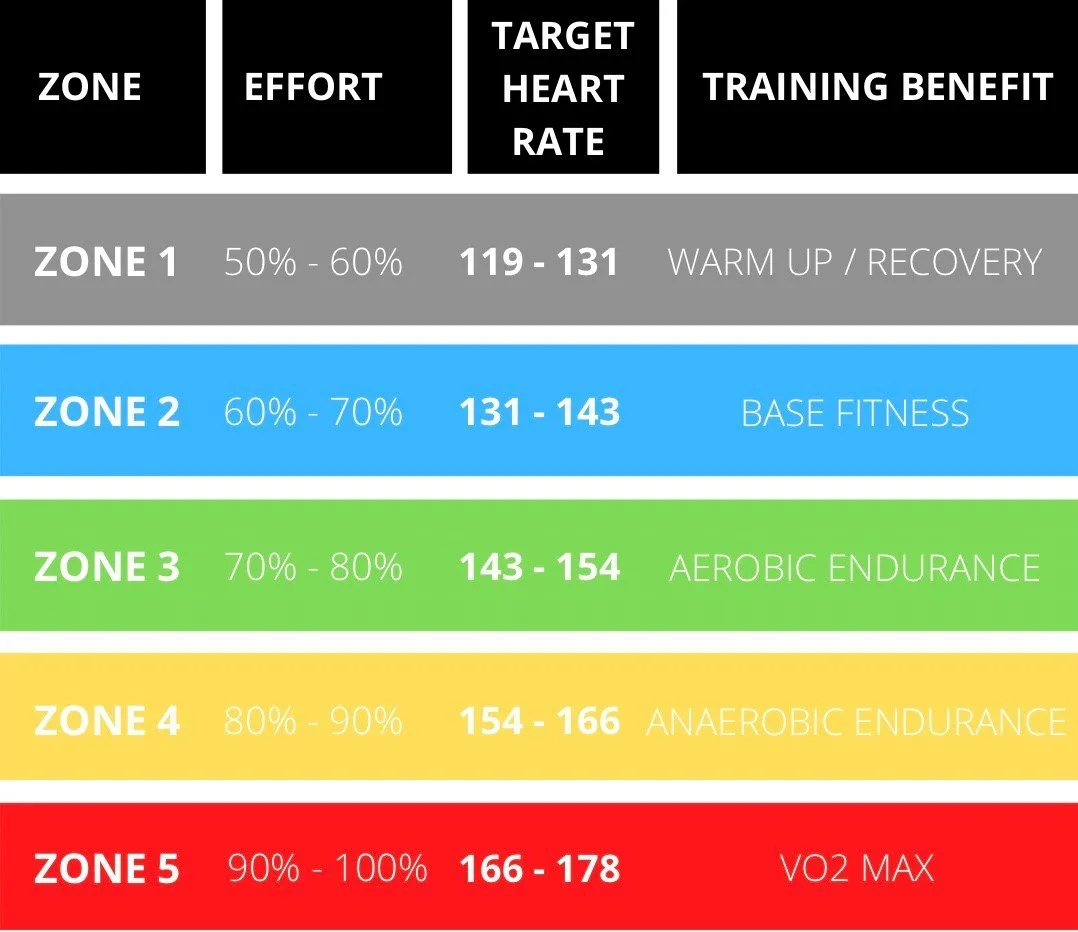
The main work phase is where you force your cardiovascular system to adapt to increased demand. By using heart rate as a guide, you ensure you are training in the correct energy system, whether that is aerobic base-building or anaerobic capacity. The final cool-down is not optional, as it facilitates a gradual return to resting heart rate and clears metabolic byproducts.
Choosing Your Training Path: Steady-State vs. Interval Work
Your chosen training path determines how your body stores and utilizes fuel throughout the week. Steady-state training involves maintaining a consistent, moderate pace for the duration of the workout. It is excellent for building an aerobic foundation without excessive nervous system fatigue.
Interval training, conversely, involves short, intense bursts of effort followed by periods of rest. This method increases your lactate threshold and improves cardiovascular efficiency in less time. If you use a versatile piece of equipment, you can easily toggle between these two modes to keep your routine engaging.

| Feature | Steady-State Training | Interval Training |
|---|---|---|
| Primary Goal | Endurance / Base | Speed / Power |
| Difficulty | Consistent / Moderate | Alternating / High |
| Best For | Longer sessions | Time-strapped days |
Step-by-Step Cardio Workout Structure
Start every session with dynamic mobility, such as leg swings or torso twists, to lubricate your joints. Move directly into your chosen main work, keeping your focus on maintaining the target heart rate intensity. If you are using a sturdy machine for heavy users, ensure your form remains stable as the intensity rises.
After you complete the primary work, drop your pace to a walk. Do not stop moving abruptly, as this can cause blood pooling in your legs. You might find that silent equipment makes this final stage more pleasant for your home environment.
Aim for at least 300 seconds of active recovery before finishing.
How to Progress Without Burning Out
Progression is the act of increasing the stress on your body, but you must apply it gradually to avoid injury. Use the "ten percent rule" as your guide for weekly volume increases. If you ran 10 miles this week, do not exceed 11 miles next week.
This steady approach keeps your joints healthy and your recovery protocols manageable.
Track your stats to ensure you are actually improving rather than just moving more. When you hit a plateau, consider swapping your primary cardio tool for another reliable option to challenge your body in a different plane of movement. Consistency is your greatest advantage, so prioritize a plan you can sustain for months rather than weeks.
Safety Protocols and Recognizing Your Limits
You must prioritize physiological safety to ensure long-term consistency in your training. Always start with a baseline assessment of your current health status before beginning a new regimen. If you experience chest pain, severe lightheadedness, or persistent joint discomfort, stop the session immediately and consult a medical professional.
Hydration plays a critical role in maintaining cardiovascular output during exercise. Aim to consume water before, during, and after your workout to compensate for fluid loss through sweat. Monitoring your exertion levels helps you recognize when to pull back, especially if you are returning from a break or increasing your intensity.
FAQs: Common Questions About Cardio Routine Structure
How long should a warm-up last?
Five to ten minutes is the standard duration for a proper warm-up. This timeframe allows your heart rate to increase gradually while preparing your muscles for movement. Never skip this, as it reduces the risk of strains and helps shift your nervous system into exercise mode.
How do I know if my intensity is correct?
Use the talk test to gauge your effort during your cardio sessions. You should be able to speak in short sentences during moderate work but struggle to speak at all during high-intensity intervals. Many modern devices offer biometric feedback if you prefer precise tracking over subjective feeling.
Can I do cardio every single day?
Frequent, low-intensity movement is generally safe for daily practice. However, high-intensity sessions require at least 48 hours of recovery to allow your muscles and nervous system to repair themselves. If you feel excessive fatigue or notice a drop in your performance, schedule a rest day immediately.
What should I do if I miss a scheduled workout?
Simply resume your normal plan during your next available session. Do not try to double your volume to make up for lost time, as this sudden spike in workload often triggers overuse injuries. Consistency over several months matters far more than perfection in a single week.
The Decision Guide: Choosing Your Next Workout Structure
Select your structure based on the time you have available today and your primary training goal. If you have less than 20 minutes, opt for a high-intensity interval structure to maximize calorie burn and aerobic conditioning. If you have 40 minutes or more, a steady-state approach is better for building your aerobic base.
Use the following logic to decide your daily path:
- If you are feeling tired or recovering from a heavy lifting session, choose low-intensity steady-state cardio.
- If you have limited time and high energy, perform a 1:1 work-to-rest interval session.
- If you are bored with your current routine, switch your equipment or change your interval timing.
Your structure should serve your lifestyle, not the other way around. Keep notes on what feels most effective, then adjust your weekly plan to lean into those preferences. This strategy keeps you motivated and ensures that your cardio training supports your overall fitness goals without becoming a chore.

