
Determining how much rest is needed after cardio is the single most important factor in your training consistency. If you push your heart rate too high, too often, without sufficient downtime, you won't build the stamina you’re looking for.
As of 2026, standard physiological guidelines from the American College of Sports Medicine emphasize that recovery periods are essential for tissue repair. Understanding these recovery windows allows you to maintain progress without burning out your central nervous system.

Today's Exclusive Deals
Limited-time Exclusive Deals. Check current discount on Amazon.
Check Price on Amazon As an Amazon Associate I earn from qualifying purchases.Quick Answer
Cardio recovery depends on your workout intensity. Easy, low-intensity movement requires little to no rest. Moderate steady-state cardio typically needs one day of recovery.
High-intensity interval training requires 48 to 72 hours. Your resting heart rate acts as your primary recovery indicator. Always prioritize quality sleep to accelerate your body's natural healing process.
The Reality of Recovery: Why Your Cardio Needs Downtime
Your fitness gains don’t actually happen while you’re running, cycling, or using a reliable machine to get your heart rate up. They occur during the recovery phase when your muscles repair the microscopic tears caused by physical stress. Without adequate rest, your body remains in a constant state of breakdown.
This isn’t just about feeling tired. Chronic under-recovery leads to overtraining syndrome, which can sideline your progress for weeks. If you’ve ever noticed your performance plateauing despite working harder, you’re likely ignoring the biological need for downtime.
Effective recovery helps balance your cortisol levels. When you consistently overreach, your body keeps these stress hormones elevated, which can make fat loss and muscle retention more difficult. Proper planning ensures every session counts toward your goals.

Image source: Bing (Web (fair-use with source credit))
Decoding Your Intensity: The Work-to-Rest Decision Tree
Not all cardio sessions exert the same load on your system. Using a high-quality treadmill or similar equipment, you can adjust your intensity to fit your current recovery capacity. Think of this as a decision tree based on your breath and exertion.
If you can hold a full conversation during your workout, your recovery time is negligible. You can often handle this type of routine aerobic maintenance daily because the metabolic demand remains low. This is your baseline aerobic zone.
If your workout is difficult to speak through, you’re pushing into moderate territory. This usually requires 24 hours of rest before another session of similar intensity. Pushing harder than this, such as with HIIT, requires longer recovery periods to clear metabolic waste products from your bloodstream.
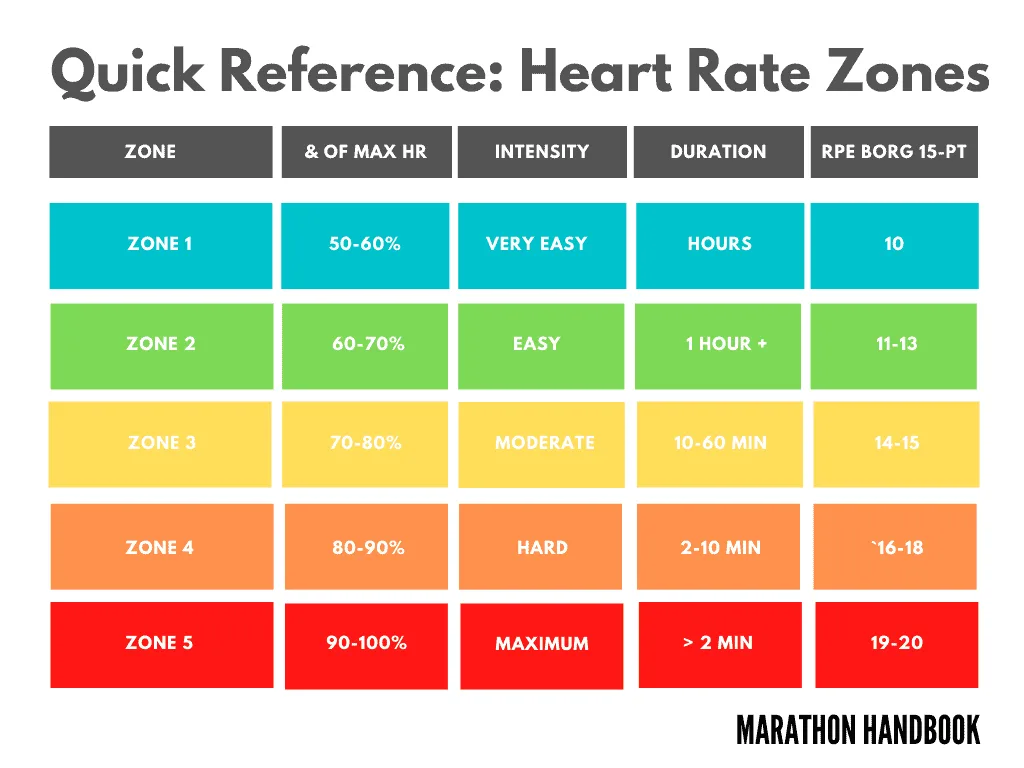
Image source: Bing (Web (fair-use with source credit))
How to Gauge Your Body’s Readiness Signals
You shouldn't rely solely on a calendar to determine when to exercise again. Your internal metrics are far more accurate. The most reliable tool at your disposal is your resting heart rate.
If your morning heart rate is consistently 5 to 10 beats per minute higher than your normal baseline, you haven't fully recovered. This is a clear signal that your nervous system is still processing the stress from your previous effort. Skipping a workout here isn't lazy, it's smart training.
Pay attention to your equipment setup and how your sleep quality fluctuates with your activity. If you find yourself waking up groggy or having trouble falling asleep, your body is likely struggling to manage systemic inflammation. These indicators are far more predictive of your success than following a rigid, pre-planned schedule.
Active Recovery vs. Total Rest: Choosing the Right Path
Choosing between passive and active rest is a major factor in your preventative maintenance plan. Passive rest means complete inactivity, which is often best after an exceptionally grueling high-intensity session. It allows your muscles and joints to fully offload the mechanical stress.
Active recovery involves light movement that keeps blood flowing without adding significant strain. A gentle walk on a walking pad at a very slow pace is often enough to speed up the removal of metabolic byproducts. It’s perfect for the day after a moderate endurance session.
| Rest Type | Ideal Scenario | Example Activity |
|---|---|---|
| Passive | Post-HIIT/Sprints | Complete couch rest |
| Active | Post-Moderate Cardio | Light walking/Yoga |
| Mixed | High-Volume Weeks | Stretching and mobility |

Image source: Web (Bing) / blog.nasm.org (Web image (fair-use with source credit))
Mistakes That Keep You From Adapting
One of the most common errors is treating every workout like a race. If you push at maximum intensity during every single session, you never allow your body to build the necessary cardiovascular capacity to improve. This creates a cycle of fatigue that kills progress.
Another mistake is ignoring early warning signs of injury. People often try to ensure proper mechanics by powering through joint pain, thinking it’s just part of the process. In reality, persistent joint pain requires an immediate halt to high-impact cardio until the inflammation subsides.
Don't neglect your nutrition or hydration in the recovery window. Your muscles need glucose and protein to rebuild properly. If you aren't fueling your recovery, you’ll find yourself needing more days off simply because your body lacks the building blocks to repair itself.
Long-Term Optimization: Building a Sustainable Cardio Routine
Sustainability requires a macro view of your weekly training volume. You should aim to alternate high-intensity efforts with lower-intensity sessions to prevent systemic overload. This prevents you from needing extended breaks that could derail your momentum.
Periodization, the practice of cycling through different intensity levels, keeps your heart and lungs adapting without reaching a breaking point. For instance, you might dedicate one week of every month to lower-volume work. This allows your connective tissues and nervous system to catch up to your cardiovascular gains.
If you struggle with consistency, a digital tracking machine can help you log your sessions and track your total weekly output. You'll want to review your progression every four weeks to see if your recovery time is shrinking. Being able to handle more work with less soreness is the ultimate proof that your recovery strategy is working.
Track your weekly hours of high-intensity work closely. Most people overreach because they add duration and intensity simultaneously. Increase one variable at a time by no more than ten percent per week.
This measured approach minimizes the risk of injury and keeps your heart rate manageable.
Frequently Asked Questions
Can I do cardio on my rest days?
You can perform low-intensity movement on your rest days to promote circulation. Avoid any session that raises your heart rate beyond a conversational pace. This type of movement should feel relaxing rather than demanding.
It should never leave you feeling physically drained or sore.
How does age affect my recovery time?
Recovery capacity tends to decrease slightly with age, meaning you may need more downtime between high-intensity sessions. Older adults should prioritize quality sleep and consistent mobility work to maintain joint health. Per guidelines for comfortable, safe fitness, you should listen to your body more closely as you get older.
Does diet change how much rest I need?
Your nutrition choices directly dictate how quickly your muscles repair after a workout. Consuming adequate protein and complex carbohydrates provides the essential building blocks for tissue recovery. Without proper caloric intake, your body will take significantly longer to clear fatigue.
You will likely feel sluggish and weak if you train in a heavy caloric deficit.
How do I know if I need a complete week off?
You likely need a full week of reduced volume if you feel persistent mental fatigue or a lack of motivation. When your performance metrics drop for three consecutive sessions, your nervous system is likely overextended. A deload week where you reduce your intensity by fifty percent can reset your system.
You will return to your training feeling refreshed and significantly stronger.
Is my smartwatch recovery score accurate?
Modern wearables provide a helpful estimate based on heart rate variability, but they aren't perfect. Use these scores as a general guideline rather than a strict law for your daily routine. Your own sense of physical readiness is always the most important indicator.
If you feel ready, you’re likely ready, regardless of what a device reports.

