Understanding what is aerobic exercise helps you move with purpose and protect your long-term heart health. It represents any rhythmic activity that engages large muscle groups for a sustained duration while your body uses oxygen to meet energy demands.
As of 2026, the Centers for Disease Control and Prevention recommends at least 150 minutes of moderate-intensity activity each week to support systemic health. By focusing on steady, rhythmic movement, you can build a more resilient cardiovascular system without requiring excessive effort.

Today's Exclusive Deals
Limited-time Exclusive Deals. Check current discount on Amazon.
Check Price on Amazon As an Amazon Associate I earn from qualifying purchases.Quick Answer
Aerobic exercise is any rhythmic movement using large muscle groups. It relies on oxygen to fuel sustained physical work. You maintain a heart rate that allows for steady breathing.
This practice strengthens your heart and improves lung efficiency. It is the foundation for cardiovascular endurance and metabolic health.

Image source: Web (Bing) / pngtree.com (Web image (fair-use with source credit))
Why Your Heart and Lungs Need Aerobic Movement
Your cardiovascular system functions like a high-performance logistics network that relies on consistent delivery. When you engage in aerobic movement, your heart beats faster to pump oxygenated blood toward working muscles. This cycle strengthens the heart muscle over time, allowing it to move more blood with less strain during daily tasks.
Beyond the heart, your lungs learn to process oxygen with greater efficiency. You’ll notice that everyday activities, like climbing stairs or carrying heavy loads, become noticeably easier as your cardiovascular endurance improves. This type of conditioning also supports better blood pressure regulation and enhanced circulation throughout your entire body.
When you prioritize consistent, moderate movement, you aren't just burning calories. You are actively optimizing how your body utilizes fuel and clears waste products from your bloodstream. It creates a cumulative effect that improves your stamina and reduces the risk of long-term health complications.
The Science Behind "With Oxygen": How Your Body Actually Works
Aerobic metabolism is the process where your cells use oxygen to break down glucose and fats into energy. This pathway provides a sustainable, long-term power source for your body. Unlike anaerobic energy, which is fast but fleeting, aerobic energy keeps you going for twenty minutes or more.
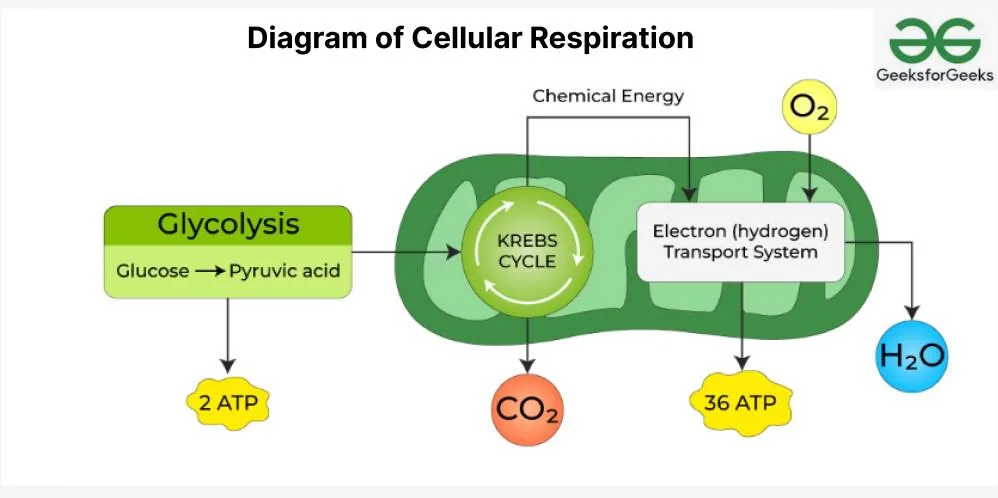
Image source: Web (Bing) / narodnatribuna.info (Web image (fair-use with source credit))
Your muscles contain mitochondria, which act as the engines that convert oxygen into cellular fuel. Regular aerobic training increases both the number and the efficiency of these mitochondria. This biological upgrade allows you to work harder for longer periods before feeling the onset of fatigue.
Your body adapts by creating new capillaries, which are tiny blood vessels that improve the exchange of oxygen between blood and muscle tissue. This physiological development is why consistent practice makes strenuous activity feel easier.
Aerobic vs. Anaerobic: Clearing Up the Confusion
The difference between these two states is defined by your body's ability to supply oxygen. Aerobic exercise occurs when your oxygen supply matches the metabolic demand of your muscles. This creates a balanced environment where you can sustain your output for an extended duration without hitting a wall.
| Feature | Aerobic Exercise | Anaerobic Exercise |
|---|---|---|
| Primary Fuel | Oxygen and stored fat | Stored glucose/glycogen |
| Intensity | Moderate/Sustainable | High/Short-term |
| Recovery | Faster recovery times | Longer recovery required |
| Typical Goal | Endurance and heart health | Power and speed gains |
Anaerobic exercise occurs when your body works so hard that it cannot keep up with oxygen delivery. Your cells switch to a temporary energy source that does not require oxygen, which creates byproducts that cause rapid fatigue. This is why you can only sprint for a short time before needing to stop.
If you are just beginning, a steady pace on a treadmill or bike helps you find your rhythm. It is usually best to avoid the anaerobic threshold during your early sessions. Focus instead on rhythmic motion that allows you to breathe steadily while you build your base.
Health Benefits: Why Consistency Outperforms Intensity
The most significant advantage of aerobic activity is systemic improvement. Consistent movement trains your heart to be a stronger pump, which leads to a lower resting heart rate over time. This makes your body more efficient, whether you are walking to your car or exercising.
Your mental health also benefits from this consistency. The release of endorphins during sustained movement provides a natural mood lift. Research shows that people who build a habit around moderate movement see better long-term results than those who train sporadically at high intensities.
| Benefit Category | Long-Term Impact |
|---|---|
| Cardiovascular | Reduced blood pressure and heart rate |
| Metabolic | Improved blood sugar management |
| Mental | Lower stress and anxiety levels |
| Physical | Increased stamina and muscle endurance |
Consistent training also helps with insulin sensitivity. This allows your cells to manage energy levels effectively, which is critical for long-term health. It is not about reaching peak intensity, but about keeping your systems moving on a regular schedule.
Designing Your Aerobic Routine: Safe Starting and Progression
Starting a new routine requires a focus on moderation to prevent burnout or injury. You should begin with movement that feels manageable, such as brisk walking or cycling. Maintaining your equipment and tracking your progress is easier when you don't overexert yourself in the first week.
If you are concerned about your baseline fitness, you may want to look into quiet, low-impact machines for your home. You should start with short sessions of 10 to 15 minutes, three times per week. Slowly increase your duration by a few minutes each session rather than jumping to an hour immediately.
- Warm-up: Dedicate five minutes to slow, rhythmic movement to prime your muscles.
- Target Pace: Aim for a speed where you could talk, but you couldn't sing a song.
- Cool-down: Spend five minutes gradually slowing down to prevent lightheadedness.
- Listen: If you feel sharp pain, stop immediately and rest.
Building a solid base takes time, so be patient with your progress. Consistency is the primary factor in aerobic development. By the time you reach your target fitness level, your body will naturally handle longer sessions with much greater ease.
Avoiding Common Training Pitfalls and Overtraining Risks
Many people sabotage their progress by increasing their training load too quickly. This usually manifests as extreme fatigue, lingering muscle soreness, or unexplained irritability. If you feel like your body is constantly running on empty, you have likely ignored your need for recovery.
The most frequent error is the "weekend warrior" syndrome where you do nothing all week and then attempt an intense two-hour session. This creates immense strain on your connective tissues and joints. It rarely yields cardiovascular improvements and often leads to injury.
Instead of pushing through pain, focus on gradual progression. If you feel persistent joint discomfort, troubleshoot your equipment settings and your movement posture. Adjust your intensity or take a full day off to allow your body to rebuild.
Your heart and muscles need rest periods as much as they need activity.
Expert Tips for Monitoring Intensity and Recovery
Accurate intensity monitoring prevents you from training too hard or too little. Relying on heart rate monitoring ensures you stay within your target aerobic zone. You can often find this feature on many home devices, helping you keep track of your effort during every session.

Image source: Web (Bing) / citizenside.com (Web image (fair-use with source credit))
Beyond electronic trackers, pay attention to physical cues. If you find yourself gasping for air, you are likely training in the anaerobic zone. Use the talk test to keep your intensity in check: if you can speak in full sentences, your heart rate is likely at an ideal aerobic level.
Recovery is a core part of the cycle. Proper hydration and adequate sleep are just as important as the time you spend moving. If you struggle with inconsistent performance, consider the right level of activity for your age and current fitness.
Consistency over the long term is the most reliable way to build your aerobic capacity.
Frequently Asked Questions About Aerobic Exercise
How often should I perform aerobic activity?
Most guidelines suggest 150 minutes of moderate activity per week. You can split this into thirty-minute sessions five days a week. If you are just starting, shorter ten-minute bouts are perfectly fine.
Consistency is more important than achieving one long, difficult session.
Can I do this at home?
Yes, many people find success using home equipment like treadmills or walking pads. Whether you prefer a quiet, low-profile machine or a more heavy-duty unit, the key is having a space where you can move freely. Your choice of equipment depends primarily on your available space and specific comfort needs.
Does walking count as aerobic exercise?
Brisk walking is one of the most effective forms of aerobic activity. It is low-impact and accessible for almost every fitness level. To get the best results, maintain a pace that raises your heart rate and makes you breathe slightly faster than normal.
When should I see a doctor?
Seek medical advice before starting if you have known heart conditions or chronic health issues. If you experience chest pain, dizziness, or unusual shortness of breath during movement, stop immediately. Always prioritize your safety over hitting specific fitness targets.
How do I measure my intensity without a heart rate monitor?
The RPE scale, or Rate of Perceived Exertion, is a simple, highly effective tool. On a scale of one to ten, you should aim for a four to six. This range reflects a pace where you feel challenged but remain in total control of your breathing.