
When back pain becomes a daily struggle, many people search for relief that doesn’t involve surgery or heavy medication. Inversion tables are one popular solution, and the Teeter FitSpine LX9 and Teeter FitSpine X3 are two standout models. Both promise spinal decompression and pain relief, but their designs, features, and user experiences are quite different. If you’re considering either, this article will help you make a clear, confident choice. We’ll look at the nine most important aspects side by side, using real data, practical insights, and examples that matter for your health and comfort.
Build Quality & Construction
The foundation of any inversion table is its build quality. Both the LX9 and X3 use high-grade steel frames, which means they are strong enough for regular use and can handle users up to 300 lbs. The LX9, however, is a step above. It uses thicker steel tubing, more robust welds, and a slightly heavier frame. This results in a sturdier feel, less wobble, and a longer lifespan. The X3 is no slouch—it’s solid and reliable—but the LX9 feels more premium and stable, especially for heavier users or those who plan to invert daily.

Today's Exclusive Deals
Limited-time Exclusive Deals. Check current discount on Amazon.
Check Price on Amazon As an Amazon Associate I earn from qualifying purchases.One detail beginners often miss: LX9’s high-end construction also affects its noise level. Users report quieter operation with the LX9, thanks to tighter joints and better materials. This makes the experience more relaxing and less distracting.
Another important point is the finish on both tables. The LX9 uses a scratch-resistant powder coating, which helps keep the frame looking new even after years of use. The X3 has a standard painted finish, which may show scuffs or chips over time.
This difference may seem minor at first, but for people planning to use the table daily, the LX9’s finish holds up better and makes cleaning easier.
Today's Exclusive Deals
Limited-time Exclusive Deals. Check current discount on Amazon.
Check Price on Amazon As an Amazon Associate I earn from qualifying purchases.Many users also mention the stability of the LX9 during full inversion. The heavier frame and broader base reduce movement or shifting. If you’re someone who feels nervous about hanging upside down, this extra stability gives peace of mind. In community forums, heavier users (over 220 lbs) often say the LX9 feels “like gym equipment” while the X3 feels more like “home equipment.
” This difference becomes more noticeable the more you use the table.
Comfort & Ergonomics
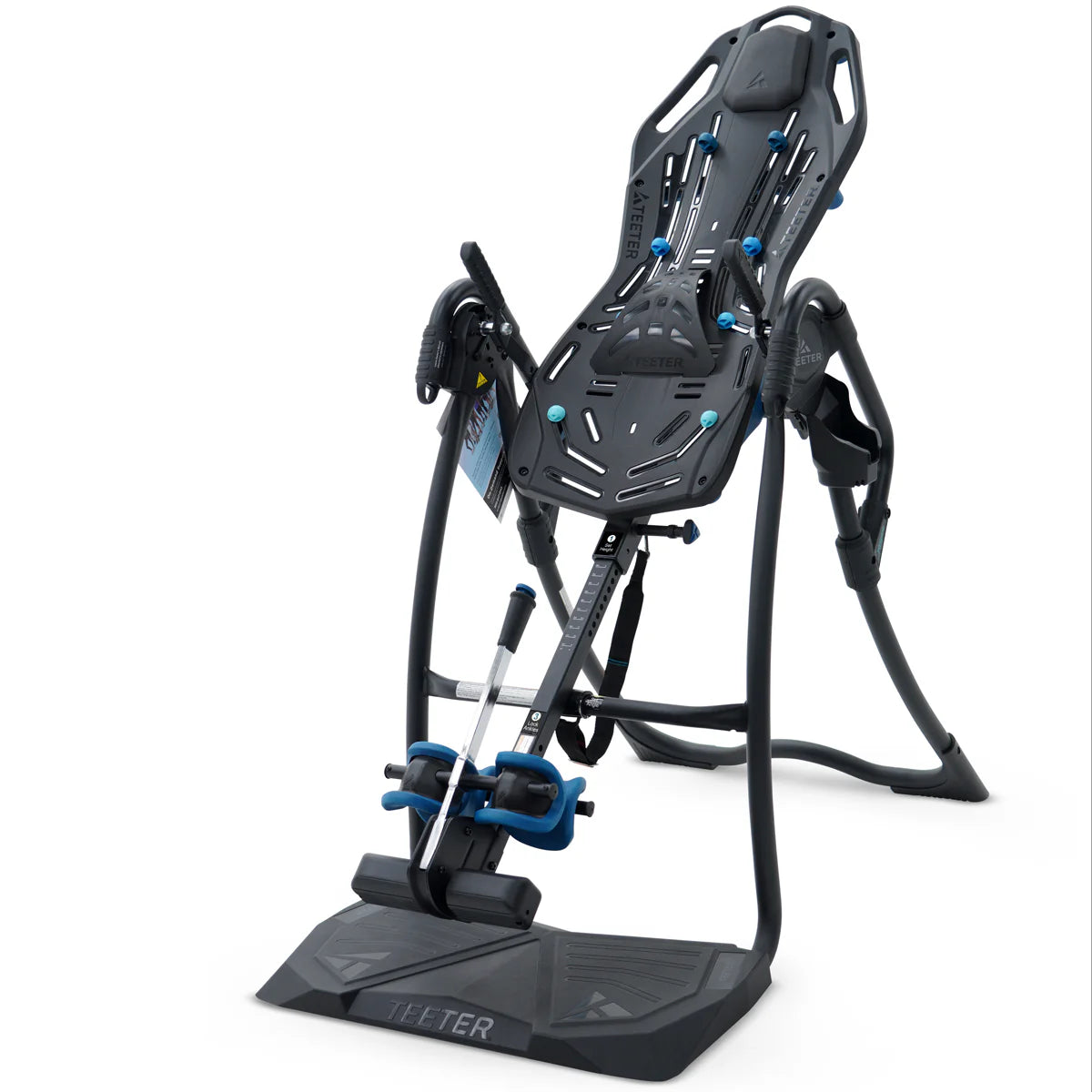
Comfort is crucial when you’re hanging upside down. The LX9 offers a Deluxe Ankle System, featuring extra padding and a wrap-around design. The X3 has comfortable ankle supports too, but they’re simpler and less cushioned. The LX9’s bed is contoured, flexes with your body, and provides a better fit for different shapes and sizes. The X3’s bed is also flexible, but the material is slightly firmer.
A practical difference: The LX9 includes a boarding platform with textured steps. This makes getting on and off easier, especially for seniors or those with mobility issues. The X3 lacks this feature, so you step directly onto the floor. For people with back pain, the extra step can make a big difference in feeling safe and secure.
Today's Exclusive Deals
Limited-time Exclusive Deals. Check current discount on Amazon.
Check Price on Amazon As an Amazon Associate I earn from qualifying purchases.Another comfort feature is the LX9’s 8-point floating suspension system. This system allows the bed to move more freely, adapting to your body and movements during inversion. This means less pressure on your back and more even support. The X3’s suspension is simpler, so you may notice more pressure points, especially if you have sensitive areas or past injuries.
It’s easy to overlook how important ankle comfort is during inversion. Many first-time users quit because the pressure on their ankles is too much. The LX9’s extra padding and ergonomic shape help spread the force more evenly, reducing pain or bruising during longer sessions.
Some users even say they can invert for twice as long on the LX9 compared to the X3 without discomfort.
For taller users, the LX9’s longer bed and wider surface help keep shoulders and hips from feeling cramped. The difference is small on paper but noticeable when you’re actually inverted. If you’re over 6 feet tall or have broad shoulders, the LX9 will likely feel more natural.
Adjustment & Customization
Every user is different, so easy adjustments are important. Both tables allow you to set your height, inversion angle, and ankle lock position. The LX9, however, offers more fine-tuned controls. Its EZ-Angle tether lets you quickly choose preset inversion angles (20°, 40°, 60°), while the X3 uses a basic strap for angle control. This means LX9 users can switch angles faster and more accurately.
Height adjustment is similar in both models, but the LX9’s mechanisms are smoother and require less effort. One insight that many overlook: The LX9’s adjustment levers are larger and easier to grip, which matters if you have arthritis or weak hands.
What many beginners don’t realize is how much these adjustments matter for consistent therapy. With the LX9, you can set a preferred angle and return to it every time, making it easier to track progress or share the table with family members.
The X3’s strap works, but it can slip or stretch over time, leading to small but important differences in angle—especially if you use the table daily.
Both models allow for ankle locking adjustments, but the LX9’s ratchet mechanism is more precise. This means you can find a setting that holds your ankles firmly but comfortably. For people with smaller or larger ankles, this customization prevents slippage and soreness.
Some users with limited mobility or hand strength report that the LX9’s larger controls are easier to manage, especially when adjusting while already on the table. This might sound like a small detail, but when you’re upside down, even simple tasks can feel challenging—so every bit of ergonomic design matters.
Safety Features
Safety is always a concern with inversion therapy. Both models are UL certified and tested for durability. The LX9 adds extra safety with auto-locking hinges, extended hand grips, and a soft-touch handle for easy return to upright. The X3 has basic safety features but fewer backup systems.
Below is a quick comparison of safety features:
| Feature | Teeter FitSpine LX9 | Teeter FitSpine X3 |
|---|---|---|
| UL Certification | Yes | Yes |
| Auto-Locking Hinges | Yes | No |
| Extended Hand Grips | Yes | No |
| Return Assist Handle | Yes | No |
| Ankle Lock System | Deluxe | Standard |
For beginners, the LX9’s extra safety handles can prevent falls or slips, especially when you feel dizzy or weak after inversion. The X3 is safe, but you must be more careful during use.
An often-missed detail: The LX9’s auto-locking hinges mean the bed can’t accidentally collapse or move when you’re getting on or off. This reduces the risk of mishaps, especially for children or older adults who might move more slowly or need extra time to get positioned. The extended hand grips are also a plus for performing gentle stretching or for those who need extra support while returning upright.
Assembly & Storage
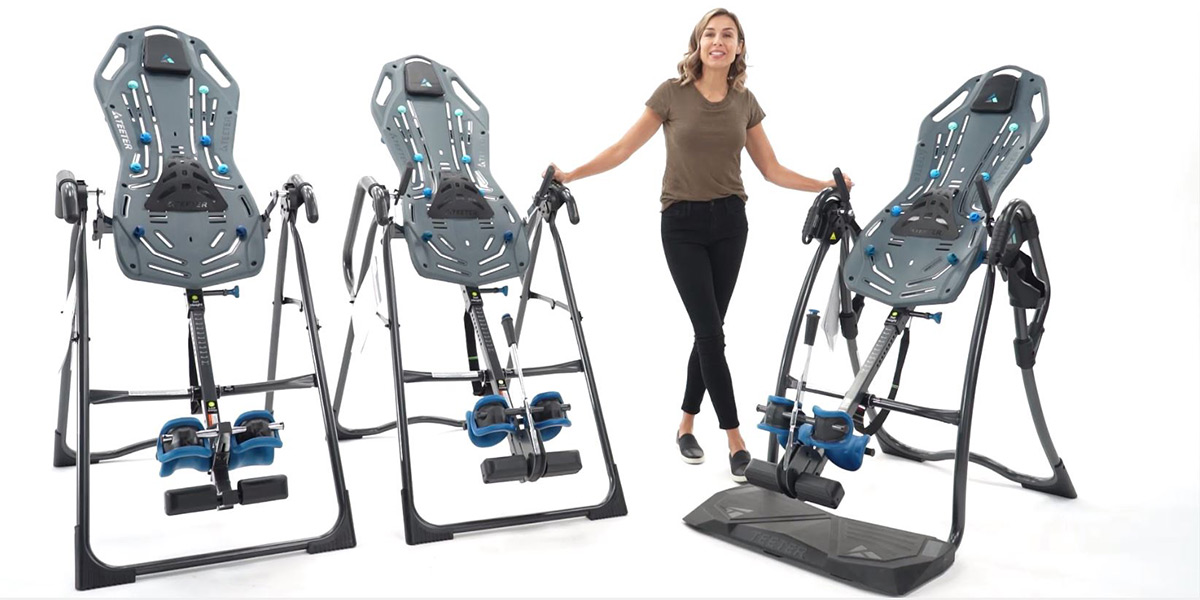
Assembly can be stressful, especially if you’re not handy. The LX9 comes mostly pre-assembled—about 85% is already put together in the box. The X3 requires more work, with multiple parts needing to be connected. This means the LX9 can be set up in about 30 minutes, while the X3 often takes an hour or more.
Storage is another consideration. Both models fold for storage, but the LX9’s design allows for easier folding and more compact storage. It also has transport wheels, so you can move it without lifting. The X3 folds up but is bulkier and heavier to move.
A common mistake: Not checking your available space before buying. The LX9 fits in smaller closets, while the X3 often needs a larger area.
Some people don’t realize just how heavy inversion tables are. The LX9 is about 73 lbs, and the X3 is slightly lighter. For people who need to move the table often, the LX9’s transport wheels make a real difference. You can roll it to another room or tuck it away after use, which helps keep your living space tidy.
Another practical point is the assembly instructions. The LX9 comes with a color manual and online videos, making the process less intimidating for first-timers. The X3’s instructions are clear, but assembly takes longer because more parts come disassembled. If you’re not comfortable with tools, it’s worth asking a friend or family member for help.
Therapeutic Features
Both tables support decompression therapy and help stretch your back, but the LX9 offers more specialized features. It comes with acupressure nodes and a lumbar bridge—these can be added to the bed for extra massage and lower back support. The X3 does not include these accessories, though you can buy them separately.
Another unique LX9 feature: the Stretch Max handles. These allow you to add advanced stretches while inverted. The X3 has basic handles, but they don’t support extra stretching techniques.
An insight many miss: The LX9’s accessories can be removed or adjusted to suit your needs, making it more versatile for different therapy goals. If you have specific back conditions, these add-ons can make your sessions more effective.
The acupressure nodes are especially helpful for people with muscle knots or tension. You can move them to different spots on the bed, targeting your pain points. Users often say this small feature makes a big difference in how relaxed their back feels after a session.
The lumbar bridge adds gentle support to your lower back, encouraging better alignment during inversion. People with lumbar pain or herniated discs find this feature helps maintain the correct curve in their spine while inverted, which can increase the benefits of therapy.
The Stretch Max handles let you perform additional stretches for the hips, glutes, and legs. This is great for athletes or anyone who wants to get more from each session. In contrast, the X3’s simpler handles are fine for basic inversion but don’t support advanced stretching.
User Experience & Reviews
User satisfaction is a strong indicator of product quality. The LX9 has an average rating of 4.8 out of 5 stars across major retailers, with most users praising its comfort and safety. The X3 scores 4.6 out of 5 stars, with positive comments about its value and reliability.
Some key differences in user feedback:
- LX9 owners mention less ankle discomfort and easier entry/exit.
- X3 users appreciate its simple setup and sturdy feel but note more discomfort during longer sessions.
- LX9 is preferred by seniors and those with severe back pain.
- X3 is favored by younger, active users who want basic inversion without extra features.
Here’s a summary of user ratings:
| Platform | LX9 Rating | X3 Rating |
|---|---|---|
| Amazon | 4.8/5 | 4.6/5 |
| Teeter Official | 4.7/5 | 4.5/5 |
| Consumer Reports | 92% | 88% |
One insight: Some beginners are surprised by the LX9’s ease of use, especially if they have never tried inversion therapy before.
Another point often mentioned by experienced users is durability. After one or two years of use, LX9 owners report less wear and tear, fewer squeaks, and continued smooth operation. X3 owners are satisfied too, but a few mention that straps or handles may loosen over time with heavy use.
A detail beginners may miss: The LX9’s popularity in physical therapy clinics and chiropractic offices. Professionals often choose the LX9 for patient use, which speaks to its reliability and comfort.
Price & Value
Price matters, but so does value. The LX9 is typically priced around $599-$649, while the X3 is more affordable at $349-$399. The LX9’s higher cost reflects its extra features, better materials, and accessories.
Is the LX9 worth the extra money? If you need more comfort, safety, and therapeutic options, yes. If you want basic inversion at a lower price, the X3 is a strong choice. Both offer 5-year warranties, so you are protected against defects.
A common mistake: Buying the cheapest model without considering your specific needs. For chronic pain or daily use, the LX9’s extras can actually save money over time by reducing the need for other treatments.
Some users find that the included accessories, like the lumbar bridge and acupressure nodes, would cost extra if bought separately for the X3. When you factor in these costs, the price gap becomes smaller. If you plan to use the table for years, the LX9’s better durability and comfort can mean fewer replacement parts or upgrades.
Another factor is resale value. The LX9 tends to hold its value better in the secondhand market because of its premium build and features. If you ever decide to upgrade or no longer need it, you may get more of your money back with the LX9.
Warranty & Customer Support
Both models offer a 5-year warranty on parts and frame. Teeter has a good reputation for customer service, but LX9 buyers report faster response times and more support options. The LX9 is also eligible for more replacement parts and upgrades.
Here’s a comparison of warranty and support:
| Feature | LX9 | X3 |
|---|---|---|
| Warranty Length | 5 Years | 5 Years |
| Customer Support | Priority | Standard |
| Replacement Parts | More Options | Basic Options |
| Upgrades | Available | Limited |
Many users don’t realize that LX9’s priority support can be very helpful if you have questions or need quick help. For beginners, this can make the whole experience smoother.
Teeter also provides online resources, including assembly videos, FAQs, and troubleshooting guides. LX9 buyers get access to a dedicated support line and sometimes even video support for setup. For people who are not comfortable with technical instructions, this can reduce frustration and save time.
If you ever need to replace a part, LX9 owners can order directly from Teeter, and parts are shipped quickly. X3 owners get support too, but some accessories or upgrades are only available for the LX9.
Which One Should You Choose?
Now that we’ve covered the nine key items, let’s focus on practical decision-making. If you want maximum comfort, safety, and flexibility, the Teeter FitSpine LX9 stands out. Its premium build, advanced features, and easy adjustments make it ideal for users with chronic pain, seniors, or anyone who wants a luxury experience.
If you prefer a more basic, affordable option and don’t need extra accessories, the Teeter FitSpine X3 is a reliable, sturdy table. It’s best for casual users, younger people, or those on a budget who still want effective inversion therapy.
It’s important to consider your own needs, space, and budget. Try to test both models in person if possible. Also, consult your doctor before starting inversion therapy, especially if you have medical conditions.
Another often-overlooked tip: Consider who else in your home may use the table. If you’ll share it with family members of different sizes or ages, the LX9’s adjustment range, safety features, and comfort will likely serve everyone better.
If you want more technical details or clinical research about inversion therapy’s benefits, you can check resources like Mayo Clinic.

Frequently Asked Questions
What Are The Main Differences Between The Lx9 And X3?
The LX9 offers more comfort features, advanced safety options, extra accessories, and easier adjustments. The X3 is simpler, more affordable, and has fewer customization options.
Is Inversion Therapy Safe For Everyone?
No, it’s not safe for people with certain conditions like high blood pressure, glaucoma, or heart disease. Always check with your doctor before using an inversion table.
Can I Assemble The Lx9 Or X3 By Myself?
Yes, both can be assembled by one person. The LX9 is easier and faster because most parts are pre-assembled. The X3 takes more time and effort, but clear instructions are provided.
How Often Should I Use An Inversion Table?
Start with 1–2 minutes daily, then gradually increase as your body adapts. Most users see benefits with 5–10 minutes per session, but listen to your body and consult your doctor.
Are Replacement Parts Easy To Find?
Yes, Teeter offers replacement parts for both models. LX9 buyers have access to a wider range of accessories and upgrades, and customer support is very responsive.
Choosing between the Teeter FitSpine LX9 and Teeter FitSpine X3 depends on your pain level, budget, and need for comfort and safety. Both are top-rated, but the LX9 is the clear winner for those who want the best experience. Take your time, compare your priorities, and make a choice that supports your health for years to come.

