
The search for relief from back pain often leads people to inversion therapy. This technique uses a special table to tilt your body upside down, aiming to reduce pressure on your spine. Two names stand out in this space: Teeter EP-560 and Teeter FitSpine X1. Both are popular inversion tables, but how do they compare? If you’re thinking about investing in one, knowing the details is crucial. Let’s dive deep into their features, compare their strengths, and help you decide which fits your needs.
Understanding Inversion Therapy
Inversion therapy is simple. You lay on a table that tilts backward, raising your feet above your head. This position helps stretch the spine and may ease pain caused by compressed discs or muscle tension. When you hang upside down, gravity helps to gently pull apart each vertebra.

Today's Exclusive Deals
Limited-time Exclusive Deals. Check current discount on Amazon.
Check Price on Amazon As an Amazon Associate I earn from qualifying purchases.This can create more space between the discs, which sometimes relieves pressure on nerves and reduces inflammation. Some people notice a gentle “popping” or stretching sensation, similar to what you might feel during yoga.
Many doctors recommend inversion therapy for people with chronic back pain, sciatica, or poor posture. It’s also sometimes suggested for those with herniated discs or muscle spasms. However, it’s important to use a safe, well-designed table to avoid injury. Cheap or unstable tables can shift unexpectedly, which may actually make back problems worse.
Always check that the table has quality safety features and is built to hold your weight and height.
One extra benefit that many beginners overlook is that inversion therapy can also help with stress relief and relaxation. When you are inverted, blood flow to your head increases. This can create a calming effect and help you unwind, especially if you practice slow, deep breathing during each session.
Teeter Brand Overview
Teeter is a well-known brand in the world of inversion tables. They focus on safety, durability, and comfort. Their products are FDA registered and meet strict guidelines for home use. Teeter tables are tested to hold more than their rated capacity, and the company has decades of experience in the industry. Many users praise Teeter for its easy-to-use systems and reliable build quality.
Another reason Teeter stands out is their commitment to ongoing support. They offer detailed manuals, video tutorials, and access to customer service. The brand’s reputation means that spare parts and upgrades are easy to find, even for older models. Some users have shared that they’ve used their Teeter tables for over a decade with only minor maintenance needed.
A small but important point: Teeter uses medical-grade materials in areas that touch your skin, like the ankle supports and handles. This reduces the risk of allergic reactions or skin irritation, which can be a concern with cheaper brands.
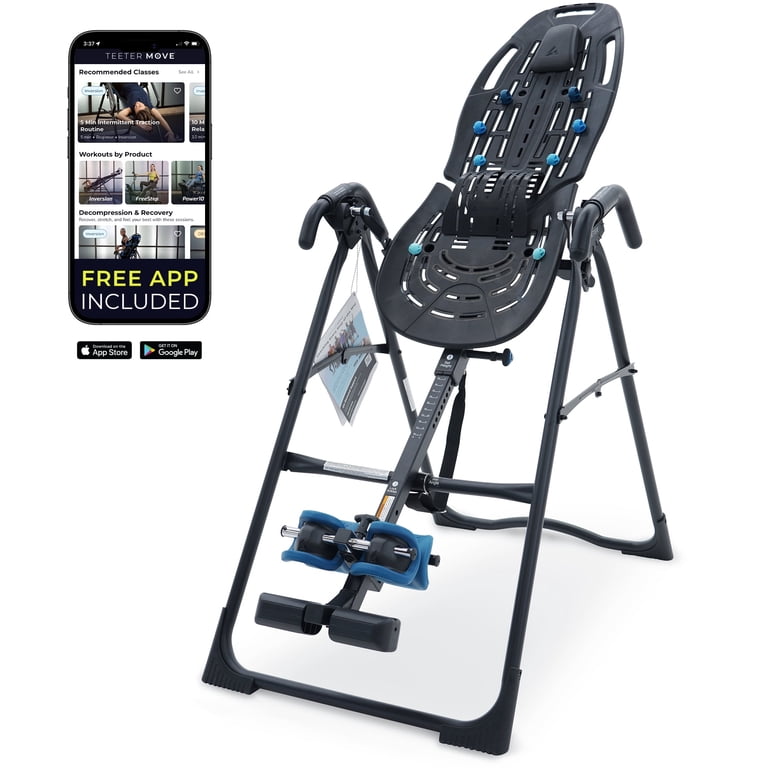
Comparing Teeter Ep-560 And Fitspine X1
Let’s look at what makes each model special.
Build And Materials
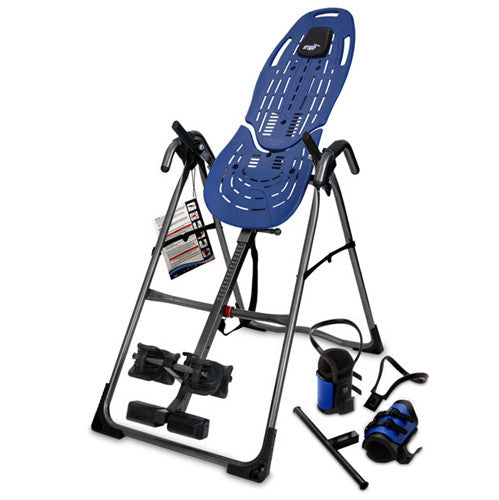
Teeter EP-560 uses heavy-duty steel. The frame feels sturdy and can support users up to 300 lbs. The backrest is made of tough, flexible plastic that contours to your body. This helps provide a firm but gentle support, and the smooth surface makes it easy to clean.
FitSpine X1 has a similar steel frame but features a more advanced FlexTech bed. This bed is designed to move with your spine, allowing greater comfort and range of motion. The FlexTech material is not only flexible, but also has small openings to improve airflow, which keeps you cooler during longer sessions. The X1 also supports up to 300 lbs.
An extra detail: Both tables use high-quality welds and thick steel, but the FitSpine X1’s bed is considered more “dynamic,” meaning it adapts to your movements more easily. This is especially useful if you plan to use the table for exercises or dynamic stretches.
Safety Features
Safety is a top concern. Both tables include auto-locking hinges, robust straps, and safety-certified materials. The EP-560 comes with extra-long side handles for easy control during inversion. These handles give you stability as you tilt back or return upright, and they’re textured to prevent slipping.
The FitSpine X1 uses the same handles but adds a patented “FlexTech” system to reduce pinching and friction. This makes it less likely that your clothes or skin will catch on the table. The FlexTech system also helps ensure the bed moves smoothly as you shift your weight, which reduces sudden jerks or stops. Both tables come with adjustable tether straps, so you can set a maximum inversion angle for extra safety.
A non-obvious but important safety feature is the table’s balance point. Both models are designed so you can control the tilt with minimal effort—just move your arms up or down. This balance point makes it easy to return upright even for users with limited strength.
Adjustment And Customization
The EP-560 offers adjustable height settings for users between 4’8” and 6’6”. The ankle locking system is basic but comfortable. It uses foam-cushioned cups that hold your ankles firmly but gently. The table rotates smoothly and locks at any angle you choose, using a simple pin system.
The FitSpine X1 also fits users from 4’8” to 6’6”. Its ankle system is slightly more advanced, with a spring-loaded mechanism for quick release. This can be a big advantage if you have arthritis or find it hard to bend down. The FlexTech bed’s flexibility lets you stretch more deeply, and the table locks in place at different angles for targeted therapy.
Both tables allow you to adjust the balance by moving the center of gravity. If you’re taller or heavier in certain areas, this adjustment helps you achieve a smoother inversion. Beginners often miss this step, but it can make a big difference in comfort and ease of use.
Assembly And Storage
Both tables arrive mostly assembled. The EP-560 requires minimal setup—most users finish in under 30 minutes. The main steps are unfolding the frame, attaching the backrest, and installing the ankle system. If you’ve ever put together flat-pack furniture, you’ll find this process straightforward.
It folds for storage and fits in most closets. The folded size is slim enough to slide behind a door or under a bed, although you’ll need enough space to stand it upright. Some users keep their table in a corner, ready for daily use.
The FitSpine X1 also assembles quickly. Its folding design is similar, and it includes a clip to keep it securely closed. The X1’s FlexTech bed is slightly lighter, making it a bit easier to move when folded. Both models have wheels on the base, so you can roll them short distances rather than lifting.
A tip: If you plan to use your table daily, consider leaving it partially set up. This saves time and encourages regular use.
Accessories And Extra Features
The EP-560 comes with acupressure nodes and a lumbar bridge. These are removable attachments that target sore spots and support your lower back. The acupressure nodes can be moved to different positions to match your pain points. The lumbar bridge is helpful for people with lower back pain, as it adds extra support and stretches the lumbar area more deeply.
The FitSpine X1 offers the same accessories, but its bed makes them easier to use. The nodes snap in place, and the lumbar bridge slides smoothly to adjust support. With the FlexTech bed, the accessories stay more securely in place during movement, which can be helpful if you shift a lot while inverted.
Both tables are compatible with Teeter’s additional accessories, such as vibration cushions or instructional DVDs. These extras can help you get more from your sessions, especially if you’re new to inversion therapy.
Performance In Daily Use
Comfort
Users often mention the comfort of both tables. The EP-560 provides stable, gentle support. The surface is smooth, and the ankle cups are padded enough for short to medium-length sessions. For most people, this is enough for basic stretching and pain relief.
The FitSpine X1’s flexible bed lets you move more freely, which some people find more comfortable, especially during longer sessions. The airflow design keeps you cooler, and the advanced ankle locking system reduces pressure on the tops of your feet.
Some users with sensitive ankles prefer to wear light shoes or thick socks for extra padding. If you have larger ankles or specific pain points, the X1’s spring-loaded system is a bit easier to adjust for a perfect fit.
Durability
Both models are built to last. The steel frames resist rust and wear. Plastic parts are tough and don’t crack easily. Even after years of use, many users report their Teeter tables work as well as the day they were bought.
Teeter’s warranty covers defects for up to five years. The company is also known to replace worn parts quickly, sometimes even after the warranty expires. It’s rare to find reports of broken frames or failed moving parts with these models.
A small maintenance tip: Occasionally check the bolts and moving parts for tightness. This helps keep the table operating smoothly and quietly.
Ease Of Use
For beginners, the EP-560 is slightly easier. Its controls are simple, and the ankle system works smoothly. The basic design means there’s less to learn, so you can start using it right away.
The FitSpine X1’s advanced features take a bit more practice but pay off in flexibility. Once you get used to the quick-release ankle system and the more dynamic bed, many users find it easier to get into the perfect position for deep stretching.
A helpful hint: Try practicing inversion with a partner for the first few sessions, especially if you’re nervous. Having someone nearby increases confidence and safety.
Real User Experiences
Many buyers report reduced back pain after regular use. Some feel relief after just a few sessions. Others notice improved posture and less muscle tension. A few users mention dizziness or discomfort, usually when they invert too quickly or don’t adjust the table properly.
For example, a user with chronic sciatica shared that using the table for just three minutes after work helped them avoid pain medication several times a week. Another user mentioned that incorporating inversion therapy into their stretching routine after jogging led to less stiffness the next day.
Non-obvious insight: Some users find that using inversion tables after exercise or before sleep leads to faster recovery and deeper relaxation. The gentle decompression not only soothes the back but can also calm the mind, making it easier to sleep well.
Another insight: People with desk jobs report less lower back fatigue and even better concentration after regular short inversion sessions during work breaks.
Data Table: Key Features Comparison
Here’s a clear side-by-side look at the main specs.
| Feature | Teeter EP-560 | FitSpine X1 |
|---|---|---|
| Frame Material | Steel | Steel |
| Backrest | Flexible plastic | FlexTech bed |
| User Height Range | 4’8″ to 6’6″ | 4’8″ to 6’6″ |
| Weight Capacity | 300 lbs | 300 lbs |
| Ankle Locking | Basic comfort system | Spring-loaded quick release |
| Accessories | Acupressure nodes, lumbar bridge | Acupressure nodes, lumbar bridge |
| Warranty | 5 years | 5 years |
| Foldable | Yes | Yes |
Price And Value
The EP-560 usually costs less than the FitSpine X1. Prices change, but EP-560 is often around $350, while FitSpine X1 is closer to $400. Both tables offer good value for their quality. Some buyers prefer the cheaper EP-560 for basic use. Others choose the X1 for more advanced features.
When comparing value, consider how often you plan to use the table and which features matter most. If you want a no-frills, reliable table, the EP-560 gives you solid performance for less money. If ankle comfort, dynamic stretching, or quick adjustments are important, the X1’s extra cost may be worth it.
Non-obvious insight: Sometimes, retailers offer bundle deals. You may get extra accessories or extended warranties if you buy directly from Teeter or select stores. Watch for seasonal promotions or special financing options, which can make the higher-priced model more affordable.
Another value tip: If you have a flexible health spending account (FSA) or health savings account (HSA), check if you can use those funds for a Teeter inversion table, as some plans allow this for FDA-registered devices.
Who Should Choose Ep-560?
The EP-560 suits people who want a reliable, simple inversion table. It’s ideal for beginners or anyone wanting straightforward back pain relief. The basic ankle system is comfortable but may not suit those with sensitive ankles.
If you want a table that is easy to set up, use, and store, the EP-560 meets all those needs. It’s also a good choice for families who want a shared table, as the adjustment system is quick and simple.
Who Should Choose Fitspine X1?
The FitSpine X1 is for users who want more flexibility and advanced features. Its bed moves with your spine, which can help with deeper stretches. The quick-release ankle system is good for people with arthritis or joint pain.
This model fits users who plan to invert more often, or for longer sessions. If you want to add stretching or movement exercises to your therapy, the X1’s dynamic bed is an advantage. It’s also helpful if more than one person in your household needs the table—its adjustments are fast and easy to customize.
Common Mistakes And How To Avoid Them
- Not adjusting height: Always set the height to match your body. Incorrect height can cause instability. Double-check before your first use.
- Fast inversion: Go slowly. Moving too quickly can make you dizzy or uncomfortable. Use your arms to control speed.
- Ignoring ankle fit: Make sure the ankle locking system is snug but not tight. Loose fit may cause slipping. If you feel pressure or pain, stop and adjust.
- Skipping safety checks: Check all locks and straps before each session. This prevents accidental falls or shifting during use.
- Overusing accessories: Start with basic use. Add acupressure nodes or lumbar bridge after you’re comfortable. Too many changes at once can make it hard to know what’s helping.
Another common mistake: Forgetting to breathe slowly and evenly while inverted. Deep, steady breaths help your muscles relax and make the session more effective.
Data Table: User Ratings
Here’s a summary of user ratings from several sources.
| Model | Amazon Rating | Ease of Use | Comfort | Durability |
|---|---|---|---|---|
| EP-560 | 4.7/5 | High | Good | Excellent |
| FitSpine X1 | 4.8/5 | Medium | Excellent | Excellent |
Practical Tips For Safe Use
- Start with short sessions (1–2 minutes). Increase time slowly as your body adjusts.
- Wear socks or soft shoes for ankle comfort. Avoid bare feet to reduce pressure.
- Keep the table away from walls for easy movement. At least two feet of space is ideal.
- Use slow, controlled motions when tilting. Sudden shifts can cause discomfort or dizziness.
- Stay hydrated before and after therapy. Gentle stretching can affect circulation.
- Listen to your body—stop if you feel pain or dizziness.
- If you have long hair, tie it back to avoid tangling in the table’s hinges.
- Keep pets and small children away from the table during use.
A helpful habit: Write down how you feel after each session. This helps track progress and spot patterns in what works best for you.

Warranty And Customer Service
Teeter offers a five-year warranty on both models. This covers defects in materials and workmanship. Customer service is responsive and helps with troubleshooting, parts, and advice. Many users appreciate Teeter’s support, especially when assembling or learning to use the table.
Some users report that Teeter even provides replacement parts for minor wear and tear, like foam ankle pads or handles, sometimes beyond the official warranty period. This level of support is rare and helps explain the brand’s loyal following.
Comparing Assembly Steps
Here’s a quick comparison of assembly for both tables.
| Step | EP-560 | FitSpine X1 |
|---|---|---|
| Frame Setup | Attach legs, unfold | Attach legs, unfold |
| Backrest | Snap in place | Snap in place |
| Ankle System | Manual install | Spring-loaded install |
| Accessories | Clip on nodes, bridge | Clip on nodes, bridge |
| Final Check | Lock straps, test | Lock straps, test |
Long-term Benefits
Regular use of inversion tables can help reduce back pain, improve flexibility, and support posture. Some studies show that inversion therapy lowers the need for pain medications. It can also boost circulation and relieve stress.
Long-term users often find that they can return to activities they once avoided, such as gardening, walking, or even gentle sports. Some people report that regular inversion makes their back feel “looser” and more mobile, which reduces the chance of future injuries.
Another benefit: Inversion therapy can help with general joint health. The decompression effect may improve blood flow to cartilage, which is important for healing and maintaining healthy joints.
If you’re considering more research on inversion therapy, you can visit the Wikipedia page on inversion therapy.
Frequently Asked Questions
Is Inversion Therapy Safe For Everyone?
Not everyone should use inversion tables. People with high blood pressure, glaucoma, or heart conditions should ask their doctor first. Pregnant women and those with severe joint problems should avoid inversion therapy.
Also, if you have a history of retinal detachment, stroke, or bone fractures, consult your doctor before starting inversion therapy. Safety should always come first.
How Often Should I Use My Inversion Table?
Most experts recommend starting with 2–3 sessions per week. Each session should last 1–5 minutes. As you get comfortable, you can increase the frequency and duration. Always listen to your body.
If you feel sore or tired after a session, take a break for a day or two. Consistency is more important than long sessions.
Can Children Use Teeter Inversion Tables?
Teeter tables are designed for adults. Children should not use them without medical guidance and supervision. The tables are sized for people over 4’8”.
If a doctor recommends inversion for a child, always supervise closely and use the lowest inversion angle.
What Is The Difference Between Ep-560 And Fitspine X1?
The main differences are the backrest design and ankle locking system. The FitSpine X1 has a flexible bed and quick-release ankles, while the EP-560 uses basic systems. Both offer similar safety and accessories.
Do Teeter Tables Help With Sciatica?
Many users report relief from sciatica after using inversion tables. The stretching motion can reduce nerve pressure. However, results vary, and it’s best to consult a doctor for severe cases.
Final Thoughts
Choosing between the Teeter EP-560 and FitSpine X1 depends on your needs. The EP-560 is reliable, simple, and affordable. The FitSpine X1 offers more flexibility and advanced features, but costs a bit more. Both are sturdy, safe, and trusted for back pain relief. If you’re new to inversion therapy, start slow and follow safety tips. With consistent use, you may notice improved comfort, posture, and well-being.
Investing in the right inversion table can make a real difference in your quality of life. Consider your unique needs, try to test the models if possible, and don’t rush your decision. With care and regular use, both tables can become valuable tools in your journey toward a healthier back.

