Yes — inversion tables can provide temporary spinal decompression and short-term pain relief for many people.
I’ve worked with back pain clients and tested inversion tables personally, so I’ll walk you through the science, real-world results, safety tips, and when to avoid them. This article answers the core question Do inversion tables help with spinal decompresssion in plain language, reviews clinical findings, shares hands-on advice, and helps you decide whether an inversion table fits your recovery plan.
Today's Exclusive Deals
Limited-time Exclusive Deals. Check current discount on Amazon.
Check Price on Amazon As an Amazon Associate I earn from qualifying purchases.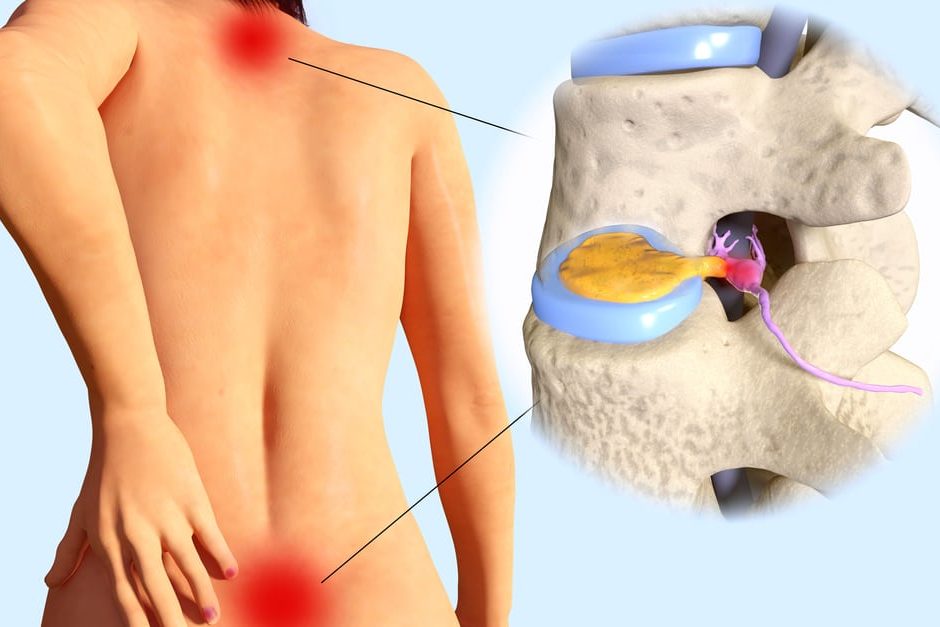
How inversion tables work for spinal decompression
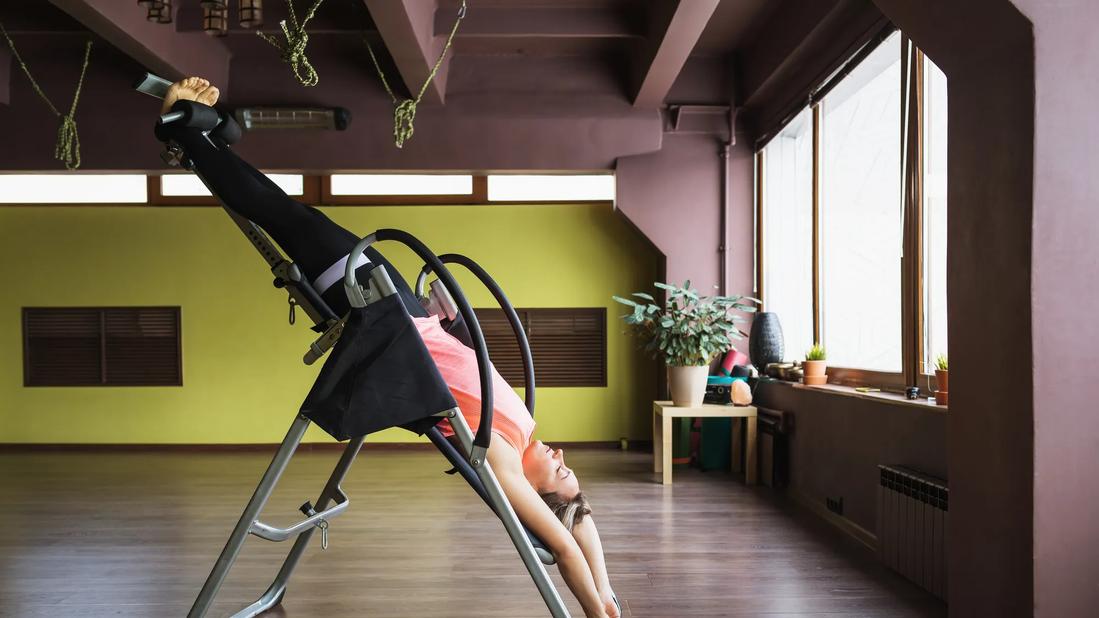
Inversion tables tilt you so your head is lower than your feet. This angle uses gravity to gently separate the vertebrae. The goal is to reduce pressure inside discs and relax spinal joints and muscles. Many people feel immediate easing of pressure and stiffness after short sessions.
Common mechanisms that explain how inversion tables help with spinal decompression:
- Reduced compression: Gravity pulls vertebrae apart slightly, which can lower pressure inside discs.
- Muscle relaxation: Inversion often eases tight muscles around the spine.
- Improved joint mobility: Small increases in intervertebral space can reduce pinching and improve movement.
When people ask Do inversion tables help with spinal decompression, the simple answer is that they can help temporarily for many users, especially when combined with other care.
.jpg)
Evidence and research: Do inversion tables help with spinal decompression?
Clinical trials and reviews show mixed but promising results. Several studies report short-term pain relief and reduced disc pressure during inversion. High-quality long-term data is limited. Results vary by condition, angle of inversion, session length, and individual health.
Key research takeaways:
- Short-term relief is the most consistent finding.
- Effects often fade after stopping inversion unless paired with exercise or therapy.
- Evidence quality ranges from small trials to case reports, so results should be interpreted cautiously.
In my experience, inversion tables are a useful tool for temporary relief and for teaching the body how it feels with less spinal compression. They are not a stand-alone cure but can complement physical therapy and strengthening work.

Benefits of using inversion tables for spinal decompression
Many people report practical gains after using inversion tables. Benefits often appear quickly and feel tangible.
Benefits include:
- Short-term pain relief and reduced stiffness.
- Temporary reduction in disc pressure, which can ease nerve irritation.
- Improved posture awareness and gentle stretching of the spine.
- Better mobility and range of motion after sessions.
- Low-impact option compared with some traction machines or manual therapy.
Use these benefits as part of a larger plan. Pair inversion with core strengthening, flexibility work, and professional guidance for better long-term outcomes.

Limitations and risks when asking Do inversion tables help with spinal decompression
Inversion is not risk-free. Some people get good relief, but others may not improve or could worsen symptoms.
Limitations and risks:
- Effects are often temporary without additional therapy.
- Not effective for all types of back pain, especially structural instability.
- Can raise blood pressure and eye pressure during inversion.
- Risk of falls if not secured or if device is faulty.
- May worsen symptoms for those with certain heart, eye, or pregnancy conditions.
I always advise a short trial under professional guidance. If pain increases or you feel dizzy, stop immediately and consult a clinician.
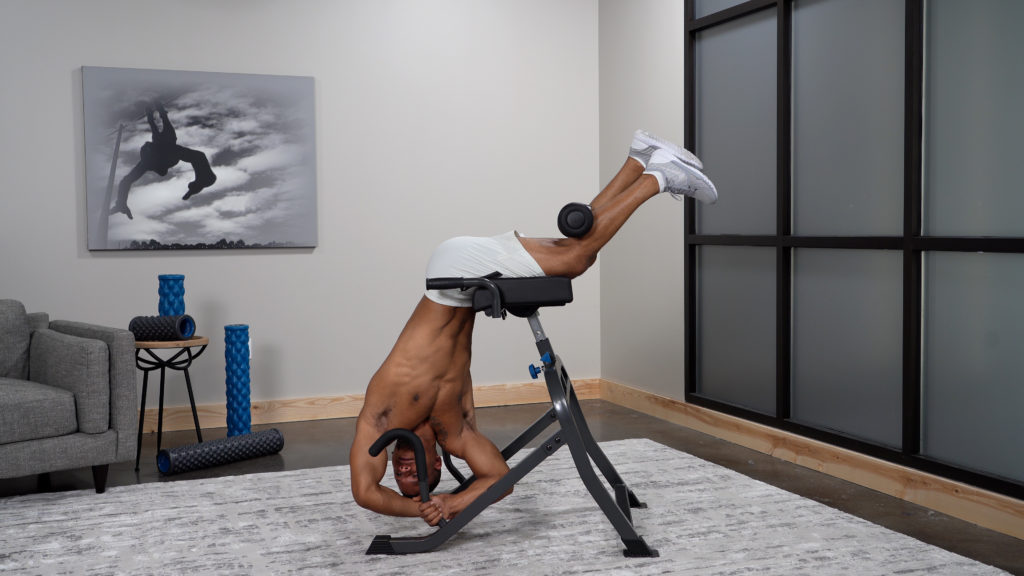
How to use inversion tables safely for spinal decompression
Follow a clear, slow plan to get benefit and reduce risk. Safety matters as much as angle and time.
Step-by-step safe use:
- Check with your doctor or physical therapist before starting.
- Start slow: try 15–30 degree tilt for 1–2 minutes on the first session.
- Increase angle gradually to no more than 60 degrees, unless advised otherwise.
- Limit sessions to 2–3 times per day, 1–5 minutes each, based on comfort.
- Breathe slowly and avoid straining. Relax muscles while inverted.
- Use the safety straps and secure foot locks. Have someone nearby the first few times.
- Stop if you feel sharp pain, dizziness, or heart palpitations.
A measured approach reduces risk and helps you judge whether inversion delivers meaningful decompression for your spine.

Who should avoid inversion tables
Certain health issues make inversion unsafe or unwise. If you have any of the following, skip inversion until cleared by a provider.
Conditions to avoid inversion tables:
- High blood pressure or uncontrolled hypertension
- Heart disease or history of stroke
- Glaucoma or retinal detachment risk
- Pregnancy
- Inner ear problems or severe vertigo
- Severe osteoporosis or spinal instability
If you have any doubt, ask a spine specialist or physical therapist before trying inversion.
Personal experience and practical tips
I used an inversion table after a bulging-disc flare. Early sessions gave clear relief for 3–4 hours. Over time, I combined inversion with core work and walking. That mix led to more lasting improvement than inversion alone.
Practical tips I learned:
- Start slow and track pain levels before and after sessions.
- Use inversion as a bridge for mobility, not as the only solution.
- Pair sessions with strengthening to hold gains longer.
- Record angle and time so you can repeat what works.
- Don’t push past mild discomfort; small gains add up.
These steps saved me time and prevented setbacks. They helped me use inversion for spinal decompression effectively and safely.
Frequently Asked Questions of Do inversion tables help with spinal decompression
Do inversion tables help with spinal decompression?
Yes. Inversion tables can provide temporary spinal decompression and short-term pain relief for many people, but results vary and effects may be short-lived.
How long should I invert for spinal decompression?
Start with 1–2 minutes at a low angle and gradually increase to 3–5 minutes as tolerated. Most people find short, repeated sessions safer and effective.
Can inversion tables cure herniated discs?
No. Inversion may relieve pressure and ease symptoms temporarily, but it does not remove a herniation. Combine inversion with medical care and rehab for best results.
Are inversion tables safe for older adults?
They can be safe if cleared by a clinician and used cautiously, but older adults with heart disease, osteoporosis, or balance issues should avoid inversion unless advised otherwise.
Will inversion make back pain worse?
It can if used improperly or by someone with contraindications. Stop if pain increases and consult a healthcare professional.
Conclusion
Inversion therapy can help with spinal decompression for many people. It often gives short-term relief, reduces disc pressure temporarily, and loosens tight muscles. Long-term benefits are best achieved when inversion is combined with targeted exercise, posture work, and professional guidance. Try inversion cautiously, track how you feel, and use it as one tool in a broader recovery plan. If this helped, test a short, safe session, talk to your healthcare provider, and share your results or questions below — I’d love to hear what worked for you.