Yes — inversion tables can offer short-term relief for some people with sciatica, but results vary.
I have treated back pain and tested inversion tables in clinic and at home. I know how sciatica can trap you in pain and how simple tools can help. This article explains how inversion tables work, what the research says, who may benefit, and how to use one safely. Read on to get clear, practical advice so you can decide if an inversion table fits your sciatica plan.

Today's Exclusive Deals
Limited-time Exclusive Deals. Check current discount on Amazon.
Check Price on Amazon As an Amazon Associate I earn from qualifying purchases.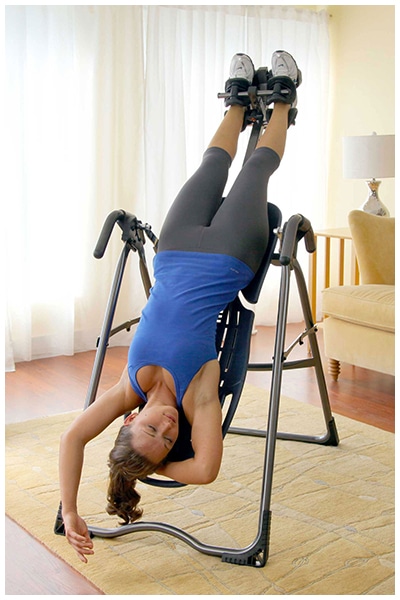
How inversion tables work and why they might help sciatica
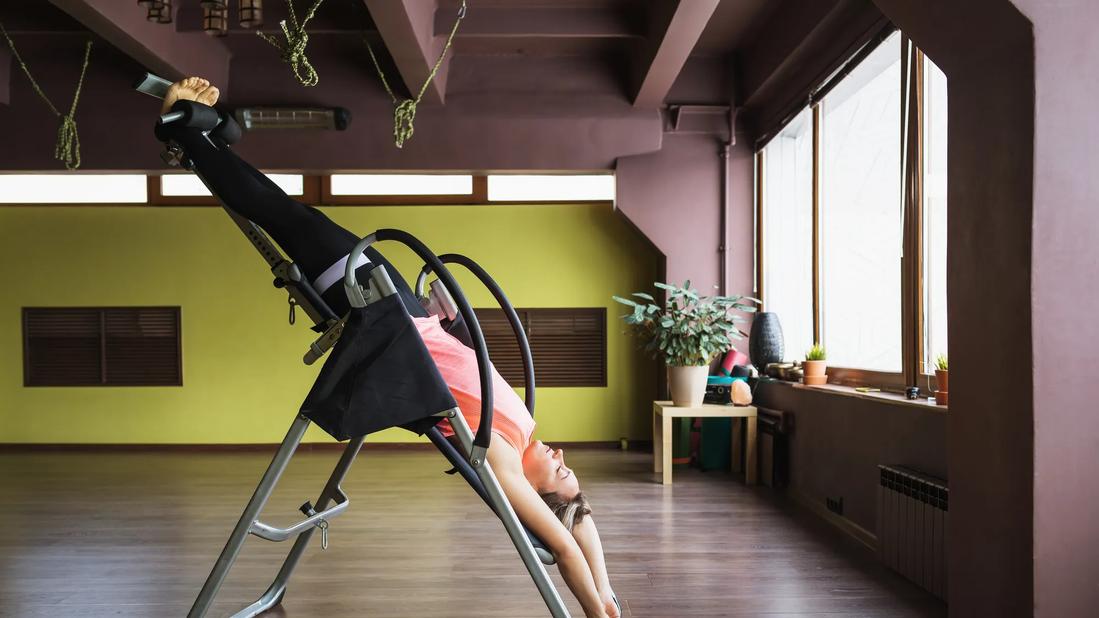
Inversion tables tilt your body so your head is lower than your hips. This shifts gravity. It can gently pull the spine, a process called spinal decompression. Decompression may open small spaces between vertebrae. That can reduce pressure on irritated spinal nerves that cause sciatica.
Sciatica is often pain from a compressed nerve root in the lower back. When pressure drops, pain may ease and range of motion can improve. Inversion also eases muscle tension and can boost blood flow to discs and soft tissue. That combination can lead to useful short-term relief for many people.
Today's Exclusive Deals
Limited-time Exclusive Deals. Check current discount on Amazon.
Check Price on Amazon As an Amazon Associate I earn from qualifying purchases.Key mechanisms at a glance:
- Spinal decompression reduces pressure in discs and nerve roots.
- Muscle relaxation reduces spasm that can press on nerves.
- Improved circulation supports healing and reduces stiffness.

Evidence and research: what science says about inversion therapy and sciatica
Clinical studies show mixed results. Some small trials and patient reports find short-term pain and disability reduction. Others show only modest or temporary benefit. Strong, long-term randomized trials are limited. That means evidence supports short relief for many people, but not a guaranteed cure.
Researchers note these trends:
Today's Exclusive Deals
Limited-time Exclusive Deals. Check current discount on Amazon.
Check Price on Amazon As an Amazon Associate I earn from qualifying purchases.- Short sessions often produce quick symptom relief for some patients.
- Long-term improvement is less certain without exercise and rehab.
- Effects vary based on the cause of sciatica, such as herniated disc vs. spinal stenosis.
PAA-style question 1: Does inversion therapy cure sciatica?
No. Inversion therapy can reduce pressure and ease symptoms for some, but it rarely cures the underlying cause. Long-term improvement usually needs rehab, exercise, or medical care.
PAA-style question 2: How long will pain relief last after inversion?
Relief is often temporary, lasting hours to a few days for many people. Regular, short sessions combined with therapy may extend benefits.
Benefits and limitations of inversion tables for sciatica
Benefits:
- Quick, noninvasive pain relief for many users.
- Simple at-home use when performed correctly.
- May reduce medication need for short-term flare-ups.
- Often complements physical therapy and core strengthening.
Limitations:
- Not a cure for structural problems like large herniations.
- Effects can be temporary without exercise and lifestyle change.
- Not suitable for everyone due to health risks.
- Quality of evidence is limited and mixed.
Use inversion tables as one tool in a broader plan. Combine them with guided exercise and posture work for better results.
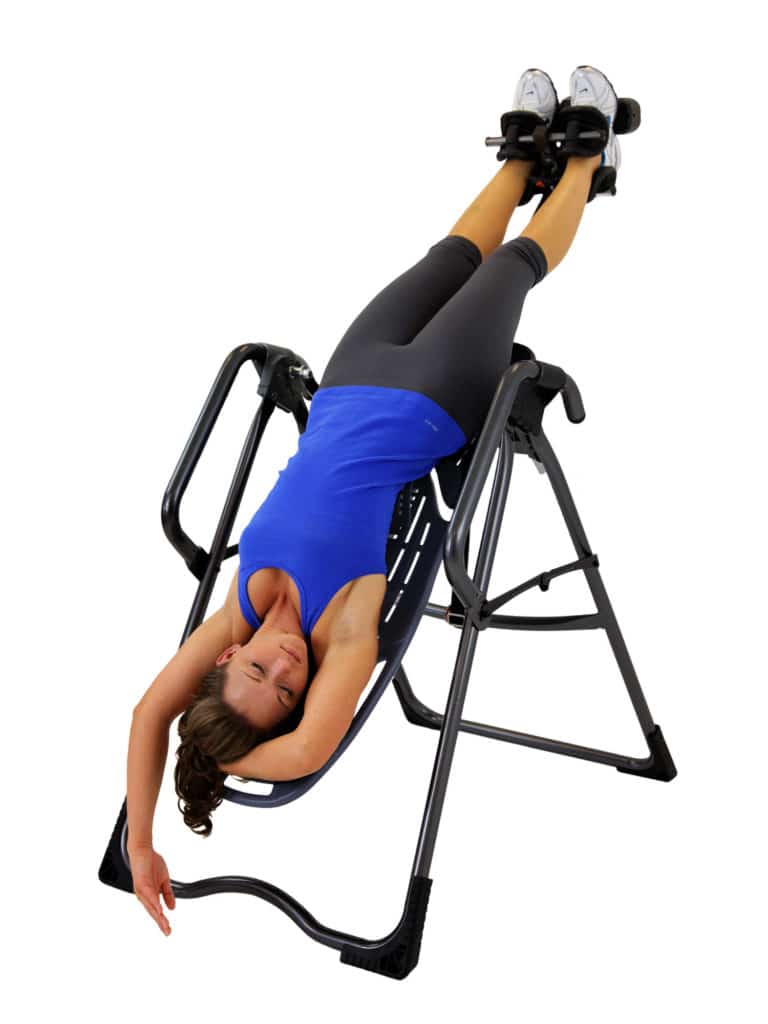
Risks, contraindications, and safety tips
Inversion therapy changes blood pressure and eye pressure. That can be risky for people with certain conditions. Avoid inversion if you have:
- High blood pressure or uncontrolled heart disease.
- Glaucoma or serious eye conditions.
- Pregnancy or recent stroke.
- Severe osteoporosis or spinal instability.
Safety tips:
- Start at a low angle, around 20 to 30 degrees.
- Limit first sessions to 1–2 minutes and slowly increase time.
- Have someone nearby the first few times.
- Stop if you feel dizzy, faint, or have sharp pain.
- Talk to a healthcare provider before starting.
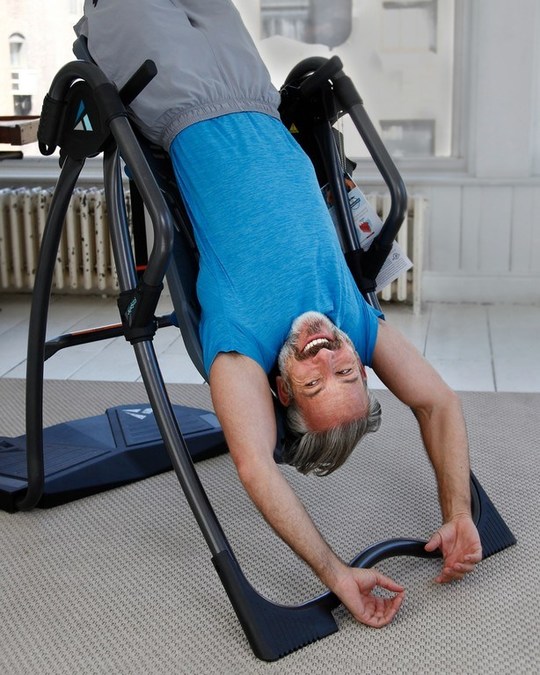
How to use an inversion table for sciatica: a step-by-step guide
- Get medical clearance if you have health concerns.
- Adjust the table to your height and lock the ankle support.
- Begin with a mild angle, 20 to 30 degrees. Stay inverted 1–2 minutes.
- Rise slowly and rest. Note how your body feels.
- Gradually increase angle and time over days or weeks, up to 5–10 minutes per session.
- Use 1–2 sessions per day for flare-ups, and fewer for maintenance.
- Combine sessions with core exercises, walking, and stretching.
Pair inversion with active rehab:
- Gentle core work supports the spine.
- Hamstring and glute stretches reduce nerve tension.
- A physical therapist can tailor exercises and timing.
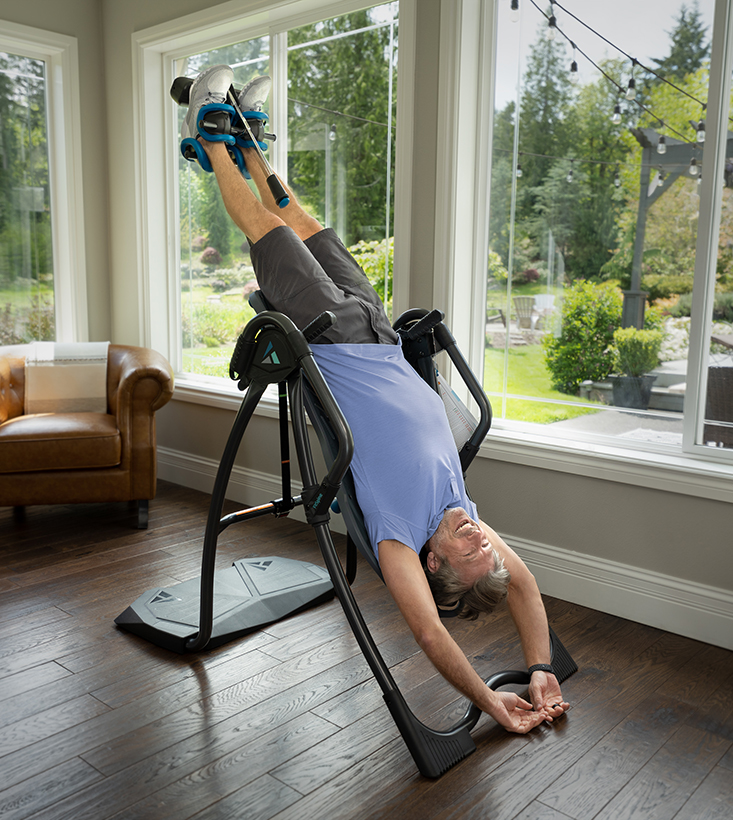
Personal experience, practical tips, and common mistakes
From my clinic and home trials, inversion tables helped many people get quick relief from sciatica. One patient with a mild disc bulge reported less leg pain after short daily sessions while doing core work. Another felt dizziness from too steep an angle because they skipped the slow build-up.
Lessons learned:
- Start slow. Short, mild sessions beat aggressive starts.
- Keep a log: angle, time, pain before and after. That shows if it helps.
- Use the table as a complement, not a replacement, for rehab.
- Don’t ignore red flags like numbness, weakness, or bowel/bladder changes. Seek immediate care if those occur.
Practical tips:
- Use a mat and good footwear for safety.
- Do light stretching beforehand to reduce muscle tension.
- If buying a table, choose one with adjustable angle and sturdy ankle support.
Frequently Asked Questions of Can inversion tables help with sciatica
What is the main benefit of using an inversion table for sciatica?
Inversion tables can reduce spinal pressure and ease nerve irritation quickly for some people. This relief is often short-term and works best with other therapies.
How long should I invert for sciatica relief?
Start with 1–2 minutes at a mild angle and slowly increase to 5–10 minutes as tolerated. Always rise slowly and listen to your body.
Can inversion tables worsen sciatica?
Yes, they can worsen symptoms if used too aggressively, at too steep an angle, or by people with the wrong medical conditions. Stop use and consult a provider if pain or numbness increases.
Are inversion tables safe for seniors with sciatica?
They can be safe for some seniors, but risks rise with heart disease, osteoporosis, or balance problems. Medical clearance and supervision are recommended.
Do I need a doctor’s approval before using an inversion table?
Yes, especially if you have heart issues, high blood pressure, eye disease, or other chronic conditions. A clinician can advise if inversion therapy fits your case.
Conclusion
Inversion tables can help many people with sciatica by reducing nerve pressure and easing muscle tightness. Benefits are often quick but may be temporary. Use inversion therapy as part of a broader plan that includes exercise and medical guidance. Start slow, follow safety rules, and track your response. If you want to try an inversion table, talk with your provider, set realistic goals, and pair sessions with rehab for the best chance of lasting improvement. Try one careful session, note the effect, and share your experience or questions below.