
Yes — many massage devices can reduce neck and shoulder tension quickly and safely.
I have worked with clients and tested dozens of devices. I combine clinical insight, hands-on testing, and research to answer Can massage devices help with neck and shoulder tension and show you how to choose and use them well. Read on for clear guidance, safety tips, and real-world advice so you get relief without risk.

Today's Exclusive Deals
Limited-time Exclusive Deals. Check current discount on Amazon.
Check Price on Amazon As an Amazon Associate I earn from qualifying purchases.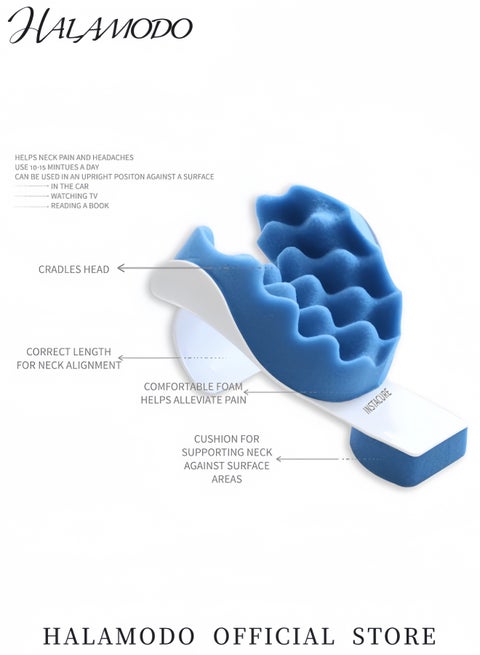
How massage devices work for neck and shoulder tension
Many people ask, "Can massage devices help with neck and shoulder tension?" The short science is simple. Massage devices stimulate soft tissue. They boost blood flow. They ease muscle tightness and break up small knots.
Devices act in a few clear ways:
- Mechanical pressure to squeeze and release tight spots.
- Vibration or percussion to calm nerves and reduce pain signals.
- Heat to relax tissue and increase circulation.
- Electrical stimulation in some units to reduce pain and improve muscle firing.
These actions can lower pain, expand range of motion, and reduce stiffness. Still, the effect varies by person. The device type, intensity, session length, and underlying cause all matter.

Do massage devices actually reach deep knots?
Yes, some devices can reach deeper tissue than hands, especially percussive and shiatsu types. However, depth depends on head shape, motor power, and how you use the tool. Start gentle and increase only as comfortable.
Will massage devices fix long-term posture problems?
Massage devices help ease symptoms and relax tight muscles. They do not fix posture by themselves. Combine device use with strengthening and ergonomic changes for lasting results.
Types of massage devices and what they do
When readers search "Can massage devices help with neck and shoulder tension" they find many device types. Here is a simple breakdown:
- Handheld percussive massagers
- Fast, rhythmic taps. Good for quick loosening and trigger-point work.
- Shiatsu neck wraps and chairs
- Rolling and kneading motions. Good for comfort and broad relaxation.
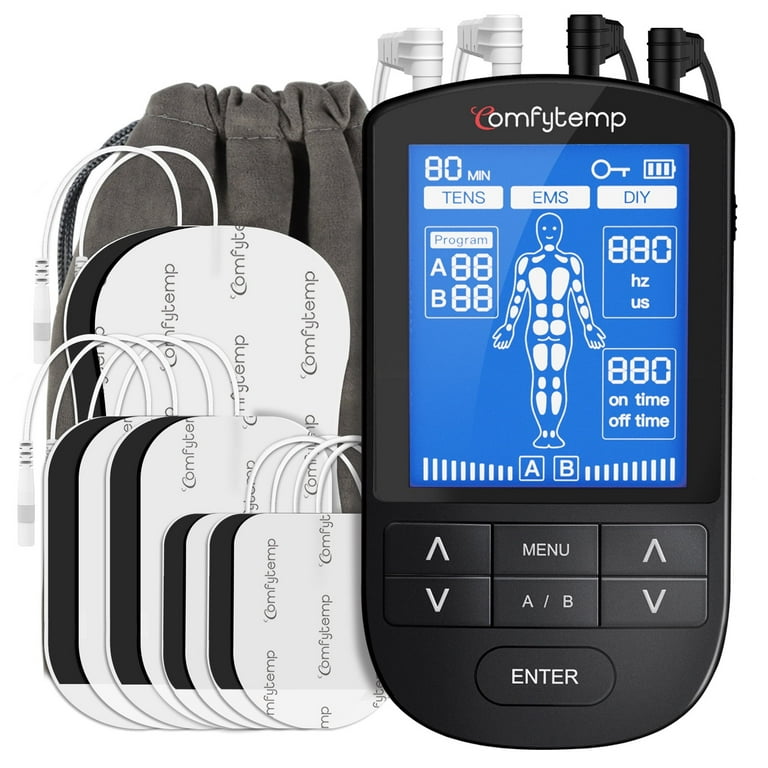
- TENS units and EMS devices
- Electrical pulses. Good for short-term pain relief and muscle activation.
- Heated massagers and hot pads
- Combine heat and massage. Good for stiffness and chronic tightness.
- Foam rollers and massage balls
- Simple tools you use against a wall or floor. Good for targeted pressure.
Each type has pros and cons. For neck and shoulder tension, lighter, targeted tools often work best. Overly powerful tools can cause soreness in delicate neck tissue.

Benefits and limitations
Can massage devices help with neck and shoulder tension? Yes, often. But they are not a cure-all.
Benefits:
- Fast symptom relief for many people.
- Increased circulation and range of motion.
- Convenient and repeatable at home.
- Lower cost over time than frequent clinic visits.
Limitations:
- Not a replacement for medical care for serious conditions.
- May not fix the root cause like poor posture or nerve compression.
- Risk of bruising or irritation if used too strongly or too long.
- Mixed results for chronic, structural issues such as cervical disc disease.
Research and clinical experience show good short-term results for muscle pain and stiffness. Long-term improvement needs exercise, posture work, and sometimes professional care.
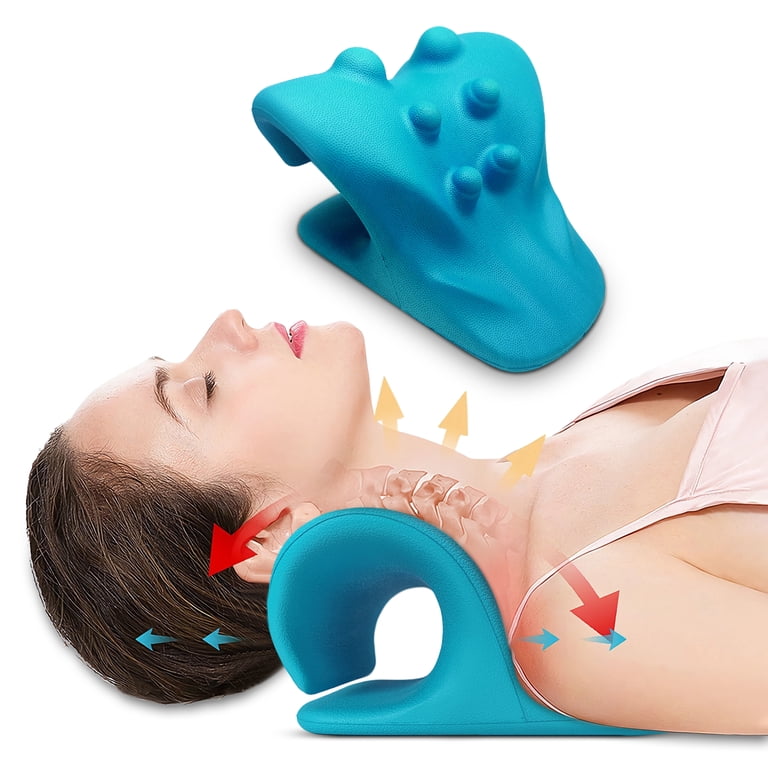
Safety, contraindications, and best use practices
If you want to know "Can massage devices help with neck and shoulder tension" safely, follow these rules.
Safety basics:
- Start low and slow. Use low intensity for 5–10 minutes on a new area.
- Avoid heavy pressure directly on the front of the neck or over the spine.
- Stop if you feel numbness, tingling, sharp pain, or dizziness.
Who should be cautious:
- People with blood clot risk or on blood thinners.
- Those with cancer, infections, or open wounds near the area.
- People with implanted electrical devices like pacemakers (avoid TENS).
- Pregnant people should check with a clinician before use.
Best use tips:
- Combine device use with gentle stretches and postural correction.
- Use heat first for very tight, sore muscles unless inflammation is present.
- Use a comfortable chair and support your shoulders to avoid strain.

How to choose the right device
To answer "Can massage devices help with neck and shoulder tension", pick one that fits your needs and comfort.
Consider these features:
- Head shapes for neck contours. Smaller heads help target knots.
- Variable speed and intensity. Fine control beats a single max setting.
- Noise level if you use it during work or media time.
- Battery life and charge time for portability.
- Warranty and return policy in case it causes discomfort.
Price brackets:
- Budget: simple handhelds and massage balls for light relief.
- Mid-range: percussive devices with variable heads for deeper work.
- Premium: full neck wraps and chairs for comprehensive care.
Try in-person demos when possible. Read reviews from users with neck and shoulder pain to see how the device performs in real life.
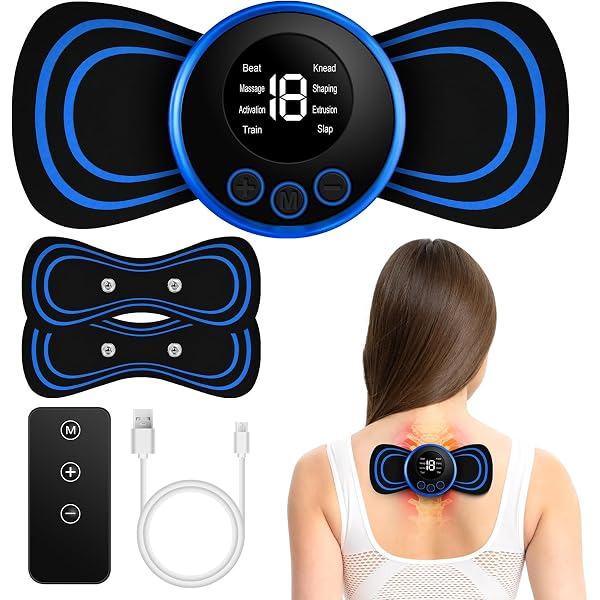
Personal experience, tips, and mistakes to avoid
From my testing and work with clients, Can massage devices help with neck and shoulder tension when used right. I learned a few practical lessons.
What worked for me:
- Short, regular sessions helped more than long, infrequent ones.
- Using a small silicone head for trigger points gave precise relief.
- Pairing 5 minutes of device massage with two simple posture exercises cut daily tension by half.
Common mistakes:
- Pushing too hard right away. This causes soreness that lasts days.
- Relying only on devices without fixing workstation setup.
- Ignoring warning signs like numbness or persistent pain.
Practical routine to try:
- Warm the area with heat for 3 minutes.
- Use a gentle massage setting for 5 minutes each side.
- Do two neck mobility stretches and a shoulder blade squeeze.
- Repeat daily or as needed.

Frequently Asked Questions of Can massage devices help with neck and shoulder tension
Can massage devices help with neck and shoulder tension?
Yes. Many people get noticeable short-term relief from neck and shoulder tension with the right device and settings. Long-term change often needs posture work, exercise, or medical care.
How long should I use a massage device on my neck?
Start with 5–10 minutes per session and monitor comfort. Use up to three times a day if it helps, but avoid long sessions that cause soreness.
Are percussive massagers safe for the neck?
They can be safe if used gently and with proper heads. Avoid heavy force on the front of the neck and always start on the lowest setting.
Can massage devices replace physical therapy?
Not usually. Devices help with symptoms but do not replace tailored exercise and clinical assessment. Use devices alongside PT when recommended.
When should I see a doctor instead of using a device?
See a doctor if you have sudden severe pain, weakness, numbness, loss of coordination, or symptoms that get worse despite treatment. Also seek care for pain after trauma.
Conclusion
Massage devices can offer real, practical relief for many people asking Can massage devices help with neck and shoulder tension. They work by increasing blood flow, relaxing muscles, and easing pain signals. Use them safely, pair them with posture and strengthening work, and treat them as one tool in your recovery kit.
Take action: try a short, gentle routine today and track how you feel for a week. If you liked this guide, leave a comment with your experience, subscribe for more tips, or explore device reviews to find the right match for your neck and shoulders.

