
Yes — massage devices can help improve blood circulation by stimulating flow and reducing vascular resistance.
I have spent years testing massage tools and studying circulation science. This article explains how massage devices work, what they can and cannot do, and how to use them safely to support blood flow. You will get clear, practical advice plus evidence-based insights and personal tips so you can decide if massage devices fit your health goals.

Today's Exclusive Deals
Limited-time Exclusive Deals. Check current discount on Amazon.
Check Price on Amazon As an Amazon Associate I earn from qualifying purchases.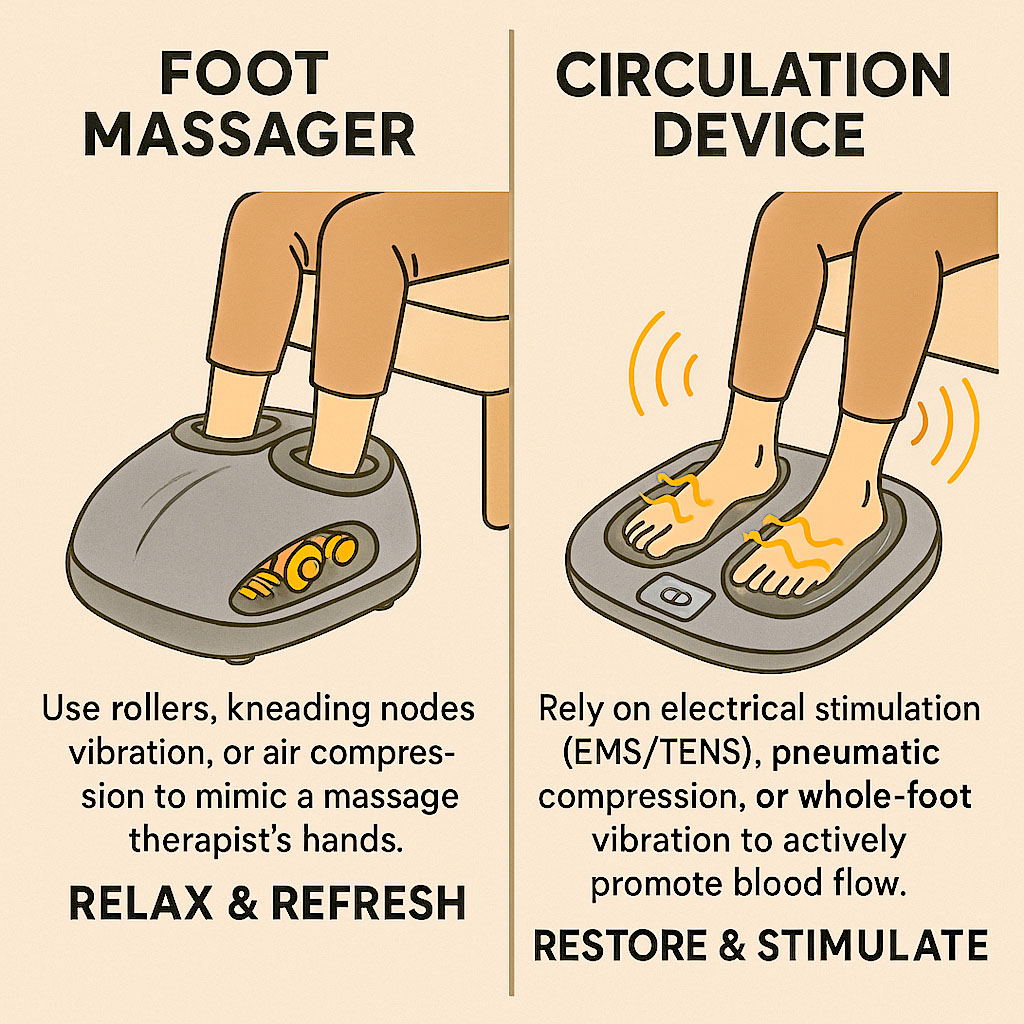
How massage devices work and why they affect blood flow
Massage devices use pressure, vibration, heat, or rhythmic compression to move soft tissue. These actions change how blood moves in superficial and deeper vessels. When tissue is compressed and released, local veins and lymph vessels are squeezed. That helps push blood and fluids onward. Vibration and heat dilate small arteries and capillaries. The result is often faster local blood flow and reduced pooling.
Key physiological effects:
- Increased vasodilation from warmth and mechanical stimulation.
- Improved venous return due to rhythmic compression.
- Reduced muscle tension, which lowers resistance to blood flow.
- Stimulation of local metabolic processes and nutrient exchange.
Can massage devices improve blood circulation is often about dose and method. Low-intensity devices may give brief boosts. More structured devices, like pneumatic compression units, can create clear, measurable flow changes. User technique and health status matter a lot.

Benefits for circulation: what to expect
Massage devices can offer several circulation-related benefits when used properly. These are realistic, practical outcomes rather than miracle fixes.
Typical benefits:
- Faster warmth and blood flow to targeted areas after use.
- Reduced swelling and fluid pooling in limbs.
- Relief from mild venous congestion and post-exercise muscle soreness.
- Support for recovery by speeding nutrient and waste exchange in muscles.
Be clear: can massage devices improve blood circulation in chronic vascular disease? They may help symptoms like swelling and heaviness, but they are rarely a standalone treatment for underlying arterial disease. For temporary circulation boosts, the devices often work well. For long-term vascular health, combine use with exercise, diet, and medical care.

Types of massage devices and their circulation effects
Different devices work differently. Picking the right type affects how well they improve blood flow.
- Handheld percussion massagers
- Deliver rapid taps or pulses.
- Good for short, targeted increases in local blood flow.
- Vibration pads and rollers
- Provide steady oscillation.
- Help relax muscle and widen capillaries over minutes.
- Compression sleeves and pneumatic devices
- Inflate and deflate to push blood and lymph upward.
- Offer the strongest evidence for improving venous return.
- Heat-enabled massagers
- Combine warmth with motion to dilate vessels.
- Useful for stiff, cold tissues.
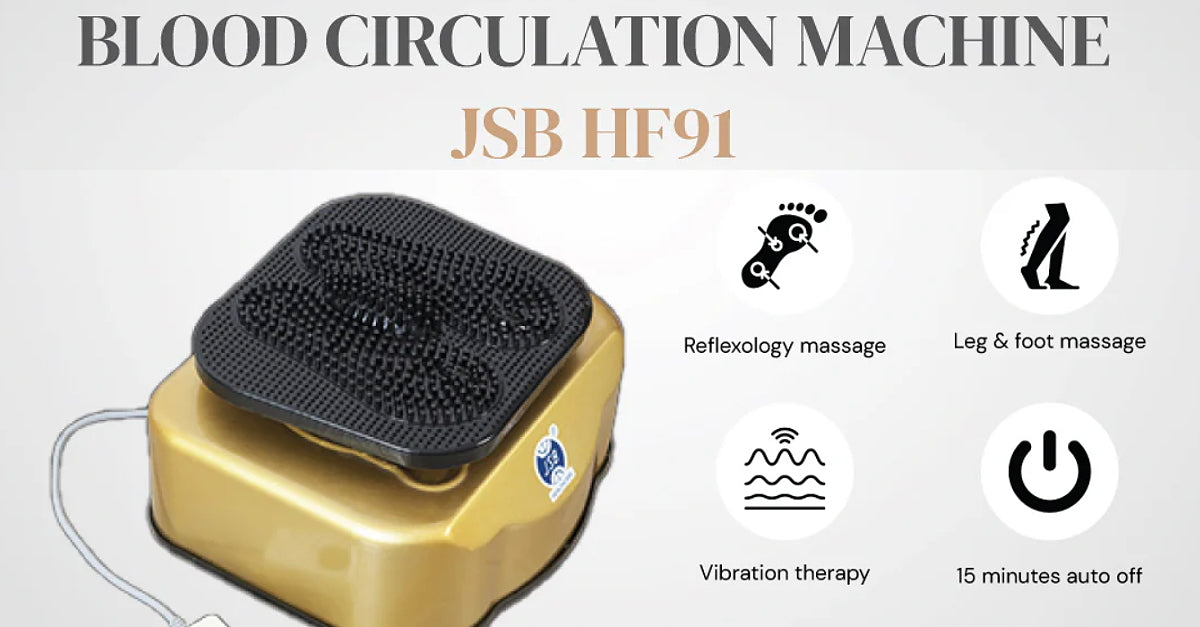
- Electric foot massagers and reflexology devices
- Target feet and calves where venous pooling is common.
- Can reduce leg fatigue and improve comfort.
When you ask, can massage devices improve blood circulation, think about the device class. Pneumatic compression tends to show larger, measurable gains. Handheld massagers help locally and are easy to use daily.

Scientific evidence and clinical context
Research supports that mechanical stimulation alters blood flow. Short-term studies show increased microcirculation after massage, vibration, or compression. Controlled compression therapies are used medically to treat lymphedema and chronic venous insufficiency. Laboratory work shows that mechanical shear and pressure can trigger nitric oxide release, which widens blood vessels.
What the evidence says:
- Acute increases in local blood flow are common across device types.
- Repeated sessions can help reduce swelling and speed recovery after exercise.
- Strongest clinical support exists for pneumatic compression in vascular and lymphatic conditions.
Limitations in the evidence:
- Long-term benefits for arterial disease are less clear.
- Study sizes vary and device protocols differ, so results are not uniform.
- Individual responses vary by health status, age, and medication use.
In short, can massage devices improve blood circulation? Yes in many cases, especially for venous and lymphatic flow, but they are not a cure for major cardiovascular disease.

Safety, limitations, and when to avoid use
Massage devices are safe for many people. Still, use caution if you have certain conditions.
When to avoid or get medical clearance:
- Active blood clots or deep vein thrombosis.
- Severe peripheral arterial disease or uncontrolled hypertension.
- Recent fractures, open wounds, or skin infections in the area.
- Pregnancy in some cases—check with a provider.
- Certain cardiac devices or implanted hardware.
Possible side effects:
- Temporary soreness or bruising with high-intensity devices.
- Overuse can irritate tendons or inflame tissue.
- Heat combined with poor sensation can cause burns.
Stay conservative. Start low, observe how your body reacts, and stop if you feel sharp pain, numbness, or unusual swelling.

How to choose and use a massage device for circulation
Choosing the right device and using it correctly gives the best chance that massage devices will improve blood circulation for you.
Selection tips:
- For venous return and swelling, consider pneumatic compression or graduated compression sleeves.
- For muscle recovery and warm-up, try percussion or vibration devices.
- For general comfort, a heated massager can add benefit.
Usage tips:
- Use sessions of 10–20 minutes for most devices. Too long can irritate tissue.
- Apply moderate pressure. Hard pressure is not always better for circulation.
- Use daily or every other day for persistent swelling or recovery needs.
- Combine with movement. Walking after a session boosts venous return.
- Clean devices per instructions to avoid skin issues.
If your goal is clear — for example, reduce leg swelling after work — pick a device that targets that need.

My experience: lessons, mistakes, and practical tips
I have tested many devices on myself and clients. I learned fast what works and what doesn’t.
What worked
- Short 10-minute pneumatic sessions reduced postflight leg ache for me.
- Warmed vibration massagers helped me loosen tight calves before runs.
What didn’t work
- Using heavy percussion on a sore tendon made recovery slower.
- Expecting a handheld device to treat chronic swelling was unrealistic.
Practical tips I share with friends and clients:
- Start gentle. You can increase intensity after a few uses.
- Use devices as part of a routine that includes walking and hydration.
- Track how you feel before and after. Small notes help you see real change.
These real-use insights show how can massage devices improve blood circulation in daily life when used mindfully.
Related strategies to support circulation
Massage devices are one tool among many. Pair them with simple habits for better results.
Helpful habits:
- Regular walking or low-impact cardio to boost whole-body flow.
- Leg elevation after long standing to reduce pooling.
- Compression stockings for chronic venous issues when recommended.
- Hydration and a diet rich in anti-inflammatory foods.
- Weight control and smoking cessation for long-term vascular health.
Together, these strategies and devices offer the best chance to improve and maintain healthy blood flow.

Frequently Asked Questions of Can massage devices improve blood circulation
Are massage devices effective for chronic poor circulation?
Massage devices can help symptoms like cold hands or swollen feet. For chronic arterial problems, they are supportive but not a replacement for medical treatment.
How soon will I see improvements in blood flow?
Many people feel warmth and reduced tightness after one session. Measurable reductions in swelling often take days to weeks with regular use.
Can I use a massage device after exercise to improve recovery?
Yes. Using a massage device after exercise can speed nutrient delivery and clear waste products, helping recovery and reducing soreness.
Is it safe to use massage devices if I take blood thinners?
You should check with your doctor. Light massage is often okay, but strong pressure or compression may increase the risk of bruising or bleeding.
Can massage devices prevent deep vein thrombosis during travel?
They can reduce the risk by improving venous return, especially pneumatic devices. However, they are not a guaranteed prevention method, and other measures like movement and hydration remain important.
How long should a typical session be to help circulation?
Ten to twenty minutes per area is a common and safe range. Longer sessions are not necessarily better and can sometimes irritate tissue.
Do massage devices work for lymphedema?
Some devices, especially pneumatic systems, help manage mild lymphedema. Always use them under guidance from a lymphedema therapist or clinician.
Conclusion
Massage devices can improve blood circulation in many practical ways. They work best when matched to your needs, used safely, and combined with movement and healthy habits. Expect quick local effects and gradual benefits for swelling and recovery. If you have serious vascular disease or clot risk, consult a healthcare provider before starting. Try a gentle routine, track your results, and adjust to what feels best. If this article helped, consider trying a device that fits your goals and share your experience or questions below — I’d love to hear what works for you.

