
Eagles have fascinated humans for thousands of years. They are not just birds; they are symbols of power, freedom, and vision in many cultures around the world. With their sharp eyesight, powerful wings, and impressive hunting skills, eagles have earned a special place in both nature and human history.
But what exactly makes an eagle unique among birds? How do they live, hunt, and survive in the wild? This article will help you discover the world of eagles in detail, from their biology and behavior to their cultural importance and conservation challenges.

Today's Exclusive Deals
Limited-time Exclusive Deals. Check current discount on Amazon.
Check Price on Amazon As an Amazon Associate I earn from qualifying purchases.What Is An Eagle?
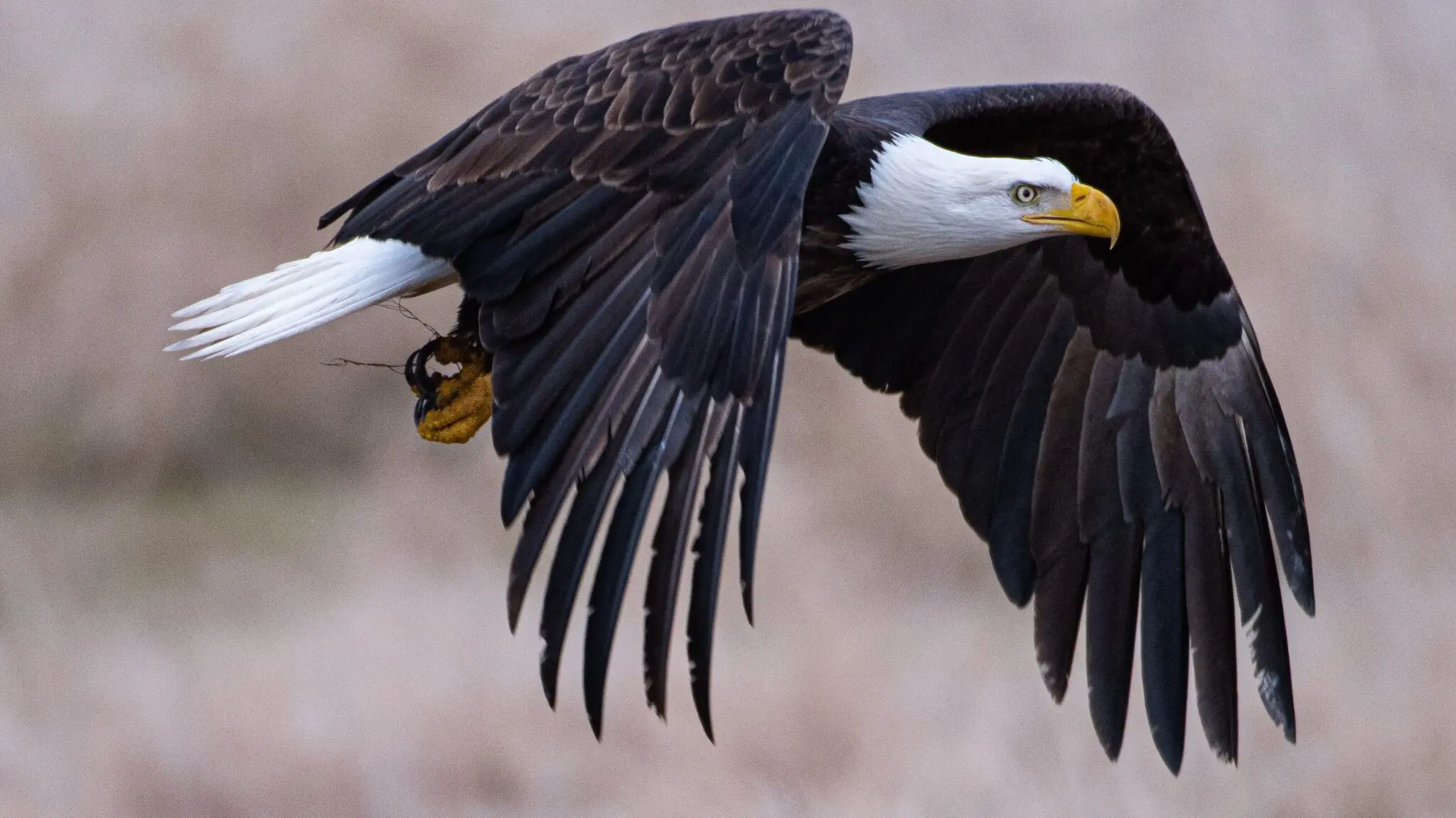
Eagles are large birds of prey found on every continent except Antarctica. They belong to the family Accipitridae, which also includes hawks, kites, and vultures. What sets eagles apart is their size, strength, and the way they hunt. Most eagles have long, broad wings, a massive hooked beak, and strong talons for catching and killing prey.
There are more than 60 eagle species worldwide. Some of the most famous include the Bald Eagle (the national bird of the United States), the Golden Eagle, and the Harpy Eagle. These birds can live in forests, mountains, deserts, and near rivers or lakes.
Key Physical Features
Eagles are known for their impressive bodies. Here are some of the traits that make them stand out:
- Large size: Most eagles are much bigger than other raptors. The Steller’s Sea Eagle can weigh up to 9 kg (almost 20 pounds) and have a wingspan of 2.5 meters (over 8 feet).
- Sharp vision: An eagle’s eyesight is 4–8 times stronger than a human’s. They can spot prey from more than 1 km away.
- Hooked beak: Their strong, curved beak is perfect for tearing meat.
- Powerful talons: Eagles use their feet to grab, hold, and kill prey. Their grip is extremely strong—enough to break bones.
- Feathered legs: Some eagles, like the Golden Eagle, have feathers down to their toes, which helps in cold climates.
| Feature | Eagle | Hawk |
|---|---|---|
| Wingspan | 1.8–2.5 m | 1–1.5 m |
| Weight | 3–9 kg | 0.5–2 kg |
| Prey Size | Medium to large (fish, mammals) | Small to medium (rodents, birds) |
Types Of Eagles
Eagles are divided into several groups based on where they live and what they eat. The main types are:
- Sea Eagles (Fish Eagles): Live near water and mainly eat fish. Examples: Bald Eagle, White-tailed Eagle.
- Booted Eagles: Have feathers down to their toes. Examples: Golden Eagle, Steppe Eagle.
- Harpy Eagles: Very large, strong, and live in tropical forests. Example: Harpy Eagle.
- Snake Eagles: Specialize in hunting snakes. Example: Short-toed Snake Eagle.
Different eagles adapt to their environments. For example, the African Fish Eagle is common near African lakes and rivers, while the Philippine Eagle lives in dense rainforests.
Eagle Habitats
Eagles are highly adaptable. They can be found in:
- Mountains: Golden Eagles often build nests on high cliffs.
- Forests: Harpy Eagles hide in tall trees in tropical forests.
- Wetlands and lakes: Bald Eagles and White-tailed Eagles hunt for fish near water.
- Deserts and grasslands: Some eagles, like the Tawny Eagle, live in more open, dry places.
Eagles need large territories to find enough food. A single pair might control an area of 100 square kilometers or more.

Diet And Hunting Strategies
Eagles are top predators. Their diet depends on the species and where they live.
- Fish: Bald Eagles and Sea Eagles catch fish by swooping down and grabbing them from the water.
- Birds: Some, like the African Crowned Eagle, hunt other birds.
- Mammals: Golden Eagles hunt rabbits, hares, and sometimes even young deer.
- Reptiles: Snake Eagles eat snakes, often grabbing them from the ground.
Eagles use their sharp vision to spot prey from high in the sky. They can dive at speeds over 160 km/h (100 mph). Their hunting style is a mix of patience and speed.
Nesting And Breeding
Eagles are known for their large nests, called eyries. These nests are often built in tall trees or on cliffs and are used year after year, sometimes for decades. Some nests can be over 2 meters wide and weigh several hundred kilograms.
- Breeding pairs: Most eagles mate for life.
- Eggs: Usually lay 1–3 eggs per year.
- Chick survival: Often, only the strongest chick survives if food is scarce.
- Parenting: Both parents care for the young, bringing food and protecting the nest.
Eaglets grow quickly and are ready to fly (fledge) at around 2–4 months old, depending on the species.
| Species | Eggs per clutch | Nest location |
|---|---|---|
| Bald Eagle | 1–3 | Tall trees |
| Golden Eagle | 1–2 | Cliffs |
| Harpy Eagle | 1–2 | Rainforest trees |
Life Cycle And Longevity
The life of an eagle is a story of survival. After hatching, eaglets depend fully on their parents. As they grow, they learn to fly and hunt.
- Juvenile stage: Young eagles often roam widely before finding their own territory.
- Maturity: Most eagles reach adult size in 4–5 years.
- Lifespan: In the wild, eagles can live 20–30 years. In captivity, some have reached 50 years.
One surprising fact is that not all chicks survive. The oldest chick often gets most of the food, and the weaker may not make it. This may seem harsh, but it helps the strongest survive in tough conditions.
Eagles In Culture And Mythology
Eagles have inspired people for centuries. They are symbols of strength, freedom, and royalty.
- National symbols: The Bald Eagle represents the United States. The Golden Eagle is a symbol in Mexico, Egypt, and Kazakhstan.
- Mythology: In Greek mythology, the eagle was sacred to Zeus. In Norse myths, eagles sat atop the World Tree.
- Religion: Eagles appear in the Bible and the Quran, often as messengers or signs of power.
Many countries feature eagles on their flags, coins, and official seals. Their image is used by sports teams, military units, and even airlines.

Threats And Conservation
Eagles face many dangers, mostly from humans:
- Habitat loss: Deforestation and building destroy nests and hunting areas.
- Pollution: Chemicals like DDT once made eagle eggshells too thin. This nearly wiped out the Bald Eagle in the 20th century.
- Hunting and poaching: Eagles are sometimes killed for sport, feathers, or by accident (caught in traps).
- Collision: Power lines, wind turbines, and cars can injure or kill eagles.
But there is hope. Conservation efforts have helped some species recover. For example, the Bald Eagle population in the US grew from just 417 pairs in 1963 to over 70,000 today.
| Species | Conservation Status | Main Threat |
|---|---|---|
| Bald Eagle | Least Concern | Pollution (historically) |
| Philippine Eagle | Critically Endangered | Habitat loss |
| Harpy Eagle | Near Threatened | Deforestation |
Non-obvious Insights About Eagles
Understanding eagles is not just about their size or hunting power. Here are two key facts many people miss:
- Sibling rivalry is intense: In many eagle species, the first chick to hatch usually becomes dominant. This chick may outcompete its siblings for food, and sometimes the weaker chicks die. This natural process, called siblicide, helps ensure at least one chick survives in tough years.
- Eagles are ecosystem indicators: Because they are top predators, eagles are very sensitive to changes in their environment. If eagle numbers drop, it often means something is wrong with the entire ecosystem—such as pollution or loss of prey. Scientists watch eagle populations to check the health of nature.
How To Help Protect Eagles
You can support eagle conservation in several ways:
- Support conservation groups: Donate to organizations that protect eagle habitats and fight poaching.
- Be aware of pollution: Avoid using chemicals like pesticides that can enter the food chain.
- Respect nesting areas: If you see a nest in the wild, keep your distance.
- Educate others: Share what you learn about eagles with friends and family.
To learn more, you can visit the National Audubon Society, which offers resources on eagles and other birds.
Frequently Asked Questions
What Is The Largest Eagle In The World?
The Steller’s Sea Eagle is often considered the largest by weight, reaching up to 9 kg. The Harpy Eagle has the largest talons and is the most powerful. Both have wingspans over 2 meters.
How Far Can Eagles See?
Eagles have incredible vision. They can spot small animals from 1–2 kilometers away. Their eyes are specially adapted for distance and movement, making them excellent hunters.
Do Eagles Mate For Life?
Yes, most eagles form long-term pairs and return to the same nest each year. If one partner dies, the survivor may find a new mate.
Why Are Eagles Important To The Environment?
Eagles help control animal populations as top predators. Their presence shows that the ecosystem is healthy. If eagles disappear, it may mean pollution or habitat problems.
Are All Eagle Species Endangered?
Not all, but some are at risk. The Philippine Eagle is critically endangered, while the Bald Eagle has recovered well. Each species faces different threats depending on where it lives.
Eagles remind us of the power and beauty of nature. By learning about them and protecting their habitats, we help keep our world wild and free for generations to come.

