
Surfing is a sport that draws people to the ocean for excitement, freedom, and adventure. But while surfing looks peaceful and joyful, many newcomers wonder: How dangerous is surfing? The truth is, surfing carries risks that every surfer must understand. These risks range from minor injuries to life-threatening situations. Whether you’re thinking of trying surfing or you’re already hooked, knowing the real dangers helps you stay safe and enjoy the waves with confidence.
The Real Risks Of Surfing
Surfing’s dangers come from the ocean, the environment, and the sport itself. Many beginners see surfers gliding over waves and forget what’s happening beneath the surface. While surfing is not as risky as some extreme sports, it is far from risk-free.

Today's Exclusive Deals
Limited-time Exclusive Deals. Check current discount on Amazon.
Check Price on Amazon As an Amazon Associate I earn from qualifying purchases.Let’s look at the main hazards surfers face.
1. Drowning
The biggest risk in surfing is drowning. Even experienced surfers can get caught in strong currents, big waves, or underwater, leading to panic and exhaustion. According to the International Surfing Association, drowning is rare among skilled surfers, but it happens, especially in rough conditions or when surfers are tired.
Factors That Increase Drowning Risk:
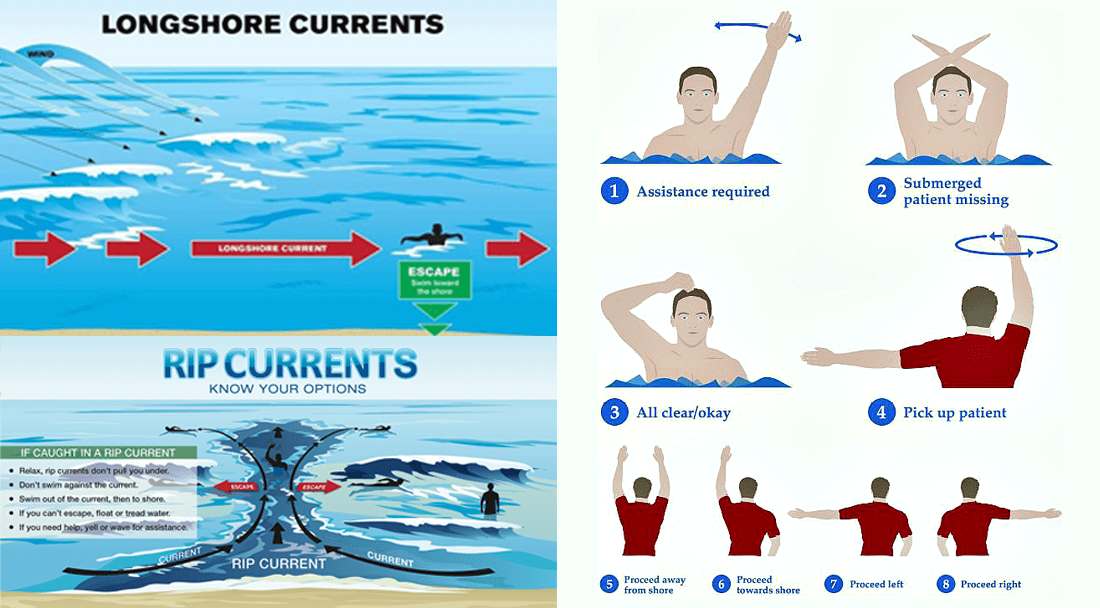
- Strong rip currents: These can pull even strong swimmers away from shore.
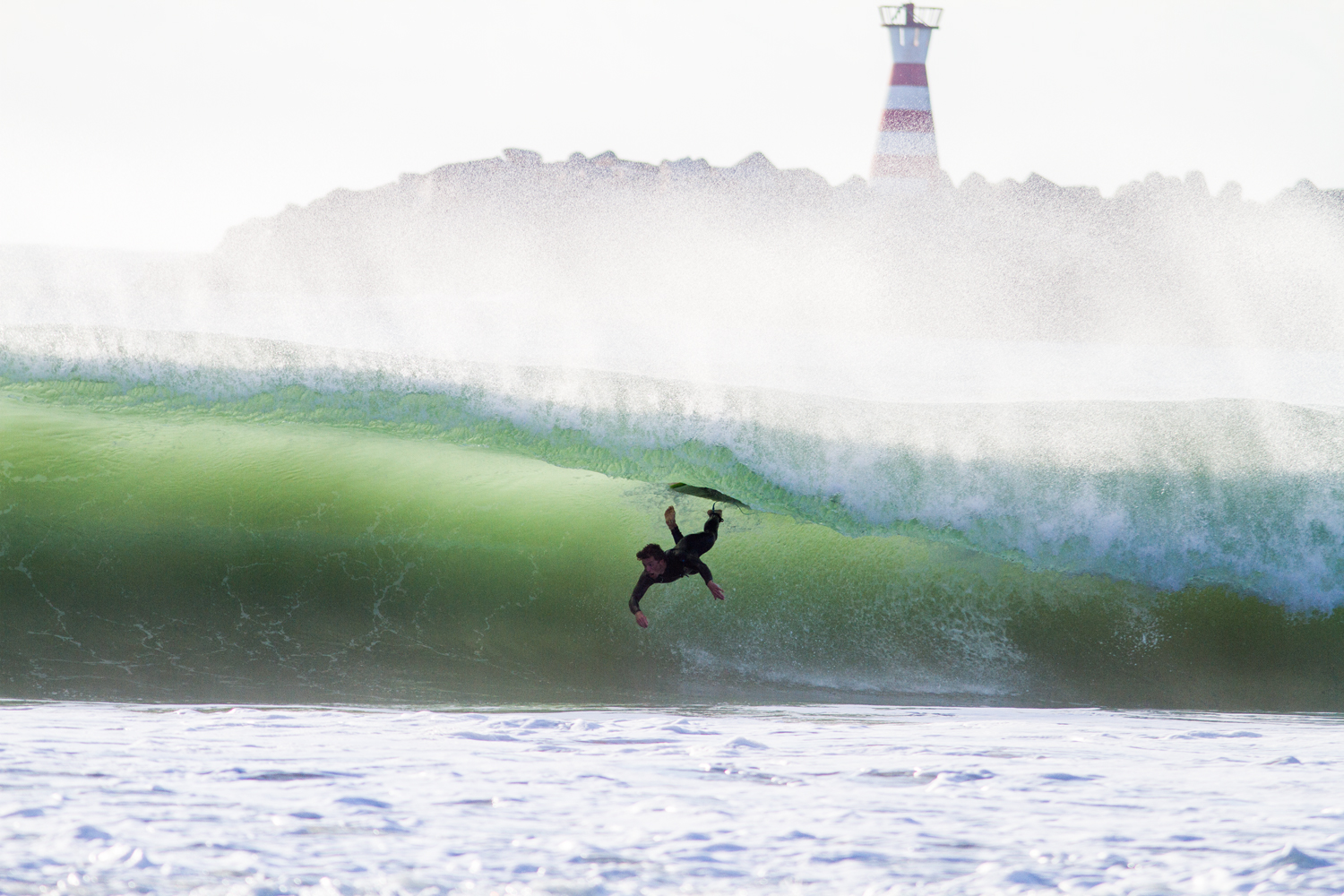
- Wipeouts: Falling off the board during big waves can trap surfers underwater.
- Leash entanglement: The surfboard leash can wrap around ankles or arms, slowing escape.
- Fatigue: Exhaustion makes it hard to swim or stay afloat, especially after long sessions.
2. Shark Encounters
Sharks are part of ocean life, and many people fear them. Shark attacks are very rare, but they do happen. The International Shark Attack File reports that surfers make up about 60% of unprovoked shark attacks worldwide.
What Increases Shark Risk?
- Surfing at dawn or dusk when sharks feed
- Wearing shiny jewelry or bright colors
- Surfing near schools of fish
- Entering water with open wounds
Even though shark attacks are rare, the fear is real. Most surfers never encounter sharks, but staying alert is wise.
3. Wave And Water Hazards
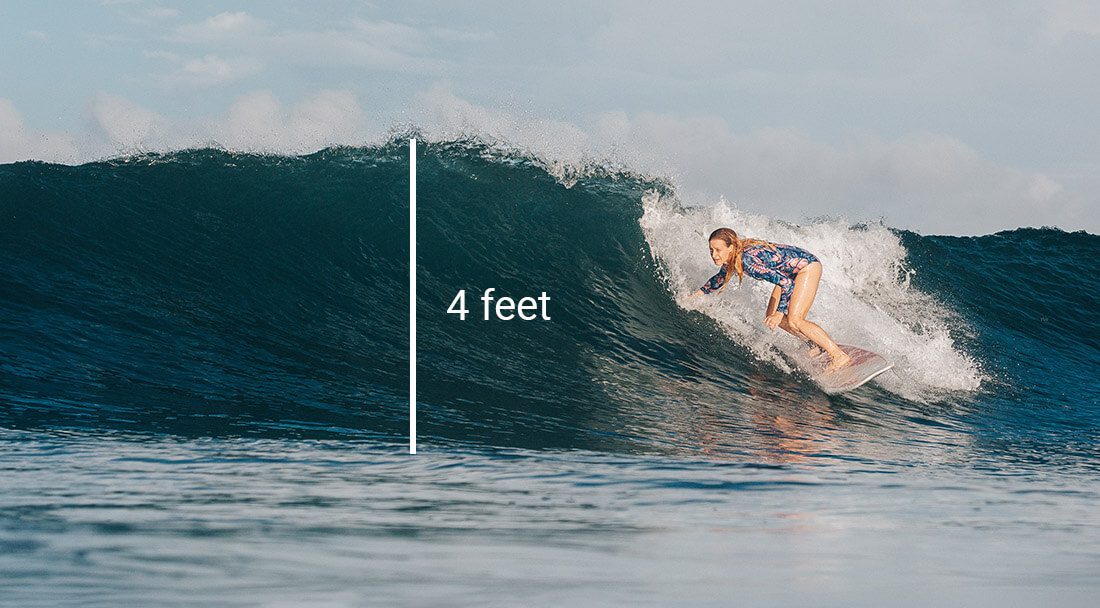
Big waves are exciting, but they can be dangerous. Waves can slam surfers onto the sand, rocks, or reef, causing injury or knocking them unconscious.
Common Wave-related Dangers:
- Impact injuries: Waves can push surfers into hard surfaces.
- Hold-downs: Powerful waves can keep surfers underwater for longer than expected.
- Getting caught inside: Sometimes a set of waves comes, making it hard to get out.
Beginners often underestimate the power of waves. Even small waves can cause trouble if you’re not ready.
4. Collisions
Surfboards are hard and heavy. Collisions with your own board, other surfers, or obstacles can cause bruises, cuts, broken bones, or worse.
Typical Collision Injuries:
- Head injuries from boards
- Broken noses or teeth
- Cuts from fins or rocks
Wearing a helmet and keeping distance from other surfers reduces collision risks.
5. Environmental Hazards
The surf environment hides many dangers:
- Rocks and reefs: Sharp surfaces can cause deep cuts.
- Jellyfish and sea urchins: Their stings or spines can hurt and lead to infection.
- Polluted water: Bacteria and sewage can make surfers sick.
You must check local conditions before entering the water. Many injuries come from not knowing what lies below.
6. Sun And Weather Risks
Surfing means spending hours in the sun. This can lead to sunburn, heat exhaustion, or even skin cancer over time.
Weather-related Dangers:
- Sudden storms
- Lightning strikes
- Hypothermia in cold water
Using sunscreen, wearing protective clothing, and watching the weather forecast are simple but vital steps.
7. Muscle And Joint Injuries
Surfing is demanding. The paddling and balancing cause strain on shoulders, knees, back, and ankles. Overuse can lead to chronic pain or injury.
Common Injuries Include:
- Rotator cuff injuries
- Sprained ankles
- Lower back pain
Stretching before and after surfing, and listening to your body, help prevent these problems.
How Surfing Compares To Other Water Sports
Surfing is not the only sport with risks. Let’s compare surfing to other popular water activities.
| Sport | Injury Rate (per 1,000 hours) | Common Injuries | Fatality Risk |
|---|---|---|---|
| Surfing | 2.6 | Sprains, cuts, bruises | Low |
| Swimming | 1.5 | Muscle strains, cramps | Low |
| Kayaking | 3.0 | Shoulder injuries, drowning | Moderate |
| Windsurfing | 2.2 | Sprains, head injuries | Low |
Surfing has a moderate injury rate, but most injuries are not fatal. Kayaking has a slightly higher risk, mainly due to drowning. Surfing’s main danger comes from the unpredictable ocean.
Why Beginners Face Higher Risks
New surfers face more danger than experienced ones. Here’s why:
- Lack of experience: Beginners don’t know how to read waves, currents, or avoid hazards.
- Weak swimming skills: Many people can paddle, but not swim strongly in rough water.
- Poor board control: Learning to handle the board is tricky and leads to falls.
- Ignoring warnings: Beginners sometimes surf in unsafe conditions or ignore lifeguards.
A big mistake is overconfidence. It’s easy to feel safe in shallow water, but even small waves can surprise you.
Non-obvious Insights: What Most People Miss
Some dangers in surfing are not obvious at first. Here are two insights most beginners overlook:
- Mental Fatigue: Surfing is mentally tiring. Constant focus on waves, other surfers, and hazards can cause lapses in judgment, especially after long sessions. Mental fatigue leads to poor decisions, like paddling out when tired or ignoring warning signs.
- Board Leash Risks: The surfboard leash is a safety tool, but it can also create problems. If the leash wraps tightly around your leg or arm underwater, it can trap you. Many surfers forget to check their leash for damage or proper fit, increasing risk.
How To Reduce Surfing Dangers
Safety in surfing is not just luck. You can lower risks with smart choices.
Key Safety Steps:
- Learn to swim well: Strong swimming saves lives if you lose your board.
- Know the local conditions: Check tides, currents, and weather before entering.
- Start small: Begin with gentle waves and progress slowly.
- Surf with others: Never surf alone, especially in unfamiliar places.
- Use proper equipment: Wear a leash, helmet, and rash guard.
- Listen to lifeguards: Always respect warnings and advice.
- Warm up before surfing: Stretching prevents muscle injuries.
- Stay hydrated and protected: Drink water and use sunscreen.
Many accidents happen because surfers skip these basic steps.
Real-life Examples Of Surfing Accidents
Stories teach us more than numbers. Here are a few real cases:
- Mick Fanning vs. Shark: In 2015, pro surfer Mick Fanning was attacked by a shark during a competition in South Africa. He escaped unharmed, but the event showed that even the best surfers face real risks.
- Local reef injuries: Many surfers in Hawaii suffer cuts and scrapes from coral reefs. These wounds can get infected quickly in warm, salty water.
- Rip current rescues: Lifeguards in Australia rescue thousands of surfers each year caught in rip currents. Most rescues are preventable with better awareness.
Each story highlights the need for respect and caution in the ocean.
Surfing Safety Gear: What Works Best
Surfing gear plays a big role in safety. Here’s how the main equipment compares:
| Gear | Purpose | Effectiveness | Common Mistakes |
|---|---|---|---|
| Leash | Connects board to surfer | Very effective | Using wrong length, damaged leash |
| Helmet | Protects head | Effective in rocky areas | Not wearing in shallow water |
| Rash guard | Protects skin | Moderately effective | Choosing poor fit or fabric |
| Wetsuit | Keeps body warm | Very effective | Choosing wrong thickness |
Beginners often skip helmets and use cheap rash guards. Investing in good gear prevents injuries and improves comfort.
How Surfing Conditions Affect Danger Levels
Not all surf spots are equal. Surfing in different conditions changes the risk.
- Beach breaks: Sand bottom, usually safer for beginners.
- Reef breaks: Sharp coral, higher injury risk.
- Point breaks: Rocky points, can be dangerous if crowded.
Weather, tides, and water temperature also matter. Cold water increases hypothermia risk. High tides can hide rocks. Always ask local surfers or lifeguards about conditions.
The Role Of Surfing Culture In Safety
Surfing culture values respect for the ocean and other surfers. Local rules, called “surf etiquette,” help avoid collisions and fights. Following etiquette is not just polite—it keeps everyone safe.
Key Surf Etiquette Tips:
- Wait your turn for waves.
- Don’t drop in on others.
- Keep a safe distance.
- Communicate in crowded spots.
Ignoring etiquette causes accidents and tension. Learning local customs is part of being a good surfer.
How Surfing Danger Changes With Skill Level
Surfing becomes safer as you gain experience. Beginners face more risk, but skilled surfers handle tougher conditions. However, advanced surfers sometimes push limits, surfing bigger waves that increase danger.
Skill Level Vs. Danger:
| Skill Level | Common Risks | Risk Management |
|---|---|---|
| Beginner | Collisions, drowning, fatigue | Stay in small waves, surf with friends |
| Intermediate | Reef injuries, bigger waves | Check conditions, improve swimming |
| Advanced | Large waves, hold-downs, shark risk | Train, use safety gear, surf with experts |
As you get better, you can handle more, but must stay humble. The ocean is always stronger.
Useful Resources For Surf Safety
Learning about surf safety is easy with the right resources. The International Surfing Association offers guides and tips for surfers of all levels. For more scientific information, visit Wikipedia.
Frequently Asked Questions
Is Surfing More Dangerous Than Swimming?
Surfing is usually more dangerous than swimming because of waves, currents, and hard boards. Swimming in calm pools has fewer risks. The ocean adds unpredictable hazards.
Can You Surf Alone?
It’s possible but not recommended, especially for beginners. Surfing alone increases risk of drowning or injury with no one to help. Always surf with friends or near lifeguards.
How Common Are Shark Attacks On Surfers?
Shark attacks are rare. Most surfers never encounter sharks. About 60% of unprovoked shark attacks happen to surfers, but the chance is still less than 1 in a million.
What Is The Safest Surf Spot For Beginners?
Beach breaks with soft sand and gentle waves are safest. Avoid reef breaks or crowded spots. Ask local surfers or lifeguards for advice.
How Can I Reduce Surfing Injuries?
Warm up, use proper gear, learn local conditions, and surf within your limits. Listening to your body and respecting the ocean are the best ways to stay safe.
Surfing is a thrilling sport, but it’s not without danger. Understanding the risks, preparing properly, and respecting the ocean keeps you safe and lets you enjoy every ride. With the right attitude and awareness, surfing can be a lifetime adventure.

