
If you’ve ever felt knee pain while exercising or worry about making it worse, you’re not alone. Finding a workout that protects your knees while keeping you active can be tough.
That’s where recumbent bikes come in. But are recumbent bikes really good for your knees? This article will help you understand how these bikes work and why they might be the perfect solution to keep your knees safe and your body moving.

Today's Exclusive Deals
Limited-time Exclusive Deals. Check current discount on Amazon.
Check Price on Amazon As an Amazon Associate I earn from qualifying purchases.Keep reading to discover the benefits and what you should know before hopping on one.
Benefits Of Recumbent Bikes For Knees
Recumbent bikes offer many benefits for people with knee concerns. They provide a gentle way to exercise without putting strain on the joints. The design and motion of these bikes support knee health and comfort during workouts.
Reduced Joint Impact
Recumbent bikes reduce the pressure on knee joints. The seating position spreads weight evenly, lowering stress on knees. This makes cycling easier for those with arthritis or knee pain. It helps protect the knees from injury during exercise.
Ergonomic Seat Design
The seat on a recumbent bike is wide and supportive. It keeps the body in a natural position. This design prevents the knees from bending too much or twisting. Riders feel more comfortable, and the risk of knee strain is low.
Smooth Pedaling Motion
Pedaling on a recumbent bike is smooth and steady. The circular motion avoids sudden movements that can hurt knees. This consistent motion improves blood flow and reduces stiffness. It makes exercise gentle and effective for knee health.

Comparing Recumbent And Upright Bikes
Recumbent and upright bikes offer different experiences for knee health. Both types help with low-impact exercise. Choosing the right bike depends on knee comfort and support. Understanding their differences can guide your choice.
Knee Strain Differences
Recumbent bikes place less stress on the knees. The seated position spreads weight evenly. Pedaling motion is smoother and gentler. Upright bikes put more pressure on knee joints. The upright posture pushes knees harder during pedaling. This can cause discomfort for some users.
Posture And Support
Recumbent bikes provide back support and a relaxed posture. The seat supports your lower body well. This reduces strain on knees and hips. Upright bikes require you to lean forward. This can increase knee and joint stress. The lack of seat support may cause fatigue faster.
Suitability For Knee Conditions
People with knee pain often prefer recumbent bikes. They offer a safer, less painful workout. Those with arthritis or injury find relief using recumbent bikes. Upright bikes can work for mild knee issues. Stronger knees handle upright cycling better. Always consult a doctor before starting new exercise.
Expert Opinions On Knee Health
Experts have studied recumbent bikes and their effects on knee health. They offer valuable insights based on science and experience. These opinions help people choose safe exercises for knee problems.
Recumbent bikes reduce stress on the knees. They provide a low-impact workout that many find gentle and effective. Experts share their views on how these bikes support knee recovery and fitness.
Physical Therapist Insights
Physical therapists often recommend recumbent bikes for knee rehabilitation. The bike’s design supports proper knee movement and alignment. It minimizes joint strain during pedaling. Therapists note that this bike helps improve knee strength safely. Patients can build muscle without risking injury. Therapists also highlight the bike’s adjustable seat as a key benefit. It allows users to find a comfortable position, reducing pain and discomfort.
Orthopedic Recommendations
Orthopedic specialists see recumbent bikes as beneficial for knee patients. The bike’s low-impact nature helps protect damaged cartilage. It encourages gentle motion that promotes healing. Orthopedists suggest these bikes for arthritis and post-surgery recovery. They emphasize maintaining a smooth pedal stroke to avoid knee stress. Experts advise adjusting resistance levels to match knee condition. This approach prevents overloading the joint while staying active.
Sports Medicine Perspectives
Sports medicine professionals value recumbent bikes for knee injury prevention. The seated position reduces pressure on the knee cap. This reduces the risk of common sports injuries. Experts note the bike aids in balanced muscle development. Strong muscles help support and stabilize the knee joint. They recommend using recumbent bikes as part of a full rehab plan. This includes stretching, strength training, and proper rest.
Tips For Knee-friendly Cycling
Caring for your knees during cycling is important. Using a recumbent bike can help, but only with the right habits. Follow these tips to keep your knees safe and pain-free while cycling.
These simple steps can reduce knee strain and improve comfort. Start with proper bike setup, warm up before exercise, and increase your effort slowly.
Proper Bike Adjustment
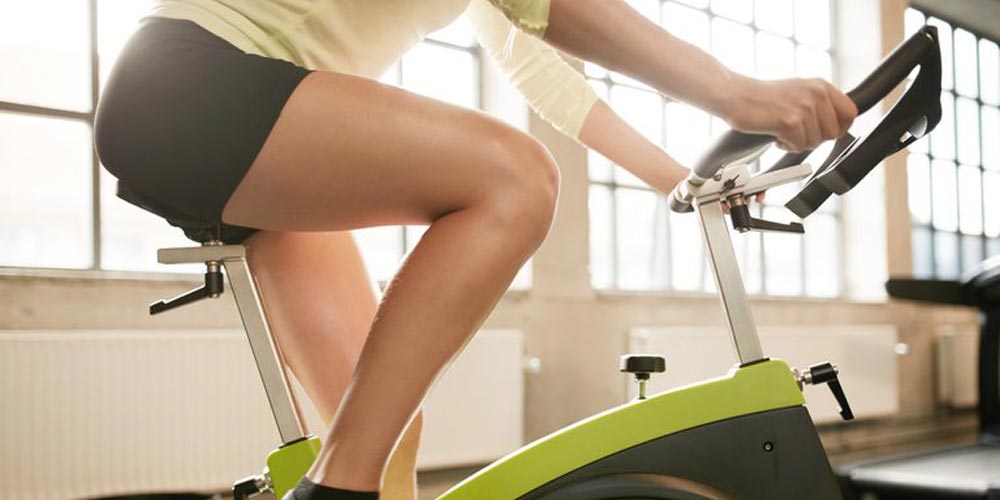
Set your seat height so your leg is almost straight at the pedal’s lowest point. Too low or too high can stress your knees. Adjust the seat forward or backward to find a comfortable reach. Keep your knees aligned with your feet during pedaling. This reduces side stress on the joints.
Warm-up And Stretching
Spend five to ten minutes warming up your muscles before cycling. Gentle leg swings and walking help increase blood flow. Stretch your calves, hamstrings, and quadriceps to improve flexibility. This prepares your knees and reduces injury risk.
Gradual Intensity Increase
Start cycling at a low resistance to let your knees adjust. Increase time and effort slowly over days or weeks. Avoid sudden jumps in speed or resistance. This steady build-up strengthens your knees and avoids pain or damage.
Potential Limitations And Considerations
Recumbent bikes offer many benefits for knee health, but they are not perfect for everyone. Some knee problems may not improve with this exercise. Understanding the limits and when to seek help is important. This helps avoid pain or further injury while staying active.
Not Suitable For All Knee Issues
Recumbent bikes work well for mild knee pain or arthritis. They reduce pressure compared to regular bikes. Yet, serious knee injuries or conditions might not benefit. People with ligament tears or recent surgery may find it painful. The seat position might strain certain knee joints. Listening to your body is key during workouts.
Importance Of Medical Advice
Doctors or physical therapists can guide safe exercise choices. They know your knee history and can suggest the best options. Getting a professional opinion prevents worsening problems. They may recommend modifications or different activities. Always check with a healthcare provider before starting new workouts.
Alternative Low-impact Exercises
Swimming offers full-body movement without stressing knees. Water supports weight and cushions joints well. Walking on soft surfaces like grass or tracks is gentle too. Elliptical machines allow smooth leg motion with low impact. Yoga and stretching improve flexibility and reduce stiffness. Trying various options helps find what suits your knees best.
:max_bytes(150000):strip_icc()/vwt-recumbent-exercise-bikes-may-24-test-sunny-health-fitness-magnetic-claire-spollen-6-62694dc252b9403a9cd79d141d89aab8.jpeg)
Frequently Asked Questions
Are Recumbent Bikes Easier On Knees Than Upright Bikes?
Recumbent bikes reduce knee strain by promoting a natural leg position. They minimize joint impact and offer better support, making them ideal for people with knee pain or arthritis.
Can Recumbent Bikes Help With Knee Pain Recovery?
Yes, recumbent bikes provide low-impact exercise that aids knee recovery. They improve blood flow and strengthen muscles without stressing the joints.
How Do Recumbent Bikes Protect Knee Joints?
Recumbent bikes keep knees aligned and reduce bending stress. The seated position supports hips and knees, lowering the risk of injury.
Is Cycling On A Recumbent Bike Safe For Knee Arthritis?
Cycling on recumbent bikes is generally safe for knee arthritis. It offers gentle motion and low joint pressure, which helps manage arthritis symptoms.
Conclusion
Recumbent bikes offer gentle exercise that protects your knees. They reduce stress by keeping your legs in a natural position. Many users find them comfortable and easy to use. This helps maintain regular workouts without pain or discomfort. Choosing the right bike and seat adjustment matters a lot.
Start slowly and increase intensity as your knees get stronger. This bike type suits people with knee issues or those wanting low-impact exercise. Overall, recumbent bikes can support knee health effectively and safely.

