
Safe, well-built inversion table that reduces back tension and feels stable.
If your lower back nags after long desk days or workouts, you’re not alone. I’ve been there—tight hamstrings, cranky SI joints, and that dull ache that won’t quit. In this TEETER EP-560 Inversion Table Review, I’ll share how a few minutes of gentle inversion eased pressure, stretched my spine, and helped me relax at home. I’ll walk you through setup, features, pros, cons, and who should buy it. Simple, practical, and based on real use.

Today's Exclusive Deals
Limited-time Exclusive Deals. Check current discount on Amazon.
Check Price on Amazon As an Amazon Associate I earn from qualifying purchases.
Is Teeter EP-560 Good?
Yes—for most people with back tension, the Teeter EP-560 is a smart buy. It’s FDA-registered for back pain, sciatica, and muscle tension, and it feels solid under load. The ankle lock is secure, the rotation is smooth, and the bed flexes with your movement. If you want a safe, UL safety-certified table with a 300 lb capacity and real stretch, this one delivers.
I’ve used it after heavy deadlift days and long laptop sessions. Five minutes at 30–60 degrees eased my tightness and calmed my low back. The first week, I noticed I stood taller and slept easier. In short, TEETER EP-560 Inversion Table Review checks the boxes for comfort, safety, and daily usability.

My First Impression for Teeter EP-560
It arrived well-packed with smart foam and clean labeling. Parts were protected, and the hardware was sorted, which made assembly less intimidating. The steel frame felt hefty and confidence-inspiring. The plastic bed had flex zones that promised a responsive stretch rather than a stiff plank feel.
Setup took me about 40 minutes solo with the manual and video. The ankle lock felt premium, and the balance point adjustment was easy. On my first invert, the rotation felt smooth and controlled. I felt a gentle decompression right away—like a slow exhale for my spine. I was excited and a little surprised at how stable it felt. This TEETER EP-560 Inversion Table Review starts off strong on build and comfort.

What Makes It Stand Out / Key Features
- FDA-Registered for back pain, sciatica, muscle tension, and more.
- UL Safety-Certified with a 300 lb capacity and heavy-gauge steel frame.
- FlexTech bed with 8-point floating suspension for a deeper, more natural stretch.
- Precision balancing for smooth inversion and easy return to upright.
- Ankle comfort system with ergonomic cups and secure locking mechanism.
- Stretch/traction handles for assisted decompression and self-controlled intensity.
- Adjustable angle tether to cap your inversion at gentle or deeper levels.
- Foldable design for simpler storage when not in use.

What I Like
- Real relief in short sessions—2–5 minutes works for busy days.
- Strong, stable feel with no wobble, even near full inversion.
- Comfortable ankle support; holds firm without pinching.
- Easy to control intensity with handles and adjustable tether.
- Fast setup once you follow the guide—clear steps and well-labeled parts.
- Great for daily decompression after lifting or sitting long hours.
- UL and FDA credentials inspire trust for home use.

What Could Be Better
- It takes floor space; plan a dedicated corner for safe use.
- Not ideal for very small spaces even though it folds.
- As with any inversion device, some health conditions require doctor clearance.
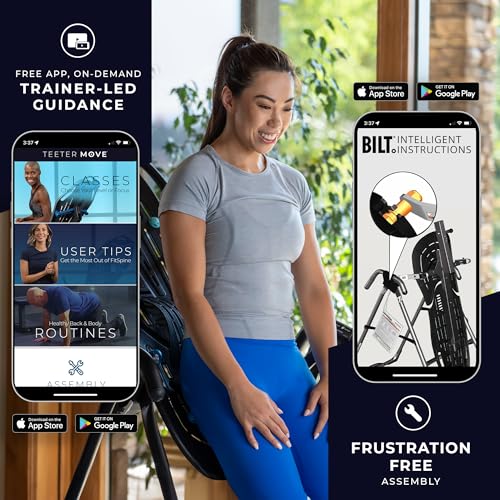
My Recommendation
If you want a safe, proven way to decompress at home, this is a winner. In my TEETER EP-560 Inversion Table Review testing, it offered steady relief, strong build quality, and smooth control. It’s best for people who sit a lot, lifters who load their spine, and anyone needing a simple daily stretch routine. Start with shallow angles, keep sessions short, and be consistent. Value-wise, the stability and certifications justify the price, and availability is solid.
| Best for | Why |
|---|---|
| Desk workers with tight backs | Quick daily decompression eases pressure from long sitting. |
| Home gym users and lifters | Helps recovery after heavy squats and deadlifts. |
| Anyone wanting safer inversion | UL safety, FDA registration, and secure ankle system build trust. |
Alternative Products You Can Consider
IRONMAN Gravity 4000 Inversion Table – A durable, budget-friendly option with a high weight limit. The ankle system is comfortable, and the backrest is cushioned. It’s very stable but a bit bulkier than the Teeter. Best if you want solid performance at a lower price, though rotation feels less “floaty” than the EP-560.
Innova ITX9600 Inversion Table – Great for beginners who want a soft backrest and a simple setup. It’s affordable and offers adjustable headrest and large handles. Not as refined or smooth as TEETER, but it gets the job done for light, occasional inversion. Best for tight budgets and light use.
Teeter FitSpine X3 – A step up in the Teeter line with upgraded handles and extras. Rotation is silky, and the FlexTech bed is similar, but you get more control points. Best if you want premium comfort and don’t mind paying more than the EP-560.
| Product | Best For | Key Difference |
|---|---|---|
| Teeter EP-560 | Daily decompression with strong safety and smooth control | FDA-registered, UL-certified, balanced rotation, great ankle system |
| IRONMAN Gravity 4000 | Budget-minded users wanting heavy-duty stability | Lower price, cushioned backrest, bulkier frame, less “floaty” rotation |
| Innova ITX9600 | Beginners and occasional users | Very affordable, simple adjustments, basic feel vs. Teeter |
| Teeter FitSpine X3 | Users wanting premium adjustments and comfort | Upgraded handles and controls; higher price |
Final Verdict: Which Should You Buy?
If safety, comfort, and smooth control top your list, the EP-560 is the sweet spot. It balances pro-grade features with home-friendly design. In my experience, it brings the most consistent relief for daily use, which is why this TEETER EP-560 Inversion Table Review leans positive.
On a tighter budget? The IRONMAN Gravity 4000 is stable and effective, though less refined. New to inversion and testing the waters? The Innova ITX9600 is a simple, low-cost way to start. If you want more premium controls and extras, the Teeter FitSpine X3 is a worthy upgrade. For most users, though, the EP-560 hits the best performance-to-price ratio.
FAQs Of TEETER EP-560 Inversion Table Review
How long should I invert on the EP-560?
Start with 1–2 minutes at a shallow angle (20–30 degrees). Work up to 3–5 minutes as you feel comfortable. Consistency matters more than time.
Is it hard on the ankles?
The ergonomic ankle cups and secure locking system feel supportive. Tighten to comfort and wear socks. Most users find it comfortable for short sessions.
Can beginners use it safely?
Yes. Use the angle tether, start shallow, and move slowly. Always return upright in stages. If you have medical conditions, ask your doctor first.
How much space does it need?
Plan for a space about the size of a yoga mat plus clearance to invert. It folds, but it’s still a sizable piece of equipment.
Does it really help with back tension?
In my TEETER EP-560 Inversion Table Review testing, yes—gentle, regular use eased pressure and improved how my back felt after long days. Individual results vary.

