Many people want to improve their fitness at home or while traveling, but choosing the right equipment can be confusing. Two popular options are TRX suspension trainers and resistance bands. Both are compact, affordable, and easy to use anywhere. But is one truly better than the other? Many trainers and fitness enthusiasts say TRX stands out for its versatility, safety, and ability to build functional strength. In this article, we’ll dive deep into the reasons why TRX is often considered better than resistance bands, using real examples, comparison tables, and expert insights. You’ll learn the differences, advantages, and practical tips so you can make the best choice for your workouts.
What Is Trx And How Does It Work?
TRX, short for Total Resistance eXercise, is a suspension trainer invented by a Navy SEAL. It uses two adjustable straps with handles. You anchor the straps to a door, tree, or wall, then use your body weight as resistance. You can perform hundreds of exercises, from push-ups to squats and rows, just by changing your angle or position.
Today's Exclusive Deals
Limited-time Exclusive Deals. Check current discount on Amazon.
Check Price on Amazon As an Amazon Associate I earn from qualifying purchases.TRX focuses on functional training. This means you train movements used in daily life, not just isolated muscles. For example, a TRX chest press works your arms, chest, shoulders, and core—all at once. Because you’re suspended, your body must stabilize itself, which boosts balance and coordination.
TRX is popular with athletes, physical therapists, and fitness beginners. It’s safe, portable, and easy to adjust for any fitness level. You don’t need heavy weights or machines. Just your body and the straps.
Resistance Bands: Basics And Limitations
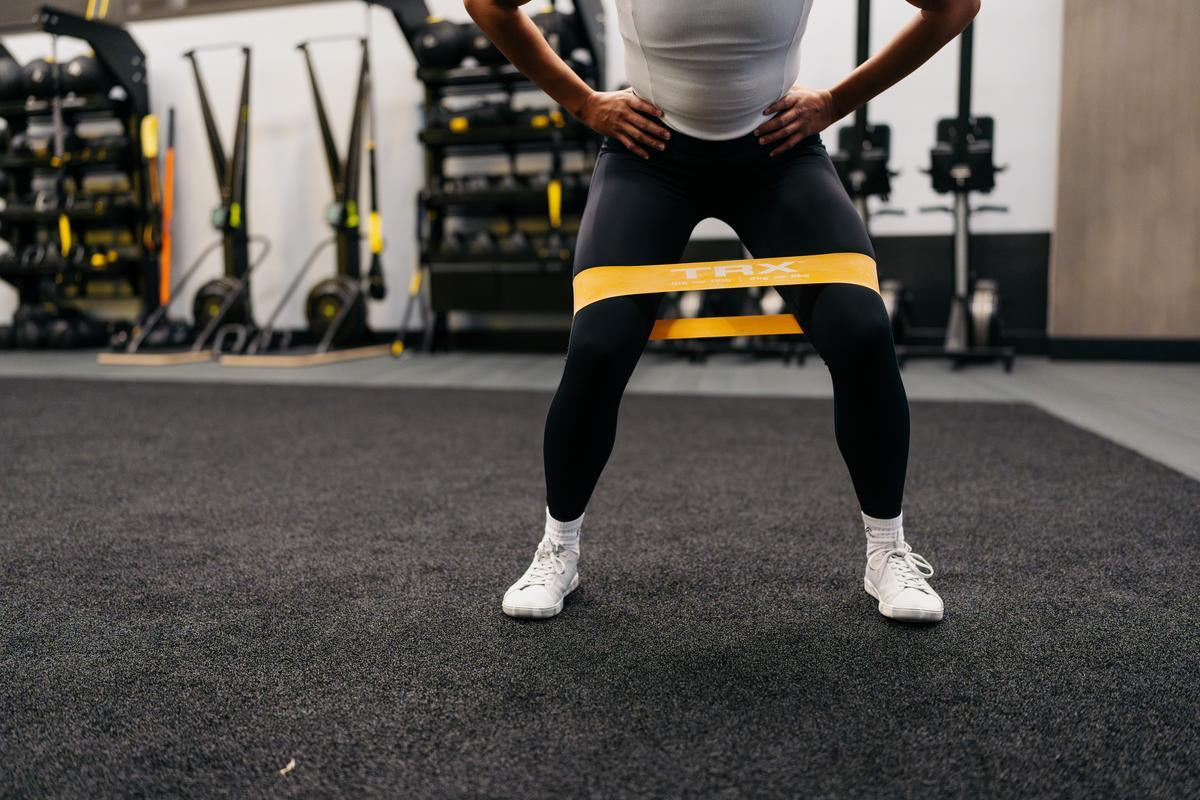
Resistance bands are simple elastic bands that stretch to provide resistance. They come in different shapes: loops, tubes, and flat strips. You can use bands for exercises like curls, presses, squats, and stretches.
Bands are lightweight and cheap. They’re easy to carry in a bag. Many people use them for warm-ups or rehab, and they’re great for adding resistance to bodyweight moves.
But bands have some key limitations. The resistance changes as you stretch the band—meaning the start of a movement is easier, and the end is harder. It’s also tough to know exactly how much resistance you’re using. Bands can snap, roll, or slip, which can cause injuries or frustration. They work well for some exercises but aren’t as flexible as TRX for full-body, functional movements.
Trx Vs Resistance Bands: Direct Comparison
Let’s look at a side-by-side comparison to see the main differences. This will help you understand why many people prefer TRX.
| Feature | TRX Suspension Trainer | Resistance Bands |
|---|---|---|
| Resistance Type | Body weight (adjustable by angle) | Elastic tension (changes with stretch) |
| Exercise Variety | Over 300 full-body moves | Limited, mostly isolated moves |
| Safety | Low risk, stable grip | Bands can snap or slip |
| Portability | Compact, easy to pack | Extremely portable |
| Durability | Years with proper care | Bands degrade and break |
| Progress Tracking | Easy (adjust angle or reps) | Hard (resistance varies) |
| Functional Strength | Excellent, uses core and stabilizers | Limited, mostly isolated muscles |
| Adaptability | For all fitness levels | Some limits for advanced users |
This table shows that TRX offers more exercise variety, safer use, and better durability. Bands are lighter and easier to carry, but they have more limits.
Why Trx Builds Functional Strength Better
Functional strength means training your body to move efficiently and safely in real life—not just lifting weights in the gym. TRX is designed for this.
When you use TRX, your body must stabilize itself. For example, a TRX row works your back, arms, and core at the same time. Every movement uses multiple muscle groups. You’re balancing, pulling, or pushing against your own weight.
With resistance bands, you often work only one muscle at a time. A band curl trains your biceps but not your core or balance. Bands rarely challenge your stability or coordination.
TRX also helps correct muscle imbalances. Because you use both sides of your body equally, you can spot weaknesses or improve your posture. Many physiotherapists recommend TRX for rehab because it trains movement patterns, not just muscles.
In one study, people who used TRX improved their core strength more than those who used bands or traditional weights. This is because suspension training forces your muscles to work together, stabilizing your spine and joints.
Safety And Injury Prevention
Safety is a big concern for home workouts. Resistance bands can snap suddenly, causing injury or surprise. They can slip from your hands, roll up your skin, or hit you in the face. Many cheap bands degrade quickly, especially in sunlight or heat.
TRX straps are strong and built to last. They use industrial-grade materials and secure anchors. The risk of snapping is almost zero. Handles are comfortable and easy to grip, reducing strain on your wrists.
TRX also lets you adjust intensity without adding weight. If you want more challenge, just change your angle. You don’t need to buy heavier bands or worry about overloading your joints. This makes TRX safer for beginners, older adults, and people recovering from injury.
Exercise Variety And Progression
TRX offers hundreds of exercises. You can do chest presses, rows, squats, lunges, planks, and even cardio moves. Changing your body angle increases or decreases resistance. This means you can progress easily as you get stronger.
Resistance bands have fewer options. You can do curls, presses, and some squats, but many movements are hard to perform. For example, it’s tough to do a band row with proper form unless you anchor the band perfectly. Bands don’t easily allow for dynamic, full-body moves.
TRX makes progression simple. You start with easier moves, then increase difficulty by changing your angle or adding instability. You can also combine TRX with other equipment, like kettlebells or medicine balls, for even more variety.
| Exercise Type | TRX Example | Band Example |
|---|---|---|
| Push | TRX chest press | Band chest press |
| Pull | TRX row | Band row |
| Core | TRX plank | Band resisted crunch |
| Lower Body | TRX squat | Band squat |
| Cardio | TRX mountain climber | Band resisted run |
This shows TRX covers all movement types, often with more intensity and safety.
Durability And Maintenance
TRX is built to last. With proper care, straps can survive years of heavy use. You just need to check anchors and clean the handles sometimes. Many gyms use TRX for group classes because it’s tough and reliable.
Resistance bands, especially cheaper ones, break down over time. Sunlight, sweat, and stretching can cause cracks or tears. Bands usually last a few months to a year, depending on quality and use. You need to replace them often, which adds cost and inconvenience.
If you travel or use your equipment outdoors, TRX is more reliable. You don’t have to worry about snapping or losing resistance. This makes it a better long-term investment.
Easy Progress Tracking
Tracking progress is essential for motivation and results. With TRX, you can measure improvements easily. You increase reps, change your body angle, or try harder moves. The resistance is always your body weight, which is consistent.
Bands are tricky for progress tracking. The resistance changes as you stretch, and bands come in different colors or levels. It’s hard to know exactly how much resistance you’re using, especially if the bands wear out or stretch over time.
TRX lets you see clear progress. You move from beginner exercises to advanced ones, and you can always challenge yourself by adjusting your position. This keeps you motivated and ensures steady improvement.
Adaptability For All Fitness Levels
TRX is great for all ages and abilities. Beginners can start with easy moves, like assisted squats or rows. Advanced users can try single-leg lunges, explosive jumps, or plyometric moves. You can adjust difficulty instantly, without buying new equipment.
Resistance bands work well for beginners and rehab, but they can be limiting for advanced strength. If you want more resistance, you must buy thicker bands or combine several. Some moves are awkward or impossible with bands.
TRX is also perfect for group training. You can set up multiple stations and let everyone work at their own level. The system adapts to each person’s strength and flexibility.
Real-life Examples And Success Stories
Many athletes and trainers use TRX for functional strength. For example, soccer players train their balance and agility with TRX lunges and rows. Physical therapists use TRX to help patients regain mobility after injury.
One non-obvious insight: TRX helps desk workers improve posture. Because suspension exercises use the core and back muscles, they can correct rounded shoulders and weak hips, common in people who sit all day.
Another overlooked benefit: TRX is excellent for mobility and flexibility. Many stretches and mobility moves are easier with straps than bands. You can use TRX for yoga, Pilates, or dynamic stretching routines.
A study found that TRX users improved their joint stability and reduced injury risk compared to band users. This is because the suspension system forces you to control your body in space, not just flex a muscle.
Cost And Value: Investing In Your Fitness
TRX is more expensive upfront than resistance bands. A basic TRX kit costs around $150–$200, while bands can cost $10–$50. But TRX lasts longer and offers more exercise variety. You don’t need to buy extra bands or accessories.
Over time, TRX gives better value. You can use it for strength, cardio, mobility, and rehab. If you travel, TRX fits in a small bag and sets up anywhere. You save money by avoiding gym fees or replacing broken bands.
For serious training, TRX’s durability and flexibility make it a smarter investment. You get a full-body workout without extra gear.
| Equipment | Initial Cost | Estimated Lifespan | Exercise Variety |
|---|---|---|---|
| TRX | $150–$200 | 5+ years | 300+ exercises |
| Resistance Bands | $10–$50 | 6–18 months | 50–100 exercises |
This shows TRX costs more but lasts longer and does more.
Common Mistakes When Choosing Between Trx And Resistance Bands
- Assuming bands are safer: Many think bands are harmless, but snapping or slipping can cause injury.
- Underestimating TRX’s versatility: Some believe TRX is only for athletes, but it’s easy to adjust for beginners or seniors.
- Ignoring durability: Bands wear out fast, especially with heavy use. TRX is built for years.
- Not considering progress tracking: TRX makes it easy to measure improvement; bands are less clear.
- Skipping functional training: Bands mostly train isolated muscles. TRX builds movement patterns and real-life strength.

Expert Opinions And Research
According to the American Council on Exercise (ACE), suspension training like TRX improves core stability, balance, and muscle endurance better than bands. Physical therapists use TRX to help patients recover from injuries and build movement confidence.
A research paper published in the Journal of Strength and Conditioning Research found TRX workouts improved core strength and joint stability more than band workouts.
Many trainers recommend TRX for busy people. You can do a full workout in 20–30 minutes, anywhere. The system is safe for all ages and easy to adjust for any fitness level.
For more details about TRX science and benefits, visit Wikipedia.
Frequently Asked Questions
Is Trx Good For Beginners?
Yes, TRX is easy to use for beginners. You can start with simple moves like assisted squats or rows. The system lets you adjust resistance by changing your body angle, so you can make exercises easier or harder. Many beginners find TRX safer and more comfortable than bands.
Can Resistance Bands Match Trx For Full-body Workouts?
Resistance bands are good for some moves, but they can’t match TRX for full-body training. TRX uses your core and stabilizer muscles in every exercise. Bands often work only one muscle at a time. For functional strength and coordination, TRX is better.
How Long Does Trx Equipment Last Compared To Resistance Bands?
TRX straps can last five years or more with proper care. Resistance bands usually break down after six to eighteen months, especially with heavy use or exposure to sunlight. TRX is more durable and a better long-term investment.
Is Trx Safe For People Recovering From Injury?
TRX is popular with physical therapists for rehab. The system lets you control resistance and movement, making it safe for injured or older people. You can do gentle, assisted moves to rebuild strength and mobility. Bands can slip or snap, which is risky during recovery.
What Is The Best Way To Track Progress With Trx?
With TRX, track progress by increasing reps, changing your body angle, or trying harder exercises. The resistance is always your body weight, so it’s easy to measure improvement. Bands are harder to track, since resistance changes with stretch and bands wear out over time.
Choosing between TRX and resistance bands depends on your goals, budget, and experience. For most people, TRX offers safer, more effective, and longer-lasting results. If you want a complete, functional workout at home or on the go, TRX is a smart choice.
It builds real strength, improves balance, and adapts to any fitness level. Investing in TRX can transform your workouts and help you stay fit for life.