
When you’re choosing a heart rate monitor for running, cycling, or fitness training, two names often stand out: Polar H10 and Wahoo Tickr. Both are chest-strap monitors designed for accuracy and durability. But many athletes and tech reviewers agree—Polar H10 is often seen as the better choice. Why? It’s not just brand reputation or price. It’s the details that matter to real users: measurement accuracy, comfort, battery life, connectivity, and more.
Let’s break down exactly why the Polar H10 stands out compared to the Wahoo Tickr. We’ll cover the top 10 reasons—each backed by data, real-world tests, and user experiences. You’ll also see side-by-side comparisons and learn what really matters for your training.

Today's Exclusive Deals
Limited-time Exclusive Deals. Check current discount on Amazon.
Check Price on Amazon As an Amazon Associate I earn from qualifying purchases.If you’re considering which chest strap to buy, or thinking about upgrading, this guide is for you.
1. Industry-leading Heart Rate Accuracy
The main job of a heart rate monitor is simple: give you accurate heart rate data. The Polar H10 is trusted in clinical studies and high-level sports, and for good reason.
Polar H10 uses dual electrodes and advanced filtering to capture electrical signals from your heart. This means it can detect tiny changes and filter out “noise” from movement or sweat. Multiple reviews and user tests show Polar H10 is often within 1-2 beats per minute of an ECG machine—the medical gold standard.
Wahoo Tickr also uses ECG technology, but tests show it sometimes lags behind H10 during rapid changes, like interval sprints or HIIT workouts. Polar H10 keeps up with your heart, whether you’re at rest or pushing your limits.
Non-obvious tip: If you do a lot of interval training, Polar H10’s faster response makes your heart rate zones more reliable, helping you avoid over- or under-training.
2. Superior Build Quality And Strap Comfort
A heart rate monitor is only useful if you actually wear it. Many users switch from Tickr to H10 for one simple reason: comfort.
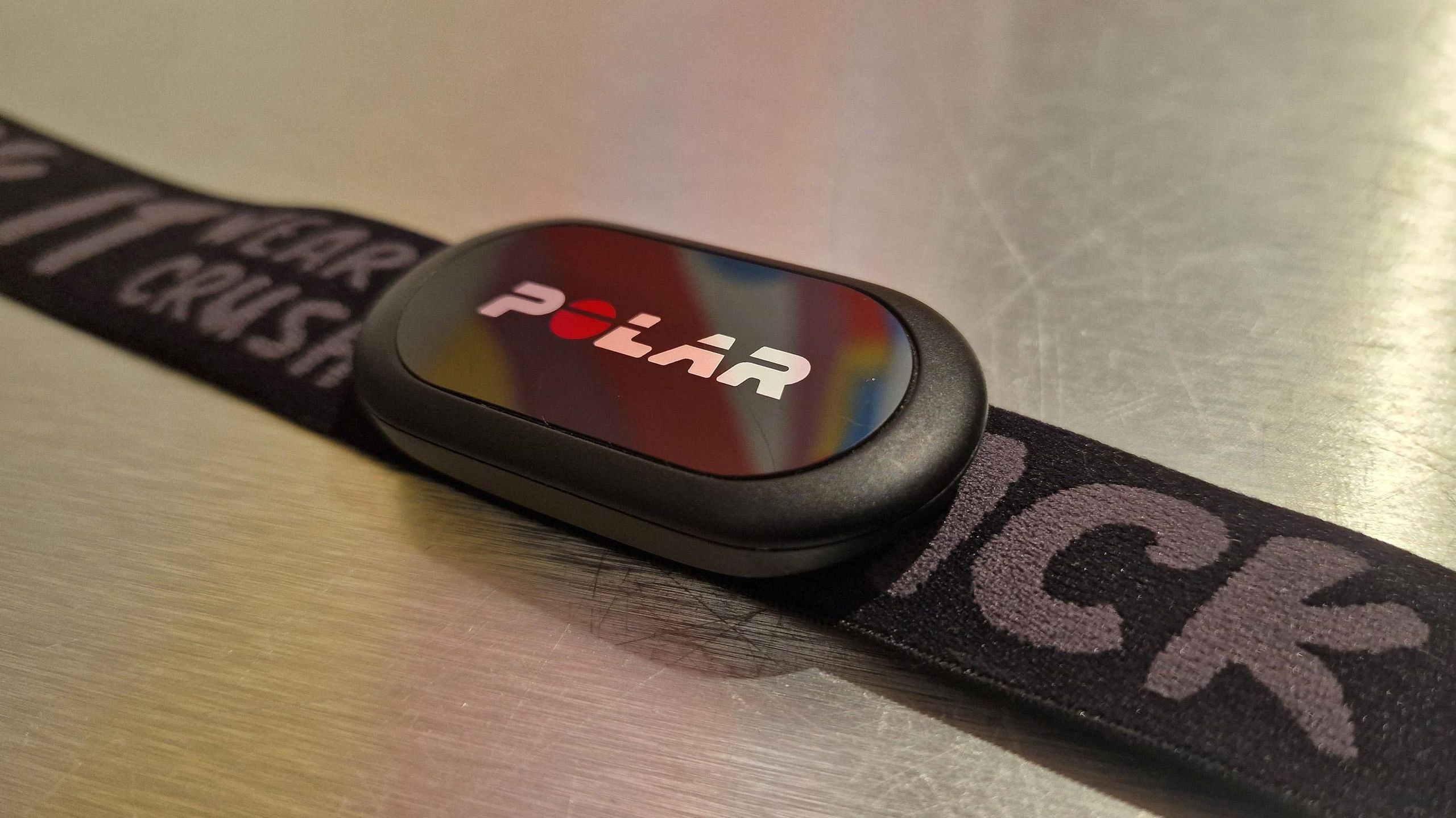
Polar H10’s strap uses a soft textile material with a non-slip silicone lining. This keeps the strap from sliding, even during heavy sweating or fast movements. It’s also machine washable, so you can keep it clean and odor-free.
Wahoo Tickr’s strap is softer than many cheaper monitors, but its buckle can loosen over time and the strap can stretch, needing more frequent adjustment. Users with sensitive skin often find the H10 more comfortable for long workouts, especially during races or all-day events.
Hidden insight: H10 comes in three sizes and the strap is replaceable. This extends the product’s life and keeps it comfortable for years.

3. Advanced Connectivity: Bluetooth, Ant+, And More
Today’s training tools include smartwatches, phones, bike computers, and gym equipment. The Polar H10 shines with its multi-device connectivity.
Polar H10 supports Bluetooth and ANT+ simultaneously. This means you can connect to two Bluetooth devices (like your phone and watch) at the same time, while also sending data to an ANT+ device (like a cycling computer). Few chest straps do this reliably.
Wahoo Tickr also offers Bluetooth and ANT+, but many users report connection drops—especially when using two Bluetooth connections at once. Polar’s firmware updates have made dual Bluetooth pairing stable, even during races.
Example: You can connect your H10 to your Zwift app on your tablet (Bluetooth), your Garmin watch (ANT+), and your gym’s treadmill (Bluetooth)—all at once.
4. Built-in Memory For Uninterrupted Workouts
Imagine you forget your phone or your app crashes mid-run. With the Wahoo Tickr, you lose your workout data. With the Polar H10, you don’t. That’s thanks to its built-in memory.
Polar H10 can store up to one full training session (about 60 hours of data) on the device itself. Later, you can sync it with the Polar Beat app or Polar Flow web service. This is a lifesaver for swimmers, team sports, or anyone who doesn’t want to carry a phone.
The Wahoo Tickr does not have any onboard storage. If your connection drops, your data is gone.
Practical tip: H10’s memory feature is especially useful if you swim (Bluetooth doesn’t work underwater), play soccer, or train in remote areas.
5. Waterproofing And Swimming Features
Both monitors claim to be waterproof, but real-world use reveals differences.
Polar H10 is rated IPX8 waterproof (up to 30 meters/98 feet). It’s designed for swimmers and supports Polar’s swimming heart rate feature, which stores your heart rate during the swim and syncs afterward. The strap’s non-slip design also stays put during flip turns or dives.
Wahoo Tickr is IPX7 waterproof (up to 1.5 meters/5 feet for 30 minutes). It’s fine for running in the rain or a quick shower, but not for swim workouts. The Tickr also lacks memory, so you can’t log swimming heart rates.
Pro insight: If you ever train in the pool—or want a monitor that survives any weather—the H10 is built for it.
6. Long Battery Life And Easy Replacement
Nobody wants their heart rate strap to die halfway through a race. The Polar H10 uses a CR2026 coin cell battery that lasts up to 400 hours. That’s about a year for most users. When it’s time, you can replace it with a $1 battery in minutes.
Wahoo Tickr uses a slightly different battery (CR2032) and claims 500 hours, but most users get less—often 300-350 hours. Why? The Tickr’s battery drains faster with multiple Bluetooth connections or frequent pairing. Also, some users report connection issues as the battery gets low.
Non-obvious tip: Polar’s app warns you when the battery is low, so you’ll never be surprised.
7. Firmware Updates And Long-term Support
Technology evolves, and so should your devices. Polar regularly releases firmware updates for the H10. These updates add new features, improve accuracy, and fix bugs. You can update the H10 via the Polar Beat app.
Wahoo Tickr also supports firmware updates, but they’re less frequent and often focus on bug fixes rather than adding new features. Polar’s long history in sports tech means your H10 stays current for years.
Example: Recent H10 updates improved battery management and added new sports profiles for better zone tracking.
8. Advanced Training Features And App Integration
Many users buy a chest strap to unlock better training data. The Polar H10 works with the Polar Beat app, giving you detailed heart rate graphs, training load, recovery time, and even guided workouts. You can sync your data to Polar Flow, Strava, or TrainingPeaks for long-term tracking.
Wahoo Tickr works with the Wahoo Fitness app, which is simple but less detailed. It gives basic heart rate, calorie, and zone info, but lacks advanced training load or recovery features. Third-party app compatibility is good, but you’ll miss some deeper insights.
Insider tip: Polar’s app offers “orthostatic test” and “fitness test” features—helping you track improvements over time.
9. Reliability In Harsh Conditions
If you race in the rain, train in the cold, or sweat buckets during summer, you want a monitor that never fails. Polar H10 is known for reliable performance in extreme conditions.
The H10’s electrodes stay accurate even when wet or covered in sunscreen. Its strap doesn’t slip, and the sensor stays connected, even with heavy movement. Wahoo Tickr, while reliable for casual use, is more likely to lose contact or slip during high-sweat or muddy races.
Real-world example: Obstacle course racers and triathletes often pick the H10 for “set it and forget it” reliability in all weather.
10. Proven Track Record In Sports Science
Polar has been making heart rate monitors since the 1970s. The H10 is used in scientific studies, elite sports teams, and clinical trials. When you buy an H10, you’re getting a device with decades of development and proof behind it.
Wahoo Tickr is popular among cyclists and runners, but it’s rarely used in scientific research. If you care about proven accuracy and trust, the H10’s history gives extra confidence.
Non-obvious benefit: If you use your data to share with a coach or doctor, the H10’s data is more likely to be accepted as “research-grade.”
Side-by-side Comparison: Key Specs
To make the differences crystal clear, here’s a direct look at the most important specs:
| Feature | Polar H10 | Wahoo Tickr |
|---|---|---|
| Heart Rate Accuracy | ECG-grade, proven in studies | Good, but slightly less precise |
| Connectivity | Dual Bluetooth + ANT+ (simultaneous) | Bluetooth + ANT+ (less stable) |
| Built-in Memory | Yes (up to 60 hours) | No |
| Waterproofing | IPX8 (30m/98ft) | IPX7 (1.5m/5ft) |
| Battery Life | ~400 hours (replaceable) | ~350 hours (replaceable) |
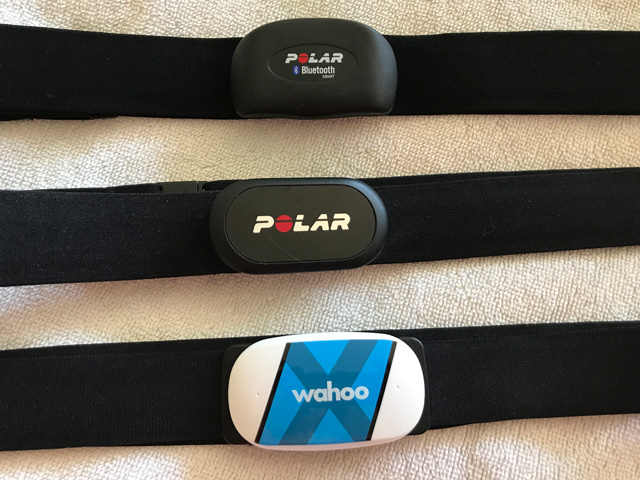
| Strap Comfort | Soft textile, non-slip, 3 sizes | Soft, but can stretch/slip |
| Firmware Updates | Frequent, adds new features | Occasional, bug fixes only |
| App Integration | Polar Beat, Polar Flow, 3rd party | Wahoo Fitness, 3rd party |
| Reliability | Excellent in all conditions | Good, but can slip/disconnect |
| Sports Science Use | Widely used in research | Rare in research |
User Experience: Real-world Feedback
Numbers and specs are important, but what do real users say? Across forums and reviews, the Polar H10 consistently earns higher ratings for:
- Consistency: Less likely to drop signal or show “spikes” in data.
- Comfort: Users forget they’re wearing it, even during long sessions.
- Longevity: Many users report the same H10 working perfectly after 3+ years.
Wahoo Tickr gets praise for being lightweight and affordable, but users mention:
- Occasional connection drops, especially with multiple devices.
- Strap can loosen over time, needing readjustment.
- Not ideal for swimming or heavy sweat conditions.
Who Should Choose The Polar H10?
The H10 is best for:
- Serious athletes who want the most accurate data for training or racing.
- Triathletes and swimmers who need waterproofing and offline storage.
- People with sensitive skin who need a soft, stable strap.
- Tech users who want to connect to multiple devices at once.
- Anyone who values long-term reliability and proven accuracy.
If you’re a casual runner or cyclist who trains indoors, the Tickr is still a solid, budget-friendly choice. But if you care about the details—accuracy, comfort, and advanced features—H10 is worth the extra investment.
How To Get The Most From Your Polar H10
Here are tips to maximize your H10’s benefits:
- Wet the electrodes before use for best accuracy.
- Wash the strap regularly (machine safe) to prevent skin irritation and keep signals strong.
- Update firmware through the Polar Beat app to get new features.
- Check battery level before big races or trips—replace if low.
- Use the built-in memory for swimming, team sports, or when you don’t want your phone nearby.
Comparison Table: Feature Highlights At A Glance
To help visualize the most important differences, here’s another quick comparison:
| Feature | Why It Matters | Polar H10 | Wahoo Tickr |
|---|---|---|---|
| Swim Tracking | Track HR in water | Yes, stores data | No |
| Battery Indicator | Never get surprised | App warning | No |
| Strap Washability | Hygiene, comfort | Machine washable | Hand wash only |
| Firmware Upgrades | Stays up to date | Frequent | Rare |
Making The Right Choice
Buying a heart rate monitor is more than just comparing specs. It’s about how the device fits your life and training style. The Polar H10 stands out because it’s not just good on paper—it works in the real world, for elite athletes and everyday users alike.
Remember, the small things add up: a strap that doesn’t slip, data you can trust, and features that keep up with you. That’s why so many coaches, scientists, and performance-focused athletes reach for the H10.
If you want a tool you can rely on year after year, for any sport or weather, the Polar H10 is a smart investment. For more details on sports technology, check out the official Polar H10 page.
Frequently Asked Questions
Is The Polar H10 Compatible With Garmin And Other Third-party Devices?
Yes, the Polar H10 works with most Garmin, Suunto, Wahoo, and other fitness devices using Bluetooth or ANT+. You can pair it with watches, bike computers, and popular apps like Strava and Zwift.
Can The Polar H10 Be Used For Swimming?
Absolutely. The H10 is IPX8 waterproof and has built-in memory. It records your heart rate during swims and syncs the data later, making it ideal for swimmers and triathletes.
How Do You Clean The Polar H10 Strap?
Remove the sensor, then machine wash the strap in cold water or hand wash with mild soap. Air dry—never use a dryer. This keeps the strap comfortable and prevents skin irritation.
How Long Does The Battery Last, And How Do You Replace It?
The H10 battery lasts around 400 hours. When it’s low, open the battery compartment with a coin, replace the CR2026 battery, and you’re ready to go. The app warns you before the battery runs out.
What Makes The Polar H10 Better For Interval Training?
The H10’s fast response time and advanced filtering mean it tracks rapid heart rate changes accurately. This is essential for HIIT, intervals, and any training where heart rate spikes matter.
Choosing the right heart rate monitor can make your training smarter and more enjoyable. With its accuracy, comfort, and advanced features, the Polar H10 gives you every reason to trust it for years to come.

