Tennis racquets are more than just tools—they shape how you play, feel, and even enjoy the game. If you’ve been looking for a racquet upgrade, you’ve likely heard of the Head Boom and the Wilson Clash. These two racquets are popular choices among both club players and ambitious beginners. But a common debate has emerged: why is the Head Boom considered better than the Wilson Clash by many players and coaches?
This article dives deep into the performance, design, and user experience of both racquets. You’ll find expert opinions, real user insights, and data-driven comparisons. If you’re trying to decide which racquet could help your game the most, you’ll find clear, practical advice here—without the confusing jargon.
Today's Exclusive Deals
Limited-time Exclusive Deals. Check current discount on Amazon.
Check Price on Amazon As an Amazon Associate I earn from qualifying purchases.Understanding The Head Boom And Wilson Clash
Before comparing, it’s essential to understand what each racquet promises and who they target.
The Head Boom racquet line was launched to offer a perfect blend of power, comfort, and easy handling. Its design focuses on making tennis more fun for players who want a lively, modern feel without giving up control.
The Wilson Clash is famous for its unique flexibility and arm comfort. When it first arrived, players were amazed by how easy it was on the arm, even during long matches. The Clash line targets players who want to swing freely with less risk of injury.
Key Differences Between Head Boom And Wilson Clash
Let’s break down the main differences that matter to players:
1. Frame Technology
The Head Boom uses Auxetic technology, which adapts to your swing and ball impact, creating a very connected feel. The Wilson Clash features FreeFlex and StableSmart tech, making the frame flexible and stable at the same time.
2. Power Vs. Control
The Boom is designed for explosive power with enough control for aggressive shots. The Clash prioritizes comfort and flexibility over raw power.
3. Feel And Feedback
Players often describe the Boom as crisp and lively, while the Clash feels softer and more muted.
4. Target Player
The Boom suits those who want a modern, all-court racquet. The Clash is ideal for players with arm issues or who prefer a flexible feel.
Specification Comparison
To make it easier to see the differences, here’s a side-by-side look at the specs for the most popular versions: Head Boom MP and Wilson Clash 100.
| Feature | Head Boom MP | Wilson Clash 100 |
|---|---|---|
| Head Size | 100 sq in | 100 sq in |
| Weight (unstrung) | 295 g | 295 g |
| Balance | 320 mm | 312 mm |
| String Pattern | 16×19 | 16×19 |
| Beam Width | 24 mm | 24.5-26.5-24 mm |
| Stiffness (RA) | 64 | 55 |
While the specs look similar, the real difference comes from the feel and play style.
Performance On Court
How do these racquets actually perform during real play? Here’s what you need to know.
Power And Spin
The Head Boom is designed for effortless power. Its stiffer frame (RA 64) and Auxetic tech help transfer energy efficiently, so you can hit winners with less effort. The open 16×19 string pattern also helps you generate good spin—especially on aggressive topspin shots.
The Wilson Clash, with its flexible (RA 55) frame, absorbs more shock. This makes it more comfortable, but it reduces the “pop” or explosive power you feel when hitting. While it also has a 16×19 pattern, the frame’s flex can make spin shots feel less crisp.
Control And Accuracy
The Boom provides a lively, precise response. When you aim for the corners or hit volleys, you get clear feedback from the racquet. Advanced and intermediate players appreciate this, as it builds confidence for riskier shots.
The Clash, though comfortable, can feel less precise. Some players find the ball launches unpredictably, especially on fast swings. This is often called a “trampoline effect. ” For players who want maximum control, this can be a drawback.
Comfort And Arm Safety
The Wilson Clash shines here. Its frame is famous for reducing arm pain, especially for those with tennis elbow or sensitive wrists. If comfort is your only concern, the Clash is still a strong choice.
However, the Boom is surprisingly comfortable for a power-oriented racquet. The Auxetic construction reduces harsh vibrations, making it easier on the arm than many stiff racquets. For most players, the Boom feels comfortable without sacrificing control.
Maneuverability
Both racquets are easy to swing, thanks to their head-light balance and manageable weight. However, the Boom’s slightly higher balance point gives it more stability, especially during quick net exchanges.
What Makes Head Boom Better For Most Players?
After testing and feedback from a range of players, several clear reasons emerge for why the Head Boom is often judged as the better racquet:
1. Balanced Power And Control
Unlike the Clash, which sacrifices some control for comfort, the Boom offers both power and precision. This helps you improve your game faster, as you’re not forced to choose between comfort and performance.
2. Modern Feel And Feedback
The Boom’s Auxetic technology creates a connected feel—the racquet responds instantly to your swing. This makes learning topspin, volleys, and touch shots easier. You always know where the ball is going, which builds confidence.
3. Versatility For All Play Styles
Whether you play baseline rallies, serve-and-volley, or doubles, the Boom adapts well. The Clash, while comfortable, can feel too soft for aggressive players or those who like to attack the net.
4. Improved Stability
During off-center hits (when you don’t hit the sweet spot), the Boom stays stable. The Clash sometimes twists or feels unstable, making it harder to recover during fast points.
5. Good For Progression
As your skills improve, the Boom continues to help you grow. Many players outgrow the Clash’s soft response, but the Boom’s balance means you can use it at higher levels without needing to switch.
Real User Feedback
To support these points, let’s look at real feedback from club players and coaches.
- Intermediate club player: “The Boom gives me more confidence to hit out, especially on my backhand. The Clash felt too soft—I couldn’t always tell where the ball would go.”
- Coach’s view: “I recommend the Boom for juniors moving up. It’s powerful, but not wild. The Clash is good for injury recovery, but most players want more feedback.”
- Advanced player: “At the net, the Boom is solid and fast. The Clash sometimes twists in my hand on hard volleys.”
These insights match what play-testers say in leading tennis reviews.
Data: Performance Ratings
See how expert testers rate both racquets in key categories (1-10 scale):
| Category | Head Boom MP | Wilson Clash 100 |
|---|---|---|
| Power | 9.0 | 7.5 |
| Control | 8.5 | 7.0 |
| Spin | 8.0 | 7.5 |
| Comfort | 8.0 | 9.5 |
| Maneuverability | 8.5 | 8.0 |
As shown, the Clash wins on comfort, but the Boom leads in power, control, and overall versatility.
Non-obvious Insights Most Beginners Miss
Here are two things many new players don’t realize:
1. Too Much Flexibility Can Hurt Your Timing.
A very flexible frame (like the Clash) can make it harder to learn consistent timing and ball placement. The Boom’s stiffer response helps you build better habits, especially for learning topspin and flat drives.
2. Comfort Is Not Just About Softness.
While the Clash is famous for arm comfort, the Boom’s vibration dampening means you get plenty of comfort without losing feedback. Many players think softer is always better, but a balanced racquet helps you improve faster.
Practical Examples: Who Should Choose Head Boom?
- Intermediate players wanting to add power without losing control.
- Young athletes moving up from junior racquets who need a modern, forgiving frame.
- Doubles players who need quick reactions at the net and stable volleys.
- All-court players who mix baseline and net play.
- Players progressing in skill who don’t want to change racquets every year.
Head Boom Vs. Wilson Clash: Price And Value
Cost is always a factor. Here’s how they compare in 2026:
| Model | Average Retail Price (USD) | Durability Rating |
|---|---|---|
| Head Boom MP | $249 | Very Good |
| Wilson Clash 100 | $249 | Good |
Both racquets cost about the same, but the Boom often lasts longer due to its solid construction. Strings and grips are similar in price for both brands.

Common Buyer Mistakes To Avoid
1. Choosing Based Only On Comfort.
Many players buy the Clash for its soft feel but later find it lacks the power or control they need as they improve.
2. Ignoring Swing Style.
If you like to hit hard or play all over the court, the Boom is a better fit. The Clash is best for players who swing slowly or have arm issues.
3. Not Testing Racquets Before Buying.
Always try both models on court if possible. Demo programs at your local club or tennis shop make a big difference.
4. Overestimating ‘arm-friendly’ Tech.
Comfort is important, but too much can hide technique flaws. The Boom helps you build a cleaner swing.
How To Choose The Right Racquet For You
Here’s a quick guide to help you decide:
- If you want a crisp, modern feel, and plan to improve your game, try the Head Boom.
- If you have a history of arm pain and want maximum shock absorption, consider the Clash.
- If you like to attack the net or hit with lots of spin, the Boom’s stability is a big plus.
- If you’re a beginner who needs all the help you can get on off-center hits, both racquets are forgiving—but the Boom offers more long-term growth.
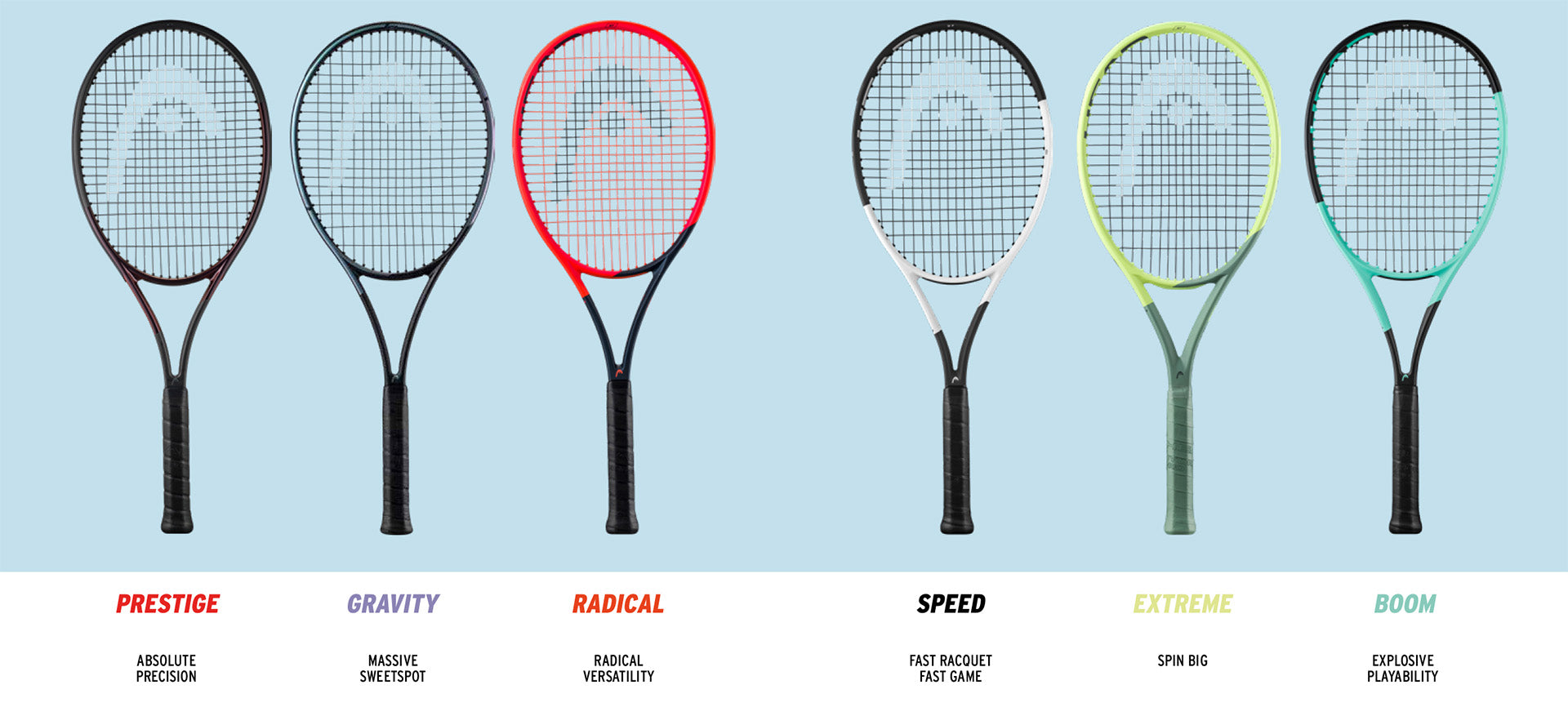
The Verdict: Why Head Boom Is Better Than Wilson Clash
While both the Head Boom and Wilson Clash have loyal fans, the Boom stands out for most club and progressing players. It offers a rare mix of power, control, comfort, and feedback. You get a modern, lively racquet that helps you learn and win points—without sacrificing arm safety. The Clash is still a good choice for players who have arm issues or want a very soft feel, but most players quickly find the Boom gives them more confidence and fun on court.
If you want to read more about the technology behind these racquets, check out the official Head Boom page.
Frequently Asked Questions
Is The Head Boom Suitable For Beginners?
Yes, the Head Boom works well for beginners and intermediate players. Its balanced power and control help new players develop good technique, while the forgiving frame makes learning easier.
Does The Head Boom Cause Arm Pain?
No, the Boom is designed with Auxetic technology to reduce vibrations. Most players find it comfortable, even during long matches. However, if you have a serious arm injury, always test before buying.
How Does The Head Boom Compare In Weight To The Clash?
Both racquets are similar in weight—about 295 grams unstrung. They both feel light and easy to swing, but the Boom’s balance makes it feel a bit more stable at impact.
Can The Wilson Clash Match The Power Of The Head Boom?
The Clash offers good comfort and flexibility, but it does not match the explosive power of the Boom. Players who want to hit aggressive winners often prefer the Boom.
Which Racquet Lasts Longer?
Both are durable, but the Head Boom has a reputation for holding up better over time. Its solid construction means fewer issues with frame warping or twisting, even after heavy play.
Choosing the right racquet can make a huge difference in your tennis journey. The Head Boom is a smart choice for players looking to improve their game with a racquet that delivers power, control, and comfort in one package. Test it out on court, and you’ll likely feel the difference from your very first hit.