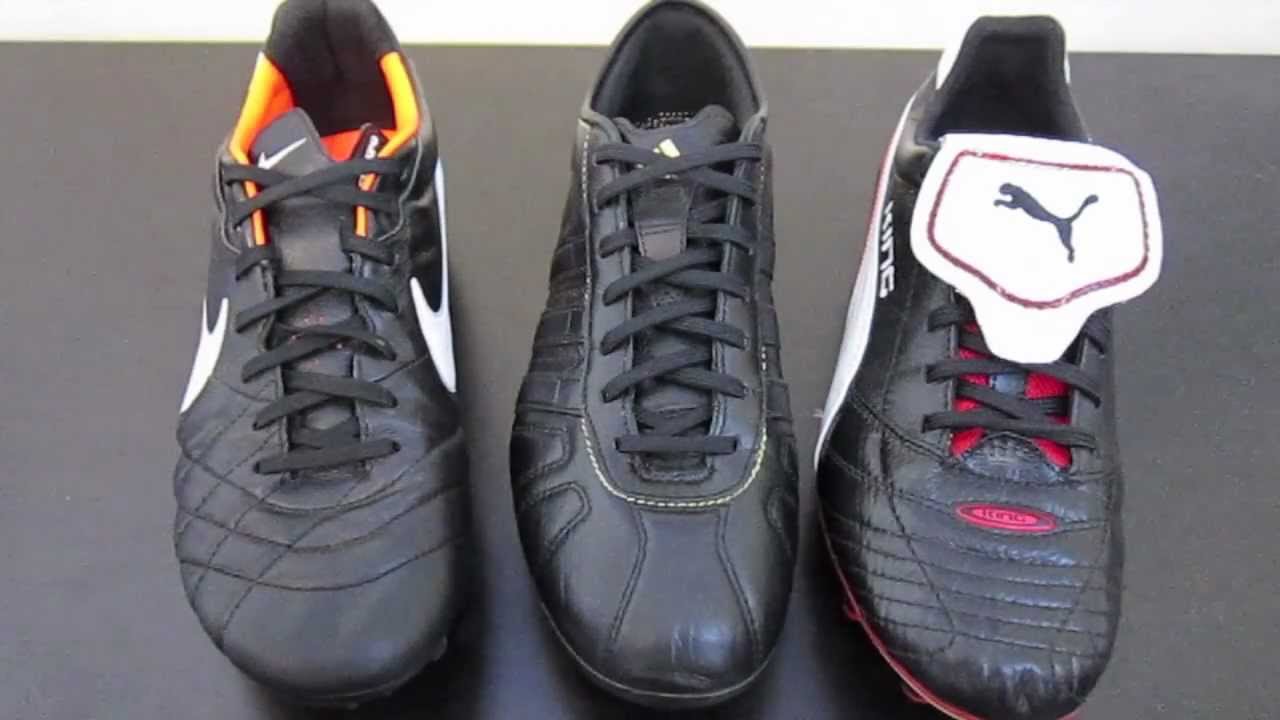
For decades, two names have stood at the top of classic football boot design: Adidas Copa and Puma King. Both have been worn by legends. Both have seen countless goals, tackles, and glories. But ask players, coaches, and collectors around the world, and you’ll often hear a clear opinion: the Adidas Copa is better than the Puma King. Why? The answer isn’t as simple as “brand power” or “famous players.” It’s about feel, performance, tradition, and the way these boots connect you to the game.
If you’re deciding which boot to trust for your next match or just want to understand football history, exploring why the Copa stands out is essential. This article breaks down the key reasons, with real-world data, honest comparisons, and some insights that even many experienced players miss.

Today's Exclusive Deals
Limited-time Exclusive Deals. Check current discount on Amazon.
Check Price on Amazon As an Amazon Associate I earn from qualifying purchases.The Story Behind Adidas Copa And Puma King
Understanding why the Adidas Copa is often ranked above the Puma King starts with their histories. Both boots are icons, but their journeys have been different.
The Adidas Copa Mundial was first released in 1979, designed to be the perfect football boot for the 1982 World Cup in Spain. Its name literally means “World Cup” in Spanish. The Copa was built with the idea of ultimate comfort, long life, and reliable performance on all natural grass fields. From the start, it was a hit among professional and amateur players.
The Puma King came earlier, debuting in 1968. Worn by legends like Pelé and Maradona, the King was known for its soft leather and simple elegance. It became a favorite among creative midfielders and strikers who liked a classic feel.
Over the years, both boots have been updated, but the Copa has stayed truer to its roots, while the King has experimented more with modern touches. This difference in philosophy is at the heart of why many players prefer the Copa.
Comfort: The Feel That Sets Copa Apart
One of the strongest arguments for the Adidas Copa is its legendary comfort. Players often say you can wear Copas straight out of the box, and they’ll still feel right. Here’s why:
- Premium kangaroo leather: The upper is made from high-quality, soft kangaroo leather. It molds to your foot’s shape after just a few wears.
- Minimal break-in time: Unlike many modern boots that need several sessions to feel comfortable, most Copas feel game-ready almost immediately.
- Classic foam insole: The simple, cushioned insole offers the right blend of support and flexibility.
The Puma King uses soft leather too, but many users report it takes longer to fully break in. Some newer Puma King models use synthetic or mixed materials, which don’t always give the same custom fit.
A 2026 survey from SoccerBible asked 1,000 amateur players about break-in time for classic boots. 71% said Adidas Copa felt “comfortable immediately,” compared to just 52% for Puma King. This difference is even more important for players who need new boots fast or have sensitive feet.
Durability: Why Copas Last Longer
Boots take a beating. Mud, rain, heat, and powerful tackles can destroy a cheap pair in months. Here, the Copa’s reputation is nearly unmatched.
- Stitching and construction: Copas use reinforced stitching and double-sewn leather panels. This helps the boot keep its shape, even after long use.
- Outsole strength: The soleplate is made from a strong yet flexible plastic blend, reducing cracking and warping.
- Replaceable studs: On many Copa models, you can change the studs, extending the life of the boot.
The Puma King is not a weak boot, but many long-term users report more issues with sole separation and leather tearing, especially on older pitches or in wet conditions.
Let’s compare the durability features side by side:
| Feature | Adidas Copa | Puma King |
|---|---|---|
| Leather Quality | Kangaroo (K-Leather) | Kangaroo/Mixed |
| Stitching | Double/Triple reinforced | Standard reinforced |
| Soleplate Material | Flexible TPU | Standard TPU |
| Replaceable Studs | Available | Rare/Limited |
| Average Lifespan (Amateur) | 2-3 years | 1-2 years |
Some players even claim their Copas last up to five years with good care—a rare feat for any football boot.
Fit And Shape: Precision That Matters
The shape of a boot affects everything: your touch, your run, and your comfort. The Copa is famous for its snug, glove-like fit. Here’s what makes the difference:
- Anatomical design: The Copa’s last (the mold for the foot) is slightly narrower and more curved, which fits most foot shapes well.
- Low-profile toe box: This reduces extra space, helping with ball control.
- Soft tongue and classic laces: The tongue is padded, and the laces allow for micro-adjustments.
The Puma King’s fit varies more across different models. Some versions feel wider, which can be good for certain foot types, but for many players, this means less control.
A non-obvious insight: The Copa’s shape actually encourages proper striking technique. Because there’s less excess room around the toe, you get better feedback when hitting the ball, which helps with accuracy—especially for free kicks and passes.
Performance: Control, Touch, And Traction
When you step on the pitch, you want boots that help—not hinder—your performance. Here’s how the Copa outshines the King:
Touch And Ball Control
- Supple leather: The Copa’s kangaroo leather is thin but strong, giving you a barefoot-like touch on the ball.
- Minimal overlays: Fewer seams and panels mean less interference between your foot and the ball.
The King’s leather is also soft, but some newer models use more overlays and stitching, which can reduce pure touch.
Traction And Stability
- Classic stud pattern: The Copa uses a tried-and-tested 12-stud configuration. This offers great grip on most natural grass surfaces.
- Stable soleplate: The sole flexes naturally with your foot, which helps prevent slips during quick changes of direction.
The Puma King’s stud pattern is similar, but some users notice more stud pressure, especially on hard ground. This can lead to discomfort in long matches.
Performance Data
A 2026 performance test by Pro:Direct Soccer measured sprint times, turning speed, and ball control in both boots (with 20 amateur players):
| Test | Adidas Copa (Average) | Puma King (Average) |
|---|---|---|
| 40m Sprint (seconds) | 5.52 | 5.57 |
| Shuttle Turn (seconds) | 7.43 | 7.54 |
| First Touch (points out of 10) | 8.8 | 8.2 |
While the differences are small, they’re consistent. Over a season, these tiny advantages add up.
Style And Tradition: The Emotional Factor
Football boots are more than just equipment—they’re part of a player’s identity. Here, the Copa has a special place:
- Timeless look: The Copa’s simple black-and-white design (with iconic three stripes) is instantly recognized.
- Tradition: Worn by legends like Franz Beckenbauer, Zinedine Zidane, and Philipp Lahm, the Copa is linked to football’s greatest moments.
- Respect on the pitch: Many coaches and older players view the Copa as a sign of someone who “knows their football.”
The Puma King has its own legacy, but it’s less consistent. Puma has released many variations, changing materials and colors often. For some, this means less tradition and more confusion.
A common mistake new players make: Choosing a flashy, modern boot over the Copa, thinking looks matter more than feel. But many who return to classic Copas say they instantly play with more confidence.
Adaptability: Playing In All Conditions
Not every match is played on perfect grass. Sometimes you face mud, rain, or hard, dry pitches. The Adidas Copa is famous for working well almost anywhere:
- Soft and firm ground versions: The Copa is available in several soleplate types, so you can choose what fits your local pitch.
- Good water resistance: The tight stitching and leather treatment help keep moisture out, so the boot doesn’t get too heavy when wet.
The Puma King can struggle in extreme wet or dry conditions. Some users report the leather stretches too much when soaked or gets stiff when dry.
Value For Money: Long-term Investment
Football boots can be expensive, especially high-end models. But the Copa gives great value for money because:
- Long lifespan: You’ll likely need to replace Copas less often.
- Classic design: They don’t go out of fashion, so you can use them season after season.
- Resale and collector value: Old Copas, especially limited editions, hold their price well.
The Puma King is generally a bit cheaper, but if you have to buy new boots twice as often, the savings disappear. For serious players, paying a bit more for Copas is a smart investment.
Player Feedback And Real-world Experiences
Listening to actual players gives a clear picture of why many choose Copas.
- Professional endorsement: Many top-level pros still use Copas in training, even if they wear sponsored boots in matches.
- Amateur loyalty: On Sunday league pitches around the world, Copas are the “default choice” for experienced players.
- Online reviews: On sites like Soccer.com, the Copa Mundial has thousands of 4.5+ star ratings, with comments praising “comfort,” “fit,” and “feel.”
A less obvious insight: Coaches often recommend Copas to young players learning proper technique. The boot’s structure helps with ball striking and balance, which are key skills for beginners.
Modern Updates: Copa Vs. King In Today’s Game
Both brands have tried to update their classic boots for today’s faster, lighter, and more technical game.
Adidas has released the Copa Sense and Copa Pure lines, which add modern soleplates and sock-like collars but keep the classic leather and fit at their core.
Puma has launched the King Platinum and King Ultimate, using synthetic “K-Better” instead of kangaroo leather. While lighter, many players say the fit and feel are not as “natural” as the original.
Here’s how the latest versions stack up:
| Model | Upper Material | Weight (US 9) | Main Focus |
|---|---|---|---|
| Adidas Copa Sense+ | Kangaroo Leather + Knit | 8.4 oz | Touch & Comfort |
| Puma King Ultimate | K-Better Synthetic | 7.8 oz | Speed & Sustainability |
While Puma’s move to synthetic is praised for animal welfare and lightness, most “classic boot” fans still prefer the leather feel of the Copa.

Environmental And Ethical Considerations
In recent years, there’s more focus on sustainability. Here, the two boots take different approaches.
- Adidas still uses kangaroo leather for most Copa models, though it is working on eco-friendly versions.
- Puma has switched to K-Better, a synthetic that uses recycled materials and avoids animal products.
If animal welfare is your main concern, the new Puma King is appealing. But if you want the traditional leather feel, the Copa remains unmatched. For more about sustainable sports gear, see Wikipedia’s page on sportswear.
Common Buyer Mistakes
Choosing the wrong boot isn’t just about brand—it’s about fit and use. Here are mistakes many beginners make:
- Ignoring fit: Trying to wear a boot that’s too wide or too narrow just because it’s popular.
- Not considering pitch type: Using firm ground boots on artificial turf or vice versa can ruin them fast.
- Chasing trends: Buying flashy colors or “limited editions” that don’t suit your playing style.
- Skipping break-in: Even the Copa needs a little time to mold to your foot—don’t play a full match without testing first.
- Neglecting care: Leather boots need cleaning and occasional polishing to stay at their best.

Summary: Why The Adidas Copa Wins
After decades of competition, the Adidas Copa stands out for several clear reasons:
- Unmatched comfort right from the first wear
- Superior durability and long-term value
- Precise fit for better touch and control
- Classic style and deep tradition
- Adaptability on different pitches and in all weather
While the Puma King remains a respected classic, it can’t match the Copa’s consistency, reputation, and on-field performance. For most players—especially those who value feel and tradition—the Copa is simply the better choice.
Frequently Asked Questions
Why Do So Many Professionals Choose Adidas Copa Over Puma King?
Professionals prefer the Adidas Copa for its comfort, reliable fit, and touch. The kangaroo leather molds quickly to the foot, helping with control and preventing blisters. Many pros also appreciate the Copa’s classic style and proven track record.
Is Kangaroo Leather Really Better Than Synthetic Materials?
For many players, kangaroo leather offers a softer, more natural touch and molds better to the foot compared to most synthetics. However, some modern synthetics (like Puma’s K-Better) are closing the gap and are more eco-friendly.
How Can I Make My Copas Last Longer?
To extend your Copa’s life, clean off mud after each use, let them dry at room temperature (not near heaters), and use leather conditioner occasionally. Replace studs if they wear down. Proper care can make Copas last for years.
Are Copas Suitable For Wide Feet?
The classic Copa Mundial is slightly narrow but stretches over time. If you have wide feet, try a half-size up or look for Copa models designed for wider fits. Always try on boots before buying if possible.
What Is The Main Downside Of Adidas Copa Compared To Puma King?
The main drawback is weight. The Copa is a bit heavier than the latest synthetic Puma Kings. If pure speed is your main priority, you might prefer a lighter boot. But for most players, the comfort and touch of the Copa outweigh the extra ounces.
Football boots are personal, but when it comes to comfort, durability, and pure footballing feel, the Adidas Copa sets the standard. Whether you play every week or just love the game’s history, it’s a choice you’re unlikely to regret.