
Have you ever noticed someone squatting with their heels elevated and wondered why? If you’ve been curious about this exercise method, you’re not alone.
Elevating the heels during a squat is a technique that more and more fitness enthusiasts are adopting, and for good reason. This simple adjustment can transform your workout routine, helping you achieve better results and prevent injuries. But how exactly does it work, and is it right for you?

Today's Exclusive Deals
Limited-time Exclusive Deals. Check current discount on Amazon.
Check Price on Amazon As an Amazon Associate I earn from qualifying purchases.You’ll discover the surprising benefits of squatting with your heels elevated, learn how it can enhance your performance, and uncover whether it might be the missing piece in your fitness puzzle. By understanding the science and strategy behind this technique, you’ll be equipped to elevate your squat game and take your workouts to the next level. Dive in to uncover how this small change can make a big difference in your fitness journey.
Benefits Of Heel-elevated Squats
Improved Range of Motionis a key advantage. Elevating heels helps knees move better. It allows deeper squats. This targets muscles more effectively. Flexibility can improve over time.
Enhanced Muscle Activationis another benefit. It engages more muscle groups. Calves and hamstrings work harder. This boosts strength and endurance. Greater activation leads to better results.
Better Balance and Stabilityare important. Elevating heels aids balance. It helps maintain a steady posture. This prevents falls or injuries. Stability is crucial for safe squats.
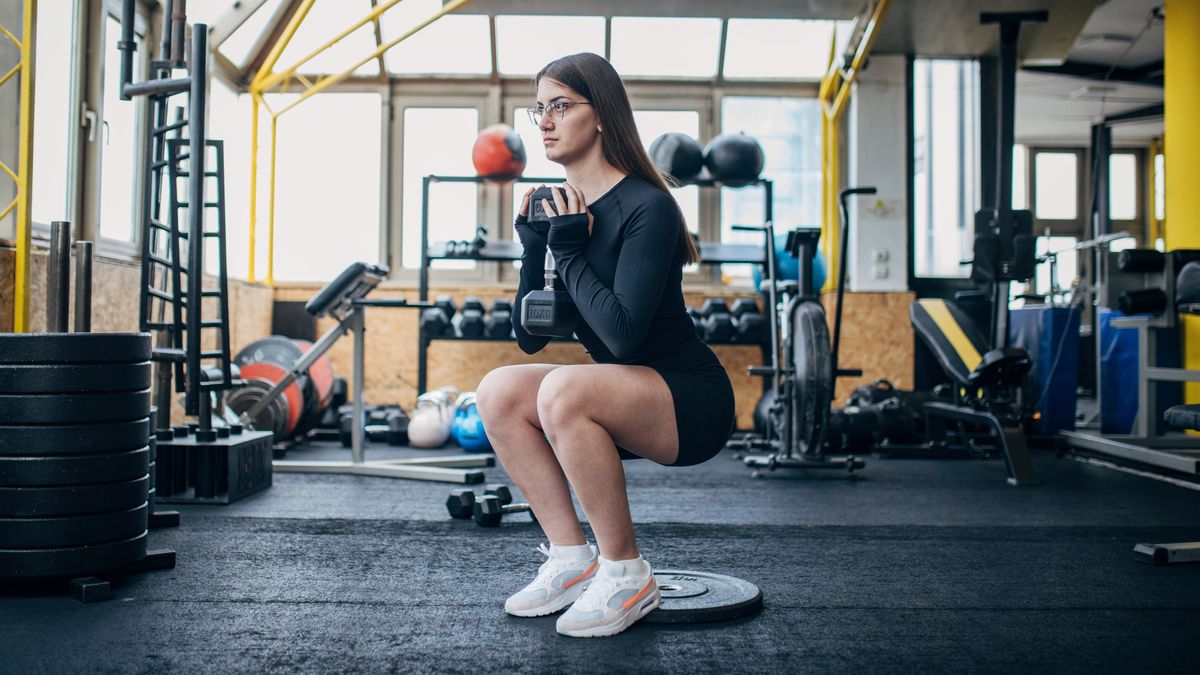
Biomechanics Of Heel Elevation
Heel elevation helps with ankle mobility. It makes squatting easier. The ankle bends more. This is important for a deep squat. People with tight ankles benefit. Elevated heels help them squat better. It keeps their balance right.
Elevating heels affects the knee and hip joints. It changes how they move. The knees move forward more. This helps with balance. It can reduce stress on hips. People often feel more stable. It helps avoid injuries. Proper form is easier to keep.
Common Tools For Elevating Heels
Weightlifting shoes have a special raised heel. The raised heel helps you squat deeper. These shoes also offer good foot support. They keep your feet steady. Many athletes use these shoes. They are a popular choice in gyms.
Squat wedges are small ramps. You place your heels on them. They help improve your squats. Balance improves when using them. Squat wedges are easy to carry. They are made of foam or rubber.
Plates and blocks are easy to find. Many gyms have them. You can stack them under your heels. Adjust the height as needed. They are simple but effective. Some people even use books at home. Just make sure they are steady.
Who Can Benefit
Beginners often find squats hard. Keeping balance is tricky. Elevated heels help make squats easier. This position makes it simpler to squat down. It helps build strength without falling. Beginners feel more confident this way. They learn the right form quickly. This reduces the chance of injuries.
Some people have tight muscles. Their ankles don’t bend well. Elevating heels helps them squat better. This method improves posture. It allows them to squat deeper. They feel less strain on their joints. This makes exercise more fun and safe.
Athletes want strong legs. They focus on their quadriceps. Squatting with elevated heels targets these muscles. It helps them build power. This position boosts muscle growth. Athletes see results faster. They can jump higher and run quicker.
Potential Risks And Precautions
Over-reliance on Heel Elevationmay lead to problems. Squatting with heels raised can make the squat easier. Your muscles might not work as hard. This can create an imbalancein your legs. Over time, this might cause pain or injury. It’s important to switchbetween elevated and flat-foot squats. This helps your muscles stay strong and balanced.
Risk of Injury with Incorrect Formis a concern. Squatting with heels elevated can be tricky. Your body may lean forward too much. This puts extra strain on your knees. Keeping your chest up and back straight is vital. Always check your form in the mirror. Practicing with a trainer is a smart choice. They can spot mistakes and help you fix them. Remember, safety first!
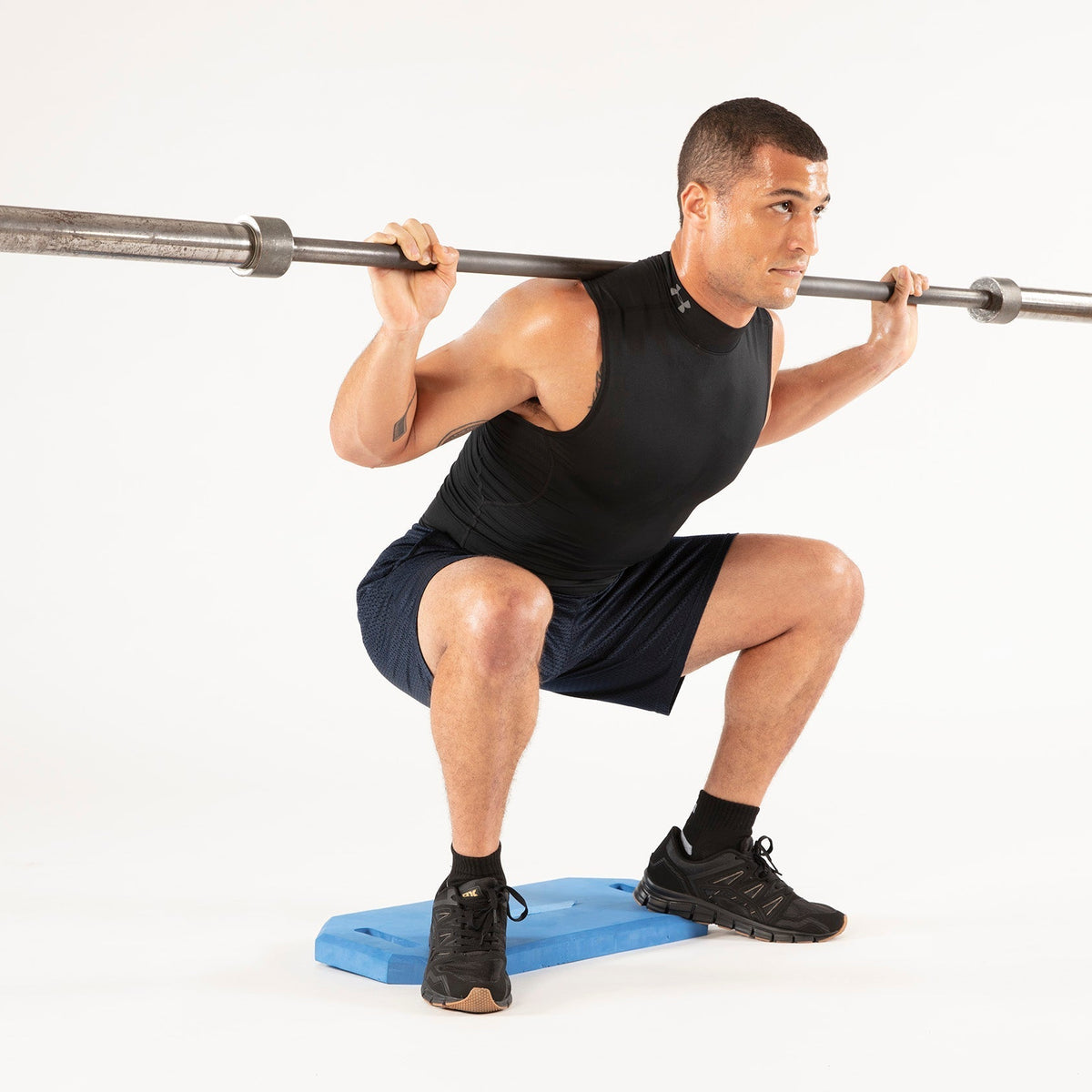
Incorporating Into Workout Routines
Squats with heels elevated need proper preparation. Warm-up your legs first. Stretch your calves and thighs. This helps avoid injury. Use a foam roller to relax muscles. Do light exercises like jogging or jumping jacks. These get your blood flowing. Wear comfortable shoes for support. Keep a water bottle nearby. Stay hydrated during workouts. Ensure a safe space to exercise.
Start with easy squats. Use no weights at first. Focus on your form. Keep your back straight. Slowly add small weights. Use dumbbells or a kettlebell. Increase weight bit by bit. Listen to your body. If it hurts, stop. Take short breaks between sets. Allow muscles to recover. Practice regularly to get better.

Frequently Asked Questions
Why Elevate Heels When Squatting?
Elevating heels during squats helps improve ankle flexibility and range of motion. This allows for deeper squat positions. It also helps maintain an upright torso, reducing strain on the lower back. Additionally, it can engage the quadriceps more effectively, making the exercise more efficient for building muscle strength.
Does Heel Elevation Prevent Injuries?
Yes, elevating heels during squats can help prevent injuries. It reduces strain on the lower back and knees. By improving squat form, it minimizes the risk of incorrect movements. This is particularly beneficial for beginners or those with limited ankle mobility, enhancing overall safety during workouts.
Is Squatting With Elevated Heels Cheating?
No, squatting with elevated heels is not cheating. It is a common technique used to improve form. It enables a deeper squat and better muscle engagement. Many athletes and fitness enthusiasts use it to target specific muscle groups effectively. It also helps those with limited ankle flexibility.
What Muscles Benefit From Elevated Heel Squats?
Elevated heel squats primarily target the quadriceps. They also engage the glutes and hamstrings effectively. This technique ensures better muscle activation, allowing for more efficient workouts. Additionally, it helps in developing overall lower body strength. Improved form and depth also benefit core stabilization.
Conclusion
Elevating heels while squatting offers many benefits. It enhances balance and stability. This technique reduces strain on the lower back. It helps improve squat depth effectively. Beginners find it easier to maintain form. It benefits those with limited ankle mobility.
Consider trying heel elevation for a better squat experience. Always prioritize safety and comfort. Listen to your body’s needs. This simple adjustment can make a difference. Enjoy better results from your workouts. Remember, small changes can lead to big improvements.

