
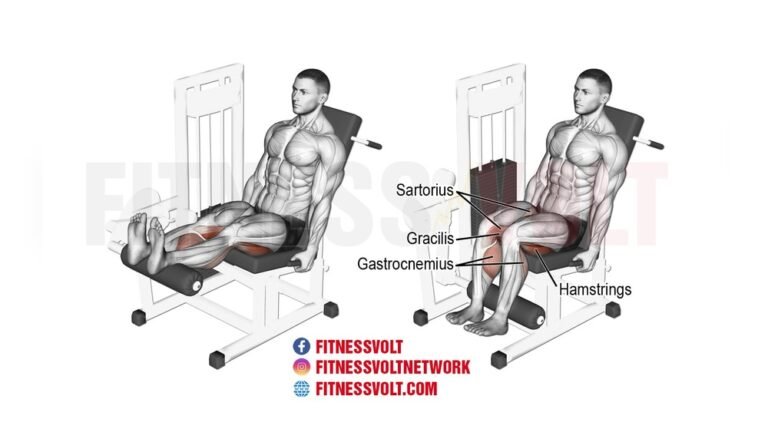
Are you curious about which muscles get the most benefit from the lying leg press? Whether you’re new to strength training or looking to improve your workout, understanding the exact muscles this exercise targets can make a huge difference.
Knowing this helps you focus your efforts and get better results faster. You’ll discover the key muscles worked during the lying leg press and learn how to maximize your gains. Keep reading to unlock the full potential of this powerful exercise!
Primary Muscles Engaged
The lying leg press is a powerful exercise that targets several key muscles in the lower body. It mainly works the muscles responsible for extending the knee and hip. Understanding which muscles get the most work helps improve your training focus. This exercise builds strength and size in important muscle groups.
The main muscles involved include the quadriceps, gluteus maximus, and hamstrings. Each plays a distinct role during the pressing motion. Let’s explore how these muscles engage during the lying leg press.
Quadriceps Activation
The quadriceps are the largest muscles at the front of your thigh. They straighten your knee during the leg press. This muscle group does most of the work in pushing the platform away. Strong quadriceps improve leg power and stability.
During the exercise, the quads contract hard to extend the knee joint. This action lifts the weight and controls the lowering phase. It makes the quadriceps the primary movers in the lying leg press.
Gluteus Maximus Role
The gluteus maximus is the largest muscle in the buttocks. It helps extend your hips as you press the platform. This muscle adds power and support to the movement. It is important for overall hip strength and shape.
In the lying leg press, the glutes work to push your hips forward. This activation improves hip drive and stability. Strong glutes reduce the risk of injuries in daily activities and sports.
Hamstrings Involvement
The hamstrings run along the back of your thigh. They assist the glutes in hip extension. During the leg press, hamstrings help control the movement. They also support knee stability as you push the platform.
While not the main movers, hamstrings play a vital supporting role. Their engagement helps balance the forces on your legs. This ensures smooth and safe execution of the exercise.
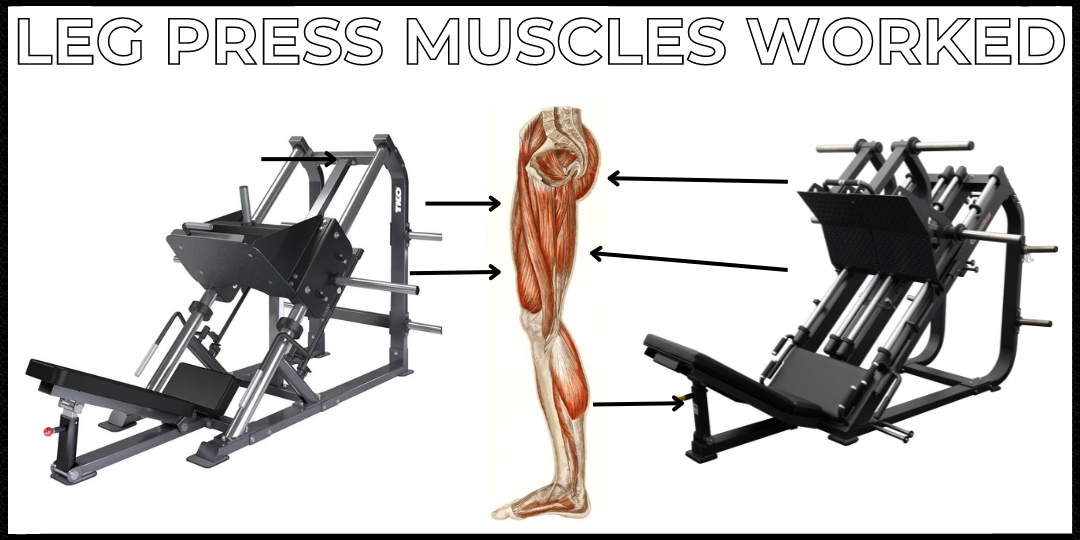
Supporting Muscles Worked
The lying leg press targets many main muscles, but it also works several supporting muscles. These smaller muscles help with balance, control, and power during the exercise. Understanding these supporting muscles can improve your workout and reduce injury risk.
Calf Muscles Contribution
The calf muscles, mainly the gastrocnemius and soleus, support the leg press movement. They help by stabilizing the ankle joint. This keeps your feet steady on the platform. Strong calves improve your push force. They also assist in extending the foot during the press.
Core Stability Engagement
The core muscles play a key role in the lying leg press. They keep your lower back and hips stable. A strong core stops your body from moving too much. This stability lets you press heavier weights safely. The core muscles include the abs, obliques, and lower back muscles.
Muscle Benefits Of Lying Leg Press
The lying leg press targets several lower body muscles. It mainly works the quadriceps, hamstrings, and glutes. This exercise offers key benefits for muscle health and fitness. Understanding these benefits helps you use the lying leg press effectively. It supports strength, endurance, and muscle balance.
Muscle Strength Gains
The lying leg press builds strong leg muscles. It allows you to lift heavy weights safely. This helps muscles grow bigger and stronger. Strong legs improve performance in sports and daily tasks. Regular training with this machine boosts overall muscle power.
Muscle Endurance Improvement
Endurance means muscles work longer without getting tired. The lying leg press trains muscles to resist fatigue. Repeating sets with moderate weight builds stamina. Improved endurance helps with long walks or runs. It also reduces the risk of injury during activity.
Enhanced Muscle Balance
Muscle balance means equal strength on both legs. The lying leg press works both legs at the same time. This reduces muscle imbalances that cause pain or injury. Balanced muscles support better posture and movement. It helps you move more smoothly and efficiently.
Proper Technique To Maximize Muscle Targeting
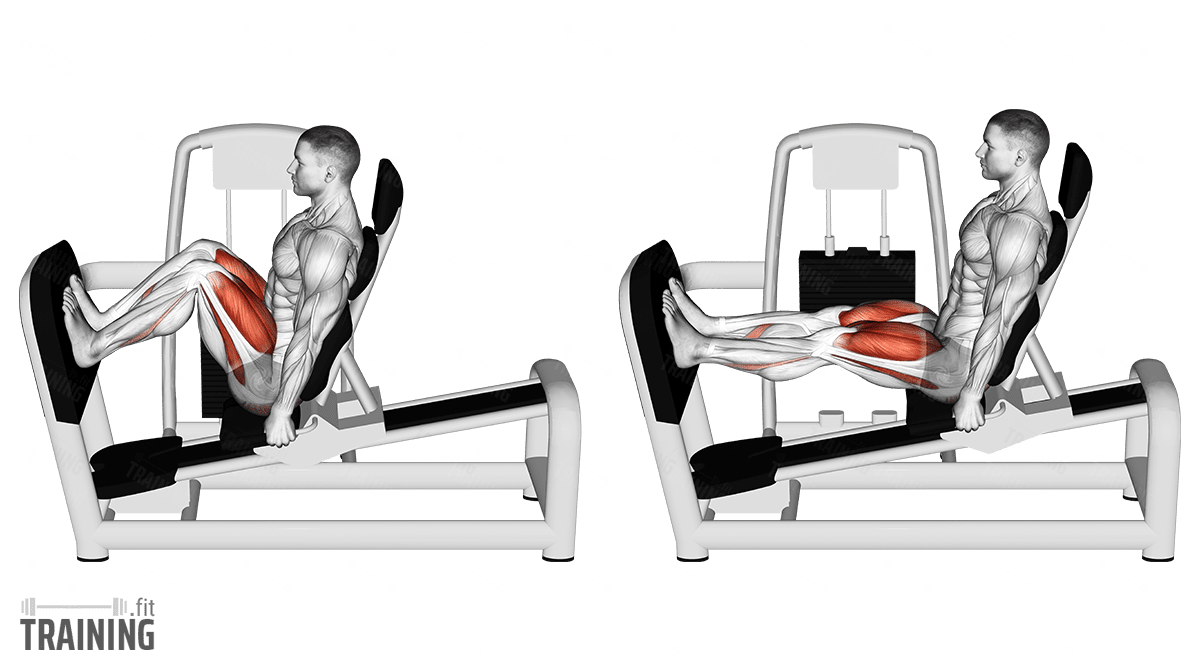
Using the proper technique on the lying leg press helps target the right muscles. It improves strength and lowers the risk of injury. Small changes in how you perform the exercise make a big difference. Focus on how you place your feet, your movement range, and keeping good form.
Foot Placement Variations
Foot placement changes the muscles worked on the leg press. Placing feet higher on the platform targets the glutes and hamstrings more. Keeping feet lower puts more stress on the quads. Wider foot placement activates inner thigh muscles. Narrow stance focuses on outer quads. Try different positions to find what works best for you.
Range Of Motion Tips
Keep a full but controlled range of motion. Lower the sled until your knees are about 90 degrees. Going too deep can strain your knees and hips. Do not lock your knees at the top to keep tension on muscles. Smooth, steady movements build strength better than fast, jerky reps.
Common Form Mistakes To Avoid
Do not let your lower back lift off the seat. This puts strain on your spine. Avoid locking your knees at the end of each press. It reduces muscle engagement and can hurt your joints. Keep your feet flat on the platform without raising your heels. Do not use momentum or bounce the sled. Focus on muscle control during each rep.
Training Tips For Muscle Growth
Training for muscle growth needs smart planning. You need to train with focus and care. The lying leg press targets big muscles. Using the right training tips helps you grow stronger and bigger muscles.
Muscle growth happens when you challenge your muscles properly. You need the right sets, reps, and rest. Also, your muscles must face new challenges over time. This section explains how to train the lying leg press well.
Optimal Sets And Reps
For muscle growth, aim for 3 to 4 sets per exercise. Each set should have 8 to 12 reps. This range helps your muscles grow in size. Use a weight that feels hard by the last rep. Avoid doing too many reps with light weight.
Progressive Overload Strategies
Muscles grow when they face increasing challenges. Add small weight increases regularly. You can also add more reps or sets over time. Change the speed of your movement to add challenge. Keep pushing your muscles just beyond their limit.
Rest And Recovery Importance
Muscles need time to repair and grow after training. Take at least 48 hours rest before training the same muscle group again. Sleep well every night to support recovery. Avoid training too hard every day. Rest days help your muscles get stronger.

Frequently Asked Questions
What Primary Muscles Does Lying Leg Press Target?
The lying leg press mainly targets the quadriceps, hamstrings, and gluteus maximus. It also engages calves and hip adductors, providing a comprehensive lower body workout.
How Does Lying Leg Press Benefit Leg Muscles?
The lying leg press builds strength and muscle mass in the legs. It improves muscle endurance and enhances overall lower body stability and power.
Is Lying Leg Press Good For Glute Development?
Yes, the lying leg press effectively activates the gluteus maximus. Adjusting foot placement can increase glute engagement during the exercise.
Can Lying Leg Press Improve Athletic Performance?
Absolutely, it enhances leg strength and explosiveness. This exercise supports better running, jumping, and overall athletic movements.
Conclusion
The lying leg press mainly works your quadriceps muscles. It also helps strengthen your hamstrings and glutes. This exercise builds lower body strength and improves muscle tone. You can add it to your workout for balanced leg development. Keep your form correct to avoid injury.
Regular practice leads to better muscle endurance and power. Simple, effective, and easy to do. Give your legs the workout they need.
