
Music boxing machines have captured the attention of fitness enthusiasts, arcade fans, and even rehabilitation experts. You may have seen these machines in gyms, entertainment centers, or therapy clinics. They blend rhythm, music, and physical activity—offering a unique experience where users strike pads to the beat of a song.
But what makes these machines strong enough to handle repeated punches, precise enough to track hits, and attractive enough to draw a crowd? The answer lies in the materials chosen for each part, from the frame to the electronics. Understanding the materials not only reveals how these machines work, but also why they last, how they feel, and how they sound.

Today's Exclusive Deals
Limited-time Exclusive Deals. Check current discount on Amazon.
Check Price on Amazon As an Amazon Associate I earn from qualifying purchases.Many people think these machines are just made of “plastic and metal,” but the reality is more complex. Manufacturers choose materials based on safety, durability, cost, and even sound quality. In this article, you’ll discover the main materials used in music boxing machines, why they are chosen, and how each part contributes to the overall experience.
You’ll also see how these choices can affect maintenance, user safety, and even the machine’s popularity in different environments.
The Main Structure: Supporting The Action
The most important part of any music boxing machine is the main structure—the “skeleton” that holds everything together. This section usually takes the most abuse, as users punch, kick, or slap the pads. The frame must be strong, stable, and resistant to vibration.
Most machines use a combination of materials for these reasons.
Steel: The Backbone
Nearly all commercial music boxing machines use steel for their internal frames. Steel is chosen for its high strength-to-weight ratio and ability to absorb energy from impacts. The steel parts are usually square or rectangular tubes, welded together for maximum stability. The thickness can range from 1.5 mm to 3 mm, depending on the brand and expected usage.
Steel is also easy to repair and modify. If a part bends or breaks, welders can fix it quickly. Many high-end machines use powder-coated steel for extra corrosion resistance and a smooth finish. Powder coating is a type of dry paint that is applied electrostatically, then cured under heat, which makes the surface tough and attractive.
Aluminum: When Weight Matters
Some portable or home-oriented music boxing machines use aluminum frames. Aluminum is lighter than steel (about 1/3 the weight for the same volume), so it’s easier to move and install. However, aluminum is not as strong as steel, so thicker pieces are often required to get the same strength. This makes it more expensive. Still, for machines that need to be moved often or for smaller models, aluminum is a popular choice.
Comparison: Steel Vs. Aluminum Frames
Here’s a quick look at how steel and aluminum compare for music boxing machine frames:
| Property | Steel Frame | Aluminum Frame |
|---|---|---|
| Strength | Very high | Moderate to high |
| Weight | Heavy | Light |
| Corrosion Resistance | Needs coating | Natural resistance |
| Cost | Lower | Higher |
| Mobility | Permanently installed | Portable |
Non-obvious Insight: Vibration Damping
One detail often missed is the need for vibration damping. Pure metal frames can transmit vibration, which may loosen screws or disturb sensitive electronics. Manufacturers sometimes add rubber gaskets or foam pads between frame connections to reduce this issue. This helps the machine last longer and reduces noise.
The Striking Pads: Comfort And Durability
When you hit a music boxing machine, your fist meets the striking pads. These pads need to be tough, yet forgiving enough to avoid injury. The right materials make a huge difference in both performance and safety.
Outer Cover: Synthetic Leather Or Vinyl
The most common outer layer for striking pads is synthetic leather (also called PU leather) or vinyl. Real leather is rare due to its cost and maintenance needs. Synthetic leather is chosen for its:
- Durability: Resists tearing and abrasion.
- Water Resistance: Sweat and spills don’t soak in.
- Easy Cleaning: Wipes clean with a damp cloth.
Vinyl is also popular, especially for lower-cost machines. It’s not as soft as synthetic leather but is very tough. Both materials can be printed with bright colors and logos, which makes the machine more attractive.
Padding Material: Eva Foam And Polyurethane
Under the cover, most pads use EVA foam (ethylene-vinyl acetate) or polyurethane (PU) foam. These foams offer a balance between cushioning and rebound:
- EVA foam: Soft, flexible, and returns to shape quickly. Used for medium-impact machines.
- PU foam: Slightly firmer, excellent shock absorption, and resists “bottoming out” (compressing too much).
Some high-end machines use multi-layer padding: a soft layer for comfort, a firmer layer for support, and a thin layer for impact distribution. This design protects both the user’s hands and the electronics inside.
Base Plate: Abs Or Polycarbonate
Beneath the foam, there is usually a base plate made of ABS plastic or polycarbonate. These plastics are very tough and can handle repeated impacts without cracking. Polycarbonate is especially strong and is used in safety glasses and riot shields.
This layer spreads the force of a punch across a wider area, protecting the sensors and frame.
Practical Tip: Checking Pad Quality
If you ever buy or service a music boxing machine, check the pad by pressing down with your thumb. If you feel the hard plate underneath, the foam may be too thin or worn out. Good pads recover their shape quickly and don’t feel “dead” after repeated hits.
The Sensors: Accuracy Meets Toughness
Sensors are the “brains” that detect hits, measure force, and track timing. They must be sensitive, reliable, and shielded from impact.
Pressure Sensors: Piezoelectric And Force-sensing Resistors
The most common type is the piezoelectric sensor. This sensor produces a small electrical charge when struck. It’s very fast and precise, making it perfect for rhythm games.
Another popular type is the force-sensing resistor (FSR). FSRs change resistance when pressure is applied. They are flexible and can be layered under foam. However, they are less precise for very strong impacts.
Both types are sandwiched between the foam pad and the base plate. They are protected by a thin rubber or silicone sheet, which absorbs shock and prevents damage.
Optical And Magnetic Sensors
Some advanced machines use optical sensors (like infrared beams) or magnetic sensors. These are less common, but they can track the position of moving parts (like swinging arms or moving pads) without physical contact. Optical sensors are protected by clear polycarbonate covers.
Non-obvious Insight: Shielding Against Sweat
Sweat and moisture are a real enemy for sensors. That’s why the sensor housing is often sealed with silicone gaskets or heat-shrunk plastic tubing. This keeps out liquids and extends sensor life—something many users never notice.
The Electronics: Power, Sound, And Lights
The electronics make the machine interactive. This includes the main control board, display, speakers, and lighting. Each part requires special materials for performance and safety.
Circuit Boards: Fr-4 Epoxy And Copper
Most circuit boards in music boxing machines use FR-4, a flame-retardant epoxy reinforced with woven glass fibers. This material is standard in electronics for its:
- High strength
- Electrical insulation
- Heat resistance
Copper traces are etched onto the board to connect the components. The combination offers both safety and reliability, even under heavy use.
Displays: Lcd, Led, And Acrylic Covers
The score and song information are usually shown on LCD or LED screens. These screens are protected by a sheet of acrylic or tempered glass. Acrylic is lightweight, shatter-resistant, and easy to shape. Tempered glass is scratch-resistant but heavier.
Many modern machines use touch screens, which require a layer of conductive indium tin oxide (ITO) on the glass. This lets the screen sense finger movements.
Speakers: Paper, Plastic, And Metal
Good music is essential for these machines. The speakers inside use cones made of coated paper or polypropylene. Paper is light and sounds natural, but plastic cones last longer in humid environments. The speaker frame is usually stamped steel.
Led Lights And Light Pipes
Eye-catching lights are a signature feature. Most machines use LED strips mounted on circuit boards. The light is often routed through polycarbonate light pipes—clear rods or tubes that direct the glow to the outside of the machine.
Safety: Enclosures And Fireproofing
All electronics are enclosed in ABS plastic or sheet metal boxes. These keep out dust, moisture, and fingers. High-quality machines use fire-retardant plastics for extra safety.
Data Table: Display Cover Materials
Let’s compare acrylic and tempered glass as display covers:
| Property | Acrylic | Tempered Glass |
|---|---|---|
| Weight | Light | Heavy |
| Scratch Resistance | Moderate | High |
| Impact Resistance | Very high | High |
| Cost | Low | Medium |
| Transparency | Excellent | Excellent |
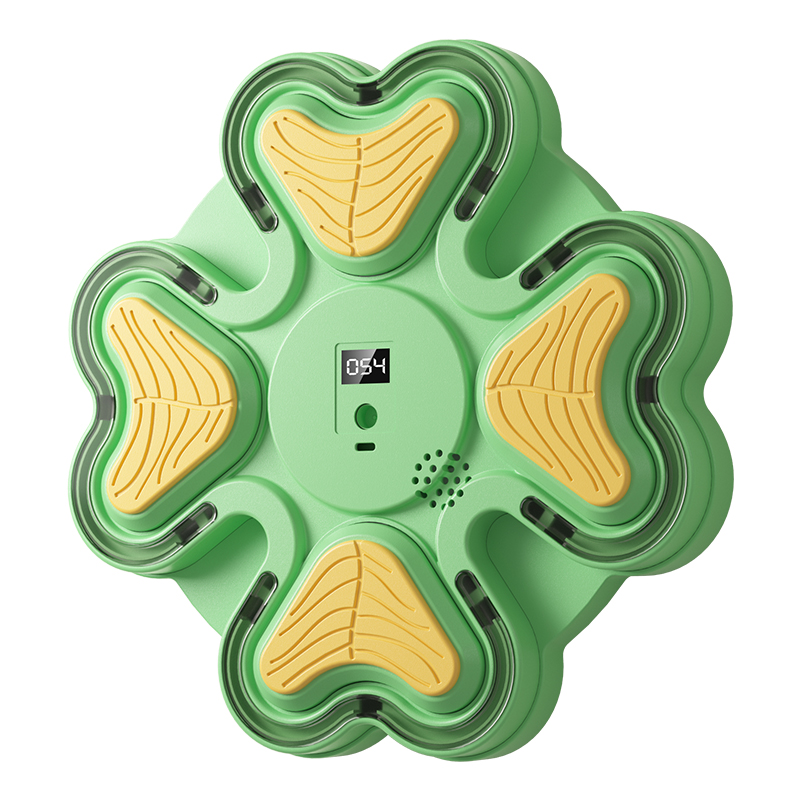
The Cabinet: Style And Strength
The outside “shell” or cabinet is what people see first. It must look good, protect the inner parts, and fit in with its surroundings.
Medium-density Fiberboard (mdf) And Plywood
Most arcade-style music boxing machines use MDF or plywood for the main panels. MDF is smooth, cheap, and easy to paint. It’s made from compressed wood fibers and resin, so it doesn’t split or warp easily. Plywood is stronger and lighter than MDF and is often used in higher-end or portable machines.
The panels are usually coated with laminate, vinyl graphics, or polyurethane paint to protect against scratches and moisture.
Abs And Polycarbonate Plastics
Curved shapes, control panels, and decorative parts are often made from ABS or polycarbonate. These plastics are tough, flexible, and can be molded into almost any shape. Polycarbonate is used for clear windows and lighting effects.
Metal Trim And Grills
Some machines add aluminum or stainless steel trim for style and extra strength. The speaker grills are often perforated steel to allow sound out while protecting the speakers from kicks or punches.
Non-obvious Insight: Uv Resistance
In gyms and arcades with bright lights, plastic parts can fade or crack from UV exposure. High-quality machines use UV-stabilized plastics or UV-resistant paints to keep colors bright and plastics strong over years of use.
The Flooring And Base: Stability And Safety
A music boxing machine must not slide or tip over. The base materials are chosen for stability, grip, and safety.
Steel Base Plates
Most machines use a thick steel base plate at the bottom. This lowers the center of gravity and keeps the machine steady during hard punches or kicks.
Rubber Feet And Mats
To prevent sliding, machines usually have rubber feet or stand on rubber mats. These absorb vibration and protect both the floor and the machine. Some high-end models use adjustable feet for leveling on uneven floors.
Data Table: Base Material Properties
Here’s a quick look at base materials:
| Material | Main Benefit | Drawback |
|---|---|---|
| Steel Plate | Very stable | Heavy |
| Rubber Feet | Non-slip, absorbs shock | Can wear out |
| Plastic Mats | Lightweight, easy to clean | Less durable |
Surface Finishes: Protection And Appeal
The final step in making a music boxing machine is applying the right surface finish. This affects both appearance and durability.
Powder Coating And Paint
Steel parts are often powder coated or painted. Powder coating creates a thick, even layer that resists scratches, chips, and rust. Polyurethane paints add bright colors and a glossy look.
Lamination And Graphics
Cabinets are decorated with laminated vinyl graphics. These are printed with eye-catching designs and protected by a clear top layer. This makes the machine stand out and keeps the surface looking fresh.
Textured Plastics
Some control panels or handles use textured ABS for a better grip. This helps users keep control, even with sweaty hands.
Antimicrobial Coatings
In recent years, some brands have added antimicrobial coatings to high-touch surfaces. These coatings kill germs on contact, which is popular in gyms and public spaces.
Environmental And Safety Considerations
Material choices affect more than just performance—they impact the environment and user safety.
Fire Safety
All major music boxing machines must pass fire safety standards. This means using flame-retardant plastics, paints, and internal wiring. For example, the FR-4 circuit boards and ABS enclosures are both rated to resist ignition.
Recyclability
More manufacturers are considering eco-friendly materials. Steel and aluminum frames are fully recyclable. Some brands use recycled plastics for panels or packaging. However, mixed materials (like foam glued to plastic) are harder to recycle.
Low-voc Paints
Volatile organic compounds (VOCs) in paints can cause health problems. The best machines use low-VOC paints and adhesives to reduce harmful fumes during production and use.
External Resource
For more on the safety and environmental standards for arcade machines, check the Arcade Cabinet Wikipedia page.
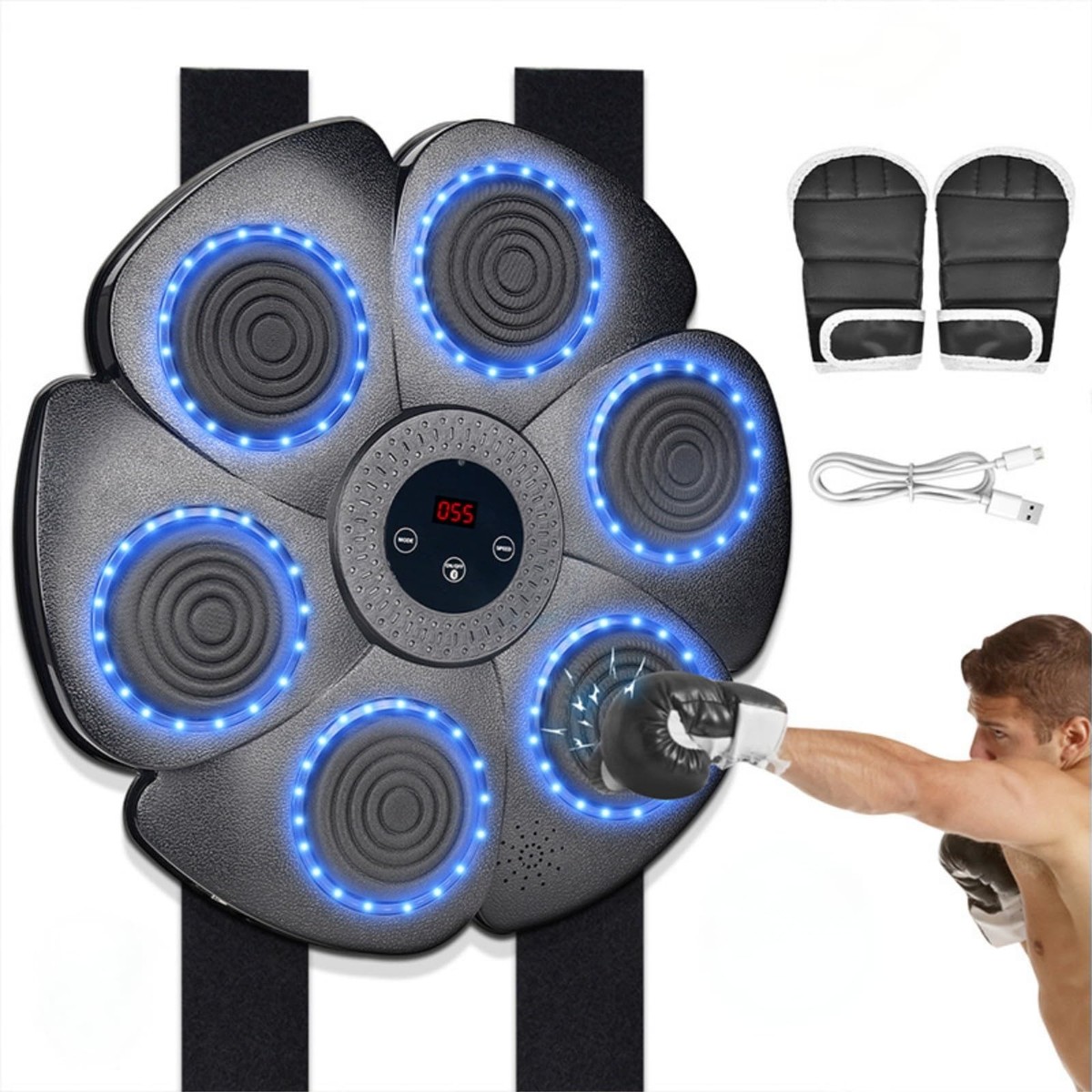
Choosing Materials: Cost, Performance, And Design
Every manufacturer faces trade-offs when picking materials:
- Cost vs. durability: Cheaper machines may use more plastic, while premium models use more metal and high-quality foams.
- Weight vs. portability: Heavy steel is stable but hard to move; aluminum and plastics are lighter but may feel less solid.
- Design vs. maintenance: Curved plastics look modern but can be harder to replace or repair than flat panels.
Common Beginner Mistake: Overlooking Small Parts
Many people focus only on the main body, but screws, hinges, and wiring also matter. Stainless steel screws resist rust. Good wiring uses silicone insulation for flexibility and heat resistance. Cheap machines often cut corners on these small items, which can lead to frequent breakdowns.
How Material Choices Affect User Experience
The materials in music boxing machines are not just about strength or looks—they change how the machine feels and performs.
- A steel frame gives a “solid” feel, with less wobble or creaking.
- High-quality foam pads protect hands and wrists, especially during long sessions.
- Clear, scratch-resistant screens make scores and menus easy to read, even after years of use.
- Bright, UV-resistant graphics keep the machine looking new, attracting more players.
It’s easy to overlook these details, but they add up to a better, safer, and more enjoyable experience.

Frequently Asked Questions
What Is The Most Important Material In A Music Boxing Machine?
The internal frame is the most important. Usually made of steel or aluminum, it supports all the other parts and absorbs the force from punches and kicks. If the frame is weak, the whole machine can fail.
Why Don’t Manufacturers Use Real Leather For Striking Pads?
Real leather is expensive and needs a lot of maintenance. Synthetic leather or vinyl is more durable, resists moisture, and is easier to clean. These materials also allow for bright colors and patterns, which real leather can’t match.
Can I Replace The Foam In The Striking Pads Myself?
Yes, in most cases you can replace the foam if it gets worn out. Make sure to use EVA or PU foam of similar density and thickness. Also, check that the sensors underneath are not damaged when you remove the old foam.
How Do Manufacturers Prevent Electrical Problems From Sweat?
Sensitive sensors and electronics are protected with rubber gaskets, plastic seals, or heat-shrink tubing. This keeps out sweat and moisture, which can cause corrosion or short circuits.
Are There Eco-friendly Music Boxing Machines?
Some brands use recycled plastics and recyclable metals for frames and panels. Look for machines that mention low-VOC paints or eco-friendly materials if you want a greener option.
In summary, music boxing machines are complex devices built from a smart mix of metals, plastics, foams, and electronics. Each material is chosen for its unique advantages—ensuring the machine is strong, safe, and fun to use. Whether you’re a gym owner, technician, or just a curious player, knowing what’s inside can help you choose, maintain, and enjoy these machines for years to come.

