So, you're wondering, "What is the safest depth for beginner scuba divers?" It’s a brilliant question because diving is an incredible adventure, but safety, especially when you're starting out, is absolutely paramount. You want to explore the underwater world with confidence, not worry.
Our research confirms that for newly certified divers, adhering to specific depth limits is crucial for managing physiological effects and building experience safely. The general consensus and training standards, like those set by major dive organizations, point to a clear guideline for your initial explorations.
Today's Exclusive Deals
Limited-time Exclusive Deals. Check current discount on Amazon.
Check Price on Amazon As an Amazon Associate I earn from qualifying purchases.Quick Answer
The safest depth for beginner scuba divers is generally 18 meters (60 feet). This limit is established to manage nitrogen absorption and pressure effects. Exceeding this depth without advanced training increases risks like decompression sickness.
Your initial certification dives will often be shallower, around 10-15 meters, to practice skills in a controlled environment. Always dive within your certification limits and current comfort level.
Why Safe Depth Matters for Beginner Scuba Divers
Exploring the ocean's depths is an exhilarating experience, but as a beginner, understanding your physiological limits is as important as mastering buoyancy. The pressure exerted by water increases significantly with depth, and this pressure affects the gases you breathe from your scuba tank. For those just starting their scuba journey, typically after completing an Open Water Diver certification, sticking to a defined maximum depth is not just a recommendation, it's a fundamental safety guideline.
This guideline is in place to minimize risks associated with nitrogen narcosis and decompression sickness, which become more pronounced the deeper you go. As of 2026, these established depth limits continue to be the cornerstone of safe introductory diving practices worldwide.
The Golden Rule: 18 Meters (60 Feet) for New Divers
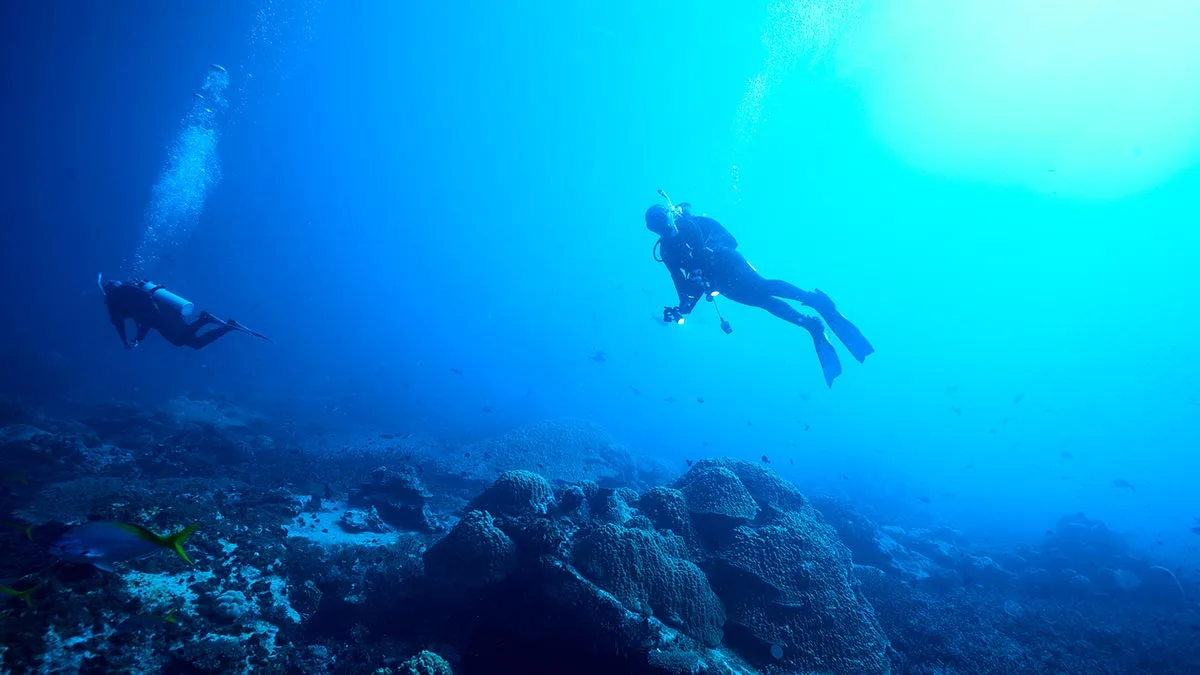
When you first earn your scuba diving certification, you're usually qualified to dive to a maximum recreational depth of 18 meters, or about 60 feet. This isn't an arbitrary number; it's a carefully considered limit based on how the human body responds to underwater pressure and the gases we breathe. Think of it as the sweet spot where you can experience the wonders of the underwater world without exposing yourself to undue physiological stress.
Your training will likely have involved dives that are even shallower than this, perhaps around 10 to 15 meters for open water dives, to help you master essential skills like buoyancy control and equipment management. This gradual progression allows you to build confidence and familiarity with the underwater environment before you even approach the 18-meter mark.
Understanding the Why Behind the Depth Limit
So, why 18 meters specifically? It boils down to managing the effects of increased pressure and dissolved gases in your body. At this depth, the ambient pressure is roughly three times that at the surface.
While your body can generally handle this, it's the rate at which gases from your tank, primarily nitrogen, dissolve into your tissues that becomes a key factor.
Exceeding 18 meters increases the potential for nitrogen to dissolve into your body's tissues too quickly. This can lead to problems if not managed properly during your ascent. Furthermore, visibility can decrease and light levels drop significantly below this depth, which can be disorienting for new divers.
Maintaining good visual references and ample light is crucial for situational awareness and feeling secure.
How Pressure and Nitrogen Affect Your Body Underwater
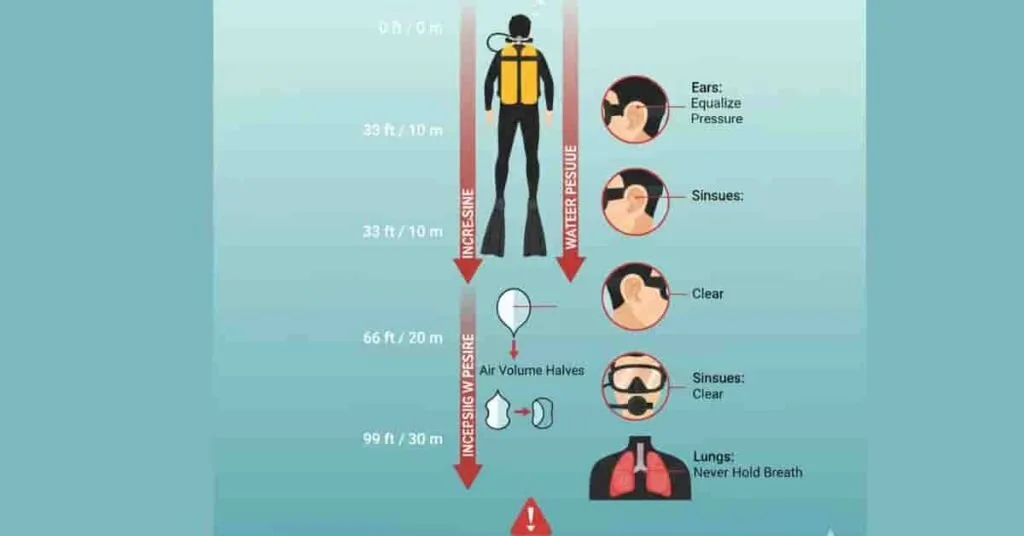
As you descend, the weight of the water above you creates pressure. For every 10 meters (33 feet) you go down, the pressure increases by one atmosphere (atm). So, at 10 meters, you're under 2 atm of pressure; at 18 meters, it's 2.8 atm (the 1 atm from the air plus 1.8 atm from the water).
This increased pressure means the air you breathe from your scuba tank is more compressed.
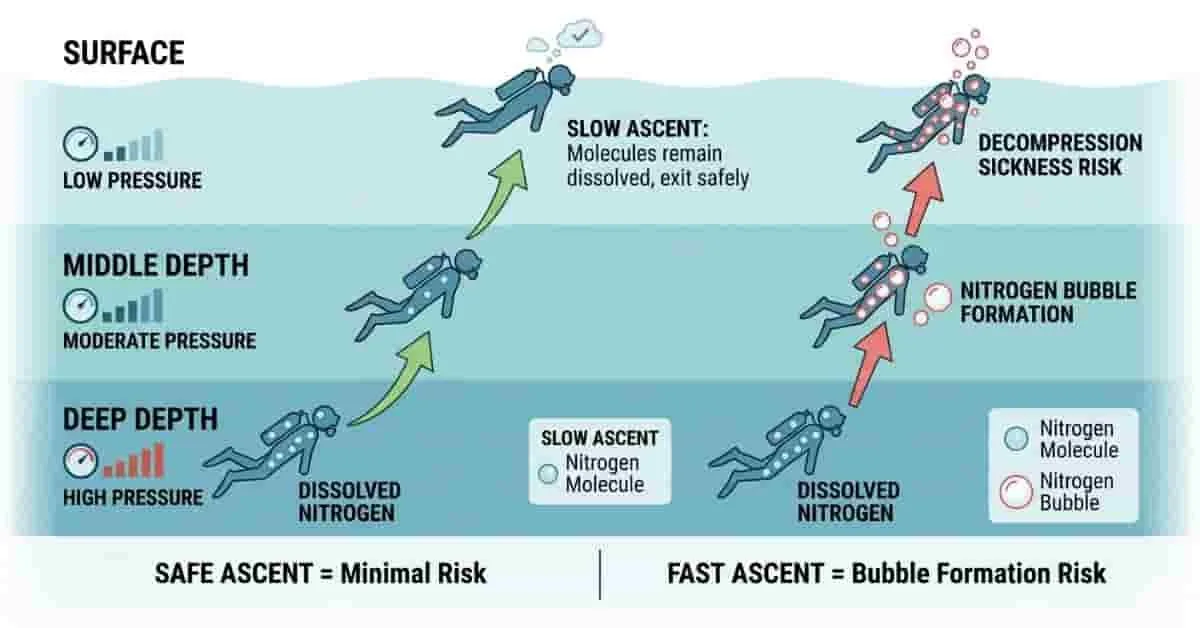
More importantly, this pressure forces gases, particularly nitrogen, to dissolve into your bloodstream and body tissues. The deeper you go and the longer you stay, the more nitrogen dissolves. If you ascend too quickly, this dissolved nitrogen can form bubbles in your tissues and bloodstream, much like opening a shaken soda bottle.
This can lead to decompression sickness, or "the bends," which can cause joint pain, dizziness, paralysis, and in severe cases, can be life-threatening. The 18-meter limit for beginners is designed to keep nitrogen absorption within manageable limits that can be safely released during a controlled ascent.
Common Beginner Mistakes and How to Avoid Them
One of the most common mistakes beginners make is to push their depth limits, often driven by enthusiasm or trying to keep up with more experienced divers. This is incredibly risky. Another error is neglecting to perform proper ascents.
A slow, controlled ascent with a safety stop is vital for allowing dissolved nitrogen to escape your tissues gradually.
- Ascent Rate: Ascending too fast is a major cause of decompression sickness. Always ascend slowly, typically no faster than 10 meters (30 feet) per minute. Your best scuba diving computer 2026: top picks for safe underwater adventures can help you monitor this.
- Buddy Checks: Skipping thorough buddy checks before a dive means you might miss critical gear issues, like a properly functioning regulator or ensuring your best scuba diving regulator for beginners 2026: top picks reviewed is delivering air smoothly.
- Ignoring Air Consumption: Not paying attention to your air gauge can lead to an emergency out of air situation, forcing you to ascend rapidly. Always monitor your air supply and plan your dive with plenty of reserve.
Beyond 18 Meters: When and How to Go Deeper Safely
The 18-meter limit is a fantastic starting point, but the ocean has so much more to offer! If you find yourself consistently comfortable at 18 meters and eager to explore deeper reefs, shipwrecks, or see different marine life, the next logical step is advanced training. Pursuing an Advanced Open Water Diver certification is specifically designed for this.
This course will teach you how to plan and execute dives to greater depths, typically up to 30 meters (100 feet) for recreational diving. You’ll learn about managing risks associated with deeper dives, understanding nitrogen narcosis more thoroughly, and using specialized equipment like dive computers more effectively. It’s a structured way to expand your diving capabilities safely and responsibly.
Trying to dive deeper without this additional training is where many of the risks for beginner divers truly emerge.
Expert Tips for Building Confidence and Experience
Gaining confidence as a beginner scuba diver is a gradual process, and it's built through consistent, safe practice. Beyond just sticking to the depth limits, actively focusing on your skills can make a huge difference. Practice your buoyancy control at shallower depths repeatedly.
This skill is foundational; mastering it makes you more comfortable and reduces the risk of accidental ascents or descents.
Consider making your initial dives in environments known for good visibility and calm conditions. This helps you focus on your diving and less on battling currents or poor sightlines. Some divers find it beneficial to buddy up with instructors or very experienced divers for their first few post-certification dives.
Their presence can offer reassurance and an extra layer of safety as you build your own experience. Your local dive shop can often arrange guided dives or buddy pairings for certified divers.
Essential Safety Practices for Every Dive
Beyond depth, several core safety practices are non-negotiable for all divers, especially beginners. A thorough pre-dive safety check, often called a "buddy check," is paramount. This involves systematically checking each other's equipment, ensuring tanks are on, regulators are functioning, BCDs inflate, and all connections are secure.
This routine can prevent many potential problems before you even enter the water.
- Dive Planning: Always plan your dive, and dive your plan. Discuss your intended depth, dive time, air consumption, and emergency procedures with your buddy. Resources on dive planning can offer valuable guidance.
- Stay Calm: If you encounter an issue underwater, the best response is to remain calm. Take a moment to assess the situation, breathe from your regulator, and signal your buddy. Panicking can escalate minor issues into serious problems.
- Know Your Equipment: Familiarize yourself with all your gear. Understanding how your best scuba diving gear set 2026 for ultimate underwater adventure works and its limitations is key to safe diving.
Frequently Asked Questions About Beginner Dive Depths
How deep can an Open Water Diver certification take me?
With a standard Open Water Diver certification, the maximum recommended recreational depth is 18 meters (60 feet). This limit is set by training agencies to ensure beginner divers are not exposed to the increased risks of nitrogen narcosis and decompression sickness that come with deeper dives without further training.
Should I always dive to 18 meters?
No, you should never feel pressured to dive to the maximum depth. Your actual dive depth should always be within your comfort level and certification limits, and dictated by the dive plan, conditions, and your air supply. Many enjoyable dives for beginners occur between 10 and 15 meters.
What happens if I accidentally go deeper than 18 meters?
If you accidentally exceed 18 meters, ascend slowly and directly to 18 meters or shallower, and stay at that depth or shallower for the remainder of your dive. If you exceed the no-decompression limit for that depth (which is a concept you learn more about in advanced training), you will need to perform a safety stop or decompression stop on your ascent. It’s crucial to inform your dive instructor or buddy immediately if this happens.
Can I dive deeper with just a little more experience?
Not without further training. While experience is valuable, official certification allows you to dive to specific depths. To legally and safely dive deeper than 18 meters, you need to complete an advanced certification, such as an Advanced Open Water Diver course, which typically qualifies you to dive up to 30 meters (100 feet).