Are you using the leg press machine but unsure if your foot placement is helping or hurting your workout? The way you position your feet can make a huge difference in which muscles you target and how safe your exercise is.
Getting this right not only boosts your results but also protects your knees and hips from injury. You’ll discover the proper foot placement techniques that can transform your leg press routine and help you get stronger, faster. Keep reading to learn the simple adjustments that will maximize your gains and keep you injury-free.
Foot Placement Basics
Foot placement on a leg press machine affects which muscles work most during the exercise. It also impacts your safety and comfort. Learning the basics helps you get better results and avoid injury. Proper foot placement can change how your legs feel after the workout. It is important to understand the different ways to place your feet and what each position targets.
Standard Positions
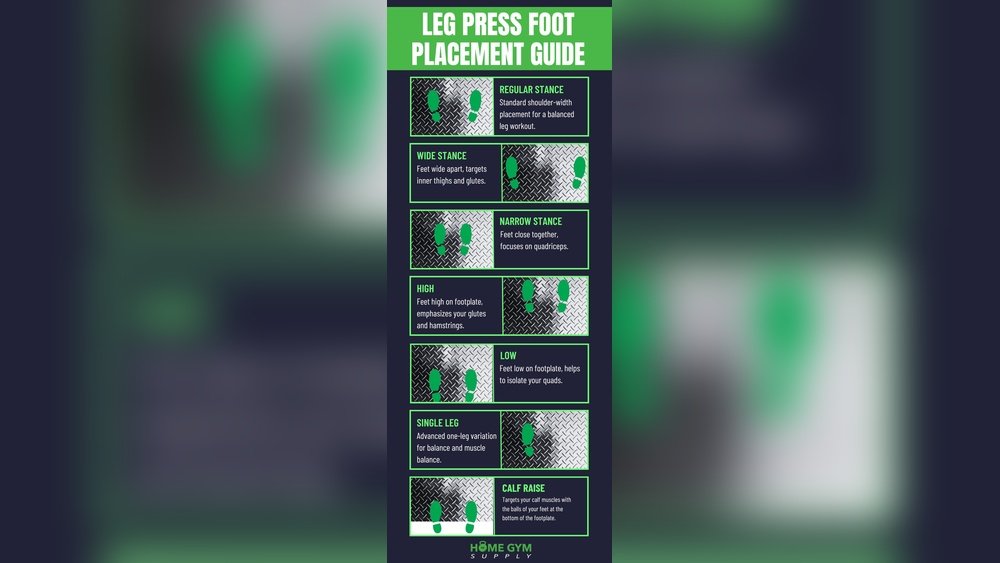
The most common foot placement is shoulder-width apart, with feet flat on the platform. This position targets the quadriceps, hamstrings, and glutes evenly. Placing feet higher on the platform emphasizes the glutes and hamstrings more. Placing feet lower focuses more on the quadriceps. You can also try a wider stance to work the inner thighs. Narrow stance targets the outer thighs and quads.
Common Mistakes
Placing feet too low on the platform can strain the knees. Feet too high may reduce leg muscle activation. Letting the knees collapse inward causes joint stress. Locking the knees at full extension risks injury. Pushing with the toes instead of the whole foot reduces power and control. Not keeping the feet flat can lead to imbalance and discomfort.
Targeting Different Muscles
Proper foot placement on the leg press machine helps target different muscles in your legs. Small changes in foot position shift the focus to specific muscle groups. This approach makes your workout more effective and balanced. Understanding how to place your feet can help you work the glutes, hamstrings, quadriceps, or calves.
Glutes And Hamstrings
Place your feet higher on the platform to target the glutes and hamstrings. This position increases the angle at your hips. It reduces stress on the knees. Press through your heels during the movement. This activates the back of your legs more. Keep your feet shoulder-width apart for stability.
Quadriceps Focus
Position your feet lower on the platform to focus on the quadriceps. This stance shifts the effort to the front of your thighs. Keep your feet about hip-width apart. Point your toes slightly outward for comfort. Avoid locking your knees at full extension. Push through the middle of your feet during the press.
Calf Engagement
To involve the calves, place your toes at the edge of the platform. Keep your heels off the surface. This position allows you to flex your ankles during the press. Perform smaller, controlled movements for better calf activation. Keep your feet steady and avoid bouncing. This technique helps strengthen the lower legs.
Adjusting Foot Position For Body Types
Adjusting foot position on the leg press machine matters for different body types. Proper placement improves comfort and effectiveness. It also lowers the risk of injury. Each body type may need a slight change in foot placement.
Shorter Legs
People with shorter legs should place their feet higher on the platform. This helps to reduce knee strain. Keep feet shoulder-width apart for balance. Avoid placing feet too low. It can cause the knees to bend too much. This position keeps the movement safe and smooth.
Longer Legs
For longer legs, place feet lower on the platform. This allows full range of motion without locking the knees. Keep feet slightly wider than shoulder-width. This helps to maintain stability during the press. Avoid placing feet too high. It can limit leg extension and reduce workout benefits.

Safety Tips For Foot Placement
Safety is key when placing your feet on a leg press machine. Proper foot placement helps avoid injury and improve workout results. Pay attention to small details to protect your knees and joints. Follow these safety tips for a safe and effective workout.
Avoiding Knee Strain
Place your feet evenly on the platform. Keep them shoulder-width apart for balance. Do not let your knees bend past your toes. Stop pushing if you feel pain in your knees. Use a comfortable weight to prevent strain. Controlled, slow movements reduce the risk of injury. Avoid locking your knees at the top of the press.
Maintaining Proper Alignment
Keep your feet flat and firm on the platform. Align your toes with your knees to maintain a straight line. Avoid letting your feet turn inward or outward too much. Proper alignment helps distribute weight evenly. This reduces pressure on your joints and muscles. Check your posture before each set. Good form supports safe and effective leg presses.
Expert Recommendations
Proper foot placement on a leg press machine helps target different muscles safely. Place feet shoulder-width apart and avoid locking your knees. Adjusting foot position changes focus between quads, hamstrings, and glutes for balanced strength.
Foot Placement For Beginners
Start with your feet shoulder-width apart on the platform. Keep your toes pointing slightly outward. This position helps balance and controls the movement. Place your feet in the middle of the platform. Avoid placing them too high or too low.
Press through your heels during the exercise. This reduces pressure on your knees. Keep your knees aligned with your feet. Do not let them cave inward or outward. Move slowly and focus on form. This builds strength safely.
Advanced Techniques
Shift your feet higher on the platform to target your glutes and hamstrings. Place them lower to focus more on your quads. Try a wider stance to engage inner thigh muscles. Narrow stances hit outer thighs better.
Experiment with foot angles to find what feels best. Keep your movements controlled to avoid injury. Use heavier weights only after perfecting your form. Pause briefly at the bottom of the press. This increases muscle tension and growth.

Frequently Asked Questions
What Is The Best Foot Position On A Leg Press Machine?
Place your feet shoulder-width apart, centered on the platform. This ensures balanced force and reduces knee stress during the press.
How Does Foot Placement Affect Leg Muscles Worked?
Higher foot placement targets glutes and hamstrings. Lower placement emphasizes quadriceps. Adjusting feet changes muscle focus and workout intensity.
Can Improper Foot Placement Cause Injuries?
Yes, incorrect foot placement strains knees and ankles. It may lead to joint pain or muscle imbalances. Always maintain proper alignment.
Should Toes Point Straight Or Outward On Leg Press?
Toes should point slightly outward, about 10-15 degrees. This natural angle helps align knees and hips, reducing joint stress.
Conclusion
Proper foot placement on a leg press machine improves workout safety and results. Place your feet shoulder-width apart for balanced muscle use. Adjust your position to target different muscles like quads or glutes. Keep your feet flat to avoid knee strain and injuries.
Small changes can make a big difference in comfort and effectiveness. Focus on control, not speed, during each press. Practice good form to build strength steadily and avoid pain. Your legs will benefit most when you place your feet correctly.
Consistency and care lead to better progress over time.
