
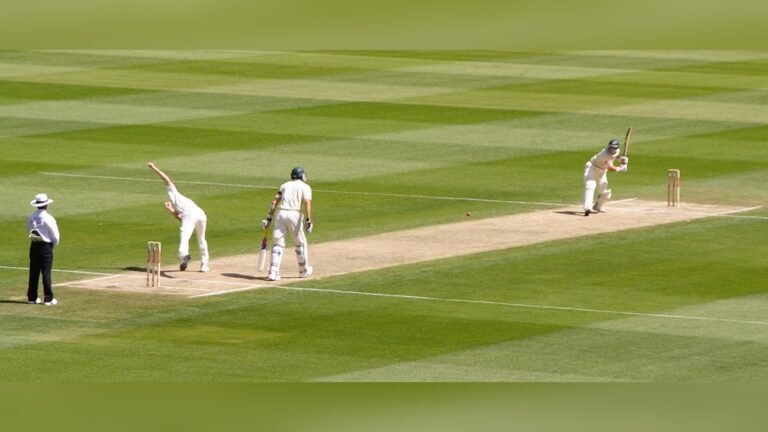
Cricket is more than just a sport for millions around the world. It brings people together, creates heroes, and tells stories of skill, patience, and courage. But for many new fans or casual viewers, one big question often remains: What is the objective of a cricket match? Understanding this is the first step to really enjoying the game, whether you’re watching at home or playing with friends. This article will guide you through the true objective of a cricket match, the rules that shape it, and the many layers that make cricket unique.
The Core Objective Of A Cricket Match
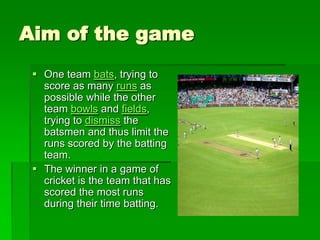
At its heart, the main objective in any cricket match is to score more runs than the opposing team. The team with the highest total runs at the end of the match wins. This simple idea forms the backbone of all cricket formats, whether it’s a quick T20 game, a classic one-day match, or a long five-day Test.
But while this goal sounds easy, cricket’s rules make the path to victory both complex and exciting. Teams must balance attack and defense, manage resources like wickets and overs, and adapt to changing conditions. Understanding how teams chase this objective helps you follow every twist and turn of a cricket game.
How Is The Winner Decided?
In every cricket match, two teams take turns to bat and bowl. The batting team tries to score runs, while the bowling team tries to get batters out (called “taking wickets”) and limit runs. Each team gets a chance to bat—this is called an “innings.” The team with the most runs after both teams have batted wins. If both teams score the same runs, the match is a tie or a draw, depending on the format.
Example: One-day Match
In a One Day International (ODI), each team bats for up to 50 overs. If Team A scores 250 runs, Team B must score at least 251 to win. If Team B scores exactly 250, the match is a tie.

Different Match Formats And Their Objectives
Cricket is played in several formats. Each format changes the way teams try to achieve the main objective—winning by scoring more runs.
Test Matches
- Played over five days
- Each team bats twice (two innings)
- Objective: Outscore the other team across both innings
- Draw possible if time runs out before a result
One Day Internationals (odis)
- Each team bats for a maximum of 50 overs
- One innings per team
- Objective: Score more runs within 50 overs
T20 Internationals
- Each team bats for a maximum of 20 overs
- Fast-paced, with lots of action
- Objective: Get more runs in just 20 overs
The Hundred And Other Innovations
New formats like The Hundred (100 balls per side) focus on making matches shorter and more exciting, but the core objective does not change: score more runs.
Key Elements That Influence The Objective
While scoring more runs is the main goal, teams must manage several key elements to win a cricket match.
Runs
Runs are the basic unit of scoring. Batters score runs by running between the wickets or hitting boundaries (4 or 6 runs at once).
Wickets
Each team has 11 players, but only 10 wickets can fall per innings (because two batters must be on the field). If a team loses all wickets, their innings ends. Saving wickets is as important as scoring runs.
Overs
An over is a set of 6 legal balls bowled by one player. The number of overs limits how long a team can bat. For example, in T20s, you only get 20 overs—so you must score quickly.
Fielding And Bowling
The bowling and fielding team tries to limit runs and take wickets. Fast bowlers, spin bowlers, and smart fielders all help control the game.
How Teams Achieve The Objective
Winning at cricket is not just about scoring runs. Teams use different strategies based on match format, pitch conditions, weather, and their own strengths.
- Batting Approach: Aggressive play is common in T20 cricket, but in Test matches, patience is key.
- Bowling Tactics: Bowlers may aim for wickets or try to stop runs, depending on what the team needs.
- Field Placements: Captains move fielders to areas where batters are likely to hit.
- Resource Management: Teams must use their best batters and bowlers at the right time.
Example Of Strategy Difference
In a Test match, a team may bat slowly to avoid losing wickets and force a draw. In a T20, the same team will try to hit as many boundaries as possible.
Deciding Factors: When Both Teams Have The Same Runs
Sometimes, both teams score the same number of runs. What happens then depends on the format.
- In Test cricket, the match is a draw if no team wins within five days.
- In ODIs and T20s, the match is a tie.
- In some tournaments, a Super Over decides the winner—a one-over shootout for each team.
The Role Of Secondary Objectives
Besides the main objective, teams often chase secondary goals that can decide the match or affect the tournament.
Net Run Rate (nrr)
In tournaments, teams sometimes need to win by big margins. Net run rate measures how quickly a team scores runs compared to others. A high NRR can help a team advance, even if they have the same number of wins as others.
Bonus Points
Some leagues and tournaments offer bonus points for winning by a large margin or for special achievements (like scoring a certain number of runs quickly).
Achieving Milestones
Individual players aim for personal goals—like scoring a century (100 runs) or taking five wickets in an innings. These achievements can boost team morale.
Common Misunderstandings About The Objective
Many beginners confuse cricket’s objective with just hitting the ball or taking wickets. But the truth is more complex:
- Not just hitting hard: Smart batting, running between the wickets, and defending are all important.
- Not just getting wickets: A bowling team must also limit runs, not just aim for wickets.
A team can lose even if it takes more wickets, if the other team scores more runs.
Why Does The Objective Matter So Much?
Understanding the real objective helps you appreciate cricket’s drama. Every run, wicket, and over is part of a bigger plan. Teams adapt their style to the situation, making every match unique.
For example, a team needing 10 runs from the last over will play differently than a team defending 50 runs. The main objective creates tension, excitement, and memorable moments.
Comparing Cricket Objectives To Other Sports
To see why cricket is unique, it helps to compare its objectives to other sports.
| Sport | Main Objective | Key Resource | Typical Duration |
|---|---|---|---|
| Cricket | Score more runs | Wickets/Overs | 3 hours to 5 days |
| Football (Soccer) | Score more goals | Time (90 min) | 90 minutes |
| Baseball | Score more runs | Outs/Innings | 2-3 hours |
Cricket’s use of both wickets and overs (or time, in Test cricket) makes its strategy different from most other sports.
The Importance Of Toss And Conditions
The start of every cricket match includes a toss—a coin flip to decide which team bats or bowls first. This small moment can have a big impact on the objective.
- Teams may choose to bat or bowl based on weather, pitch conditions, or team strengths.
- For example, batting on a fresh pitch is sometimes easier, so teams may prefer to bat first.
| Factor | Influence on Objective | Example |
|---|---|---|
| Weather | Rain may shorten match, changing target | DLS method in rain-affected matches |
| Pitch | Flat pitches favor batters, green pitches favor bowlers | High scoring vs. low scoring games |
| Time of Day | Dew can make bowling harder at night | T20 night matches |
Winning The Mental Battle
Cricket is a mental game. Teams that stay focused on the main objective—rather than getting distracted by crowd pressure or small setbacks—often come out on top. Good captains remind their players of what’s needed to win at every stage.
Example: Famous Comebacks
Some of the most exciting matches in history have come from teams who stayed focused on the main objective, even when the odds were against them. For instance, in the 2019 World Cup final, England and New Zealand tied both the match and the Super Over.
England won by scoring more boundaries—a rare tie-breaker rule.
Common Mistakes: What Beginners Often Miss
- Ignoring the value of wickets: New players sometimes focus only on scoring, forgetting that losing wickets quickly can end an innings early.
- Mismanaging overs: Especially in shorter formats, using up too many balls without scoring enough runs can lead to defeat.
- Fielding lapses: Small mistakes in the field can give away runs, making it harder to achieve the objective.
How The Objective Drives Fan Experience
Fans love cricket because the main objective creates endless possibilities. A team can bounce back from a bad start, or a match can change in a single over. Knowing the objective helps fans understand why every run, wicket, and over matters.

Where To Learn More About Cricket Rules
If you want to read the official rules or get more details, visit the Cricket Wikipedia page for a full overview.
Frequently Asked Questions
What Happens If Both Teams Score The Same Runs?
In limited-overs matches, the game is called a tie. Some tournaments use a Super Over to break the tie. In Test cricket, if the scores are level and the match ends, it’s called a draw.
How Many Players Are In A Cricket Team?
Each team has 11 players. All 11 can bat, but only 10 wickets can fall (since two batters must be on the field).
What Are Extras In Cricket Scoring?
Extras are runs given to the batting team for errors by the bowlers or fielders, such as wides, no-balls, byes, and leg byes.
Can The Match Objective Change Due To Weather?
Yes. If rain or bad weather shortens a match, the target may be adjusted using special rules like the Duckworth-Lewis-Stern (DLS) method.
Is The Objective Different In Test Matches?
The main objective—scoring more runs—remains the same, but Test matches allow two innings per team, and matches can end in a draw if time runs out.
Cricket’s main objective may sound simple, but the game’s strategy, history, and excitement come from all the ways teams try to reach that goal. Once you understand this, you’ll see the beauty in every run, wicket, and over.
