Image source: Bing (Web (fair-use with source credit))

Today's Exclusive Deals
Limited-time Exclusive Deals. Check current discount on Amazon.
Check Price on Amazon As an Amazon Associate I earn from qualifying purchases.Scuba Diving vs. Freediving: Understanding Your Underwater Options
What is the difference between scuba diving and freediving? If you're drawn to exploring the underwater world, you've likely pondered this question, and the answer isn't as simple as just "different gear." These two activities offer profoundly different ways to experience the ocean, each with its own challenges, rewards, and required mindset. Think of it like comparing a long-haul flight to a swift sprint.
Both cover distance, but the preparation, the experience, and the physical demands are worlds apart. Our research indicates that understanding these core distinctions is key to choosing the right underwater adventure for you.
Quick Answer
Scuba diving involves breathing from a tank of compressed air underwater, allowing for longer, more relaxed dives. Freediving, on the other hand, relies on holding your breath for extended periods to explore the underwater environment, making it a more physically and mentally intense activity with shorter dive times.
Scuba Diving: The "Stay Awhile" Approach
Scuba diving is what most people picture when they think of exploring beneath the waves. It's about using a self-contained underwater breathing apparatus, that's what "SCUBA" stands for, to grant you extended time exploring reefs, wrecks, and underwater landscapes. The fundamental difference here is the constant air supply, which removes the primary limitation of any diver: how long you can hold your breath.
This allows for a more leisurely pace, giving you ample opportunity to observe marine life and take it all in without feeling rushed.
Scuba Diving Gear Essentials
To dive safely and comfortably with a scuba setup, a specific set of equipment is necessary. This gear works together to provide air, control buoyancy, and protect you in the underwater environment. The core components are essential for managing your breathing and depth.
- Air Tank: A high-pressure cylinder filled with compressed air (or specialized gas mixes). These tanks provide your breathable air supply. Manufacturer specifications, such as those found on best scuba diving tank reviews, indicate typical capacities range from 6 to 15 liters, providing air for dives lasting from 30 minutes to over an hour, depending on depth and individual air consumption.
- Regulator: This critical device reduces the high-pressure air from the tank to a breathable pressure. It typically includes a primary second stage (the part you breathe from), an alternate air source (octopus), and a submersible pressure gauge (SPG) to monitor tank air. Choosing the right one, like those featured in best scuba diving regulator reviews, ensures reliable air delivery.
- Buoyancy Control Device (BCD): This vest-like jacket allows you to control your buoyancy, meaning you can float at the surface, hover at a specific depth, or sink easily. It's crucial for maintaining neutral buoyancy, a fundamental skill in scuba diving. Our research on best scuba diving BCDs shows models vary in design and features to suit different diving styles.
- Mask: A mask creates an air space in front of your eyes and nose, allowing you to see clearly underwater. A good fit is paramount to prevent leaks. For those with wider faces, specific designs exist, as highlighted in guides to best scuba diving masks for wide face.
- Fins: These are worn on your feet to provide propulsion. They are typically larger and stiffer than freediving fins to move the extra weight of scuba gear. Selecting the right fins, such as those discussed in best scuba diving fins for strong currents, can significantly improve your efficiency and control.
- Wetsuit or Drysuit: Depending on water temperature, you'll need thermal protection. Wetsuits use trapped water for insulation, while drysuits keep you completely dry. Guides to best scuba diving wetsuits and best scuba diving wetsuit for cold water detail thickness and material options.
- Weight System: Lead weights are used to counteract the natural buoyancy of your gear and wetsuit, allowing you to descend. These can be on a weight belt or integrated into the BCD. Information on best scuba diving weight belts can help you choose the most comfortable and secure option.
- Dive Computer: An essential tool that tracks depth, dive time, and air supply, helping you plan and execute dives safely, especially regarding decompression. Reviews of best scuba diving computers offer insights into their advanced features.

Image source: Web (Bing) / outuro.com (Web image (fair-use with source credit))
How Scuba Diving Works: Breathing Underwater
Scuba diving works by providing a constant, stable supply of breathable air from a tank. You breathe through a regulator attached to the tank, which delivers air on demand. This setup allows you to stay underwater for extended periods, typically ranging from 30 to 60 minutes or more, depending on your depth and breathing rate.
The core principle is enabling an artificial gill system, so to speak.
The process involves several key steps and principles:
- Air Delivery: When you inhale through the regulator's second stage, a mechanism inside reduces the tank's high-pressure to ambient pressure, matching the water pressure at your current depth. This ensures you can breathe comfortably.
- Buoyancy Control: Your BCD is your key to controlling whether you sink, float, or hover. By adding or releasing air into the BCD, you adjust your overall density to match the surrounding water, a skill honed during training. Mastering neutral buoyancy is a cornerstone of safe and enjoyable scuba diving.
- Pressure Equalization: As you descend, the water pressure increases. You must equalize the pressure in your ears and sinuses by performing maneuvers like pinching your nose and gently blowing. This is a critical skill taught in all certification courses.
- Depth and Time Management: The deeper you go, the faster you use air, and the more nitrogen your body absorbs. Dive computers, like those featured in best scuba diving computers, are vital for tracking these limits and preventing decompression sickness, a condition where dissolved gases form bubbles in the bloodstream upon ascent.
- Safety Procedures: Scuba diving requires formal training and certification from recognized agencies. This training covers essential safety protocols, buddy procedures, and emergency responses. You’ll also learn about using a best scuba diving surface marker buoy to signal your position.
Freediving: The "Breath-Hold Masterclass"
Freediving is an ancient practice that has seen a resurgence in popularity as a sport and a way to connect with the ocean on a deeper, more primal level. It's about diving underwater on a single breath. This means there's no air tank, no regulator, and no noisy equipment, just you, your body's capacity, and the underwater world.
The focus is on pure athleticism, mental discipline, and efficiency, allowing for incredible moments of stillness and immersion.
Freediving Gear Essentials
Compared to scuba gear, freediving equipment is minimal, emphasizing streamlined design and freedom of movement. Each piece is chosen to maximize efficiency and comfort during a breath-hold dive.
- Mask: Similar to scuba masks, freediving masks create an air pocket for clear vision. They are typically low-volume, meaning they have less internal air space. This reduces the effort needed to equalize pressure and allows them to sit closer to your face, improving your field of vision.
- Fins: Freediving fins are usually much longer and more flexible than scuba fins. This design allows for powerful, efficient propulsion with less effort, conserving precious oxygen. They are often made of advanced materials like carbon fiber for maximum performance.
- Snorkel: A simple tube used for breathing at the surface before a dive, allowing you to conserve energy and oxygen by not having to lift your head. Most freedivers use a basic, flexible snorkel without valves.
- Wetsuit: Essential for warmth and buoyancy control in cooler waters. Freediving wetsuits are often designed to be more flexible, especially around the shoulders and arms, to allow for maximum lung expansion and ease of movement. Guides like best scuba diving wetsuits might cover materials suitable for freediving too.
- Weight Belt: A belt with weights, similar to scuba diving, is used to achieve neutral or slightly negative buoyancy at depth. The goal is to be neutrally buoyant at a specific depth, requiring minimal effort to stay at that level. Choosing the right weight is crucial, as discussed in guides on best scuba diving weight belts, though the application differs.
- Lanyard (Optional for training/competition): A safety device used in structured training or competition environments, connecting the diver to a line. It's not typically used for recreational freediving.
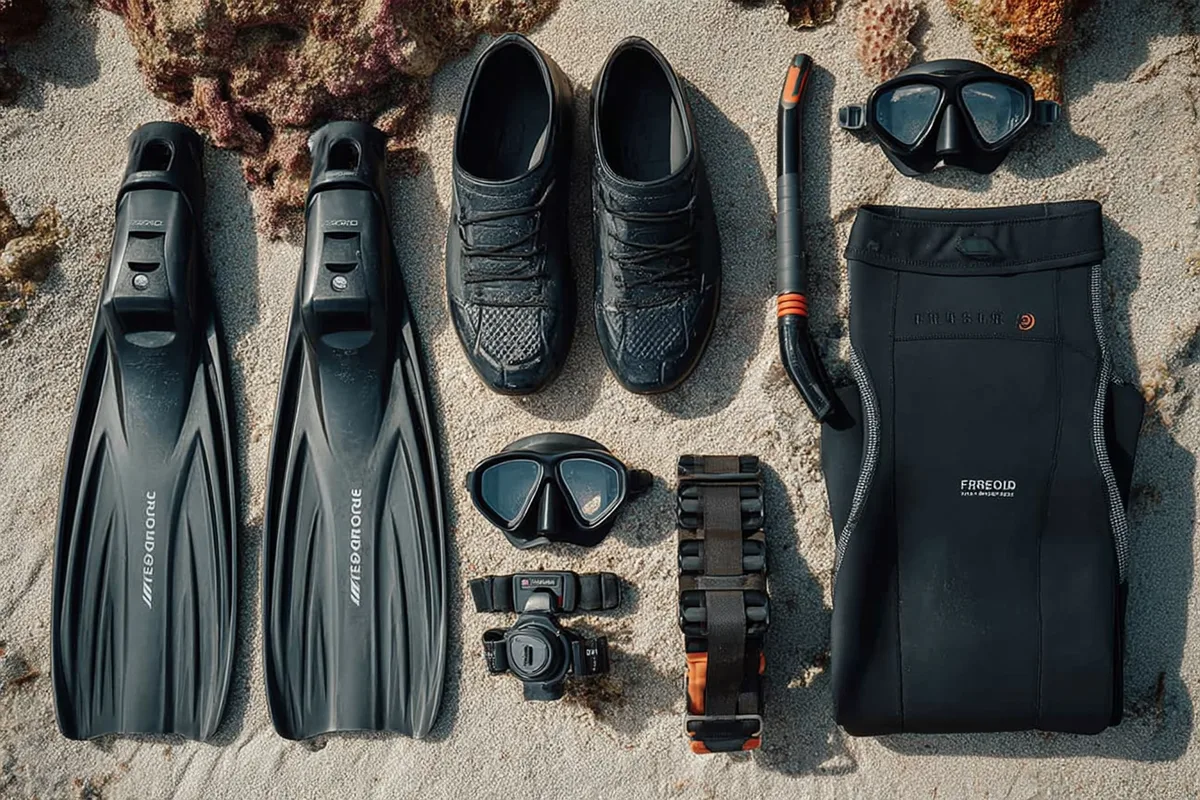
Image source: Web (Bing) / outuro.com (Web image (fair-use with source credit))
How Freediving Works: The Power of the Breath-Hold
Freediving is fundamentally about mastering your body's response to holding your breath. It's a sport that requires significant training, discipline, and a deep understanding of physiology. The process isn't just about "holding your breath longer"; it involves techniques to prepare your body and mind for the dive, execute it efficiently, and recover safely.
The core principles include:
- Breath-Up: Before a dive, freedivers engage in relaxation techniques and specific breathing patterns, known as "breath-up," to increase oxygen levels and reduce heart rate. This is not hyperventilation, which can be dangerous. Proper breath-up is crucial for safety.
- The Dive: Once ready, the freediver takes a full, deep breath and submerges. The descent is often powerful and streamlined, using fin strokes and body movements efficiently to conserve energy and oxygen. Equalization techniques, similar to scuba, are used to manage increasing water pressure on the way down.
- Bottom Time: While underwater, the freediver experiences the environment. The duration of this phase is limited by their breath-hold capacity and training. Competitive freedivers can hold their breath for several minutes.
- The Ascent: The ascent is just as important as the descent. Freedivers ascend efficiently, always keeping an eye on their buddy and signaling their intent.
- Recovery: Upon reaching the surface, freedivers perform a "recovery breath," a sharp inhale followed by a relaxed exhale, and observe their surroundings. This helps their body return to a normal state and prevents post-dive blackout. Proper recovery is non-negotiable.
- Training and Safety: Certified freediving courses teach essential techniques for equalization, relaxation, body positioning, and, critically, how to recognize and respond to potential dangers like shallow water blackout. This training is paramount for anyone looking to explore freediving beyond recreational snorkeling.
Who Is Scuba Diving For?
Scuba diving is an excellent choice for those who want to spend significant time exploring the underwater world at a relaxed pace. If you're fascinated by detailed observation of marine life, exploring shipwrecks, or taking underwater photos and videos, scuba offers the time and stability to do so. It's generally more accessible for beginners, with comprehensive certification programs designed to teach essential safety skills and equipment use.
Our research shows that many divers enjoy the feeling of buoyancy and the ability to hover effortlessly, allowing for close-up views without disturbing the environment.
If you envision yourself spending an hour cruising over a coral reef, carefully examining the creatures that inhabit it, or documenting your finds with a best scuba diving camera, then scuba diving is likely your path. The gear, while extensive, provides the means to stay down longer and explore further. It's also ideal for those who might prefer not to focus intensely on their breath-hold capacity, but rather on the experience itself.
Many also find comfort in the continuous air supply, reducing the immediate physical pressure of breath-holding. If you're looking for an immersive, extended experience with reliable air, scuba diving fits the bill.
Who Is Freediving For?
Freediving calls to those who are drawn to a profound connection with the ocean, a test of physical and mental limits, and a sense of pure, unassisted exploration. It's for individuals who find beauty in stillness and the primal experience of moving through water on a single breath. If you're someone who enjoys challenging yourself, developing intense mental focus, and appreciating the silence and simplicity of the underwater world, freediving might be your calling.
The streamlined nature of the activity means you become one with the water, experiencing it with minimal external interference.
This discipline is ideal for the athlete, the meditator, or anyone seeking a deeper, more intimate understanding of their own physical and mental capabilities. You'll find freedivers often describe a meditative state during their dives, a heightened awareness of their body and surroundings. While the dives are shorter, the intensity and focus are unparalleled.
It requires dedication to training, both in the water and through breath-hold exercises, to progress safely and effectively. If the idea of pushing your boundaries and experiencing the ocean with an almost spiritual connection appeals to you, freediving is worth exploring.
Diving Safety: Essential Considerations for Both
Safety is paramount in any underwater activity, and both scuba diving and freediving have specific protocols and risks that divers must understand. While the gear and mechanics differ, the fundamental need for knowledge, training, and responsible practices remains constant. As of 2026, educational standards continue to emphasize these critical safety aspects across all diving disciplines.
Scuba Diving Safety Protocols
Scuba diving requires formal certification because it involves managing life support equipment and understanding physics principles like pressure.
- Certification: Always dive with a buddy and ensure both of you are certified. Entry-level certification, like Open Water Diver, covers essential skills. Resources for best scuba diving gear for beginners can guide initial equipment choices.
- Equipment Checks: Perform pre-dive checks on all gear, especially the regulator and air supply. Verify your air at the surface and periodically during the dive.
- Ascent Rates: Ascend slowly, generally no faster than 30 feet (9 meters) per minute, to allow dissolved nitrogen to safely exit your body. Use a dive computer, like those found in best scuba diving computers, to monitor this.
- Dive Planning: Plan your dive based on depth and time limits to avoid decompression obligations. Always stay within your training limits.
- Buddy System: Never dive alone. Maintain contact with your buddy throughout the dive.
Freediving Safety Protocols
Freediving, while seemingly simpler, carries significant risks if not approached with proper respect and training. The primary concern is shallow water blackout.
- Never Dive Alone: This is the golden rule of freediving. Always have a trained buddy present who can monitor you and provide assistance if needed.
- Proper Training: Seek certification from a reputable freediving organization. This training covers crucial techniques for breath-hold, equalization, and rescue procedures.
- Breath-Up Properly: Avoid hyperventilation. Focus on calm, relaxed breathing to prepare your body without artificially lowering CO2 levels, which can mask the urge to breathe.
- Safe Ascent: Ascend calmly and consistently. If you feel any discomfort or urge to breathe intensely, surface immediately.
- Recovery Breathing: Upon surfacing, perform recovery breaths to help your body normalize oxygen and CO2 levels and prevent blackout.
- Respect Your Limits: Progress gradually. Don't push depths or breath-hold times beyond your current training and comfort level.
Frequently Asked Questions About Scuba and Freediving
### How long does a typical scuba dive last?
A typical recreational scuba dive, depending on depth and air consumption, usually lasts between 30 to 60 minutes. Factors like tank size, breathing rate, and depth significantly influence this duration.
### Is freediving dangerous?
Freediving can be dangerous if not practiced with proper training, safety protocols, and a qualified buddy. Risks include blackout, lung squeeze, and equalization issues. However, with certification and adherence to safety rules, it can be enjoyed safely.
### What's the difference in cost between scuba and freediving?
Starting in freediving is generally less expensive, requiring only a mask, snorkel, and fins, plus a wetsuit if needed, making it more accessible than scuba. Scuba diving requires a significant investment in a complete gear set, including a tank, regulator, and BCD, in addition to certification costs.
### Do I need certification for both?
Yes, formal certification is highly recommended and often required for both scuba diving and freediving. Scuba certification teaches you how to use life-support equipment and manage underwater physics safely. Freediving certification teaches essential breath-hold techniques, equalization, and crucial safety and rescue skills.