
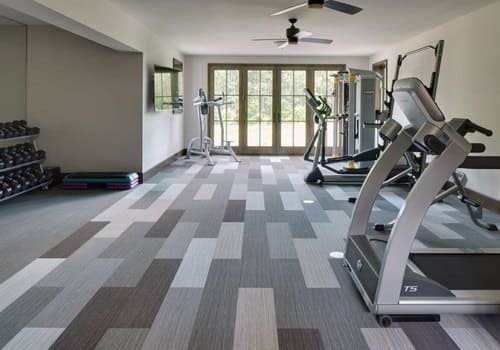
Choosing the right flooring for your home gym can make all the difference in your workout experience. You want something that protects your floors, supports your exercises, and feels comfortable underfoot.
But with so many options out there, how do you know which one is best for your space and fitness goals? You’ll discover the top flooring choices that combine durability, safety, and style—so you can create a gym that motivates you every time you step inside.
Keep reading to find the perfect match for your home workout area.
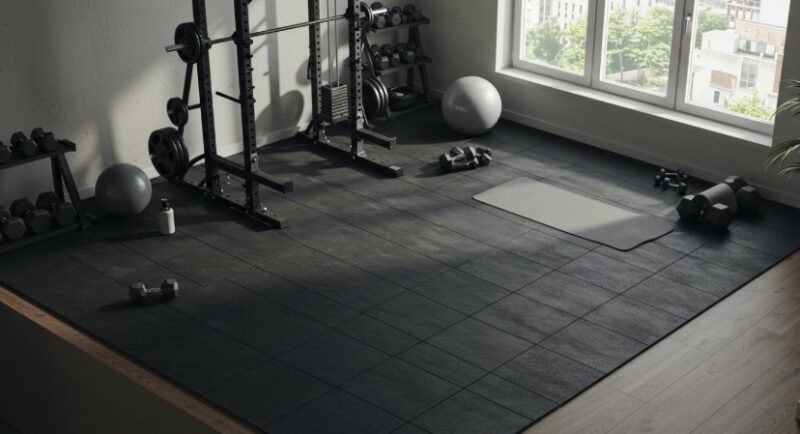
Choosing Flooring For Home Gyms
Picking the right flooring for your home gym is important. The floor affects your safety and workout quality.
Good flooring supports your exercises and lasts a long time. Think about what fits your space and needs.
Key Factors To Consider
Start by thinking about the type of workouts you do. Some floors work better with heavy weights or cardio.
Also, consider the floor’s comfort, safety, and how it feels under your feet. Noise and shock absorption matter too.
- Workout type (weights, cardio, yoga)
- Comfort and safety
- Noise and shock absorption
- Space size and room temperature
- Budget and installation ease
Impact On Workout Performance
Flooring affects how well you move during exercise. A good floor gives you grip and support.
Hard floors can be slippery or tough on joints. Softer floors reduce impact but may not hold heavy equipment well.
- Choose floors with good traction to prevent slips
- Pick materials that reduce joint stress
- Consider firmness for balance and stability
Durability And Maintenance
Your home gym floor needs to handle wear and tear. It should resist dents from weights and scratches.
Look for floors that are easy to clean and keep fresh. Some materials need less care and last longer.
- Choose durable materials like rubber or vinyl
- Look for water-resistant and easy-to-clean surfaces
- Avoid floors that stain or wear quickly
- Check how often you need to replace or repair

Popular Flooring Options
Choosing the right flooring for a home gym is important. The floor must be strong and safe for workouts.
Different materials offer various benefits. Some floors protect your joints, while others absorb impact.
Rubber Flooring Benefits
Rubber flooring is popular in gyms because it is durable and slip-resistant. It protects floors from heavy weights.
It also reduces noise and absorbs shock. This makes workouts safer and quieter.
- Strong and long-lasting
- Good grip to prevent slips
- Reduces noise and shock
- Easy to clean
Foam Tiles Advantages
Foam tiles are soft and lightweight. They provide good cushioning for exercises on the floor.
These tiles are easy to install and can be moved. They are good for low-impact workouts.
- Soft and comfortable
- Light and easy to move
- Good for stretching and yoga
- Affordable option
Vinyl Flooring Features
Vinyl flooring is water-resistant and easy to clean. It handles sweat and spills well.
It looks good and feels smooth. Vinyl works well if you want a stylish gym floor.
- Water-resistant surface
- Easy to clean and maintain
- Variety of designs and colors
- Comfortable underfoot
Carpet Considerations
Carpet adds warmth and sound absorption. It can be soft but may wear out quickly.
Carpet can trap dust and sweat. It needs regular cleaning to stay fresh and safe.
- Soft and warm feeling
- Absorbs noise
- Can wear down fast
- Needs frequent cleaning
Cork Flooring Pros And Cons
Cork flooring is natural and eco-friendly. It is soft and good for joint support.
Cork can be damaged by heavy weights. It also needs sealing to prevent water damage.
- Natural and sustainable
- Comfortable and soft
- Needs protection from heavy equipment
- Must be sealed to resist moisture
Safety And Comfort
Choosing the right flooring for a home gym helps keep you safe. It also makes workouts more comfortable.
Good flooring protects your body and prevents accidents during exercise.
Shock Absorption Importance
Shock absorption reduces impact on your feet and joints. This is important for exercises like jumping or running.
Flooring with good shock absorption lowers the risk of injury and muscle soreness.
- Protects bones and joints from hard impacts
- Reduces fatigue during long workouts
- Improves balance and stability
Slip Resistance
Slip resistance prevents falls and accidents in the gym. Wet or sweaty floors can be dangerous without it.
Floors with good grip keep you steady during quick movements or weight lifting.
- Helps you stay safe during intense workouts
- Works well with different shoe types
- Reduces risk of slipping on sweat or spills
Joint Protection
Protecting your joints is key for long-term exercise health. The right floor can absorb pressure and reduce stress.
Soft and cushioned surfaces help keep knees, ankles, and hips safe from damage.
- Less pain after workouts
- Supports safe movement patterns
- Helps prevent joint injuries over time
Installation And Cost
Choosing the right flooring for a home gym involves thinking about installation and cost. These factors affect your budget and how soon you can use your gym.
Some flooring options are easier to install yourself, while others need professional help. Cost varies by material and installation method.
Diy Vs Professional Installation
DIY installation saves money but may take more time and effort. It works well with simple flooring like foam or rubber mats.
Professional installation costs more but ensures the floor is set up correctly. It suits complex materials like interlocking tiles or poured rubber.
- DIY: Lower cost, more time, requires tools and skill
- Professional: Higher cost, faster, quality guarantee
Budgeting For Flooring
Plan your budget by adding material and installation costs. Some floors cost less but wear out fast.
Consider the size of your gym area. Larger spaces need more material and raise total cost.
- Basic foam mats: Low cost, easy to replace
- Rubber tiles: Mid-range cost, durable
- Poured rubber: High cost, long-lasting
- Vinyl flooring: Variable cost, easy to clean
Long-term Investment Value
Good flooring protects your body and gym equipment. It reduces noise and prevents damage.
Investing in durable flooring saves money over time. It lowers repair and replacement needs.
- Durability means fewer repairs
- Comfort reduces injury risk
- Easy maintenance saves time and money
- Proper installation extends floor life
Maintaining Your Gym Floor
Keeping your home gym floor clean and safe helps it last longer. Good care prevents damage from heavy equipment and sweat.
Regular maintenance protects your investment and keeps your workout space pleasant. Let’s look at how to clean, protect, and know when to replace your flooring.
Cleaning Tips
Clean your gym floor often to remove dirt and sweat. Use a soft broom or vacuum to pick up dust and debris.
Wipe the floor with a damp mop and mild soap. Avoid harsh chemicals that can damage the surface.
- Sweep or vacuum daily
- Use a damp mop with gentle cleaner weekly
- Dry the floor well after cleaning
- Spot clean spills immediately
Damage Prevention
Protect your gym floor from dents and tears by using equipment pads. These pads reduce pressure from heavy weights.
Avoid dragging machines or weights across the floor. Lift and place them gently to stop scratches.
- Place rubber mats under heavy equipment
- Lift, do not drag, gym items
- Keep shoes clean to avoid dirt marks
- Check flooring regularly for small damage
When To Replace Flooring
Change your gym floor if it becomes cracked, torn, or worn out. Old flooring can cause injuries or damage equipment.
If cleaning and repairs do not fix the damage, replacement is needed. Look for signs like uneven surfaces or persistent odors.
- Cracks or deep gouges appear
- Floor feels uneven or unstable
- Damage spreads despite repairs
- Strong smells from sweat or mold

Matching Flooring To Workout Types
Choosing the right flooring for your home gym depends on the types of workouts you do. Different exercises need different surfaces for safety and comfort.
Picking flooring that matches your workout helps protect your body and your equipment. It also makes exercising more enjoyable and effective.
Weightlifting Needs
Weightlifting requires strong, durable flooring that can handle heavy weights and drops. The floor should protect both your equipment and your home.
Rubber flooring is a common choice. It absorbs impact and prevents damage. Thick rubber mats also reduce noise from dropping weights.
- Use thick rubber tiles or rolls
- Look for high-density material
- Ensure good slip resistance
- Consider easy-to-clean surfaces
Cardio And Aerobics
Cardio workouts need flooring that offers some bounce to reduce stress on joints. It should also handle fast movements and sweat well.
Foam or vinyl flooring works well for these exercises. They provide cushioning and are easy to clean after sweating.
- Choose cushioned foam tiles
- Consider vinyl for durability
- Check for moisture resistance
- Look for anti-slip surfaces
Yoga And Stretching
Yoga and stretching need soft, comfortable floors that support balance. The surface should be non-slip and gentle on knees and hands.
Cork and padded vinyl are good choices. These floors provide warmth and cushioning without being too soft or unstable.
- Try cork flooring for natural comfort
- Use padded vinyl for easy cleaning
- Ensure a non-slip finish
- Think about adding yoga mats for extra grip
Frequently Asked Questions
What Flooring Is Best For Absorbing Gym Impact?
Rubber flooring is best for absorbing impact. It cushions joints and reduces noise. It’s durable and slip-resistant, ideal for heavy workouts and dropping weights.
Can Hardwood Flooring Work For A Home Gym?
Hardwood can work but isn’t ideal. It’s slippery and can dent easily. Use protective mats to prevent damage and improve safety.
How Do I Maintain Gym Flooring At Home?
Clean regularly with mild detergent and water. Avoid harsh chemicals that damage material. Inspect for tears or wear and replace damaged sections promptly.
Is Foam Flooring Suitable For Heavy Gym Equipment?
Foam flooring is comfortable but not durable for heavy equipment. It compresses under weight and may not protect floors well. Use rubber for heavy gear.
Conclusion
Choosing the right flooring matters for your home gym. It impacts safety and performance. Rubber flooring offers durability and noise reduction. Foam tiles provide comfort for workouts. Carpet tiles can be a budget-friendly option. Consider your workout type and budget.
Also, think about the space available. All these factors help in making the right decision. A good floor can enhance your workout experience. Invest wisely for long-term satisfaction. Your home gym deserves the best, so choose carefully. Enjoy your workouts in a comfortable, safe space.
