
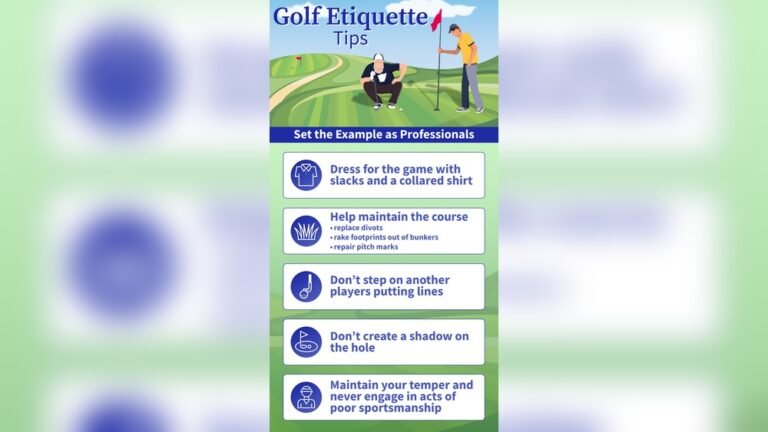
Golf is not just about hitting a ball into a hole; it’s a game deeply rooted in tradition, respect, and personal integrity. Understanding golf etiquette is as important as learning the right swing or choosing the best club. For many, these unwritten rules make the difference between an enjoyable round and a frustrating experience. If you’re new to golf, or even if you’ve played for years, mastering etiquette will make you a better playing partner and help you fit in on any course. This article will give you everything you need to know to play with confidence and respect, making sure you never feel out of place from tee to green.
What Is Golf Etiquette?
Golf etiquette refers to the set of traditional behaviors and practices followed by golfers. These are not official rules like the ones set by the USGA or R&A, but they are widely respected and expected on every course. Golf etiquette covers how you act on and off the course, ways to show respect to other players, safety habits, and the responsibility of caring for the course itself. Following these guidelines helps create a pleasant environment, keeps play moving smoothly, and ensures everyone enjoys their round.
Why Etiquette Matters In Golf
Unlike many other sports, golf is often played without referees or judges. Players are trusted to keep their own score and follow the rules themselves. This makes honesty and self-control essential. Good etiquette means you’re thinking about others, not just your own game. It also helps:
- Prevent slow play, which can frustrate everyone
- Protect the course for future players
- Avoid accidents and injuries
- Encourage fair play and sportsmanship
Many golfers say they remember good manners more than a great shot. A player with strong etiquette is always welcome, even if their skills need work.
:max_bytes(150000):strip_icc()/57358212-56a3d3375f9b58b7d0d40198.jpg)
Key Aspects Of Golf Etiquette
Golf etiquette covers several important areas. Let’s look at each one in detail.
Respect For Other Players
Being polite and considerate is at the heart of etiquette. Here are some main ways to show respect:
- Silence during shots: Always stay quiet and still when someone is about to swing. Sudden noises or movement can distract and ruin their shot.
- Don’t stand in their line: When someone is putting, never walk or stand on the line between their ball and the hole. Your shadow can also distract, so be mindful of where you stand.
- Wait your turn: Golf is played in a set order. The person farthest from the hole usually plays first. On the next tee, the player with the lowest previous score has “the honor” and tees off first.
- Congratulate and encourage: A quick “nice shot” or “well played” is always appreciated, even among strangers.
Care For The Course
Golf courses are living landscapes, and every player helps keep them in good shape. These are simple, but often forgotten:
- Repair divots: If you take a chunk of turf with your swing, replace it or fill it with seed mix if provided.
- Fix ball marks: When your ball lands on the green, it can leave a dent called a pitch mark. Use a repair tool to gently fix it.
- Rake bunkers: Always rake the sand after playing from a bunker so it’s smooth for the next player.
- Avoid damage: Don’t drive carts or pull trolleys across tees, greens, or wet areas.
Mistreating the course can leave scars that last for weeks. Good care shows respect for the course staff and other players.
Pace Of Play
Slow play is one of the most common complaints in golf. Staying aware of your speed keeps the game enjoyable for everyone:
- Be ready to play: Know your distance and club choice before it’s your turn.
- Keep up with the group ahead: Your group should not fall far behind. If you do, let faster groups play through.
- Limit practice swings: Take one or two, not five or six.
- Mark your score quickly: Record scores at the next tee, not while standing on the green.
A typical round of 18 holes should take about four hours, but this can vary by course and group size.
Safety And Awareness
Golf balls and clubs can cause serious injuries. Safety etiquette is critical:
- Never swing when someone is nearby: Look around before taking a shot.
- Shout “Fore!”: If your ball is heading toward another person, yell “Fore!” loudly as a warning.
- Stand out of range: Stay behind or to the side when others are swinging.
- Wait until it’s clear: Don’t hit until the group ahead is out of reach.
Many beginners forget how far a golf ball can travel. Accidents are rare but usually preventable with good etiquette.
Dress Code And Appearance
Golf has a reputation for neat and classic clothing, and most courses enforce a dress code. While it varies, common standards include:
- Collared shirts (polo style)
- Golf trousers or shorts (no jeans or gym shorts)
- Golf shoes (often required)
- Hats or visors (optional, but common for sun protection)
Some private clubs are stricter, while public courses may be more relaxed. When in doubt, check the course website or call ahead.
Cell Phones And Electronic Devices
Golf is a time to disconnect. Using your phone on the course can annoy others:
- Keep your phone on silent or vibrate
- Take calls away from play areas
- Avoid loud music unless your group agrees
Some tournaments ban phones completely, so always check the rules.
Common Mistakes Beginners Make
Even well-meaning players can break etiquette by accident. Here are some non-obvious pitfalls:
- Walking on someone’s putting line: On the green, the line between a player’s ball and the hole is sacred. Don’t step across it.
- Leaving bags or carts in the wrong spot: Place your bag or trolley where you’ll finish the hole, not in the way of others.
- Forgetting to watch your own ball: If you slice your shot into the trees, help look for balls quickly—both yours and others.
- Talking during someone’s pre-shot routine: Even quiet conversations can distract a player getting ready.
Small mistakes can add up and slow the game. A little extra attention goes a long way.
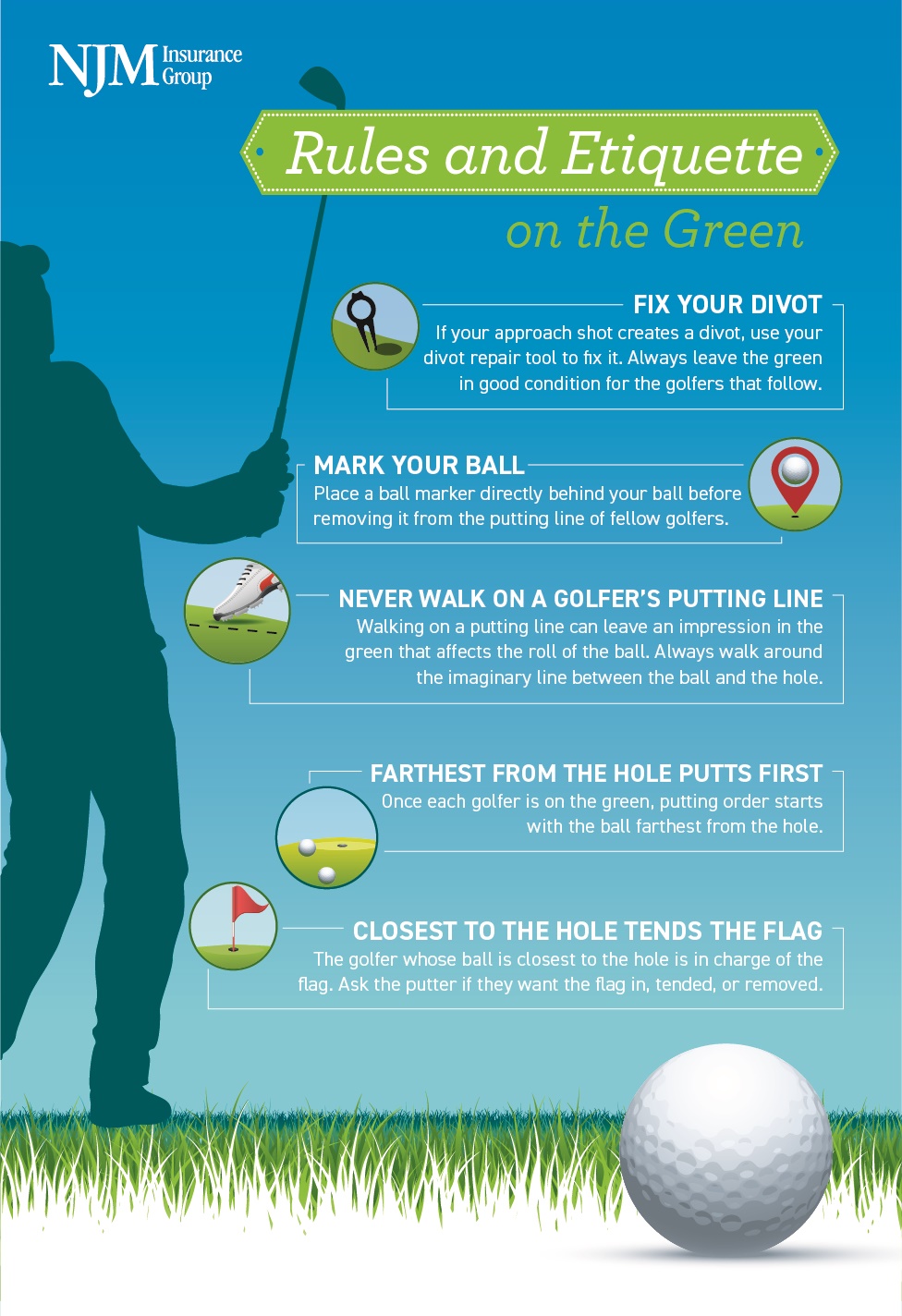
Etiquette On The Tee, Fairway, And Green
Golf etiquette changes a bit depending on where you are on the course.
On The Tee
- Stand to the side and slightly behind the player hitting
- Stay quiet and avoid sudden movement
- Don’t tee up your ball until it’s your turn
On The Fairway
- Watch for other groups nearby
- Replace divots and avoid damage to the turf
- Be quick but careful—think about your next shot while walking
On The Green
- Mark your ball with a coin or disc if it’s in another player’s line
- Repair any pitch marks you see, not just your own
- Avoid dragging your feet, which can damage the grass
The green is a special place, where etiquette is even more important. It’s about respect for both the course and your playing partners.
Differences In Etiquette: Casual Play Vs. Competition
Etiquette is important in all forms of golf, but there are differences depending on the situation. Here’s a quick comparison:
| Aspect | Casual Rounds | Tournaments/Competitions |
|---|---|---|
| Pace of Play | Flexible, but still mindful | Strict timing, penalties for delays |
| Dress Code | Relaxed at many courses | Usually formal and enforced |
| Cell Phones | Allowed, but politely | Often banned or restricted |
| Coaching/Advice | Friendly tips common | Advice often limited by rules |
| Scoring | Self-scored, informal | Strict, with official checks |
In competition, etiquette slips can cost you strokes or even disqualification. In casual play, you’ll likely get a friendly reminder.

Modern Changes In Golf Etiquette
Golf is a traditional game, but some customs are changing:
- Music on the course: Many younger players like quiet music. Ask your group before playing any.
- Relaxed dress codes: Some public courses allow more casual clothes, especially in hot climates.
- Faster play: “Ready golf” (playing when ready, not by strict order) is popular to speed things up.
- Sharing on social media: Posting photos and scores is common, but always get group permission.
Still, core etiquette—respect, care, honesty—remains unchanged.
Non-obvious Insights For New Golfers
- Etiquette extends beyond play: Even in the parking lot, pro shop, or clubhouse, good manners matter. Greet staff, respect other players’ space, and follow club rules everywhere.
- Repairing more than your own damage: Fixing extra ball marks or divots, even if you didn’t make them, is a quiet sign of respect that experienced golfers notice.
These small actions build your reputation as a thoughtful golfer—something more valuable than a low score.
Practical Tips For Remembering Golf Etiquette
- Watch how experienced players behave and ask if you’re unsure
- Review etiquette guides on the course’s website before your round
- Keep a divot tool and small towel in your pocket to fix marks quickly
- Practice silence and stillness when others are hitting; it becomes a habit
If you forget, apologize and try to do better next time. Most players appreciate the effort.
Real-life Examples Of Good And Bad Etiquette
Good Etiquette
- A golfer fixes two extra pitch marks on the green
- A group waves a faster pair through on a busy day
- A player quietly waits while their partner finishes a difficult shot
Poor Etiquette
- Someone answers a phone call loudly on the 15th tee
- A player leaves deep footprints in a bunker and walks away
- A group spends 10 minutes searching for a lost ball, holding up play
These examples show how small habits can affect everyone’s enjoyment.
Etiquette For Junior And Beginner Golfers
If you’re young or new to golf, don’t be nervous about etiquette. Most golfers are happy to help you learn. Start with these basics:
- Be polite, say “please” and “thank you”
- Watch and listen to what others do
- Ask questions if you’re unsure
- Try to keep up with the group
Learning etiquette is a process. Every round is a chance to improve.
Comparing Golf Etiquette Around The World
Different countries and regions have their own traditions. Here’s how etiquette can vary:
| Country | Unique Etiquette Practice |
|---|---|
| Japan | Bowing to playing partners at the start and end of a round |
| Scotland | Allowing singles and pairs to play through larger groups |
| USA | Focus on pace of play and fixing all course damage |
| Australia | Strict care of bunkers and greens; casual dress codes |
No matter where you play, the basics—respect, honesty, safety—are universal.
Frequently Asked Questions
What Happens If I Break Golf Etiquette By Mistake?
Most of the time, another player will give you a polite reminder. Serious breaches, like damaging the course or causing danger, could get you asked to leave. The key is to apologize and learn for next time.
Is Etiquette The Same At Every Golf Course?
Core etiquette is similar everywhere, but local rules or customs may differ. Always check with the starter or clubhouse staff if you’re not sure about dress code, phone use, or pace expectations.
Can You Get Penalized For Breaking Etiquette?
While there are no official penalties for most etiquette breaches, some competition rules include penalties for slow play or disturbing others. In social play, poor etiquette can damage your reputation and affect future invitations.
How Can I Learn More About Golf Etiquette?
You can read official guides from the USGA or R&A, watch YouTube tutorials, or ask experienced golfers. The Wikipedia page on golf etiquette is also a helpful resource.
Is Golf Etiquette Important For Beginners?
Yes, but don’t stress too much. Focus on being polite and respectful. Experienced golfers appreciate beginners who try to follow etiquette, even if they make mistakes.
Golf is a sport that values respect, honesty, and tradition. By understanding and practicing good golf etiquette, you’ll enjoy the game more and earn the respect of your fellow players. Even the best golfers in the world started as beginners—what set them apart was not just their skill, but their understanding of the game’s true spirit.
