
Understanding what is cardio exercise doesn't require a degree in sports science, but it does demand a look at how your body moves and recovers. Cardio is simply any activity that elevates your heart rate and increases your breathing to sustain blood flow to your muscles.
Most health organizations, including the Centers for Disease Control and Prevention, recommend at least 150 minutes of moderate-intensity activity every week. This standard serves as a benchmark to ensure your heart and lungs stay conditioned for daily life.
Today's Exclusive Deals
Limited-time Exclusive Deals. Check current discount on Amazon.
Check Price on Amazon As an Amazon Associate I earn from qualifying purchases.
Quick Answer
Cardio exercise is any movement that raises your heart rate. It strengthens your heart and lungs through sustained effort. You use oxygen to fuel these activities.
Common examples include brisk walking, swimming, and cycling. It improves your cardiorespiratory fitness over time.
Why Cardio Accuracy Matters for Your Long-Term Health
When you treat movement as a way to build physiological resilience, you stop chasing trends and start building real capacity. Cardio isn't just about weight management. It's about ensuring your heart, a muscular pump, functions without struggle during periods of stress or exertion.
If you’ve ever wondered why some people breeze up stairs while others pant, you’re looking at the difference in cardiovascular health.
Prioritizing your heart health early acts as a biological insurance policy. As of 2026, research consistently links regular aerobic activity to lower rates of hypertension and improved vascular function. Understanding the nuances of your own heart rate response allows you to tailor your effort to your current fitness level.
Whether you are using a sturdy machine for home sessions or walking outdoors, the goal is always efficiency. You want your heart to pump more blood with less effort over time.
The Mechanics of Cardiorespiratory Fitness
Cardiorespiratory fitness measures how well your body consumes and uses oxygen during physical work. When you perform cardio, your muscles demand more fuel. Your heart rate rises to circulate oxygenated blood, and your lungs work harder to replenish that supply.
This cycle is the foundation of aerobic metabolism.
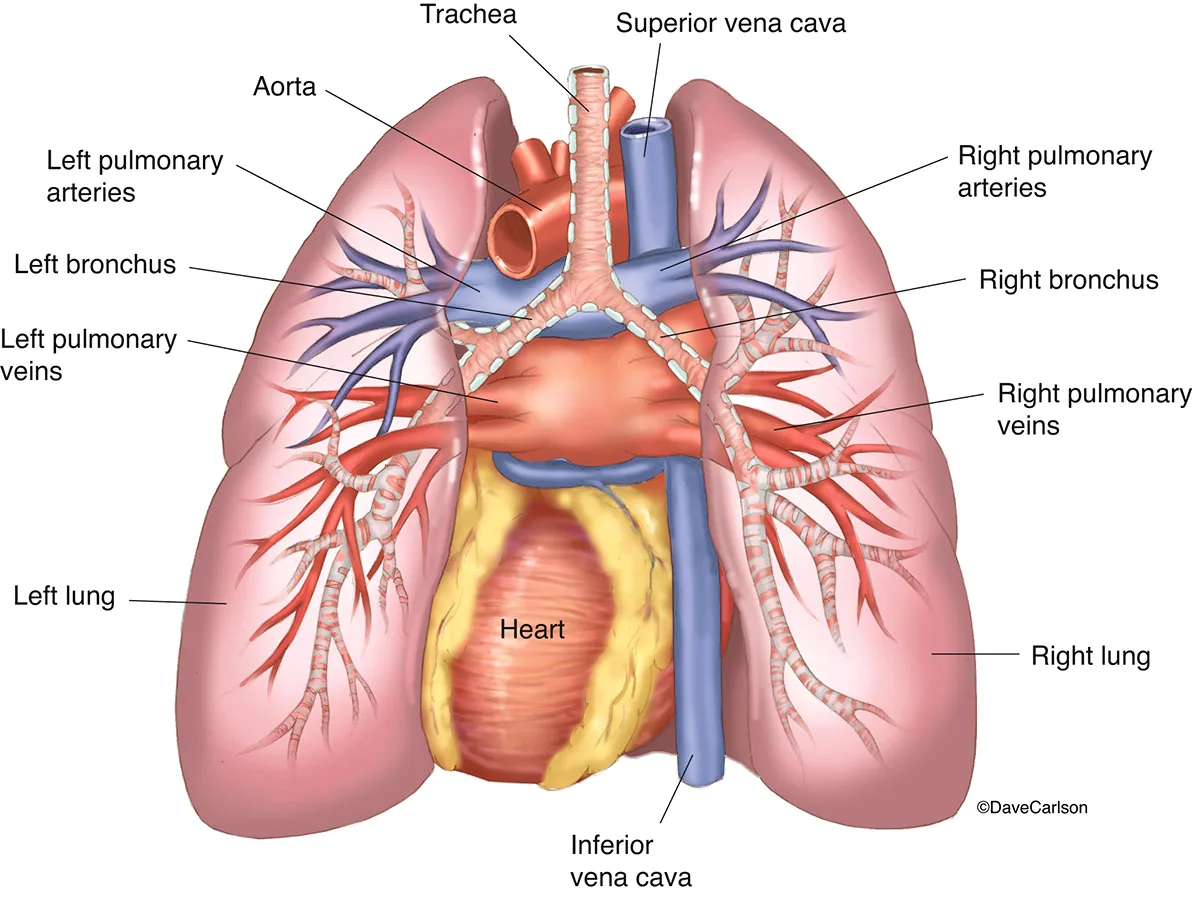
At a cellular level, your body becomes more efficient at using fat and glucose for energy when you train consistently. This process increases the density of your capillaries, which are the tiny vessels delivering oxygen to your tissues. You don't need a lab to see these results.
You'll simply notice that after a few weeks of choosing a reliable home brewer, you recover faster between efforts.
| Component | Function | Result |
|---|---|---|
| Heart | Pumps blood | Lower resting pulse |
| Lungs | Oxygen intake | Better stamina |
| Muscles | Energy use | Efficient endurance |
| Vessels | Blood transport | Improved circulation |
Comparing Steady-State vs. High-Intensity Training
We usually divide cardio into two primary methods based on intensity. Steady-state training, or LISS, involves maintaining a consistent, moderate heart rate for a long duration. You should be able to hold a conversation while doing this.
If you are looking for top-rated gear for your home, steady-state is the most common starting point because it is gentle on the joints.
High-intensity training, or HIIT, switches things up by alternating bursts of maximum effort with short rest periods. This method improves your peak power and metabolic efficiency in less time. However, it requires a higher base level of fitness to avoid injury.
Many people find a durable, powerful machine helps them track these intervals more precisely.
- Steady-State: Best for building a base, recovery days, and long-term joint health.
- HIIT: Best for busy schedules and maximizing oxygen consumption in short windows.
How to Safely Build Your Cardio Routine
Consistency beats intensity every single time. If you jump into a high-intensity program without a base, you risk burnout or injury. Follow the principle of progressive overload, where you slowly increase your time or effort over weeks, not days.
If you've been sedentary, consider starting with a quiet, low-impact base to prime your joints and heart.
The golden rule for progression is the 10 percent guideline. Never increase your weekly distance or time by more than 10 percent at once. This gives your tendons and ligaments time to adapt to the stress.
If you are using a model designed for taller users, ensure your form remains steady as you increase your speed. Always keep a log of your session duration to monitor your progress objectively.
Essential Safety Practices and When to Seek Medical Guidance
Before starting any new exercise program, listen to your body. You should feel challenged, not pained. Sharp joint pain, dizziness, or chest tightness are clear signs to stop immediately and seek medical advice.
According to the National Institutes of Health, it is vital to clear new, vigorous routines with your doctor if you have existing heart conditions or mobility issues.
- Hydration: Drink water before, during, and after your movement.
- Warm-up: Spend five minutes doing light movement to increase your muscle temperature.
- Cool-down: Allow your heart rate to return to baseline gradually to prevent blood pooling.
- Environment: If training outdoors, respect the heat and cold.
- Equipment: If you use an incline-capable unit, ensure the belt is clean and calibrated correctly.
Common Mistakes That Stall Progress
The biggest mistake people make is trying to do too much too soon. You might feel motivated to go hard every single day, but your muscles and tendons need time to recover. If you push through fatigue, you'll likely end up with an overuse injury that forces you to take weeks off.
Another frequent error is ignoring the importance of form. If you are using a folding home treadmill, you should keep your posture upright and your core engaged. Slouching over the console or gripping the handles too tightly limits the effectiveness of your movement.
It can also lead to neck and shoulder strain.
Some trainees also fall into the trap of doing the exact same workout for months. Your body is smart, and it adapts to specific stresses quite quickly. Once you reach a plateau, you need to change your variables to keep seeing results.
Consider increasing your duration slightly or adjusting the incline settings to keep things challenging.
Finally, don't treat your movement as a punishment for what you ate. This mindset is not sustainable and often leads to burnout. You should view your sessions as a gift to your long-term health.
If you feel like your gear is the source of your frustration, you might benefit from troubleshooting mechanical issues to ensure a smooth, worry-free session. Reliability matters when you are trying to stay consistent.
Frequently Asked Questions
Do I need to track my heart rate while exercising?
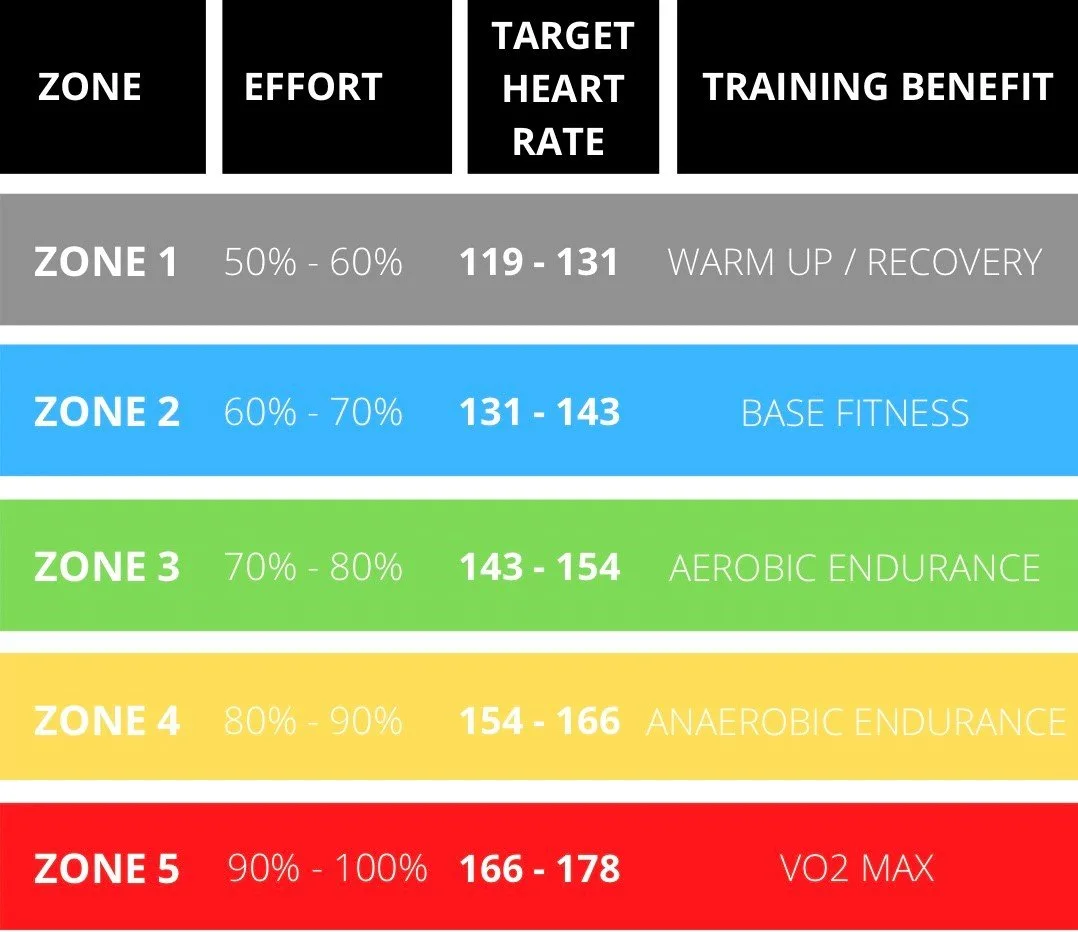
You don't need a monitor, but it helps. Tracking your heart rate ensures you stay in the right zone for your goals. If you don't have a tracker, use the talk test.
You should be able to speak in short sentences but not sing a song.
How often should I increase my workout intensity?
Aim to increase your intensity or duration every two to four weeks. Always monitor your recovery before adding more stress. If you feel energized after your sessions, you're likely ready to progress safely.
Sudden jumps lead to setbacks.
Is cardio enough to get fit on its own?
Cardio is excellent for heart health and endurance, but it works best when paired with strength training. Strength exercises keep your bones dense and your metabolism high. A balanced approach gives you the best of both worlds.
It helps you stay agile and strong as you age.
Can I do cardio at home effectively?
Yes, you can get a great session in a small space. Many people use compact walking pads or folding units to maintain a routine. The key is finding gear that fits your environment and keeps you comfortable.
Consistent, daily movement at home beats irregular trips to a gym.
What should I do if my joints ache after a session?
Joint pain usually suggests you have increased your volume too quickly or your form is off. Take a few days of rest and focus on low-impact movement like walking or swimming. If the pain persists, consult a physical therapist.
Don't work through sharp or localized pain.