What is anaerobic exercise and why does it change how your muscles perform under pressure? Simply put, this type of training forces your body to produce energy without relying on oxygen as the primary fuel source. It is the specific mode of movement you use when pushing your physical limits for short, explosive bursts.
As of 2026, exercise physiology research confirms that these bouts must be high-intensity to trigger the desired metabolic adaptations. Your body relies on stored glucose rather than oxygen to sustain this level of effort. Transitioning from steady-state movement to this intense output requires careful attention to your physical readiness.

Today's Exclusive Deals
Limited-time Exclusive Deals. Check current discount on Amazon.
Check Price on Amazon As an Amazon Associate I earn from qualifying purchases.
Quick Answer
Anaerobic exercise consists of short, high-intensity movements. It relies on energy stored in your muscles. The process occurs without using oxygen for fuel.
Common examples include sprinting and heavy weightlifting. This training builds significant strength and power output.
The Physiology of Effort: Understanding Anaerobic Exercise
Anaerobic exercise describes any activity where the demand for energy exceeds your body's immediate oxygen supply. During steady-state cardio, your heart and lungs deliver enough oxygen to fuel your muscles efficiently. When you switch to high-intensity work, that supply chain cannot keep up.
Your muscles instead turn to a faster, anaerobic pathway to produce Adenosine Triphosphate. This allows for rapid, powerful movements that you could not maintain for more than a few minutes. If you have ever felt your muscles burn toward the end of a heavy set, you are experiencing the byproduct of this process.
This system is divided into two parts: the phosphagen system and the glycolytic system. The phosphagen system provides nearly instantaneous energy for activities lasting under ten seconds. The glycolytic system takes over for bouts lasting up to two minutes.
Both are vital for building athletic power and bone density.
How Your Body Switches Fuels: The Science of High-Intensity Training
Your body operates like a dual-fuel engine. While aerobic exercise utilizes oxygen to burn fat and carbohydrates, anaerobic exercise prioritizes glycogen, a stored form of sugar, for rapid energy release. This is necessary because the chemical reactions required to utilize oxygen take too long for explosive movements.
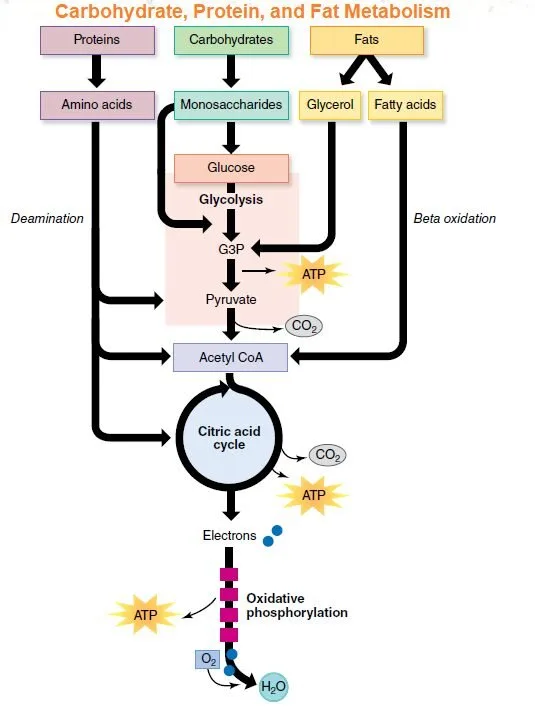
This shift occurs when you hit your anaerobic threshold. This is the point where lactic acid begins to accumulate in your bloodstream faster than your body can clear it. Once you cross this line, your performance capacity drops significantly, forcing you to slow down or recover.
Understanding this mechanism helps you manage your routine maintenance effectively. Training near this threshold increases your body's ability to clear lactate, which improves your endurance at higher intensities over time. Frequent, controlled exposure to this state is exactly how those focused on performance gains see real improvements in strength and stamina.
Why Anaerobic Training Matters: Performance, Metabolism, and Bone Health
The most significant benefit of anaerobic exercise is its impact on your power output and muscular strength. Unlike long, slow workouts, this type of training specifically targets fast-twitch muscle fibers. These fibers are responsible for explosive movements and have the greatest potential for size and strength growth.
Beyond muscle gain, this training creates an "afterburn" effect known as Excess Post-exercise Oxygen Consumption. Your body requires significant energy to return to its resting state after an intense session. This process keeps your metabolic rate elevated for hours after you finish your workout, which is a major advantage for body composition.
Research from the National Institutes of Health highlights that high-intensity loading is essential for maintaining bone mineral density. The mechanical stress placed on your bones during lifting or explosive jumping signals your body to increase bone mass. This is a critical factor for long-term health, helping to prevent fractures and maintain mobility as you age.
Building Your Routine: Essential Principles for Safe Implementation
To start incorporating this training, you must prioritize work-to-rest ratios. This ensures you maintain the necessary intensity during work periods while allowing your energy systems to reset. If your rest is too short, you drift into aerobic work, losing the specific anaerobic stimulus you are after.

When beginning, use a 1:3 or 1:4 ratio. If you sprint for 15 seconds, rest for 45 to 60 seconds before your next round. This gives your ATP stores enough time to replenish.
Using a high-quality treadmill helps you track these intervals accurately without needing to watch a clock constantly.
Always include a thorough dynamic warm-up to prepare your nervous system. Never attempt max-effort lifts or sprints with cold muscles, as this dramatically increases your chance of strains. Gradually increasing your workload is the best way to ensure consistent progress while avoiding burnout.
Minimizing Risk: Avoiding Overtraining and Common Technique Pitfalls
The intensity of anaerobic exercise places significant stress on your central nervous system. Unlike aerobic work, which is relatively gentle, high-intensity training can leave your body drained for days if you overdo it. Start with two sessions per week, ensuring at least one full day of recovery between them.
Technique is the most common casualty of intensity. When you are breathless and fatigued, it is natural for your form to degrade. If you find your technique breaking down during a set, terminate the set immediately.
Pushing through poor form with heavy weight is the fastest path to injury.
Do not ignore the importance of recovery tools. A reliable folding treadmill can be a great asset for controlled, low-impact sessions on your off days. Listening to your body signals, like persistent fatigue or joint pain, is essential for anyone who wants to remain injury-free for the long haul.
Comparing Aerobic and Anaerobic Methods: Knowing When to Shift Gears
Aerobic and anaerobic training serve different physiological goals. Aerobic exercise, often called steady-state cardio, increases your heart and lung capacity by keeping your body within an oxygen-rich zone. It is excellent for endurance and long-term heart health.
In contrast, anaerobic training forces your body to adapt to high-stress, short-duration demands.
Choosing the right method depends entirely on your immediate objective. If your goal is to finish a marathon or improve stamina for extended walking sessions, aerobic work is your best choice. If you want to increase your raw speed, explosive power, or muscle hypertrophy, you need to incorporate anaerobic intervals.
| Feature | Aerobic Exercise | Anaerobic Exercise |
|---|---|---|
| Oxygen Usage | Uses oxygen for fuel | Does not rely on oxygen |
| Duration | Longer, sustained efforts | Short, explosive bursts |
| Intensity Level | Low to moderate | High to maximal |
| Primary Goal | Endurance and heart health | Strength and power growth |
You do not have to pick just one. Most well-rounded fitness programs combine both. You might use a standard incline model for steady-state recovery work on Tuesday, and perform high-intensity speed training on Thursday.
This balance allows you to build a broad base of fitness while still developing the ability to perform under intense pressure.
Frequently Asked Questions About High-Intensity Workouts
Is anaerobic exercise safe for beginners?
It is safe if you approach it with a gradual progression. Beginners should spend time building a foundation of aerobic fitness before attempting high-intensity work. Always start with lower-impact intervals and shorter work periods.
If you have any underlying health conditions, consult a medical professional before pushing your physical limits.
How do I know if I am working anaerobically?
You will know by your inability to speak comfortably during the work phase. If you can carry on a full conversation, your intensity is likely too low to be considered truly anaerobic. You should feel breathless, and your muscles should feel a distinct, temporary burn due to metabolite buildup.
How often should I include these workouts in my week?
Two to three sessions per week is the industry standard for most adults. Because this type of training is demanding on the central nervous system, you must allow for at least 48 hours of recovery between sessions. Overtraining here can quickly lead to burnout or injury rather than performance gains.
Can I do these sessions on a treadmill?
Yes, you can perform effective anaerobic work on a treadmill if it features a high speed or incline capability. Look for models that handle frequent speed adjustments well. A sturdy frame is necessary for durable, high-intensity use, as sudden bursts of speed create significant impact on the deck during every stride.
What should I eat before an anaerobic session?
Your body needs easily accessible carbohydrates to fuel explosive work. A small snack containing simple sugars or starches about 30 to 60 minutes before your workout can provide the necessary glycogen boost. Avoid heavy fats or high fiber, as these can cause discomfort during intense, jarring movements like sprinting or jumps.