
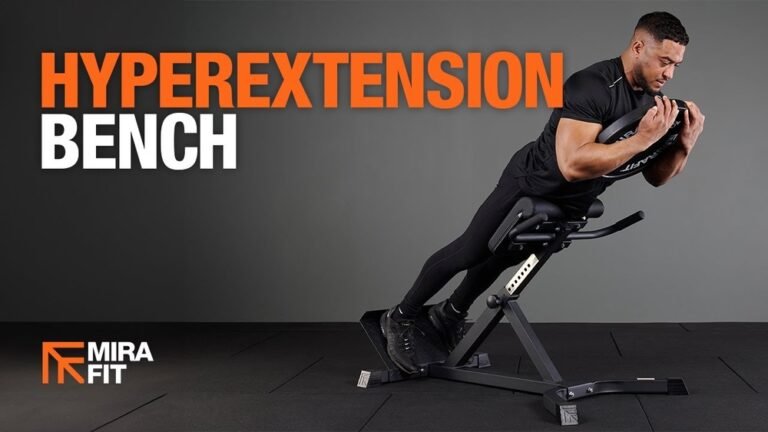
Are you looking to strengthen your lower back and improve your core stability? A hyperextension bench might be exactly what you need.
This simple yet powerful piece of equipment targets key muscles that often get overlooked. Understanding what a hyperextension bench is and how it works can help you unlock better posture, reduce back pain, and boost your workout results. Keep reading to discover how this tool can transform your fitness routine and support your overall health.

Hyperextension Bench Basics
A hyperextension bench is a fitness tool used to strengthen the lower back, glutes, and hamstrings. It helps improve posture and reduce back pain. This bench supports your body while you perform back extensions and other exercises.
Understanding its basics can help you choose the right bench and use it safely. The design is simple but effective for many workout routines.
Key Features
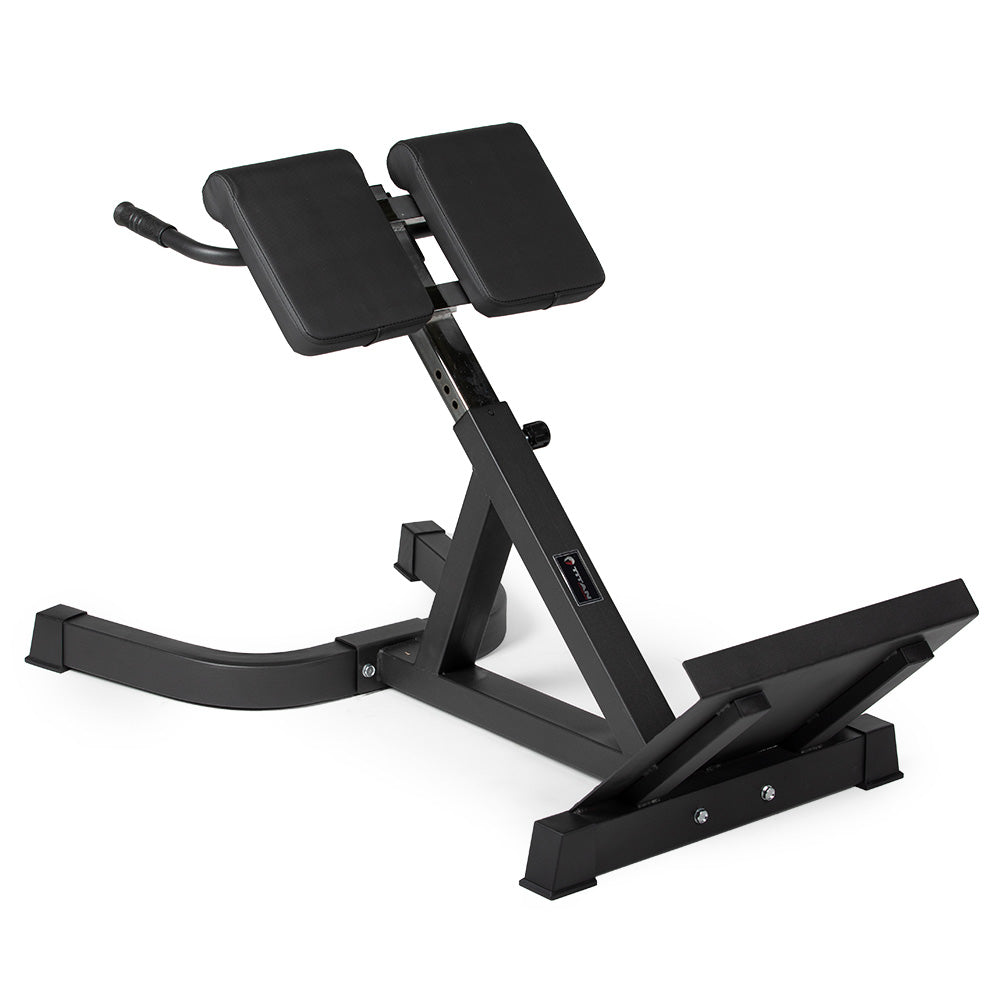
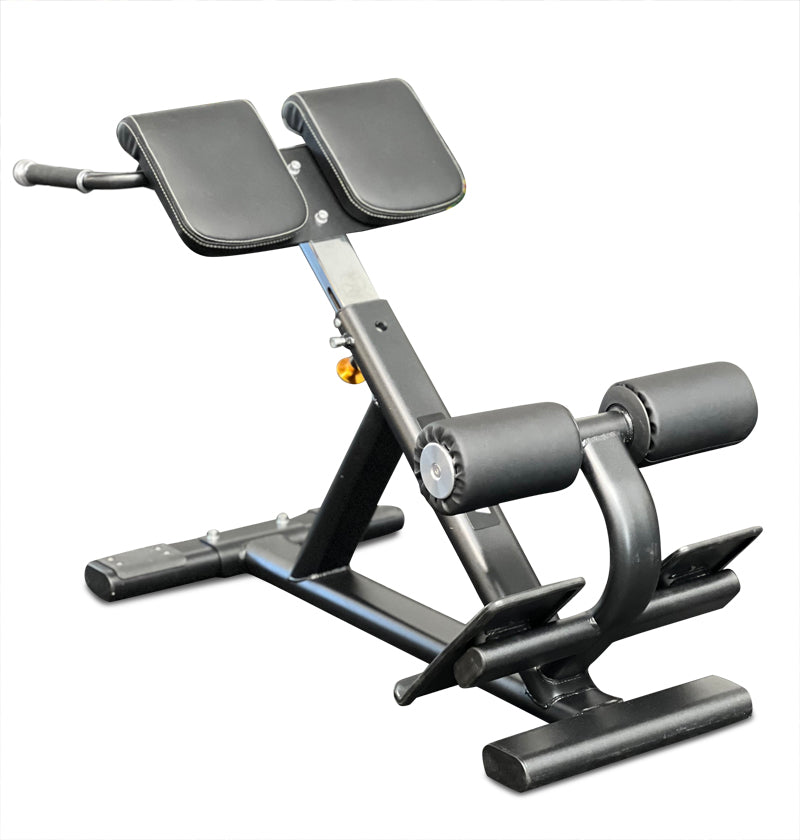
The bench has padded supports for your hips and legs. These pads keep you comfortable and stable during exercises. It includes adjustable height settings to fit different body sizes. The footrest keeps your feet secure, preventing slipping. The frame is often angled to allow smooth bending and stretching motions.
Types Of Benches
There are several types of hyperextension benches. The most common type is the Roman chair, which offers a fixed position for back extensions. Some benches fold for easy storage in small spaces. Others have added handles or resistance bands for extra workout options. Choose one based on your space and workout needs.
Materials And Build Quality
Quality materials make the bench safe and durable. Most benches use steel frames for strength. Padding is usually made from foam covered with vinyl for comfort and easy cleaning. Check for sturdy welds and stable legs to avoid wobbling. A well-built bench lasts longer and supports your weight properly.
Benefits For Back Strength
A hyperextension bench offers many benefits for back strength. It is a simple tool that helps build strong muscles in the lower back. Using it regularly can make your back more stable and less likely to hurt. This bench supports exercises that improve your body’s core and posture. Strengthening your back also helps in daily activities and sports.
Here are some key benefits of using a hyperextension bench for back strength.
Muscle Groups Targeted
The hyperextension bench mainly works the lower back muscles. It also targets the glutes, hamstrings, and core muscles. These muscles support your spine and hips. Strengthening them helps you move better and reduces fatigue. The bench allows you to focus on these areas safely and effectively.
Improved Posture
Strong back muscles help keep your spine aligned. This leads to better posture while sitting and standing. Good posture reduces the risk of back pain and discomfort. Using the hyperextension bench regularly can correct slouching habits. It trains your muscles to hold your body upright naturally.
Injury Prevention
Strengthening your back lowers the chance of injuries. Strong muscles protect your spine during physical activities. The hyperextension bench helps build endurance in your lower back. This reduces strain from lifting and bending tasks. Regular use can prevent common back problems and muscle strains.
How To Use A Hyperextension Bench
Using a hyperextension bench is simple and effective for strengthening your lower back. It targets muscles that support your spine and improve posture. Learning the right way to use it helps avoid injury and get the best results.
Proper Positioning
Start by adjusting the bench to fit your height. Place your thighs on the pad, just above your knees. Your feet should be flat on the footrests. Keep your body straight and your arms crossed over your chest or behind your head. Avoid bending at the hips before starting the exercise.
Common Exercises
The basic move is the back extension. Slowly lower your upper body toward the floor. Stop when you feel a stretch in your hamstrings. Lift your torso back up until it is in line with your legs. Repeat for several reps. You can also twist your torso slightly to work your oblique muscles.
Safety Tips
Move slowly and control your motions. Do not hyperextend your back beyond a straight line. Keep your neck neutral to avoid strain. Start with fewer reps and build up as you get stronger. Stop if you feel pain or discomfort in your back. Use the bench on a stable surface to prevent slipping.
Choosing The Right Bench
Choosing the right hyperextension bench is important for safety and comfort. The right bench fits your body and workout style. It helps you do exercises correctly. Consider some key features before buying.
Adjustability Options
Adjustable benches fit different body sizes. Look for benches with adjustable pads and footrests. This helps keep your body stable during exercises. More adjustability means better comfort and support.
Weight Capacity
Check the bench’s weight limit before buying. It should support your body weight plus extra for safety. A strong frame and quality materials increase weight capacity. This ensures the bench lasts longer and stays safe.
Budget Considerations
Set a budget before choosing a bench. More expensive benches often have better features and build quality. However, affordable benches can still be good for beginners. Balance cost with the features you need most.
Incorporating Into Workout Routine
Adding a hyperextension bench to your workout can improve your back and core strength. It targets muscles that often get missed in regular workouts. This tool helps build endurance and stability. Use it smartly to get the best results without injury.
Frequency And Sets
Start with two to three sessions per week. Perform two to three sets each time. Each set should have 10 to 15 slow and controlled reps. Rest for about 30 seconds between sets. This routine helps muscles recover and grow stronger. Avoid overdoing it to prevent soreness.
Combining With Other Exercises
Pair hyperextensions with core exercises like planks or crunches. Add lower back moves such as deadlifts or bridges. This mix balances your workout and prevents muscle imbalance. It helps build a strong and stable body. Keep workouts varied to stay motivated.
Progression And Variations
Increase reps or sets as strength improves. Add light weights or hold a plate for more challenge. Try twisting your torso during the lift for oblique work. Use a stability ball if you don’t have a bench. Small changes keep your routine fresh and effective.
Maintenance And Care
Taking care of your hyperextension bench keeps it safe and working well. Regular maintenance helps avoid damage and saves money on repairs. Simple steps can make your bench last longer and stay clean.
Cleaning Tips
Wipe the bench after each use to remove sweat and dust. Use a soft cloth with mild soap and water. Avoid harsh chemicals that damage padding or metal parts. Dry the bench fully to stop rust and mold.
Storage Advice
Store the bench in a dry place away from direct sunlight. Keep it off damp floors to prevent rust. If possible, cover it with a cloth to block dust. Make sure the bench is stable and not in a crowded area.
Troubleshooting Common Issues
Check bolts and screws regularly to keep the bench tight and safe. If the bench wobbles, tighten loose parts immediately. Inspect padding for tears or wear and replace if needed. Listen for strange noises and fix them fast to avoid bigger problems.
Frequently Asked Questions
What Is A Hyperextension Bench Used For?
A hyperextension bench targets lower back muscles, glutes, and hamstrings. It helps improve posture and strengthens the core. This bench aids in injury prevention and enhances athletic performance.
How Does A Hyperextension Bench Improve Back Strength?
It allows controlled bending and extending of the lower back. This movement strengthens spinal erectors and surrounding muscles. Regular use increases endurance and reduces risk of back pain.
Can Beginners Safely Use A Hyperextension Bench?
Yes, beginners can safely use it with proper form. Start with low repetitions and avoid overextending. Gradually increase intensity as strength and confidence improve.
What Muscles Does A Hyperextension Bench Target?
The bench primarily targets lower back muscles, glutes, and hamstrings. It also engages core stabilizers and helps improve overall posterior chain strength.
Conclusion
A hyperextension bench helps strengthen your lower back safely. It supports your body while you exercise. Using it regularly can improve posture and reduce pain. Many people find it easy to use at home or the gym. It works well for beginners and experienced exercisers alike.
Try adding it to your workout for better back health. Simple, effective, and helpful. That’s what a hyperextension bench offers.
