
Cricket is a sport full of excitement, skill, and tradition. One of its most celebrated achievements is the century. Whether you are new to cricket or have watched a few matches, you might have heard commentators or fans cheer when a batsman “scores a century.” But what does this really mean? And why is it such a big deal in the cricket world? This article explores the meaning, history, importance, and impact of a century in cricket. You will also learn about famous centuries, records, and some lesser-known facts that even many fans miss.
What Is A Century In Cricket?
In simple terms, a century in cricket means a batsman scores 100 runs or more in a single innings, without getting out. The runs must be made by one player, not the team. This is a major personal milestone and a proud moment for any batter, whether playing in a local ground or an international stadium.
Cricket has different formats: Test matches, One Day Internationals (ODIs), and Twenty20 (T20s). In all formats, a century means the same—scoring at least 100 runs before being dismissed. Achieving this requires focus, skill, and sometimes a bit of luck, as bowlers are always trying to get the batsman out.
The History And Significance Of A Century
The tradition of celebrating a century goes back to the 19th century, when cricket was growing in England. The term itself comes from the word “centum,” which means 100 in Latin. Early cricket matches were low scoring, so reaching 100 runs was rare and seen as a remarkable feat.
Over time, as pitches improved and rules changed, more players began to score centuries. However, the achievement is still respected because it shows consistency and endurance. Scoring a century can change the direction of a match and put pressure on the opposing team.
Why Is A Century So Important?
- Personal Milestone: For a batsman, a century is a symbol of success, patience, and technique.
- Team Advantage: Often, a century helps the team build a strong total, putting them in a commanding position.
- Crowd Excitement: Fans value centuries. The crowd often applauds, and teammates may give a standing ovation.
- Career Recognition: Players with many centuries are remembered as legends of the game.
How Is A Century Scored?
To score a century, a batsman must reach 100 runs by hitting the ball and running between the wickets or by hitting boundaries (fours and sixes). The runs are counted from the first ball faced until the batsman is out or the innings ends.
In cricket, each run counts. Singles, twos, threes, and boundaries (4 runs when the ball crosses the ground’s edge, 6 runs when it goes over without touching the ground) all add up. The batsman must stay focused, avoid mistakes, and play both defensive and attacking shots as needed.
Example Of A Century
Imagine a player starts his innings. He faces 120 balls and scores 14 fours and 2 sixes. The rest of his runs come from singles and twos. When he reaches 100 runs, he raises his bat to the crowd—this is his century.
Types Of Centuries In Cricket
Not all centuries are the same. Here are some popular terms:
- Maiden Century: A player’s first-ever century in international cricket.
- Double Century: Scoring 200 or more runs in a single innings.
- Triple Century: Reaching 300 runs.
- Fastest Century: Reaching 100 runs in the lowest number of balls.
- Back-to-Back Centuries: Scoring centuries in two consecutive innings or matches.
Each type has its own place in cricket history and brings extra recognition.

Centuries In Different Formats
The value and difficulty of a century can change depending on the format.
Test Matches
Test cricket is played over five days with two innings per team. Here, centuries are valued for patience and technique. Batters face challenging conditions, and scoring a century takes time—sometimes several hours.
One Day Internationals (odis)
ODIs give each team 50 overs (300 balls) to bat. Scoring a century in ODIs needs a mix of defense and quick scoring. Players have less time, so centuries show adaptability and tactical awareness.
Twenty20 (t20) Cricket
T20 matches are just 20 overs (120 balls) per side. Centuries are rare and usually scored by aggressive players. These are often fast-paced, with many boundaries.
Comparison Of Century Frequency In Formats
Here’s a quick look at how often centuries are scored in each format:
| Format | Typical Innings Length | Century Frequency |
|---|---|---|
| Test | Unlimited balls, up to 5 days | Common |
| ODI | 50 overs per innings | Moderate |
| T20 | 20 overs per innings | Rare |
Famous Centuries And Record Holders
Cricket’s history is full of amazing centuries. Some players have become famous for scoring a lot of centuries, while some centuries are remembered for their timing or context.
Leading Century Makers
Some players have scored more centuries than most can dream of. Here are the top three for men’s international cricket:
| Player | Country | Total International Centuries |
|---|---|---|
| Sachin Tendulkar | India | 100 |
| Virat Kohli | India | 80+ |
| Ricky Ponting | Australia | 71 |
Most Centuries In A Single World Cup
World Cups are high-pressure tournaments. Rohit Sharma scored 5 centuries in the 2019 Cricket World Cup, setting a record for the most in a single edition.
Fastest Centuries
The fastest ODI century was scored by AB de Villiers (South Africa) in just 31 balls against the West Indies in 2015. In Test cricket, Brendon McCullum (New Zealand) hit a century in 54 balls, one of the quickest ever.
Most Centuries In Women’s Cricket
Women’s cricket also has outstanding performers. Meg Lanning of Australia has scored more than 15 ODI centuries, leading the women’s game.
How A Century Impacts A Match
A century can change the mood and direction of a cricket match. Here’s how:
- Builds Confidence: The batting team feels stronger and more secure.
- Demoralizes Bowlers: Bowlers may lose focus if a batter keeps scoring.
- Shifts Momentum: The team with a centurion often controls the game.
- Inspires Others: Teammates may play better seeing a partner succeed.
A century in a tight chase or when the team is under pressure is often seen as even more valuable.
Celebrating A Century
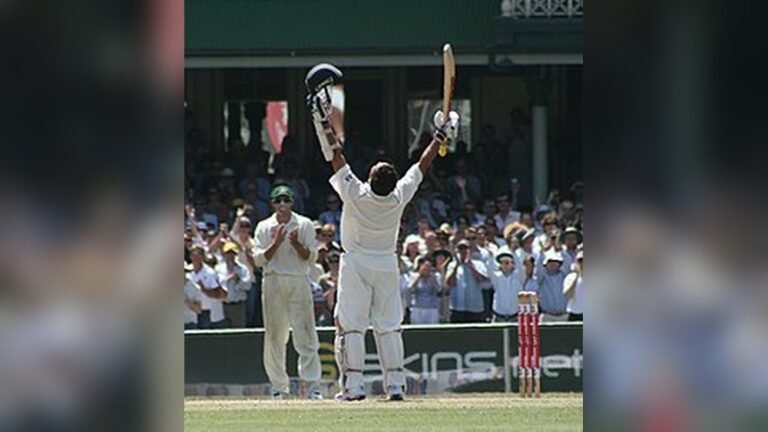
The moment a batsman reaches 100, the tradition is to raise the bat to acknowledge the crowd and teammates. Sometimes, players point their bat to the dressing room or look up to the sky in gratitude. These celebrations are emotional and memorable.
Cricket boards may also give awards for special centuries. For example, a “Man of the Match” prize often goes to a centurion if his innings was key to the team’s victory.

Common Misconceptions About Centuries
Many newcomers have questions or misunderstandings about centuries:
- Team Runs vs. Individual Runs: A century is only for one player’s score, not the team’s total.
- Not Just Big Hitters: Even defensive batsmen can score centuries with singles and doubles.
- Not a Guarantee of Win: A century helps, but the team can still lose if others do not contribute.
Non-obvious Insights About Centuries
Many fans miss these interesting points:
- Not All Centuries Are Equal: A century scored in tough conditions (swinging pitch, strong bowling, chasing a high score) is often valued more by experts than an easy century on a flat pitch.
- Conversion Rate: Some players reach 50 runs (a half-century) many times but often get out before 100. A high “conversion rate” (turning 50s into 100s) is a sign of a great batsman.
Challenges In Scoring A Century
Scoring a century is not easy, even for experienced players.
- Changing Pitch Conditions: The pitch can become harder to bat on as the innings goes on.
- Fatigue: Staying focused for hours is mentally and physically tiring.
- Bowler Tactics: Bowlers may change their style or field settings to create pressure.
Some batsmen are known for “nervous nineties”—getting out in the 90s, just short of a century, due to extra pressure.
The Role Of Centuries In Player Careers
A century can change a player’s career. Here’s how:
- Selection: Young players who score centuries are often picked for more matches.
- Confidence: Scoring a first century (maiden century) can lift a player’s self-belief.
- Records and Reputation: Players with many centuries are often remembered as cricket legends.
Famous Centuries That Changed Cricket
Some centuries are still discussed decades later because they changed matches or even the sport’s history.
- Kapil Dev’s 175 in 1983: * Helped India win a crucial World Cup match and later the trophy.
- Brian Lara’s 400 in a Test: * The highest individual score in Test cricket.
- Ben Stokes’ 135 at Headingley (2019): * Helped England win a near-impossible Test match.
These innings are watched again and again by fans and students of cricket.
Women’s Cricket And Centuries
Women’s cricket has grown rapidly, with more matches and viewers worldwide. Players like Suzie Bates (New Zealand), Charlotte Edwards (England), and Mithali Raj (India) have inspired millions with their centuries.
Tournaments like the Women’s World Cup and Women’s T20 Challenge have brought more attention to these achievements, making centuries just as celebrated as in men’s cricket.
Century Partnerships
Sometimes, two batters both score centuries in the same innings. This is called a century partnership and often leads to big team totals. Great partnerships are built on understanding, running well between wickets, and supporting each other under pressure.
Data Table: Top 5 Odi Centurions (men)
Here is a quick look at the top five ODI century makers in men’s cricket:
| Player | Country | ODI Centuries |
|---|---|---|
| Sachin Tendulkar | India | 49 |
| Virat Kohli | India | 50+ |
| Rohit Sharma | India | 30+ |
| Ricky Ponting | Australia | 30 |
| Sanath Jayasuriya | Sri Lanka | 28 |
How Technology Tracks Centuries
Modern cricket uses technology like Hawk-Eye, ball-tracking, and video replays. These tools make sure every run is counted correctly. Scoreboards update instantly, and fans can see when a player is close to a century.
The Future Of Centuries
As cricket changes, so does the style of centuries. T20 leagues encourage faster scoring. Young players are breaking old records, and women’s cricket is producing new stars. However, the century remains a respected goal—proof of skill and focus in any format.
For a deeper look at the history and statistics of centuries, you can visit the Wikipedia page on cricket centuries.
Frequently Asked Questions
What Is Meant By “century Partnership” In Cricket?
A century partnership means two batsmen together add 100 or more runs for the same wicket, without either getting out. It shows strong teamwork and often leads to a big team score.
Can A Player Score More Than One Century In A Match?
Yes, in Test cricket, a player can bat twice and score a century in each innings. This is called a twin century and is rare and highly respected.
Do Bowlers Have A Similar Achievement Like A Century?
Yes, for bowlers, taking five wickets in an innings is called a five-wicket haul or “fifer.” It is a major milestone, similar in importance to a century for batsmen.
Is A Century More Difficult In T20 Cricket?
Usually, yes. T20 matches are short (only 20 overs per side), so there is less time to reach 100 runs. Centuries in T20 are rare and often involve aggressive hitting.
Who Was The First Player To Score A Century In International Cricket?
The first Test century was scored by Charles Bannerman of Australia in 1877. The first ODI century was made by Dennis Amiss of England in 1972.
A century is more than just a number in cricket. It is a symbol of hard work, focus, and talent. Whether scored in a small club game or on the world stage, a century is always a reason to celebrate.
As cricket grows, new players and formats will keep the tradition alive, and fans will always remember the special moments when a batsman raises his bat for those magical 100 runs.
