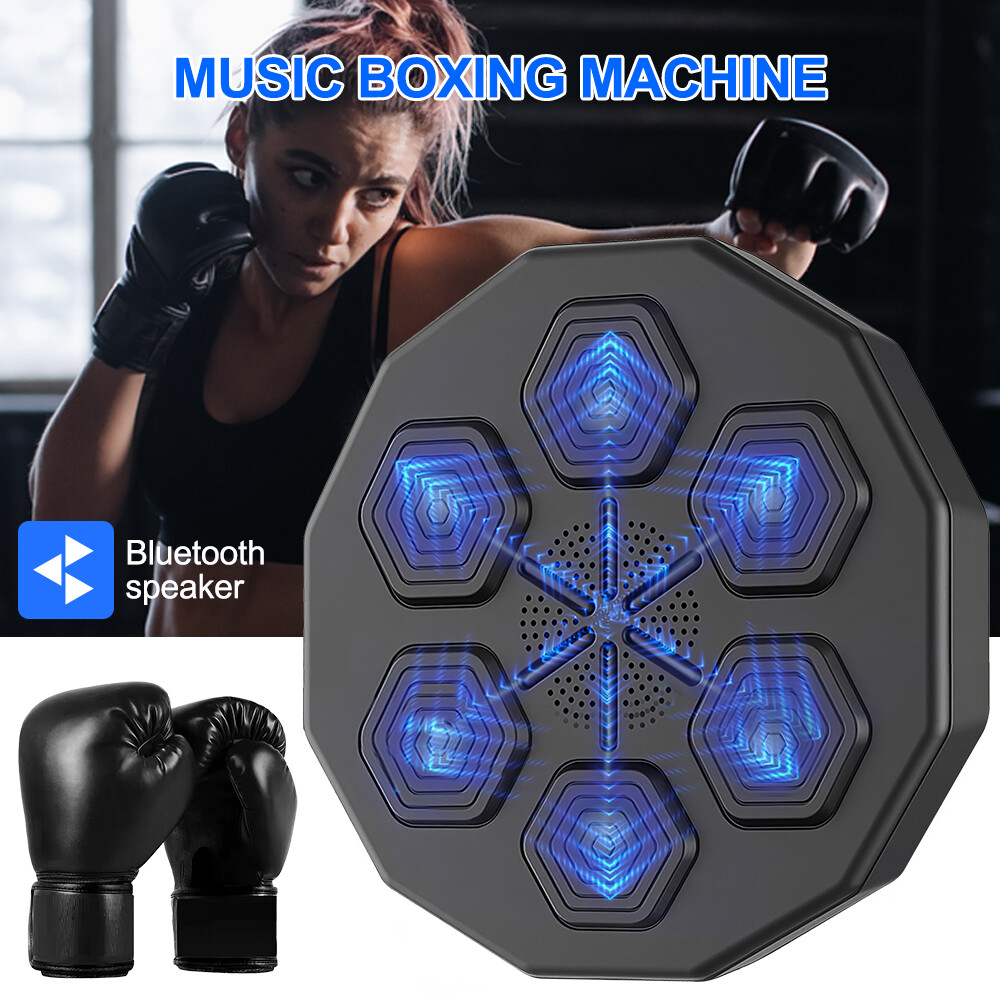
A music boxing machine is a fun and powerful way to combine rhythm, exercise, and entertainment. These machines, often seen in arcades or fitness centers, challenge players to punch in time with music, lights, or prompts. With the rise of rhythm-based fitness and gaming, more people are considering buying a music boxing machine for home or commercial use.
But when you look for the right machine, you’ll see there are many choices—each with different features, designs, and technology. How do you pick the best one for your needs?
Today's Exclusive Deals
Limited-time Exclusive Deals. Check current discount on Amazon.
Check Price on Amazon As an Amazon Associate I earn from qualifying purchases.This guide will walk you through the most important features to look for in a music boxing machine. Whether you want a machine for home workouts, a gym, or a business, understanding these features will help you make a smart decision.
Plus, you’ll discover useful tips and surprising details most first-time buyers miss.
Understanding Music Boxing Machines
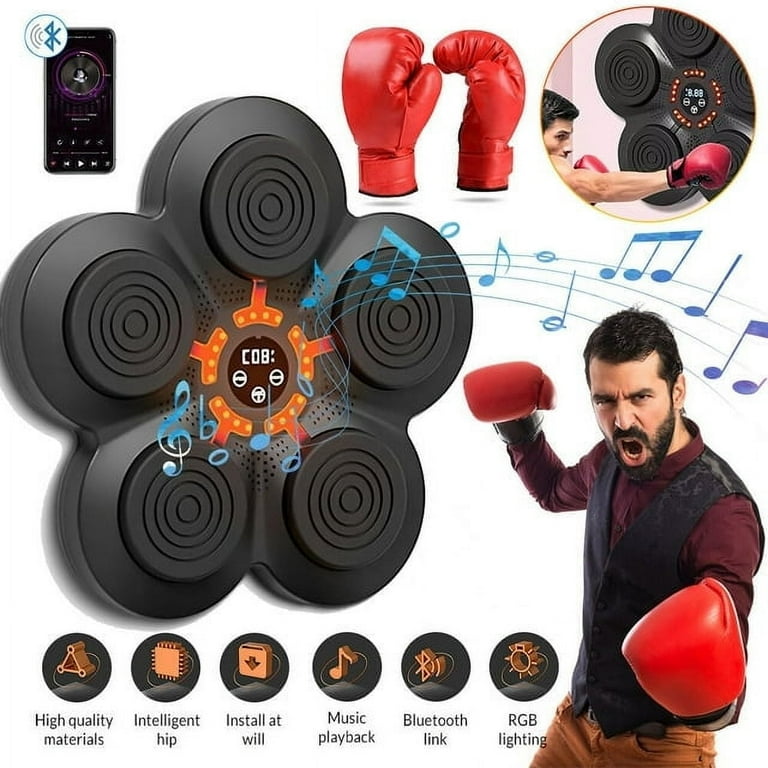
A music boxing machine is a device that blends boxing movements with music and visual cues. When a song plays, lights or targets on the machine tell you where and when to punch. The machine tracks your accuracy, speed, and timing, then gives you a score or feedback.
Some machines are built for serious fitness training, while others focus more on fun and entertainment.
Music boxing machines can vary a lot in size, shape, and complexity. There are simple tabletop versions, full-sized arcade cabinets, and advanced models with digital screens and smart technology. Prices can range from a few hundred dollars for basic models to several thousand for commercial-grade machines.
Key Features To Consider
Choosing a music boxing machine isn’t just about picking the flashiest model. The right features make a big difference in your experience, safety, and long-term satisfaction.
1. Build Quality And Durability
The first thing to check is how sturdy and reliable the machine is. Boxing involves a lot of force, so your machine must handle repeated punches without breaking.
- Frame materials: Look for steel or heavy-duty metal frames. Plastic frames may be fine for kids, but adults need stronger support.
- Punch pads: High-quality pads use layered foam and durable coverings (like synthetic leather). Thin or cheap pads can wear out quickly or hurt your hands.
- Assembly: Check if the machine is easy to assemble and if the parts fit tightly. Loose parts can lead to wobbling or unsafe play.
A well-built music boxing machine can last many years, even with daily use. Poor construction can lead to costly repairs or a machine that fails after a few months.
2. Types Of Punch Targets
Different machines offer different types of punch targets:
- Fixed targets: These do not move and are ideal for learning basic patterns.
- Dynamic or moving targets: Targets light up in random or choreographed order, which is more challenging and fun.
- Adjustable height/angle: Some machines let you change the target positions to match different users’ heights.
If you want a machine for family or group use, adjustable targets are very helpful. For serious training, dynamic targets help improve reaction time and coordination.
3. Music And Game Modes
Music is the heart of these machines. The quality and variety of music and game modes can make or break your experience.
- Built-in songs: Some machines come with a fixed library of songs. More advanced models let you add new songs or connect to music apps.
- Difficulty levels: Look for machines with different speed and complexity settings, so both beginners and experts can enjoy.
- Game modes: Common options include timed challenges, combo streaks, freestyle, and multiplayer. The more modes, the more replay value.
A machine that supports custom music uploads or streaming offers much more flexibility. It lets you train with your favorite songs, which can boost motivation.
4. Display And Feedback System
The display shows your score, speed, accuracy, and sometimes even calories burned. A good feedback system keeps you motivated and helps you improve.
- LED or LCD displays: Brighter, larger screens are easier to read during fast action.
- Real-time feedback: Immediate response to each punch helps you correct mistakes quickly.
- Detailed results: Some machines offer post-game breakdowns, showing which punches you missed or how your score compares to previous sessions.
If you want to track your progress over time, choose a model with detailed scoring and memory features.
5. Sensor Technology
Modern music boxing machines use advanced sensors to detect punches. The quality of these sensors affects accuracy and enjoyment.
- Pressure sensors: Measure how hard you hit, not just if you hit the target.
- Infrared sensors: Can detect punches without physical contact.
- Multi-point detection: Some machines track both punch position and force.
High-quality sensors give you a fair and accurate score. Cheap sensors may miss punches or register false hits, which can be frustrating.
6. Connectivity And Smart Features
Smart technology is becoming common in fitness and gaming devices. A music boxing machine with connectivity features can do much more than a basic model.
- Bluetooth or Wi-Fi: Connects to apps, smartphones, or headphones.
- Online leaderboards: Compete with friends or the global community.
- App integration: Log workouts, track progress, or download new songs and workouts.
- Voice commands: Some high-end models let you control features hands-free.
If you want to use your machine for serious training or social play, look for models with strong smart features.
7. Safety Features
Safety is very important, especially if children or beginners will use the machine.
- Stable base: The machine should not tip over during hard punches.
- Soft edges: Rounded corners and padded surfaces help prevent injuries.
- Glove compatibility: Make sure the machine works with boxing gloves or has enough padding to protect bare hands.
- Auto shut-off: Some machines turn off if not used for a while, reducing the risk of accidents.
Don’t ignore safety—injuries can happen quickly with high-speed movements.
8. Size, Weight, And Space Requirements
Music boxing machines come in different sizes. Think about where you will use the machine and how much space you have.
- Compact models: Good for home use, apartments, or smaller gyms.
- Large arcade cabinets: Best for commercial settings or large home gyms.
- Portability: Some machines are easy to move or fold away for storage.
Measure your space before buying. Also, check if the machine fits through doorways or hallways in your building.
9. Power And Battery Options
Music boxing machines can run on AC power, batteries, or both.
- Plug-in models: More stable for long sessions but need to be near a power outlet.
- Battery-powered: Offer flexibility but may need frequent charging or battery changes.
- Dual power: Some machines can use both options.
For public spaces or outdoor use, battery or dual-power models are best. At home, plug-in models are usually more convenient.
10. Ease Of Maintenance
Maintenance is often overlooked but very important.
- Removable punch pads: Easier to clean or replace.
- Dust covers: Protect the machine when not in use.
- Accessible electronics: If you need to fix sensors or wiring, easy access saves time and money.
A machine that is hard to clean or repair can quickly become a headache.
11. Price And Value
Price is always a factor, but don’t just go for the cheapest machine. Consider the value you get for your money.
- Entry-level (Under $500): Basic features, suitable for kids or casual use.
- Mid-range ($500-$1500): Better build, more music and modes, stronger sensors.
- High-end ($1500+): Advanced features, smart tech, commercial-grade durability.
Balance your budget with your real needs. Sometimes, spending a bit more upfront saves money in the long run.
Comparing Top Music Boxing Machines
Let’s look at a comparison of three popular music boxing machines to help you understand how key features differ:
| Feature | Model A (Home) | Model B (Commercial) | Model C (Smart) |
|---|---|---|---|
| Frame Material | Steel | Heavy Steel | Aluminum Alloy |
| Punch Targets | Fixed, 4 pads | Dynamic, 8 pads | Adjustable, 6 pads |
| Music Library | 50 built-in | 100 built-in, USB upload | App streaming |
| Display Type | LED | Large LCD | Touchscreen |
| Connectivity | None | Wi-Fi | Bluetooth, Wi-Fi, App |
| Price | $450 | $2100 | $1700 |
This comparison shows how feature sets and prices can vary widely. Matching features to your needs is better than buying the most expensive or feature-packed machine.
Unexpected Details Most Buyers Miss
Many new buyers overlook some key points that can impact their satisfaction. Here are two insights most beginners don’t realize:
- Song Customization Is Key: A machine with a limited song library can get boring fast. Even if you don’t think you need hundreds of songs, being able to upload your own music or connect to streaming apps keeps the experience fresh and engaging over time.
- Punch Sensitivity Matters: Not all machines detect light taps and hard punches equally. If you plan to use the machine for fitness, choose one that accurately measures punch force. Otherwise, you may not get a true workout or may get frustrated by missed hits.
How To Match Features To Your Needs
Think about how and where you’ll use your music boxing machine. Here are some common scenarios and which features matter most:
For Home Fitness
If you want a machine for personal workouts:
- Compact size and light weight
- Adjustable targets for different family members
- Good music variety and challenge levels
- Simple display and easy controls
For Commercial Use (gyms, Arcades)
If the machine will see heavy use:
- Heavy-duty frame and durable punch pads
- Large, bright display for visibility in noisy spaces
- Multiple game modes and multiplayer support
- Easy maintenance and quick cleaning features
For Group Or Family Fun
If you want a machine everyone can enjoy:
- Height-adjustable or multi-level targets
- Safe, padded surfaces for kids
- Fun music and party modes
- Multiplayer or team challenge options
For Competitive Training
For those looking to improve boxing skills:
- High sensitivity sensors for accurate scoring
- Detailed feedback and performance tracking
- Customizable music for different training rhythms
- App integration for logging workouts
Real-world Example: A Buyer’s Journey
Let’s walk through a real example. Maria, a fitness instructor, wanted a music boxing machine for her home studio. She first chose a low-cost model with fixed targets and a small song library. After a few months, her clients lost interest—there were too few songs, and the sensors missed fast punches.
She upgraded to a mid-range machine with app connectivity and adjustable targets. Client engagement improved, and her classes filled up again.
The lesson? Matching features to real use, not just price, leads to long-term satisfaction.

Music Boxing Machines Vs. Traditional Boxing Equipment
How does a music boxing machine compare to old-school boxing gear? Here’s a quick side-by-side:
| Aspect | Music Boxing Machine | Traditional Equipment |
|---|---|---|
| Fun Factor | High (Music, Games) | Moderate |
| Skill Training | Reaction, Rhythm | Technique, Power |
| Motivation | Gamified, Social | Self-driven |
| Feedback | Instant (Score, Stats) | Coach or Self |
| Space Needed | Moderate | Varies (Bag, Ring) |
Music boxing machines add a layer of fun and feedback that can keep users coming back. They’re not a replacement for serious boxing training but are an excellent addition for fitness, rhythm, and motivation.
Maintenance And Longevity Tips
To get the most from your machine:
- Wipe down pads and surfaces after each use to remove sweat and dirt.
- Check fasteners, bolts, and pads regularly for wear or looseness.
- Update firmware or apps if your machine supports it.
- Store the machine in a dry place to prevent rust or electronic damage.
- Replace worn pads or sensors as soon as you notice problems.
A little care can add years to your investment.
Where To Buy And What To Avoid
Look for reputable sellers and brands with good reviews. Avoid deals that seem “too good to be true,” as some cheap imports may lack safety features or support.
If you’re considering a used machine, check:
- Are all sensors working?
- Is the frame stable?
- Can you find replacement parts?
- Is the music library complete and legal?
For commercial use, make sure the warranty covers heavy use.
A good place to start research is the Wikipedia page on boxing machines, which explains the history and technology behind these devices.
Frequently Asked Questions
What Is The Average Price Of A Quality Music Boxing Machine?
Most home-use models cost between $400 and $1200. Commercial machines with advanced features can range from $1500 to over $5000. Price depends on build quality, number of features, and smart technology.
Can I Use A Music Boxing Machine For Real Boxing Training?
Music boxing machines are great for improving timing, coordination, and cardio. However, they don’t replace traditional heavy bags or sparring for developing power and technique. They are best used as a supplement to regular boxing practice.
Is It Safe For Children To Use Music Boxing Machines?
Yes, if you choose a machine with soft pads, adjustable height, and safety features. Always supervise children, and encourage the use of boxing gloves or hand wraps to protect their hands.
How Much Space Do I Need For A Music Boxing Machine?
Most machines need a clear area of at least 6×6 feet for safe use. Larger arcade-style models may need more space. Always check the dimensions before buying, and make sure there is room to move around the machine.
Can I Add My Own Music To The Machine?
Many modern machines allow custom music uploads via USB or app. Some even support streaming from Spotify or similar services. Check the product specs for music compatibility before buying.
A music boxing machine can be a fantastic addition to your fitness routine, business, or home entertainment space. By focusing on the features that matter most to you, you’ll find a machine that keeps you motivated, active, and having fun for years to come.