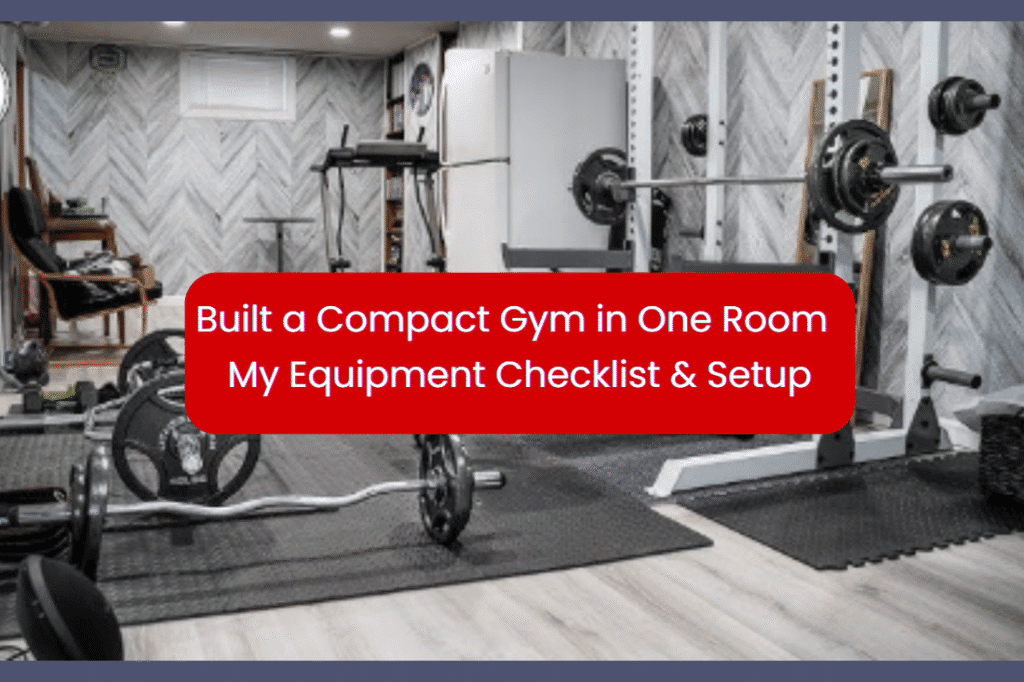
Are you ready to create your own workout space without leaving home? Setting up a basic home gym might seem overwhelming, but it doesn’t have to be.
With the right equipment, you can build a simple yet effective gym that fits your space and fitness goals. You’ll discover exactly what gear you need to get started—no confusion, no extra clutter. Keep reading to find out how to make your home workouts easier, more enjoyable, and most importantly, effective.
Your fitness journey starts here.

Choosing A Workout Space
Setting up a home gym starts with picking the right space. This space should fit your equipment and allow room to move.
Good planning helps you create a safe and comfortable workout area. Think about how you will use the space daily.
Assessing Available Room
Check your home for a place with enough space for your workout gear. Consider unused corners, basements, or spare rooms.
Measure the area to see what equipment can fit without crowding. Leave space to move freely and exercise safely.
- Measure length, width, and height of the area
- Check for good lighting and ventilation
- Avoid spaces with too much clutter or distractions
- Choose a spot that is easy to clean
Considering Flooring Options
Flooring matters for comfort and safety. Pick floors that protect your joints and support equipment weight.
Some floors need extra padding. Think about rubber mats or foam tiles to reduce noise and avoid damage.
- Hardwood or tile floors may need mats to prevent slipping
- Carpet can cushion but may not hold heavy equipment well
- Rubber flooring is great for shock absorption and durability
- Foam tiles are lightweight and easy to install
Essential Cardio Equipment
Setting up a home gym needs some cardio equipment. Cardio helps your heart and burns calories.
Choosing the right equipment depends on space and your fitness goals. Here are some basics.
Treadmills And Alternatives
Treadmills let you walk or run indoors. They fit most fitness levels and are easy to use.
If you have less space, try alternatives like foldable treadmills or walking pads. These save room.
Stationary Bikes
Stationary bikes offer a low-impact cardio workout. They are gentle on your joints and easy to use.
You can choose upright or recumbent bikes. Both help improve endurance and leg strength.
Jump Ropes
Jump ropes are simple and cheap cardio tools. They improve coordination and burn calories fast.
You only need a small space to use a jump rope. It is easy to carry and store.
Strength Training Basics
Strength training helps build muscle and improve overall fitness. You can do it safely at home with basic equipment.
Using the right tools makes your workouts effective and enjoyable. Here are some key items for a home gym.
Dumbbells And Kettlebells
Dumbbells and kettlebells are great for strength training. They work many muscles at once and improve balance.
You can use them for exercises like curls, presses, swings, and squats. They come in different weights to fit your level.
- Dumbbells: good for controlled movements and isolation exercises
- Kettlebells: help with dynamic, full-body movements
- Start with light weights and increase as you get stronger
Resistance Bands
Resistance bands are flexible and easy to use. They add tension to your muscles during workouts.
These bands come in different resistance levels. They are good for stretching, strength, and rehab exercises.
- Light bands for beginners and stretching
- Medium bands for general strength training
- Heavy bands for advanced workouts
- Portable and space-saving
Adjustable Weight Benches
An adjustable weight bench supports many strength exercises. You can change angles for variety and comfort.
It helps with presses, rows, and other moves. A bench improves stability and lets you lift safely.
- Flat position for basic exercises
- Incline and decline for targeting different muscles
- Sturdy build for safety
- Adjustable design fits many workout styles
Bodyweight Training Tools
Bodyweight training is a simple way to exercise at home. It uses your own weight to build strength and flexibility.
Some basic tools can help you do these exercises better and safer. They make workouts more effective and fun.
Pull-up Bars
Pull-up bars are great for upper body strength. They let you do pull-ups, chin-ups, and hanging leg raises.
You can install them in doorways or on walls. Make sure they are strong and fixed well to support your weight.
- Works arms, back, and shoulders
- Improves grip strength
- Easy to install at home
Gymnastic Rings
Gymnastic rings help with balance and control. They add variety to your workouts by allowing many bodyweight moves.
Rings can hang from a pull-up bar or ceiling. You can do dips, rows, push-ups, and muscle-ups with them.
- Improves joint stability
- Builds muscle coordination
- Lightweight and portable
Yoga Mats
Yoga mats provide comfort and grip for floor exercises. They protect your body from hard or slippery floors.
Use a yoga mat for stretches, planks, and yoga poses. It helps keep you stable and prevents injuries.
- Offers cushioning for joints
- Prevents slipping
- Easy to clean and store
Storage And Organization
Setting up a home gym requires good storage and organization. Keeping equipment tidy makes workouts easier and safer.
Organized spaces help you find gear fast. It also saves room for more exercises and comfort.
Racks And Shelves
Racks and shelves keep your gym tools off the floor. They protect equipment and reduce clutter.
Use wall-mounted racks for weights and bars. Shelves work well for smaller items like bands and mats.
- Weight racks hold dumbbells and kettlebells neatly
- Barbell racks save space and prevent damage
- Shelves store towels, water bottles, and accessories
- Hooks can hang jump ropes and resistance bands
Space-saving Tips
Small areas need smart storage ideas. Look for gear that fits well in tight spots.
Stackable equipment and foldable gear free up floor space. Use corners and walls to keep the floor clear.
- Choose foldable benches that store flat
- Stack weights vertically on racks
- Use wall hooks for hanging items
- Keep mats rolled and stored upright
- Store small items in labeled bins or boxes
Safety And Maintenance
Setting up a basic home gym means choosing the right equipment and taking care of it. Safety and maintenance help keep you injury-free and your gear in good shape.
Proper care of your equipment extends its life and ensures it works well every time you exercise.
Equipment Care
Clean your gym equipment regularly to remove sweat and dust. Use a soft cloth and mild cleaner to avoid damage.
Check for loose screws or worn parts often. Fix or replace damaged parts to avoid accidents.
- Wipe machines after each use
- Inspect cables, bolts, and joints weekly
- Keep equipment dry and in a clean area
- Store small items like dumbbells on racks
Proper Usage Guidelines
Always use equipment as instructed to prevent injuries. Read manuals or watch tutorials if needed.
Warm up before workouts and start with light weights. Increase intensity slowly over time.
- Wear proper shoes and clothing
- Keep the workout area free of clutter
- Use safety clips on barbells
- Ask for help when lifting heavy weights

Frequently Asked Questions
What Basic Equipment Is Essential For A Home Gym?
Essential home gym equipment includes dumbbells, resistance bands, a yoga mat, and a stability ball. These tools support strength, flexibility, and balance training effectively in limited space.
How Much Space Is Needed For A Basic Home Gym?
A basic home gym requires at least 25 to 50 square feet. This space allows comfortable movement and placement of essential equipment without overcrowding.
Which Equipment Suits Beginners For Home Workouts?
Beginners should start with adjustable dumbbells, resistance bands, and a yoga mat. These items offer versatility and help build strength gradually.
Can I Build A Home Gym On A Budget?
Yes, focus on affordable equipment like resistance bands, jump ropes, and bodyweight tools. These are cost-effective and provide diverse workout options.
Conclusion
Creating a basic home gym doesn’t require much. Start with essentials. A sturdy mat provides comfort. Dumbbells offer versatile workouts. Resistance bands add variety. Consider a jump rope for cardio. A stability ball enhances core strength. Space is key, so choose wisely.
Equipment should fit your room. Quality over quantity ensures better workouts. These basics set a strong foundation. You’ll enjoy exercising at home. Stay consistent for the best results. Remember, fitness is a journey. Your home gym is a step forward.
Keep it simple and effective.
