
A water chiller is commonly used for a plunge to rapidly lower the water temperature. Compact refrigeration units suit smaller plunge pools best, maintaining consistent cold temperatures.
Plunge pools have surged in popularity as part of wellness routines and athletic recovery processes. The need to control water temperature precisely makes chillers an essential component of the plunge pool setup. A reliable water chiller ensures that the plunge pool remains at a consistent and therapeutic temperature, desirable for the intended health benefits such as reducing inflammation and aiding muscle recovery.

Today's Exclusive Deals
Limited-time Exclusive Deals. Check current discount on Amazon.
Check Price on Amazon As an Amazon Associate I earn from qualifying purchases.The technology behind these chillers varies from traditional refrigeration to energy-efficient, inverter-type compressors that are both cost-effective and eco-friendly. Users can easily integrate these units into existing pool systems, thus enhancing the versatility and convenience of home installations. As health and wellness trends continue to emphasize the importance of cold water immersion, the demand for effective and high-quality water chillers is poised to grow.
Types Of Chillers For Plunge Pools
Refreshing dips in plunge pools are delightful. But the water can get too warm. Chillers solve this. They keep water cool and enjoyable. There are types to choose from.
Cool water on a hot day feels amazing. Pools require the right chiller type. Learn about air and water-cooled options.
Air-cooled Chillers
Air-cooled chillers are popular. They use air to remove heat. They’re easy to install and maintain.
- Simple setup: No cooling towers required.
- Flexible location: They fit in many places.
- Energy efficient: Work well in certain climates.
Water-cooled Chillers
Water-cooled chillers use water to cool. Great for tight spaces. Usually, they’re more efficient than air-cooled types.
- High performance: Better for constant use.
- Less space: Good where space is limited.
- Quiet operation: Lower noise levels.
Key Factors When Choosing A Chiller
When taking a dip into a refreshing plunge pool, the key to an invigorating experience lies in the perfect water temperature. Chillers help maintain this ideal temperature, but not all are the same. It’s important to understand the essential factors to pick the right chiller for your pool needs.
Plunge Pool Size And Volume
Size and volume influence chiller capacity. A larger pool requires a more powerful chiller. Before choosing a chiller, measure your pool’s dimensions. Calculate the volume of your plunge pool in gallons or liters. Use this information to select a chiller that can handle the capacity effectively.
Ambient Temperature Considerations
Your pool’s location plays a vital role in deciding on a chiller. In hotter climates, a robust chiller ensures cool temperatures amidst sweltering heat. Consider the air temperature around the plunge pool. Adjustments might be needed for chillers in very hot or very cool environments to operate optimally. Think about seasonal changes as well. Ensure the chiller can adapt to various ambient temperatures throughout the year.
Energy Efficiency Ratings
Energy efficiency cuts costs and saves the planet. Modern chillers come with energy efficiency ratings. Search for units tagged with ENERGY STAR® certifications or high SEER (Seasonal Energy Efficiency Ratio) ratings. These chillers consume less electricity while maintaining pool temperature, leading to lower utility bills and a reduced carbon footprint. Choosing an energy-efficient model is a smart decision for both your wallet and the environment.
Installation Process Of A Plunge Pool Chiller
When diving into the world of refreshingly cool plunge pools, the right chiller is key. This section delves into the nitty-gritty of setting up a plunge pool chiller. Proper installation ensures peak performance, critical for those sweltering summer days. Dive in as we explore the step-by-step installation process, essential for a blissful chill.
Site Preparation
Before the chill can take over, site preparation is a must. Choose a level spot close to the pool. Access to power and water is crucial. Check these steps:
- Clear the area of debris and ensure a stable ground.
- Measure the dimensions. Keep space for maintenance.
- Install a concrete pad. This will be the chiller’s home.
Chiller Connection Techniques
Next comes the heart of the matter: connecting your chiller. Here’s the breakdown:
- Start with the water lines. They need to be fastened well.
- Electrical connections should follow. Safety comes first!
- Refer to the chiller’s manual. Proper setup is there.
| Connection | Details |
|---|---|
| Water Inlet/Outlet | Secure and check for leaks. |
| Power Supply | Use a dedicated circuit. |
Safety Protocols
Ensuring a chill vibe doesn’t mean overlooking safety. Always prioritize protection. Tools down:
- Wear gloves and use insulated tools.
- Power off before starting any work.
- Double-check connections before the first run.
Regular check-ups are a must to keep everyone safe. Leave sketches and instructions for future reference.

Credit: www.amazon.com
Maintenance Tips For Chiller Longevity
Ensuring the proper function of a chiller for a plunge pool is crucial. Regular maintenance not only extends the chiller’s life but also saves costs. These tips make maintenance easier.
Regular Cleaning Schedules
Keeping your chiller clean is essential. Build-up can cause inefficiency. Follow these steps:
- Inspect for debris and dust weekly.
- Clean the condenser coils monthly.
- Check for blockages in the system.
Monitoring Chiller Performance
Keep an eye on your chiller’s operation. Look out for:
| What To Monitor | Frequency |
|---|---|
| Temperature readings | Daily |
| Pressure levels | Weekly |
| Fluid levels | Monthly |
Early detection of issues prevents major damage.
Seasonal Adjustments
Change settings with the seasons to maintain efficiency. This means:
- Adjusting temperature controls as needed.
- Calibrating pressure gauges for accuracy.
- Inspecting insulation before winter.
Correct adjustments can prevent unexpected failures.
Troubleshooting Common Chiller Problems
Taking a plunge into chilled waters can be refreshing and invigorating. But when chillers hit a snag, it’s crucial to know how to get things back on track. From refrigerant leaks to electrical issues, some common problems can impede performance. Knowing how to diagnose and fix these issues ensures a continuous cool dip. Let’s dive into troubleshooting common chiller problems.
Detecting Refrigerant Leaks
Refrigerant leaks can cause your chiller to underperform. A drop in cooling power or hissing sounds often signal leaks. Use a leak detector or soapy water to find them. Check the joints and valves as leaks are common there.
- Inspect hoses and connections.
- Look for oil residue around chiller parts.
- Monitor pressure gauges for sudden changes.
Handling Electrical Issues
Electrical problems can prevent chillers from starting or cause them to trip. Signs include tripped breakers or unusual noises. Always switch off the power before inspecting. Check for loose connections, damaged wires, or a malfunctioning capacitor.
Ensure all wiring complies with electric codes. Call a professional if issues persist.Addressing Inadequate Cooling
Chillers not cooling can be a sign of various issues. First, check the thermostat settings. Make sure the chiller isn’t overloaded with high ambient temperature. Clean the condenser coils as dirt impedes heat transfer. Replace filters regularly to maintain airflow. If cooling issues remain, check for faulty compressor or low refrigerant levels.

Credit: www.amazon.com
Innovations In Plunge Pool Cooling Technology
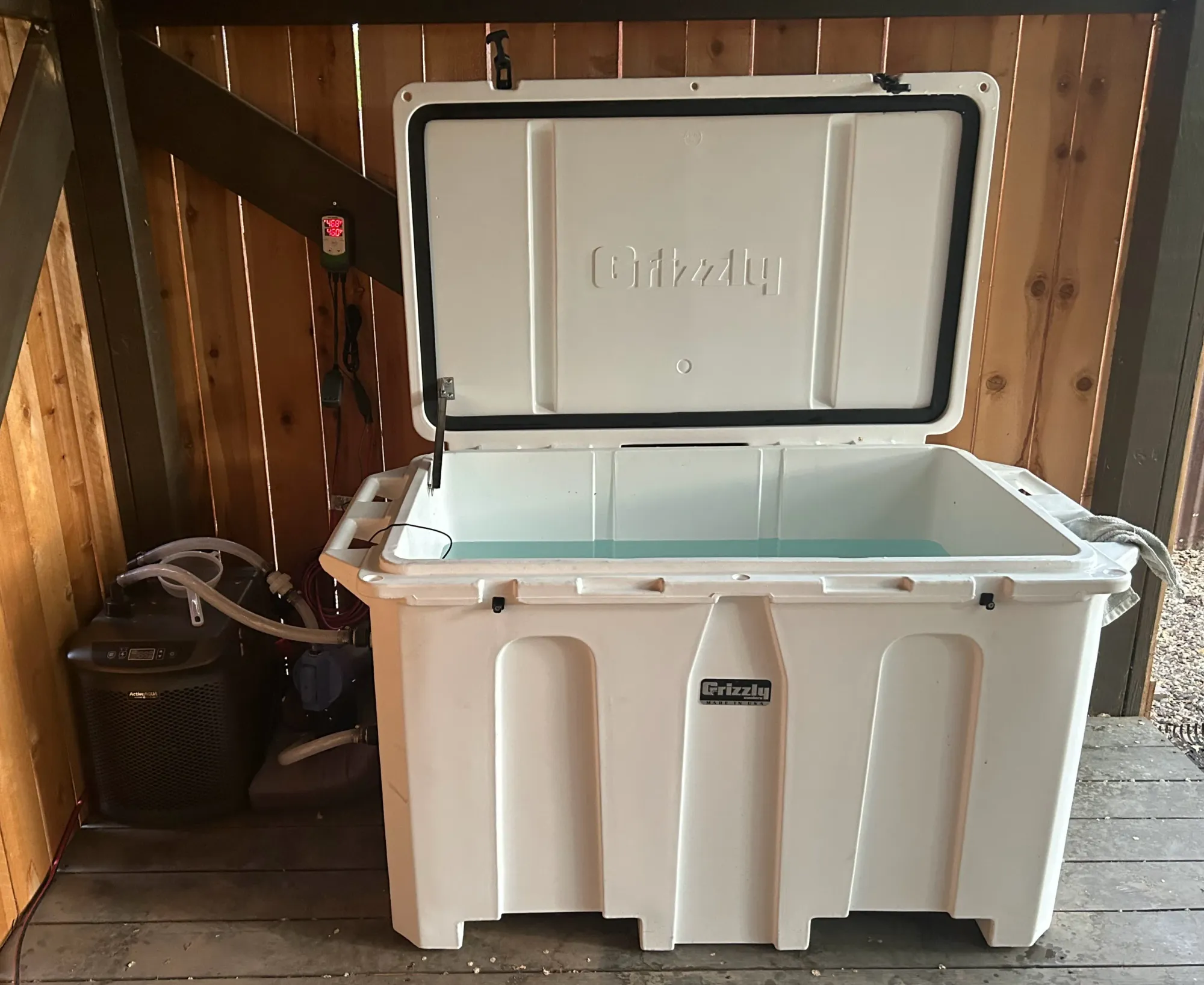
Innovations in plunge pool cooling technology are changing the game for homeowners and leisure facilities. A chiller system for a plunge pool works tirelessly behind the scenes to provide the perfect temperature for a refreshing dip. With advances in technology, these systems are now more efficient and eco-friendly than ever before.
Advancements In Eco-friendly Chillers
Chillers play a pivotal role in maintaining the ideal chill for plunge pools. Innovations in eco-friendly designs have led to systems that:
- Reduce energy consumption
- Utilize alternative, non-toxic refrigerants
- Feature improved heat exchange materials for optimal performance
Smart Control Systems
The introduction of smart control systems to plunge pool chillers has transformed how users interact with their pools. These systems:
- Enable remote monitoring and adjustments via smartphones or tablets
- Integrate with home automation for seamless control
- Provide real-time data on water temperature and system efficiency
Credit: andrewconner.com
Frequently Asked Questions Of What Chiller Is Used For A Plunge?
What Is A Plunge Pool Chiller?
A plunge pool chiller is a cooling system used to maintain low water temperatures in a plunge pool. It works by extracting heat from the water and dissipating it, ensuring a refreshing experience.
Can You Cool A Pool With A Chiller?
Yes, you can cool a pool with a chiller. Pool chillers are specifically designed to lower water temperatures, providing a cool, comfortable swimming environment during hot weather.
How Does A Pool Chiller Work?
A pool chiller functions by circulating water through a cooling coil or heat exchanger. The coil removes heat from the water and releases it into the surrounding air, effectively reducing the water’s temperature.
What Size Chiller Do I Need For My Plunge Pool?
The size of a chiller needed for a plunge pool depends on factors such as the pool’s volume and desired temperature drop. Consulting with a cooling system professional is recommended to determine the appropriate size.
Conclusion
Choosing the right chiller for your plunge pool is crucial for optimal performance and energy efficiency. A specialized aquatic chiller keeps temperatures consistent, ensuring a refreshing experience every time. Always consult with professionals to find the perfect fit for your setup.
Keep cool and enjoy your plunge with the ideal chiller selection.