
Cardio, or cardiovascular exercise, is any movement that raises your heart rate and sustains it for an extended period. Understanding what are the benefits of cardio helps you build a more resilient body and an efficient energy system.
The Physical Activity Guidelines for Americans suggest adults aim for 150 minutes of moderate-intensity activity each week. Consistent training creates structural changes that make daily tasks easier and improve your long-term health markers.

Today's Exclusive Deals
Limited-time Exclusive Deals. Check current discount on Amazon.
Check Price on Amazon As an Amazon Associate I earn from qualifying purchases.Quick Answer
Cardiovascular exercise strengthens the heart and improves lung efficiency. It enhances metabolic health by burning stored fat for fuel. Regular movement boosts mental clarity and mood regulation.
It builds a more resilient vascular system for daily life. Consistent cardio practice supports long-term physiological wellness.

Why Your Heart Needs More Than Just Activity
Your heart is a muscle, and like any other muscle, it requires specific training to improve its function. When you engage in cardio, you force the heart to pump more blood to your working muscles. Over time, this training increases your stroke volume, which is the amount of blood pumped with a single beat.
A more efficient heart doesn't need to beat as often to deliver the same amount of oxygenated blood to your body. This lowers your resting heart rate and reduces the daily wear and tear on your cardiovascular system. Using consistent home equipment allows you to track these heart rate trends over several months.
Consistent cardio also keeps your blood pressure in a healthy range. It improves the elasticity of your arteries, allowing them to expand and contract smoothly as blood flow changes. Think of it as keeping the plumbing in your house from getting stiff or clogged.
Whether you choose a compact machine or walk outside, the primary goal is keeping the system active and responsive.
The Physiological Mechanics of Cardiovascular Health
Cardio training triggers a series of cellular adaptations that change how your body handles energy. When you train regularly, your muscles experience mitochondrial biogenesis, which means your cells create more mitochondria. These are the power plants of your cells, responsible for converting fuel into usable energy.
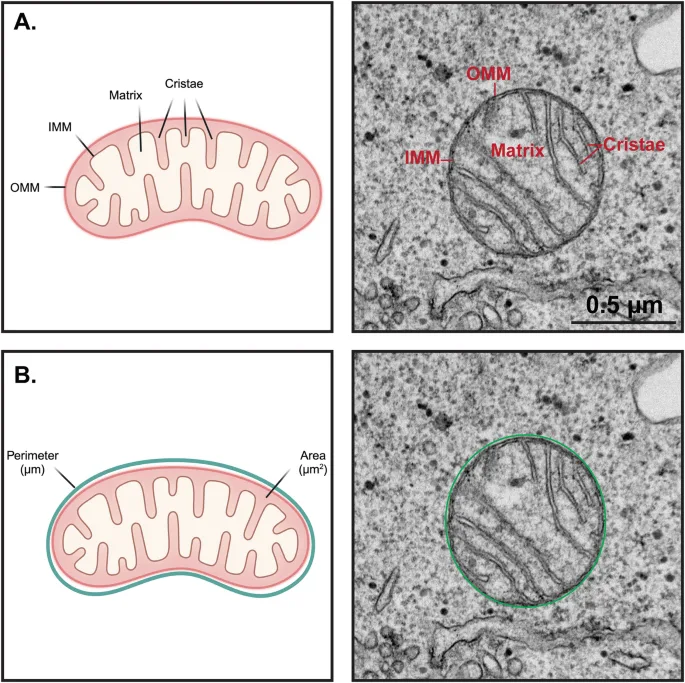
With more mitochondria, your body becomes much better at burning fat as a fuel source during exercise. You also increase your capillary density, creating a denser network of tiny blood vessels in your muscles. This improvement makes it significantly easier for your body to deliver fresh oxygen and shuttle away fatigue-inducing waste products.
These adaptations remain even when you are at rest, giving you a higher baseline level of metabolic fitness. If you struggle with endurance, starting with simple walking routines helps build these cellular foundations without placing too much stress on your joints. Over time, your body becomes a more efficient machine that can sustain effort for longer periods.
Navigating the Spectrum: Zone 2, HIIT, and Aerobic Capacity
Not all cardio is the same, and your training plan should reflect different intensity levels to maximize benefits. Zone 2 training is a low-intensity, steady-state effort where you can comfortably hold a conversation. This is the cornerstone of building a massive aerobic base without causing excessive fatigue.
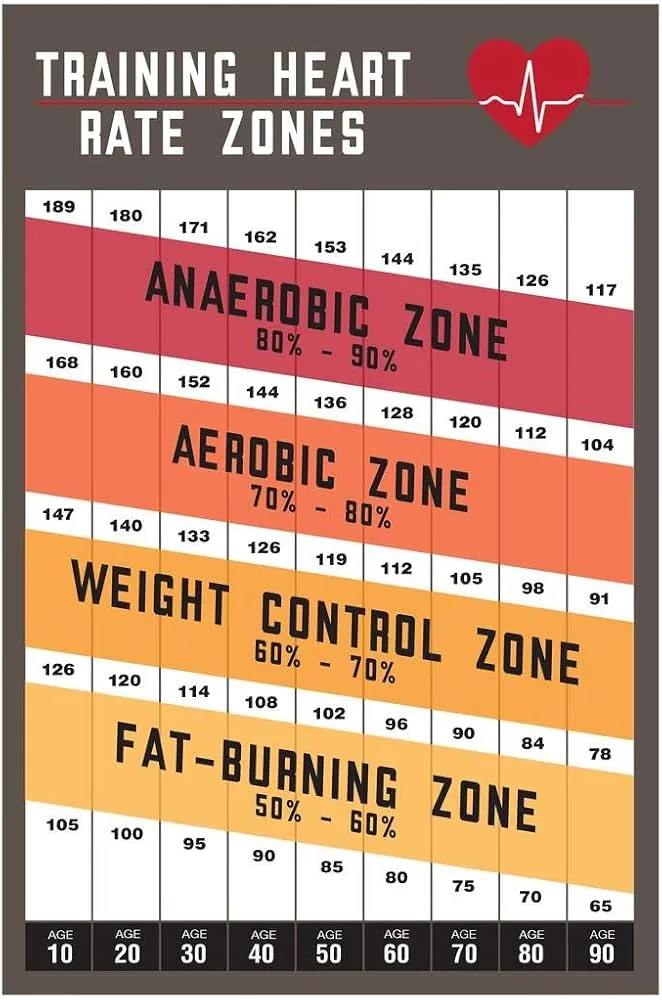
On the other end of the spectrum, High-Intensity Interval Training, or HIIT, uses short bursts of maximum effort followed by rest. This method is great for improving your VO2 max, which is the maximum amount of oxygen your body can utilize during intense activity. While effective, HIIT is demanding on your central nervous system and should be used sparingly compared to Zone 2.
Most people find the best balance by spending about 80 percent of their time in lower intensities and 20 percent in higher intensities. If you have limited space, modern folding treadmills make it easy to shift between these paces. Regardless of the method, the most effective protocol is the one you actually stick to every week.
Why Strength and Cardio Aren't Enemies
There is a persistent myth that cardio eats away at muscle mass. In reality, cardio and strength training serve different but complementary roles in your overall health. Strength training builds the architecture of your frame, while cardio builds the engine that powers that frame.
When you train your heart, you improve your ability to recover between sets of heavy lifting. A well-conditioned heart clears metabolic byproducts from your muscles faster during rest periods. This means you can often maintain higher intensity during your lifting sessions because your recovery capacity is higher.
If you are concerned about losing size, ensure you are fueling your body with enough calories to support your total activity. Using sturdy equipment designed for regular use ensures your cardio sessions are safe and productive. You don't have to choose between being strong and having a healthy heart.
They work best when combined in a balanced weekly plan that respects your recovery needs.
Common Pitfalls: Avoiding Overtraining and Burnout
The biggest mistake in cardio training is moving too fast, too soon. Many people jump into high-intensity sessions every day, leading to burnout or injuries like shin splints. Your tendons and ligaments adapt much slower than your heart and lungs, so give them time to catch up.
Overtraining syndrome is a real risk when your recovery cannot keep up with your training load. Signs include a lingering high resting heart rate, persistent fatigue, and poor sleep quality. If you use a reliable treadmill or walking pad to build your base, you can easily control your pace to avoid this trap.
Listen to your body, and treat recovery days as part of your training plan, not a sign of failure. If you are feeling unusually sluggish, consider checking your machine to ensure it's not adding unnecessary resistance or mechanical stress. Consistency over months beats intensity over days every single time.
Slow progress is still progress.
Building Your Weekly Cardio Protocol
Creating a sustainable cardio schedule starts by defining your current capacity and your specific goals. If you are starting from zero, begin with three sessions of 20 minutes at a low intensity. This consistency helps your heart, lungs, and tendons adjust without triggering overuse injuries.
You can increase the volume by five to ten percent each week as your fitness improves. Aim to vary the duration and intensity to avoid boredom and physical plateaus. If you find your equipment is hindering your progress, consider a smooth-running machine to keep your movement efficient and comfortable.
Follow this general template to structure your training week:
- Days 1, 3, 5: Moderate, steady-state sessions (Zone 2) for 30 to 45 minutes.
- Days 2, 4: Strength training focus or active recovery, such as a brisk 15-minute walk.
- Day 6: One higher-intensity session or a longer duration activity if you feel recovered.
- Day 7: Full rest to allow for systemic repair and hormonal balance.
Always prioritize the warm-up and cool-down portions of your session. A five-minute walk before and after your main exercise helps transition your heart rate safely. If your device has specific calibration settings, ensure they are accurate so your data remains useful for tracking long-term gains.
Frequently Asked Questions
Is morning or evening cardio more effective?
Research indicates that performance and comfort depend more on personal routine than time of day. Consistency is the most significant factor for achieving health goals, regardless of when you exercise. Choose the time that fits your schedule best to ensure you don't skip your sessions.
How do I know if my intensity is too high?
You can use the talk test to gauge your effort level during most training sessions. If you cannot speak in full sentences, you are likely pushing past your aerobic threshold. Slow down until your breathing is controlled enough to hold a conversation comfortably.
Can I get enough cardio just by walking?
Yes, brisk walking provides significant benefits for heart health and metabolic function. Adding incline to your walking sessions can increase the intensity without the impact of running. Many people find high-quality incline machines allow them to reach their target heart rate efficiently.
What should I do if I feel pain during cardio?
Stop the activity immediately if you experience sharp or sudden pain in your joints or muscles. Evaluate your form, footwear, and equipment setup before trying again at a lower intensity. If pain persists, consult a professional to rule out injury or mechanical issues that might be contributing to the discomfort.
How long until I see real health changes?
Most people notice improvements in their resting heart rate and recovery speed within four to six weeks of consistent practice. Cellular changes like increased mitochondrial density take longer to solidify. Stick with your program for at least three months to realize the full systemic impact of your training.

