Ice climbing is an exciting and challenging sport that takes people to frozen waterfalls, steep snow slopes, and icy mountain faces. In this world of ice and snow, climbers trust their safety and progress to a small set of specialized tools. The ice axe stands out as one of the most important. If you’ve ever wondered what ice axes are really used for in ice climbing, this guide will give you clear, practical answers—even if you are just starting or thinking of trying ice climbing for the first time.
Ice axes are more than just “ice picks. ” They are carefully designed, multi-use tools that help climbers move, protect themselves, and manage the risks of the icy environment. While they might look simple, understanding how and why climbers use ice axes is the first step to climbing safely and with confidence.

Today's Exclusive Deals
Limited-time Exclusive Deals. Check current discount on Amazon.
Check Price on Amazon As an Amazon Associate I earn from qualifying purchases.What Is An Ice Axe?
An ice axe is a handheld tool with a sharp pick on one end and an adze or hammer on the other. The shaft is usually made from strong, lightweight metals like aluminum or steel. Ice axes come in different lengths and shapes, but all serve the same basic functions: helping climbers climb, anchor, and protect themselves on snow and ice.
There are two main types:
- General mountaineering axes: Longer, designed for walking on snowy slopes.
- Technical ice tools: Shorter, with curved shafts, made for steep or vertical ice.
Each type has unique features for its specific use. Technical ice tools, for example, have aggressive picks that bite deep into ice, while general axes have longer shafts for balance while walking.
Primary Uses Of Ice Axes In Ice Climbing
Ice axes are not just for show. They are essential for several critical actions during an ice climb:
1. Climbing Steep Ice
On vertical or near-vertical ice, climbers swing their ice axes overhead to drive the pick into the ice. The axe becomes a handhold, allowing the climber to pull up and move higher. This is the most visible use of the ice axe in the sport.
- Example: On a frozen waterfall, a climber uses two technical ice tools to create secure placements, alternating each hand as they ascend.
2. Self-arrest
If a climber slips and begins sliding down a snowy or icy slope, an ice axe is the main tool for self-arrest. This means stopping a fall by digging the pick into the snow or ice and using body weight to slow and halt the slide.
- Insight: Practicing self-arrest in a safe area is crucial. Many beginners forget this step, which can be dangerous on real climbs.
3. Cutting Steps Or Platforms
Sometimes snow or ice is too steep or uneven to stand comfortably. The adze of the ice axe can chop steps or small platforms, giving the climber a secure place to rest or belay.
- Example: On a glacier crossing, climbers use the adze to create flat platforms for their feet.
4. Building Anchors
An ice axe can be used as part of a snow or ice anchor system. For example, climbers bury the axe horizontally to create a “deadman” anchor, which helps protect against falls.
- Tip: Not all snow conditions are safe for anchor building. Hard, compact snow works best.
5. Belaying And Protection
Ice axes are used in belay setups, either by hammering them into the snow or ice, or by using them with other gear to create secure points.
- Practical Use: On steep snow, the ice axe can be the main anchor for the belayer, providing extra security for the climber.
6. Traversing Slopes
When crossing angled snow or ice, climbers use their ice axe for balance. The axe acts like a third leg, helping prevent slips and offering stability on tricky terrain.
7. Testing Snow And Ice
Climbers often tap the ice axe against snow bridges, crevasses, or uncertain ice to test their strength before stepping forward. This helps avoid falling into hidden dangers.
- Non-obvious insight: Many beginners trust snow blindly, but seasoned climbers use their axes to check for hollow or unstable areas.
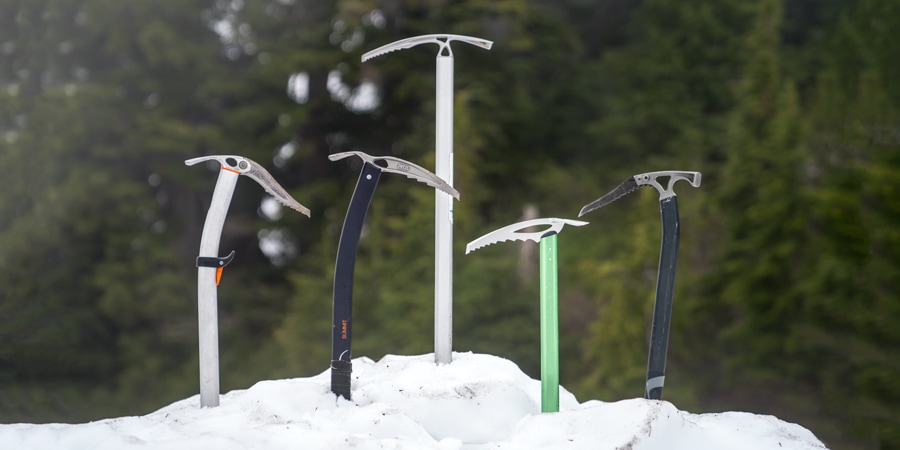
Key Features Of Ice Axes And How They Affect Use
Not every ice axe is the same. Choosing the right one depends on the type of climbing and personal preference.
Head: Pick, Adze, And Hammer
- Pick: The sharp, curved part used for swinging into ice.
- Adze: A flat blade for chopping steps or clearing snow.
- Hammer: Sometimes replaces the adze, useful for pounding in protection.
Shaft
- Length: Longer shafts are better for walking, shorter for steep climbing.
- Material: Aluminum is light, steel is stronger but heavier.
- Shape: Straight shafts are classic, curved shafts offer better clearance on steep ice.
Leash Vs. Leashless
- Leashed axes: Have a strap for the wrist, reducing the chance of dropping the tool.
- Leashless axes: Allow greater freedom of movement, popular for modern ice climbing.
Grip
A comfortable grip is important, especially when swinging repeatedly. Some axes have rubber grips or finger rests for better control.
| Feature | General Axe | Technical Tool |
|---|---|---|
| Pick Shape | Straight or slightly curved | Aggressive, deeply curved |
| Shaft Length | 50–70 cm | 40–55 cm |
| Grip | Simple, minimal | Ergonomic, rubberized |
| Best Use | Snow travel, general mountaineering | Steep, technical ice climbing |
How Ice Axes Improve Safety
The most important reason for using an ice axe is safety. Ice climbing involves real risks—falls, avalanches, sudden changes in weather. The ice axe is a lifeline for several reasons.
- Immediate self-arrest: Without an ice axe, stopping a slide down a snowy slope is nearly impossible.
- Creating anchors: In emergency situations, ice axes can anchor a rope and save lives.
- Testing terrain: Probing snow bridges or icy patches can prevent hidden accidents.
- Belaying: Safe belay setups on snow often depend on a properly placed axe.
One study by the American Alpine Club found that most snow and ice accidents happened when climbers did not have their ice axes ready or did not know how to use them for self-arrest. This highlights the importance of both carrying and practicing with your axe.
Common Mistakes When Using Ice Axes
Even experienced climbers can make errors with ice axes. Here are some pitfalls to avoid:
- Holding the axe wrong: Many beginners grip too high or too low. Hold just above the spike for stability while walking, and near the head for swinging.
- Not practicing self-arrest: Knowing the theory is not enough. Regular practice builds muscle memory.
- Using the wrong axe type: A mountaineering axe is not safe for steep, technical climbs. Always choose the right tool for the job.
- Over-relying on the axe: The ice axe is a tool, not magic. Good footwork and body position are just as important.
- Not checking placements: Always check that the axe is secure in the ice before trusting it with your weight.
- Ignoring snow conditions: Wet or loose snow may not hold an anchor or stop a fall, even with the best axe.
Ice Axes Vs. Ice Tools: What’s The Difference?
The terms ice axe and ice tool are often used interchangeably, but they do have differences.
- Ice axes are general-purpose, longer, and better for walking and basic climbing.
- Ice tools are shorter, more curved, and designed for vertical ice.
Here’s a quick comparison:
| Aspect | Ice Axe | Ice Tool |
|---|---|---|
| Length | 50–70 cm | 40–55 cm |
| Shaft Shape | Straight or slightly curved | Deeply curved |
| Primary Use | Mountaineering, snow travel | Technical ice climbing |
| Grip | Basic | Ergonomic |
Non-obvious insight: Some climbs require carrying both types. On long alpine routes, climbers may use a general axe for the approach and a technical tool for the hardest sections.
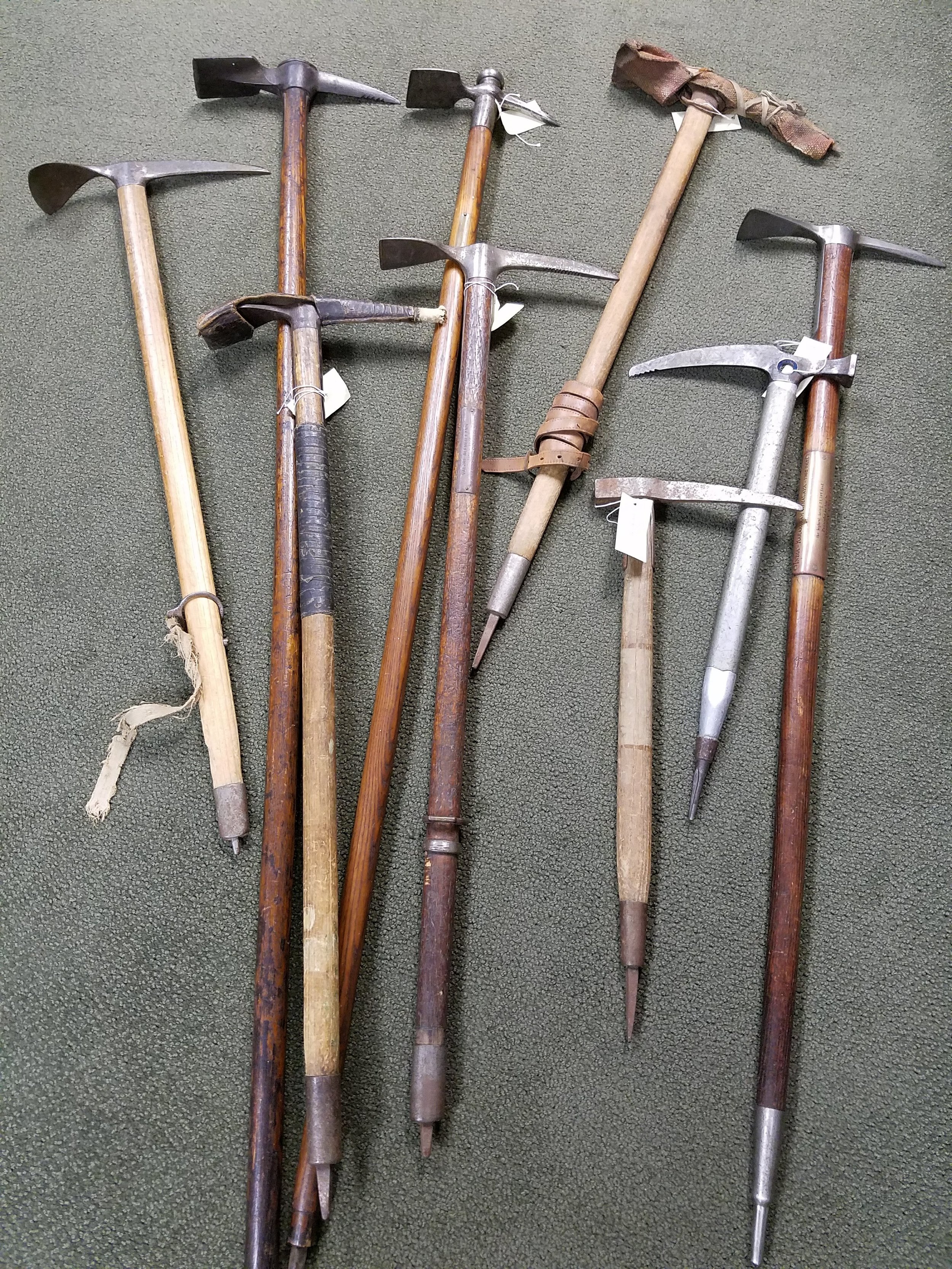
How To Choose The Right Ice Axe
Choosing your first ice axe can be confusing. Focus on these points:
- Climbing style: Are you walking on snow slopes, climbing steep ice, or both?
- Fit: The axe should feel comfortable in your hand and be the right length for your height.
- Weight: Lighter is better for long climbs, but heavier axes can penetrate hard ice more easily.
- Features: Do you need an adze, a hammer, or both? Do you want a leash?
A simple test: For a general axe, stand straight and hold the axe by your side. The spike should reach your ankle.
If you’re unsure, visit a local outdoor store and try several in your hands. Don’t just buy the cheapest or the most expensive. Some brands, like Petzl and Black Diamond, are respected for their quality.
Ice Axe Maintenance And Care
A well-maintained ice axe lasts many years and stays reliable. Here’s how to care for yours:
- Clean after every trip: Remove snow, ice, and dirt with warm water and a brush.
- Dry thoroughly: Prevent rust, especially on the pick and adze.
- Sharpen the pick: Use a file, not a grinder, to keep the edge keen but not too thin.
- Check for cracks: Inspect the shaft and head before each climb.
- Store safely: Keep it in a dry place; use a pick protector to avoid accidents.
Neglecting maintenance can lead to rust, dull picks, or weakened shafts—problems that might only become obvious when you need your axe most.
Real-world Examples: When Ice Axes Make The Difference
- Glacier travel: On crevassed glaciers, climbers use axes for balance, self-arrest, and anchor building.
- Waterfall climbing: On vertical ice falls, two technical tools are standard. Each swing and placement is critical for upward movement.
- Alpine routes: In the Alps or Rockies, a single general axe is often enough for traversing snowy ridges and stopping falls.
One famous example is the 1978 ascent of the Eiger North Face, where climbers used both types of axes to handle everything from steep ice to snowy traverses. Their skill with the tool was as important as their strength.
Training And Practice
Owning a good ice axe is not enough. Training is key:
- Take a course: Many climbing schools offer classes in ice axe use and self-arrest.
- Practice on safe slopes: Before you climb seriously, practice using your axe in a controlled environment.
- Learn from experts: Watch how experienced climbers hold, swing, and place their axes.
Some beginners overlook the importance of these steps and head straight to big climbs, which increases risk. Building confidence with your ice axe means you will react correctly when it matters most.

Frequently Asked Questions
What Is The Difference Between An Ice Axe And A Trekking Pole?
Ice axes are designed for self-arrest, climbing, and anchoring on snow and ice. Trekking poles are for balance on regular trails, not for technical climbing or stopping falls.
How Do I Know What Length Of Ice Axe I Need?
For general mountaineering, stand straight and hold the axe at your side—the spike should reach your ankle. For technical climbing, choose a shorter, more curved tool for better control on steep ice.
Can I Use The Same Ice Axe For Both Snow And Vertical Ice?
It’s possible, but not ideal. General axes are best for snow and moderate slopes, while technical tools are safer and more effective on vertical ice.
How Often Should I Sharpen My Ice Axe?
Sharpen the pick and adze after several trips or whenever you notice it’s harder to penetrate ice or chop steps. Use a metal file, and avoid making the pick too thin.
Do I Really Need To Practice Self-arrest With My Ice Axe?
Yes, absolutely. Knowing how to self-arrest can save your life. Practice regularly in safe conditions until the movement feels automatic.
For more on the history and design of ice axes, see this Wikipedia article.
Ice climbing is an adventure that demands respect for the environment and your equipment. The ice axe is more than a tool—it’s your partner on every climb. Whether you are hiking up snowy slopes, swinging into frozen waterfalls, or building anchors in deep snow, understanding and mastering the use of your ice axe will keep you safer and make your climbing experience much more rewarding.