
Are you looking to stay active at home but unsure whether to choose a walking pad or a regular treadmill? Both have their perks, but picking the right one can make a big difference in your fitness routine and comfort.
Imagine having a workout tool that fits perfectly into your space and matches your pace without causing frustration or wasted money. You’ll discover the key differences between walking pads and regular treadmills, helping you make the best choice for your lifestyle and goals.
Keep reading to find out which option suits you best and how it can transform your daily exercise.
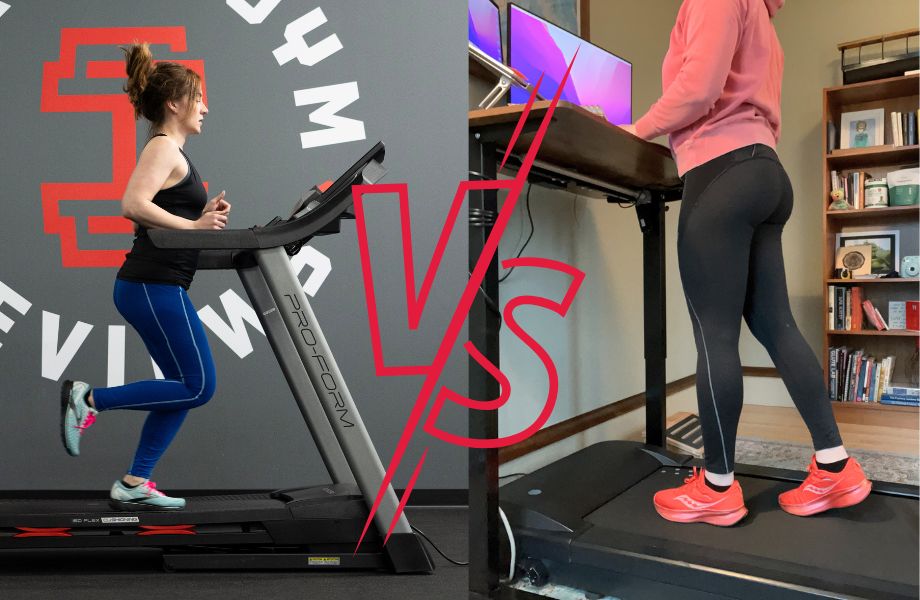
Walking Pad Features
Walking pads offer a unique set of features that differ from regular treadmills. They focus on convenience and ease of use. These devices are perfect for small spaces and light exercise routines. Understanding their features helps you decide if a walking pad suits your needs.
Below are the main features that define walking pads and separate them from traditional treadmills.
Compact Design
Walking pads are slim and foldable. They fit easily under desks or beds. Their compact size saves room in small apartments. Unlike regular treadmills, they do not take up much floor space. This design makes them ideal for home offices or tight areas.
Speed Range
Walking pads usually have lower speed limits. They are designed mainly for walking, not running. Most models reach speeds of 3 to 4 miles per hour. Regular treadmills offer higher speeds for jogging or running. This makes walking pads perfect for gentle workouts and daily movement.
Portability
Walking pads are lightweight and easy to move. Many have wheels for simple transport. You can carry them from room to room without effort. Regular treadmills are heavier and harder to relocate. Portability helps users maintain an active lifestyle anywhere at home.
Noise Levels
Walking pads operate quietly. They use less powerful motors than traditional treadmills. This reduces noise during use, ideal for shared spaces. Regular treadmills often produce louder sounds, which can disturb others. Quiet operation supports use in offices or apartments without hassle.

Regular Treadmill Features
Regular treadmills offer a wide range of features that suit many fitness needs. They provide more options and power compared to walking pads. These machines are designed for serious workouts at home or in gyms. Understanding their features helps to choose the right treadmill for your exercise routine.
Size And Build
Regular treadmills are larger and heavier than walking pads. They have a solid frame to support intense workouts. The running surface is wider and longer for comfortable running. They need more space but offer stability and safety. The build quality ensures the treadmill can handle daily use without damage.
Speed And Incline Options
Most regular treadmills offer a wide speed range from slow walking to fast running. You can adjust the speed in small steps for better control. Incline settings add challenge by simulating uphill running. Some models have automatic incline changes for interval training. These options help improve endurance and strength effectively.
Durability
Regular treadmills are made to last for years. They use strong materials like steel and heavy-duty plastics. The motors are powerful and designed for long workouts. Maintenance is easier with replaceable parts. Their durability makes them a good investment for serious fitness users.
Advanced Technology
These treadmills include features like touchscreens and built-in workout programs. You can track distance, calories, heart rate, and pace. Some have Bluetooth or Wi-Fi for app connections and music. Safety features like emergency stop buttons are standard. The technology enhances the workout experience and motivation.
Space And Storage
Space and storage are important when choosing exercise equipment. Many people have limited room at home. A machine that fits well and stores easily saves hassle. Comparing walking pads and regular treadmills shows big differences. These differences can affect your daily routine and room setup.
Footprint Comparison
Walking pads take up less floor space than regular treadmills. Most walking pads are slim and low to the ground. Their small size fits in tight spaces like under desks. Regular treadmills have a larger base and need more room. They often require extra space around for safety. Walking pads offer a compact design for small areas.
Storage Solutions
Walking pads are easy to store after use. Many models fold flat or slide under furniture. This makes them perfect for apartments or rooms with limited space. Regular treadmills can fold but remain bulky. They need a dedicated corner or storage area. Walking pads suit those who want quick setup and easy storage.
Ideal Room Settings
Walking pads fit well in home offices or bedrooms. Their quiet operation and small size cause less disruption. Regular treadmills work best in spacious rooms or home gyms. They need space for movement and ventilation. Choose your device based on your room size and daily use needs.

Workout Experience
The workout experience differs between a walking pad and a regular treadmill. Each device offers unique benefits and challenges. Understanding these differences helps users choose the right machine for their needs. The focus here is on comfort, exercise variety, and user engagement.
Comfort And Stability
Walking pads are compact and have a smaller belt area. This design limits stride length and speed. Users may feel less stable during fast or intense workouts. Regular treadmills provide a wider belt and stronger frame. This setup supports running and brisk walking comfortably. Stability on a regular treadmill is higher, making it safer for varied exercise speeds.
Exercise Variety
Walking pads mainly support walking and light jogging. They suit low-impact workouts and casual fitness routines. Regular treadmills offer more speed options and incline settings. These features create more workout choices, such as running or hill training. Users can vary their routines and target different muscle groups on regular treadmills.
User Engagement
Walking pads are easy to set up and use anywhere. Their simplicity appeals to beginners or those with limited space. Regular treadmills usually include advanced features like touchscreens and workout programs. These tools keep users motivated and focused. Interactive displays and preset workouts boost engagement during exercise sessions.
Health Benefits
Choosing between a walking pad and a regular treadmill affects your health benefits. Both devices help improve fitness but differ in key ways. Understanding these differences helps you pick the right one for your needs.
Each option offers unique advantages for your body and heart. Let’s explore how calorie burn, joint impact, and cardiovascular effects compare.
Calorie Burn
Regular treadmills allow faster speeds and more intense workouts. This burns more calories in a shorter time. Walking pads focus on walking at low to moderate speeds. They burn fewer calories but encourage longer activity periods. Both help with weight control but suit different fitness goals.
Joint Impact
Walking pads provide gentle exercise with low impact on joints. Their slower pace reduces stress on knees and ankles. Regular treadmills can strain joints if used at high speeds or inclines. Careful use and good shoes reduce risk. Walking pads suit people with joint issues or those recovering from injury.
Cardiovascular Effects
Regular treadmills support aerobic workouts that strengthen the heart. They help improve stamina and blood circulation faster. Walking pads also boost heart health through steady, moderate exercise. Consistent use improves endurance and lowers blood pressure. Both promote a healthy heart but differ in workout intensity.
Cost And Maintenance
Cost and maintenance play a big role in choosing between a walking pad and a regular treadmill. These factors affect your budget and how much time you spend caring for the machine. Understanding these costs helps make a smart choice for your home gym.
Initial Investment
Walking pads usually cost less than regular treadmills. Their smaller size and simpler design cut production costs. Regular treadmills offer more features, making them pricier. The price difference can be hundreds of dollars. Budget matters here, so pick the option that fits your wallet.
Upkeep Requirements
Walking pads need less care due to fewer parts. You may only need to clean the belt and lubricate sometimes. Regular treadmills have motors and extra parts needing regular checks. These require more frequent cleaning and part replacement. Maintenance costs rise with the treadmill’s complexity.
Longevity
Regular treadmills tend to last longer than walking pads. Their build is stronger for heavy use and intense workouts. Walking pads suit light to moderate use and may wear out faster. Choosing a machine that matches your exercise style helps it last. Longevity affects how often you buy new equipment.
Choosing The Right Option
Choosing the right exercise machine is important for your routine and space. Both walking pads and regular treadmills have benefits. Understanding your needs helps pick the best one for you.
Think about how you live, what you want to achieve, and what you can spend. These points guide your choice clearly.
Lifestyle Considerations
Walking pads are compact and easy to store. They fit well in small rooms or apartments. Regular treadmills need more space and are heavier. If you prefer quick workouts or walking while working, a walking pad suits you. For intense running sessions, a regular treadmill is better.
Fitness Goals
Walking pads work well for light walking and low-impact exercise. They help with daily movement and weight management. Regular treadmills support running and high-speed workouts. They help build stamina and strength faster. Choose based on how hard you want to train.
Budget Constraints
Walking pads are usually cheaper and cost less to maintain. Regular treadmills often cost more upfront and need more upkeep. Think about your budget for buying and keeping the machine. Pick an option that fits your finances without stress.
Frequently Asked Questions
What Are The Main Differences Between Walking Pads And Regular Treadmills?
Walking pads are compact and designed for walking only. Regular treadmills are larger and support running and walking. Walking pads are ideal for small spaces, while regular treadmills offer more features and higher speed options.
Which Is Better For Small Spaces: Walking Pad Or Treadmill?
Walking pads are better for small spaces due to their slim and foldable design. Regular treadmills usually require more room and are less portable. Walking pads fit easily under desks or sofas, making them perfect for tight areas.
Are Walking Pads As Effective As Regular Treadmills?
Walking pads are effective for light to moderate walking exercises. Regular treadmills provide more workout options, including running and incline training. Walking pads suit casual users, while treadmills meet fitness enthusiasts’ higher intensity needs.
How Much Do Walking Pads Cost Compared To Treadmills?
Walking pads generally cost less than regular treadmills. Their simpler design and smaller size reduce manufacturing costs. Regular treadmills have advanced features, increasing their price. Budget and space often guide the choice between them.
Conclusion
Choosing between a walking pad and a regular treadmill depends on your needs. Walking pads save space and suit light workouts. Regular treadmills offer more features and higher speeds. Both help improve fitness and health. Consider your room size, workout style, and budget.
Either option keeps you active indoors. Stay consistent and enjoy your exercise routine. Small steps lead to big health benefits.
