
Are you looking to maximize your workout efficiency and achieve impressive gains? The question on many fitness enthusiasts’ minds is whether you should squat and deadlift on the same day.
These powerhouse exercises are a staple in strength training, promising to build muscle, enhance endurance, and boost overall fitness. But, is combining them into one session a wise choice for you? Imagine harnessing the full potential of your body, feeling the burn of a killer workout, and seeing tangible results faster.
The idea is tantalizing, but there’s a lot to consider. Your unique goals, energy levels, and recovery needs play crucial roles. As you delve deeper into this article, you’ll uncover insights that will help you decide if this dynamic duo should be a part of your routine. Get ready to explore the benefits, challenges, and expert tips that can transform your training approach and propel you towards your fitness goals. Keep reading, because what you discover might just be the game-changer you’ve been searching for.
Benefits Of Combining Squats And Deadlifts
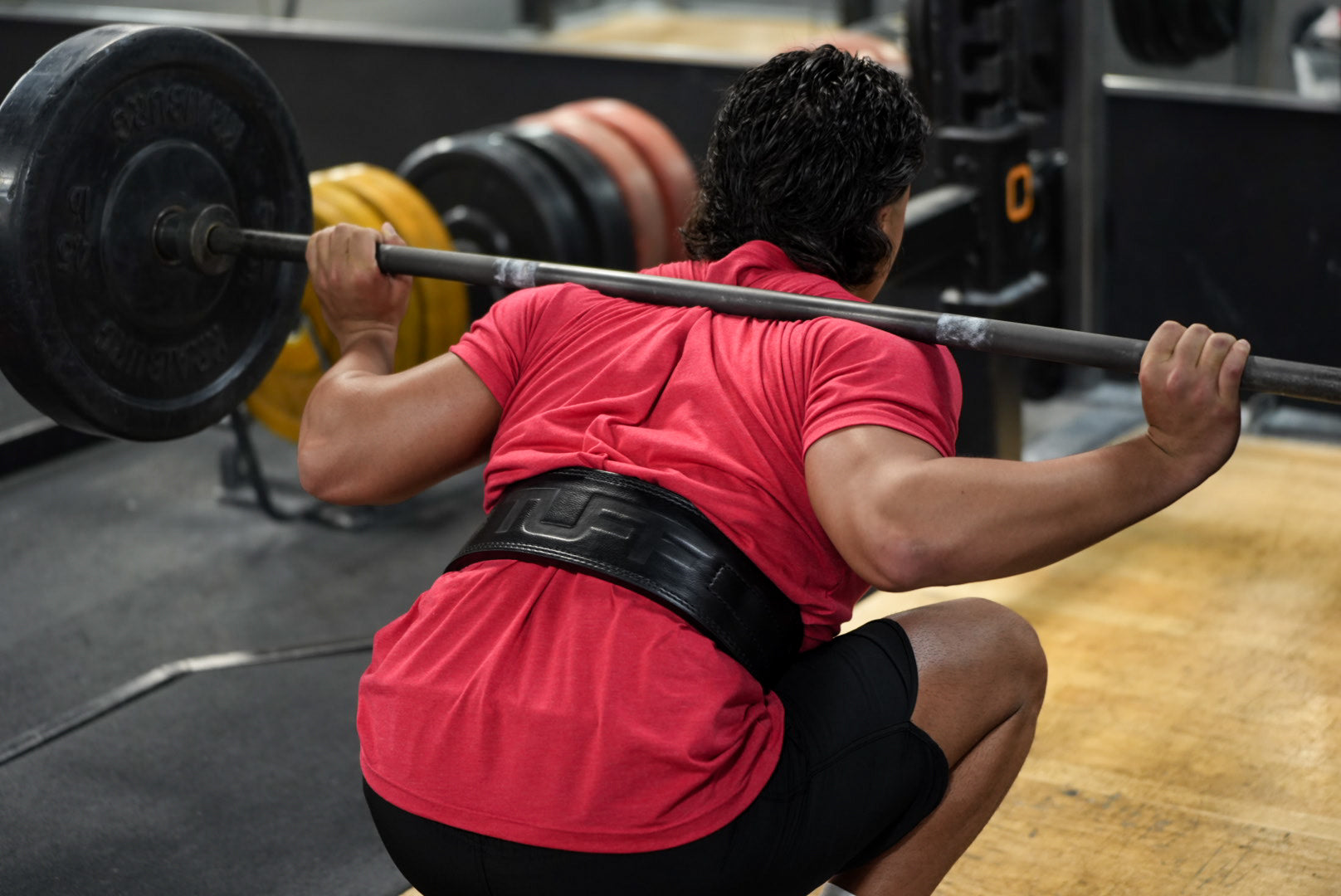
Doing both squats and deadliftssaves time. You finish two workouts in one session. It helps busy people stay fit. Less time spent at the gym means more time for other things.
Squats and deadliftstogether build muscle fast. They target many muscle groups. Legs, back, and core get stronger. Faster muscle growth means better results.
These exercises boost strength. You lift heavier weights over time. Squats and deadlifts push the body hard. They make muscles work together. This leads to improved strength gains.

Challenges Of Same-day Squats And Deadlifts
Balancing squats and deadlifts on the same day can be tough. They both demand energy and focus. It’s important to manage fatigue to avoid injury and maintain proper form. Proper planning and listening to your body help optimize performance and results.
Increased Fatigue
Squats and deadlifts are tough exercises. They need lots of strength. Doing both on the same day can tire muscles quickly. Muscles may feel weak and shaky. Energy levels might drop fast. Short breaks might help, but fatigue stays. Tired muscles can make exercises harder.
Higher Risk Of Injury
Fatigue increases injury risk. Tired muscles don’t work well. They might not support your body properly. Poor form can lead to strains or sprains. Heavy weights can add to the danger. It’s important to stay careful. Listen to your body signals.
Recovery Demands
After squats and deadlifts, muscles need time to heal. Recovery is crucial for strength growth. Without rest, soreness can linger. Overworking muscles can slow recovery. Rest days help muscles regain strength. Balanced exercise and rest are key.
Factors To Consider Before Combining
Strong fitness levels make squatting and deadlifting easier on the same day. Beginners might find it hard. Their muscles get tired quickly. Advanced athletes can handle more stress. They can lift heavy weights safely. Knowing your fitness level is key.
Goals affect your workout plan. Building strength might require doing both exercises together. For muscle endurance, separate days may work better. Decide what you want to achieve. Then plan your workout accordingly.
Experience with compound movements helps a lot. Newbies might struggle with form and technique. This could lead to injury. Experienced lifters usually have good form. They can manage both exercises safely. Practice makes perfect.
Alternative Approaches
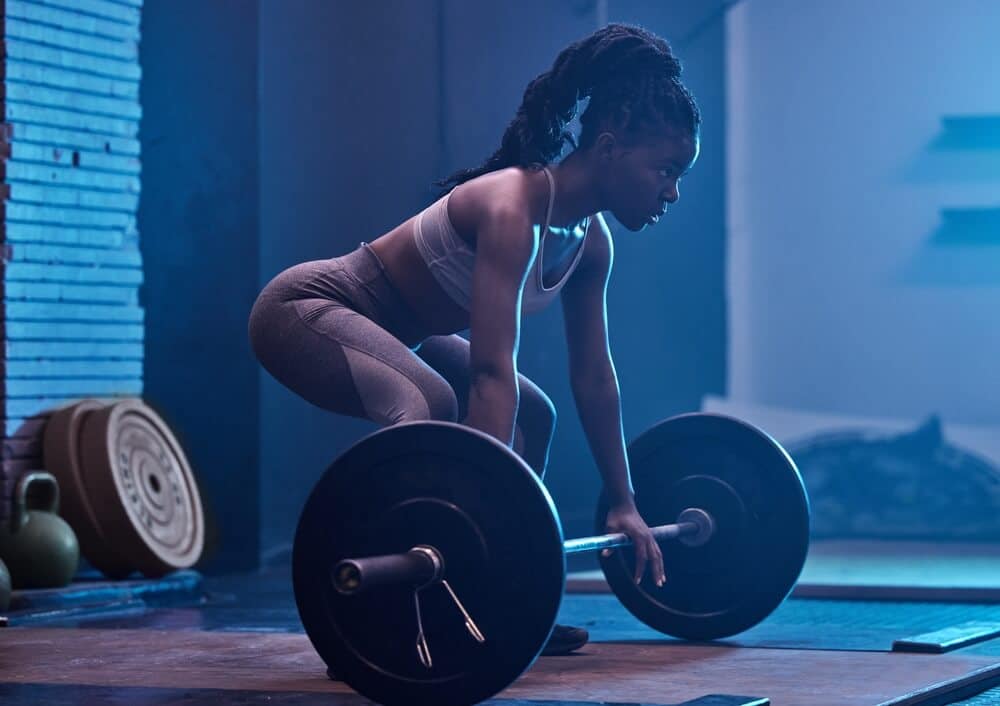
Split training days can be a smart choice. This means you focus on different muscle groups each day. For example, squat on one day and deadlift on another. It helps your body recover better. You won’t feel too tired. This way, each exercise gets your full energy.
Trying different variations keeps things interesting. You can do a front squat instead of a regular squat. Or try a Romanian deadlift. Each variation targets muscles differently. This helps in building balanced strength. It’s also fun to change your routine.
Periodization is about planning workouts. You train hard for some weeks. Then you have lighter weeks. This technique helps avoid overtraining. It makes you stronger over time. You can lift more safely. Periodization is like a map for your fitness journey.
Tips For Safe And Effective Training
Start with a gentle warm-upto prepare your muscles. Use light movements to get your blood flowing. Stretch your legs and back carefully. This helps prevent injuries during your workout.
Always use the correct formfor each exercise. Keep your back straight when lifting. Bend your knees properly during squats. This will make your workout safe and effective.
Pay attention to how your body feels. Stop if you feel pain or discomfort. Rest if you’re tired. This keeps your body safe and healthy.
Frequently Asked Questions
Can You Squat And Deadlift Together?
Yes, you can squat and deadlift on the same day. Combining these exercises can save time and improve efficiency. However, it is essential to manage intensity and volume to prevent fatigue and injury. Proper warm-up and technique are crucial for safety and effectiveness.
What Are The Benefits Of Doing Both Exercises?
Doing both exercises can enhance overall strength and muscle growth. Squats and deadlifts target different muscle groups, providing a comprehensive workout. Together, they improve core stability, functional fitness, and athletic performance. Incorporating both exercises can lead to balanced muscle development and increased calorie burn.
How Should I Structure My Workout?
Structure your workout by starting with the heavier lift first. Typically, this means beginning with squats. Ensure adequate rest between sets to maintain performance. Consider lower volume for each exercise to avoid fatigue. Listen to your body and adjust as needed for optimal results.
Is It Safe For Beginners To Combine These Lifts?
Beginners can safely combine these lifts with proper guidance. Focus on mastering technique before adding weight. Start with lighter loads and gradually increase intensity. Ensure proper warm-up and rest between sets. Consulting a fitness professional can provide personalized guidance and prevent injury.
Conclusion
Deciding to squat and deadlift on the same day depends on your goals. Both exercises provide great benefits and target different muscle groups. Consider your energy levels and recovery time. Listen to your body and adjust your routine accordingly. Mixing them can boost strength and endurance, but balance is key.
Start with lighter weights to see how your body reacts. Gradually increase intensity as you feel more confident. Always prioritize safety and proper form to prevent injuries. Consistency is crucial, so make sure to stay committed to your fitness journey.
