
Lifting weights involves the application of force to overcome resistance. The physics entails biomechanics, energy transfer, and muscle contraction.
Weightlifting is a physical activity that harnesses fundamental principles of physics and biomechanics to enhance strength and muscle mass. Muscles generate force to move weights against the pull of gravity, with the skeletal system providing structure and leverage. Understanding the mechanics of lifting can lead to more effective workouts, preventing injury while maximizing results.

Today's Exclusive Deals
Limited-time Exclusive Deals. Check current discount on Amazon.
Check Price on Amazon As an Amazon Associate I earn from qualifying purchases.Engaging in proper form is crucial; it involves coordinating muscle groups and maintaining balance and posture under the stress of added weight. Energy systems within the body fuel the contractions, and adapting these systems through consistent training increases strength over time. Enthusiasts and athletes alike benefit from grasping the underlying scientific concepts, optimizing their approach to resistance training for peak performance and progression.
The Fundamentals Of Muscle Mechanics
Understanding the physics of lifting weights begins with muscle mechanics. Insights into how muscles contract and generate force provide a foundation for effective strength training. Grasping the roles of different muscle fibers and the processes powering muscle contraction lead to optimized weightlifting practices.
Muscle Fiber Types And Their Roles In Strength
Muscles contain various fibers that affect strength and performance. Let’s explore different fiber types.
- Type I fibers, or slow-twitch, are endurance-friendly and fatigue-resistant.
- Type IIa fibers are fast-twitch, providing a balance of power and endurance.
- Type IIx fibers excel in quick, explosive actions but tire quickly.
Diverse workouts target these fibers. Type I fibers respond well to endurance training, whereas Type II fibers thrive with strength and power workouts.
The Sliding Filament Theory Of Muscle Contraction
The Sliding Filament Theory explains muscle contraction mechanics. Myofilaments inside muscle fibers slide past each other, shortening the muscle and generating force.
| Component | Role |
|---|---|
| Actin | Thin filament enabling muscle contraction. |
| Myosin | Thick filament pulling actin for contraction. |
During weightlifting, this process repetitively generates force. Understanding how contraction occurs allows for smarter, safer workout strategies.
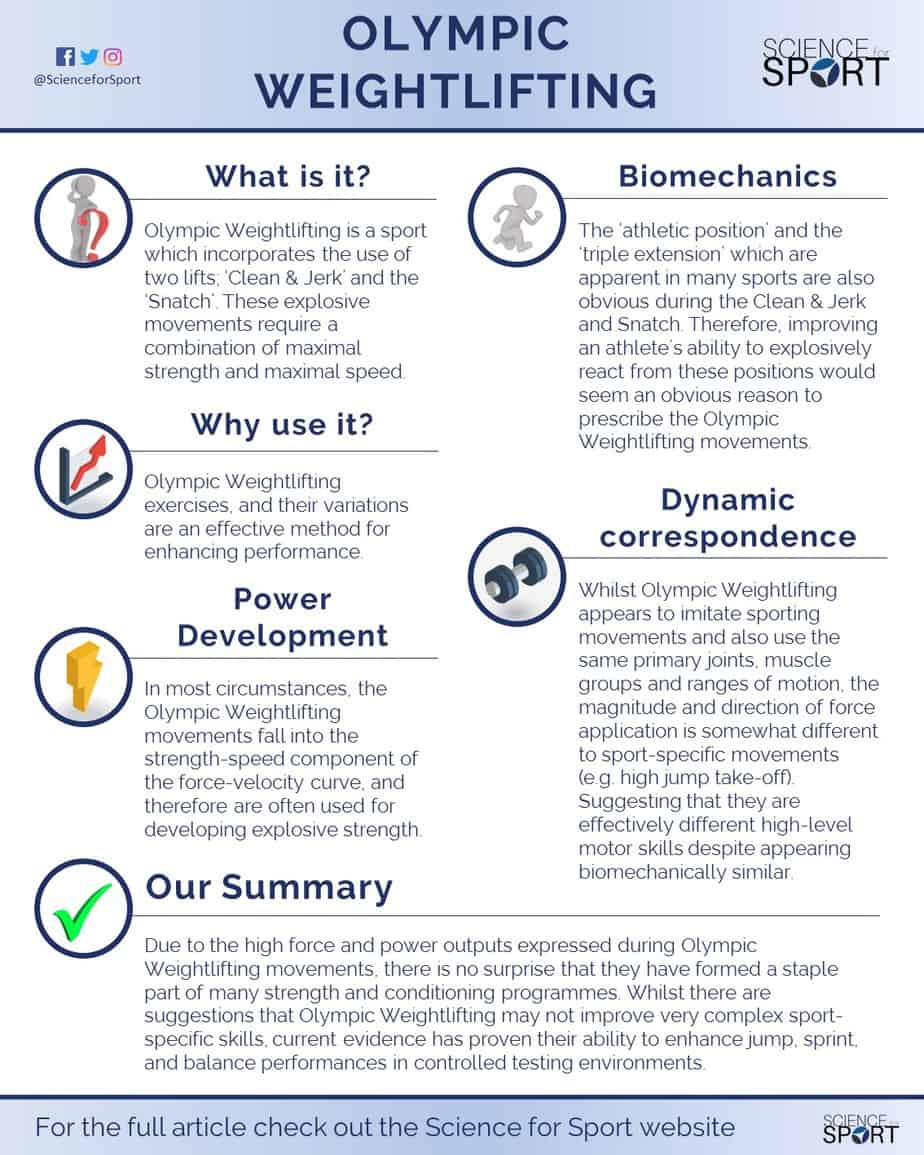
Credit: www.scienceforsport.com
Biomechanics Of Lifting
Understanding the Biomechanics of Lifting is like unlocking the secrets to super strength. Every time you lift weights, your body acts like a machine. Let’s dive into how your muscles and bones work together to lift those heavy weights!
Lever Systems In The Human Body
Just like a seesaw on the playground, your bones and muscles form levers. These levers help you move heavy objects with ease. The point where your muscle attaches to the bone is like the handle. The place you apply your effort is like the end of the seesaw. And the weight? It’s what you want to lift!
- First-Class Lever: Think of your neck. When you nod your head, it works like this lever.
- Second-Class Lever: Your calf muscles when on tiptoe are a perfect example.
- Third-Class Lever: Your biceps during a curl show this in action.
The Role Of Joints And Angles In Effective Lifting
Imagine your joints as the hinges of a door. The right angle determines how wide the door opens. Similarly, how you position your joints affects how well you lift. Get the angle right and you lift more, with less chance of injury.
| Joint | Ideal Angle | Benefit |
|---|---|---|
| Knee | 90 degrees | Maximum force in squats |
| Elbow | 90 degrees | Efficient bicep curls |
| Shoulder | 45 degrees | Safe and strong bench press |
Neurological Factors In Strength Training
Neurological Factors in Strength Training play a crucial role in your journey to become stronger. While most people focus on muscles, the brain’s connection with muscle fibers is essential. Let’s dive deep into how your nervous system contributes to strength training gains.
Motor Unit Recruitment And Its Impact On Strength
In simple terms, motor units are made up of a motor neuron and the muscles fibers it controls. When lifting weights, the body must activate these motor units to produce movement. More motor units working means more strength.
- Light weights recruit fewer motor units.
- Heavier weights require more motor units.
Consistent training leads to better motor unit recruitment. This enhances your ability to lift heavier weights over time.
Neural Adaptation Vs. Muscular Adaptation
When you start lifting weights, the initial strength gains are often due to neural adaptations. Your nervous system becomes more efficient at activating motor units. In contrast, muscular adaptation refers to increases in muscle size and fiber density.
| Neural Adaptation | Muscular Adaptation |
|---|---|
|
|
Balancing both types of adaptation is key to a well-rounded strength program. As you advance, maintaining neurological efficiency while building muscle becomes the goal for continued progress.
Credit: www.elitefts.com
Physiological Responses To Weight Training
The journey through weight training is not just about lifting heavy objects. It’s a complex interaction between your body and the physics involved. As weights go up, the body responds in fascinating ways. Muscular systems engage, energy reserves kick in, and hormones work overtime. Understanding what happens inside your body can help you train smarter and achieve better results.
Hormonal Changes And Their Effects On Muscle Growth
When you start working with weights, your body kicks into high gear. Hormones play a crucial role in this process. They signal your muscles to grow and your energy stores to replenish.
- Testosterone – boosts muscle protein synthesis.
- Growth hormone – helps with tissue growth.
- Cortisol – can break down muscle if levels are too high.
Before, during, and after a lifting session, hormones like testosterone and growth hormone spike. This signals your body to repair and build muscle fibers.
But watch out for cortisol, the stress hormone. While it helps with energy, too much can hurt muscle gains. Rest and proper nutrition help manage cortisol levels.
Energy Systems At Work During Resistance Exercise
Ever wonder where the power comes from to lift those weights? Your muscles have energy systems that leap into action during your workout:
- ATP-CP system – provides immediate energy for short, sharp lifts.
- Glycolytic system – kicks in for moderate-lifts, converting glucose into energy.
- Oxidative system – dominates during prolonged sessions, burning fats and carbohydrates.
For quick bursts, such as lifting heavy for a rep or two, your body uses ATP stored in muscles. Once ATP runs out, it turns to creatine phosphate (CP) for more energy.
Longer lifting periods start the glycolytic system. Glucose breaks down, and lactic acid builds up. This system powers you through sets and reps.
For long, less intense workouts, your body burns fats and carbs. It uses oxygen, so your breathing rate goes up. This is the oxidative system in action.
Training Variables And Their Optimization
Mastering the physics of lifting weights hinges on optimizing three key training variables: volume, intensity, and frequency. Getting these factors in balance maximizes strength gains and minimizes injury risk. Let’s explore how to dial in these variables for peak performance.
Volume, Intensity, and Frequency: Balancing ActVolume, Intensity, And Frequency: Balancing Act
Table below to explain the balance between volume, intensity, and frequency| Variable | Description | Optimization Tips |
|---|---|---|
| Volume | Total weight lifted during a session | Increase gradually to avoid overtraining |
| Intensity | Percentage of one rep max (1RM) | Favor heavy days interspersed with lighter ones |
| Frequency | How often you train a muscle group | Allow for rest to spur growth and recovery |
- Strike a balance to prevent burnout.
- Suit your program to your unique goals.
Periodization: Tailoring Training Cycles For Max Gains
Periodization is a tactical approach to training. It involves structuring workouts into phases or cycles. The goal is to peak at the right time. Here’s how to manipulate training blocks for superior gains:
- Macrocycle: The big picture—often a year of training.
- Mesocycle: Monthly or trimester phases with specific focuses.
- Microcycle: Weekly schedules that define daily workouts.
Construct your periodization plan with a mix of high and low intensity. Rotate different exercises and weights. Assess progress and tweak as needed.
Common Myths And Misconceptions
The world of weightlifting brims with myths that can skew one’s approach to fitness. Some theories seem scientific but lack evidence. Others might even hinder progress or cause harm. Let’s shed light on popular misconceptions in the gym.
Debunking The ‘no Pain, No Gain’ Philosophy
The phrase ‘no pain, no gain’ often misleads enthusiasts into thinking that effective workouts must hurt. Muscle soreness, the discomfort felt after exercise, is common but not a success measure. Heavy discomfort suggests possible injury or overtraining. Thus, gradual progression and listening to the body are key to sustainable gains.
Separating Fact From Fiction In Strength Plateaus
- Plateaus are often seen as a full-stop in progress. Yet, they signal the body’s adaptation to a routine.
- Changing workout variables, like intensity or volume, can help breaking plateaus.
- Rest and recovery are pivotal in overcoming a plateau.
- Plateaus don’t mean failure, but a chance to refine one’s approach.

Credit: www.reddit.com
Frequently Asked Questions Of Physics Of Lifting Weights
How Does Physics Affect Weightlifting Performance?
Physics principles, like force and leverage, play key roles in weightlifting. They determine the efficiency of each lift and the overall muscle engagement required. Understanding these principles can enhance performance and prevent injury.
What Role Does Gravity Play In Lifting Weights?
Gravity is the constant force that weightlifters work against. It creates resistance during lifts, necessitating greater force to overcome it. This force dictates how much energy the lifter must exert and affects muscle growth.
Can Leverage Principles Improve Weightlifting Technique?
Yes, leveraging biomechanical advantages can significantly enhance lifting techniques. Effective use of leverage reduces strain and increases the weight that can be lifted, making exercises more efficient and safer.
How Does Newton’s Third Law Apply In Weightlifting?
Newton’s Third Law states that for every action, there’s an equal and opposite reaction. In weightlifting, this means when a lifter pushes against a weight, the weight pushes back equally, affecting the lifter’s stability and force application.
Conclusion
Weightlifting isn’t just about muscle; it’s deeply rooted in physics. By understanding the forces and mechanics involved, we can improve our technique and enhance our performance. Embrace these scientific principles, and turn your workout into a smarter, safer, and more effective routine.
Harness the physics of strength to empower your lifts and transform your fitness journey.

