
Are you wondering whether the leg press machine or traditional squats are better for your workout? You’re not alone.
Choosing the right exercise can make a big difference in how quickly you see results and avoid injury. What if one option helps you build strength faster, while the other improves your balance and flexibility? Keep reading, because understanding the key differences between these two exercises will help you make smarter choices for your fitness goals—and get the most out of every workout.
Leg Press Machine Basics
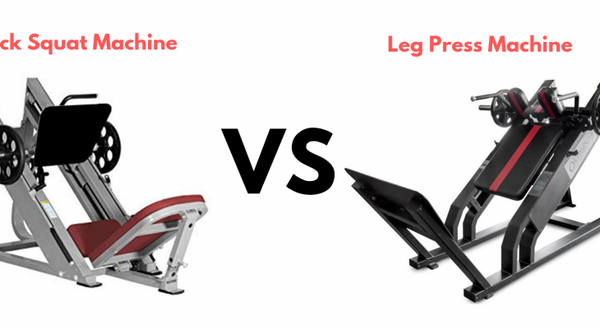
The leg press machine is a popular option for leg workouts. It offers a controlled way to build strength and muscle. Understanding how it works and its effects helps you decide if it fits your fitness routine.
This section explains the basics of the leg press machine. It covers how it works, which muscles it targets, and its benefits and limits.
How It Works
The leg press machine lets you push weight away using your legs. You sit on a seat with your feet on a platform. Pressing the platform straightens your legs and moves the weight. You then bend your knees to return to the start. It guides your movement along a fixed path, making it easier to control than free weights.
Muscles Targeted
The leg press mainly targets the quadriceps at the front of your thighs. It also works the glutes, hamstrings, and calves. The machine focuses on lower body muscles without stressing your back or core much. This makes it useful for building leg strength safely.
Benefits And Limitations
The leg press machine offers a safe way to lift heavy weights. It supports your back and limits balance issues. This is good for beginners or those with injuries. You can isolate leg muscles better than with some other exercises.
On the downside, the fixed path reduces natural movement. It does not engage stabilizing muscles as much as squats do. The machine also limits core and balance training. It is less functional for daily activities compared to free-weight exercises.
Squats Essentials
Squats are a key exercise for building leg strength and overall fitness. They work multiple muscles at once and help improve balance and posture. Understanding the basics of squats can help you decide if they suit your workout better than the leg press machine.
Squats come in different forms. Each type targets muscles differently and offers unique benefits. Knowing these types helps you choose the right squat for your goals.
Types Of Squats
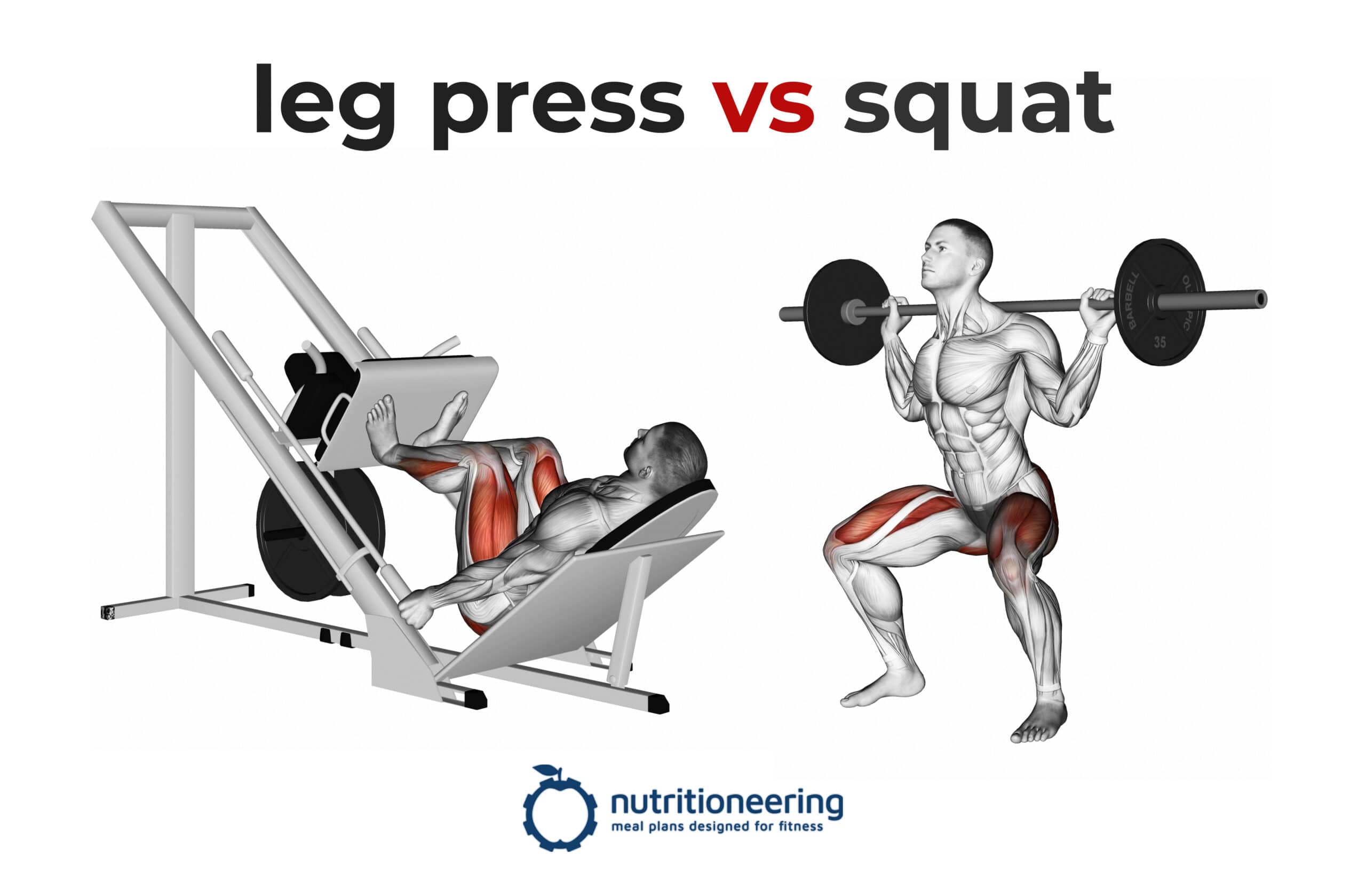
Bodyweight squats require no equipment and are good for beginners. Goblet squats use a weight held in front of the chest. Back squats place a barbell across the shoulders, adding more resistance. Front squats hold the barbell in front, stressing the quads more. Split squats target each leg separately and improve balance.
Muscles Engaged
Squats mainly work the quads, hamstrings, and glutes. The core muscles also activate to keep your body stable. Calves and lower back get some work too. This makes squats a compound exercise, which is efficient and effective.
Advantages And Challenges
Squats build strength and improve flexibility in the hips and knees. They help with everyday movements like sitting and lifting. Squats also burn calories and boost athletic performance.
They require good form to avoid injury. Poor technique can strain knees or back. Some people find squats hard due to limited mobility or balance issues. Starting with light weights or bodyweight helps build confidence and skill.
Comparing Muscle Activation
Comparing muscle activation between the leg press machine and squats helps to understand their effectiveness. Both exercises target the lower body muscles. Yet, they do so in different ways. Knowing these differences can help choose the best workout for your goals.
Quadriceps Engagement
The leg press machine mainly works the quadriceps. It isolates this muscle group well. The controlled movement puts strong focus on the front thigh muscles. Squats also activate the quadriceps, but less directly. The effort spreads to other muscles during squats. This makes the leg press better for isolating the quads.
Glutes And Hamstrings
Squats strongly engage the glutes and hamstrings. These muscles help with hip extension and balance. The leg press activates them too, but not as much. The fixed position reduces their role. Squats provide a more complete workout for the back of the legs and hips.
Core And Stability
Squats require core strength for stability. The body works hard to stay balanced. This activates abdominal and lower back muscles. The leg press machine supports the body. It reduces the need for core engagement. Squats build more core strength and improve overall stability.
Safety And Injury Risk
Safety is a key factor when choosing between the leg press machine and squats. Both exercises work the legs but carry different injury risks. Understanding these risks helps you exercise smart and avoid pain or damage.
Common Injuries With Leg Press
The leg press can cause knee pain if you push too hard or lock your knees. Lower back strain happens if you use heavy weights without proper support. Some users may feel hip discomfort from poor foot placement. These injuries often occur from overloading the machine or bad form.
Squat-related Injuries
Squats can hurt the knees if done with poor alignment or too much weight. Lower back injuries are common if the spine bends incorrectly. Shoulder or wrist pain can appear from holding the bar wrong. Most injuries come from rushing the movement or ignoring body signals.
Form And Technique Importance
Good form lowers injury risk for both exercises. Keep your knees aligned with your toes. Avoid locking joints during leg press or squat. Use a controlled speed and proper weight. Learning correct techniques protects joints and muscles. Taking time to practice form pays off in safety.
Impact On Athletic Performance
The impact of leg press machines and squats on athletic performance varies. Both exercises target the lower body but affect athletes differently. Understanding their effects helps in choosing the right exercise for specific goals.
Strength Gains
Squats build strength in many muscles at once. They work the quads, glutes, hamstrings, and core. This makes squats great for overall power. Leg press machines focus mainly on the quads. They allow lifting heavier weights safely. This helps in targeted strength development but less overall muscle activation.
Functional Movement
Squats mimic natural movements like standing and jumping. They improve how the body moves in real life and sports. This transfers well to athletic tasks. Leg press machines limit movement to a fixed path. This reduces training for real-world motions. Athletes may not get the same benefit in sport-specific actions.
Balance And Coordination
Squats require balance and body control. They engage stabilizer muscles and improve coordination. This helps athletes stay steady during dynamic activities. Leg press machines support the body, reducing the need for balance. This lowers the benefit for coordination training. Squats better prepare athletes for unpredictable sports movements.
Suitability For Different Goals
Choosing between the leg press machine and squats depends on your fitness goals. Each exercise suits different needs and outcomes. Understanding these differences helps you pick the right workout for your body and objectives.
Building Muscle Mass
Squats activate many muscles at once, including legs, hips, and core. This makes them great for overall muscle growth. The leg press targets leg muscles more directly. It allows you to lift heavier weights safely. For pure leg muscle size, the leg press can be very effective.
Weight Loss And Conditioning
Squats burn more calories because they use multiple muscle groups. They also improve balance and coordination. The leg press burns fewer calories but is easier to perform for longer periods. For conditioning, squats offer more total body benefits. The leg press suits beginners or those with limited endurance.
Rehabilitation And Therapy
The leg press machine provides controlled movement and less strain on joints. This makes it ideal for injury recovery. Squats require good balance and joint stability. They may not be safe during early rehab stages. The leg press helps rebuild strength while minimizing risk.
Equipment And Accessibility
Equipment and accessibility play a big role in choosing between the leg press machine and squats. Both exercises target the legs, but the tools you need and how easy it is to use them differ. This affects how often you can train and how comfortable you feel during workouts.
Availability Of Machines
Leg press machines are common in many gyms. Most fitness centers have at least one. But some smaller gyms might not offer them. Squats need no machines. You only need space and weights, like dumbbells or a barbell. This makes squats easy to do almost anywhere.
Space And Cost Considerations
Leg press machines take up a lot of room. They are large and heavy. Buying one for home can be very expensive. Squats require less space. A small workout area is enough. Basic weights are cheaper than machines. This makes squats more budget-friendly for many people.
Home Workout Options
Many people cannot access a gym daily. Squats are perfect for home workouts. You can do bodyweight squats without any tools. Adding dumbbells or resistance bands can increase difficulty. Leg press machines are rare in home gyms. They need a lot of space and cost more. This limits their use for home exercise.

Combining Both For Best Results
Combining the leg press machine with squats can bring the best of both worlds. Each exercise targets muscles differently and offers unique benefits. Together, they help build strength, improve muscle balance, and reduce injury risk. Including both in your routine makes your workouts more complete and effective.
Workout Programming Tips
Plan your workouts to include leg presses and squats on different days. This allows your muscles to recover and grow stronger. Start with squats for overall strength and balance. Use leg press machines to focus on heavy lifting safely. Adjust sets and reps based on your fitness level.
Balancing Strength And Flexibility
Squats improve flexibility and core strength. The leg press machine mainly builds muscle power. Combining both helps balance strength with mobility. Stretch after each workout to maintain flexibility. This balance supports better movement and reduces tightness.
Progress Tracking
Keep a workout journal to track weights and reps for both exercises. Note improvements and any discomfort. Tracking progress helps you adjust your plan and stay motivated. Celebrate small gains to keep going strong.
Frequently Asked Questions
Is The Leg Press Machine Safer Than Squats?
The leg press machine offers more stability, reducing injury risk. Squats require proper form to avoid strain. Beginners often find leg press safer due to guided movement and less balance demand.
Which Builds More Muscle: Squats Or Leg Press?
Squats engage more muscle groups including core and back. Leg press mainly targets quadriceps and glutes. Squats generally build more overall muscle mass due to compound movement.
Can Leg Press Replace Squats In Workouts?
Leg press can complement but not fully replace squats. Squats improve functional strength and balance. Leg press isolates leg muscles but lacks full-body engagement.
What Are Common Mistakes Using Leg Press Machines?
Common errors include locking knees, too much weight, and poor foot placement. These mistakes increase injury risk and reduce effectiveness. Proper form and controlled movement are essential.
Conclusion
Both leg press machines and squats build strong legs effectively. Squats work many muscles and improve balance more. Leg press machines target muscles with less strain on joints. Choose based on your fitness level and goals. Variety in workouts helps avoid boredom and plateaus.
Listen to your body and stay consistent. Strength grows with effort and proper form. Both exercises have benefits worth trying. Mix them for a balanced leg workout. Keep moving and enjoy your fitness journey.
