Knowing how to warm up before cardio is the most effective way to prepare your body for movement and lower your risk of injury. A proper routine signals your systems to transition from rest to activity, ensuring your muscles are primed for whatever intensity lies ahead.
As of 2026, exercise physiology standards emphasize dynamic motion over static holding to optimize blood flow. Taking five to ten minutes to complete a sequence of active movements sets the foundation for a productive session on top-rated brewers.

Today's Exclusive Deals
Limited-time Exclusive Deals. Check current discount on Amazon.
Check Price on Amazon As an Amazon Associate I earn from qualifying purchases.Quick Answer
A cardio warm-up requires five to ten minutes of light movement. Start with low-intensity aerobic activity to raise your core body temperature. Follow this with dynamic mobility drills for your major joints.
Finish with a gradual ramp-up to your target intensity level. Avoid holding static stretches before your main session begins.
Why Your Body Needs a Warm-Up Instead of a Stretch
Many people mistake flexibility training for a warm-up, but the two serve very different purposes. Static stretching involves holding a pose to increase muscle length, which can actually decrease your explosive power when performed on cold muscles.
Your body requires a metabolic transition. You need to shift from a sedentary state to one where your heart rate, respiratory rate, and internal temperature are elevated. This adjustment process prepares your cardiovascular system to handle the increased demand for oxygenated blood.
Instead of stretching, you should focus on priming your tissues. Research from the American College of Sports Medicine suggests that moving through active ranges of motion enhances motor unit recruitment. You are essentially teaching your brain and muscles to coordinate more effectively before you begin your routine upkeep or high-intensity intervals.
The Science of Neural Priming and Joint Lubrication
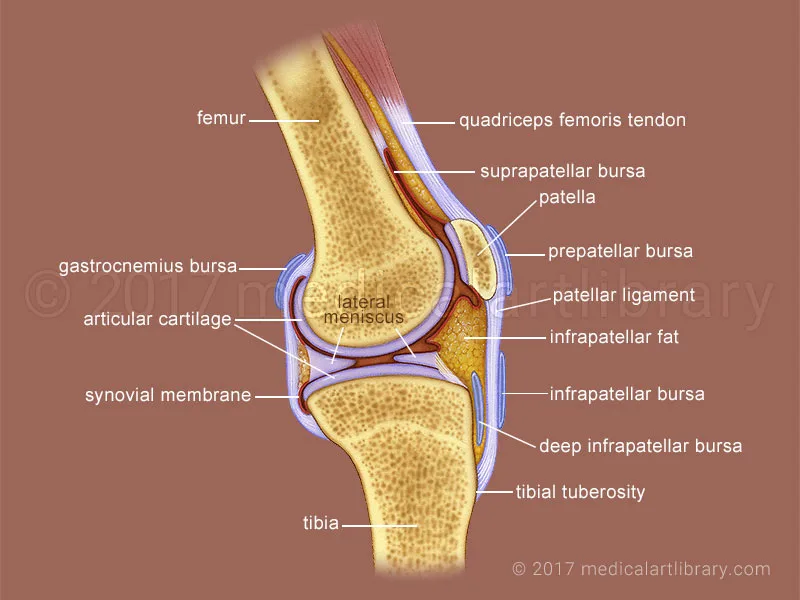
Movement serves as a biological signal that initiates complex internal changes. When you move your joints, your body begins to produce synovial fluid, which acts like natural oil for your hinge and ball-and-socket joints.
This fluid reduces friction between cartilage surfaces, allowing for smoother motion during high-impact activities. Without this lubrication, you place undue stress on your joints every time you take a stride. A consistent warm-up ensures your knees, hips, and ankles are ready for the repetition ahead.
Neural priming is equally vital. Your nervous system uses this time to calibrate your balance and reaction speed. It is the reason why your movements feel awkward in the first sixty seconds of a workout and fluid by the fifth minute.
Think of it as booting up a computer, where the system checks all its hardware before running demanding software. If you've been searching for a reliable machine to keep at home, remember that even the best equipment functions best when the user is properly prepared.
Anatomy of a Proper Pre-Cardio Routine: The 3-Step Protocol
A complete warm-up follows a logical flow that builds from systemic activation to movement-specific preparation. You can structure your time using the following progression to ensure every muscle group is involved.
1. Increase Core Temperature
Start with three minutes of rhythmic, low-intensity aerobic work. This could be a light walk or a slow jog. The goal is to induce a light sweat without tiring your muscles.
2. Mobilize the Joints
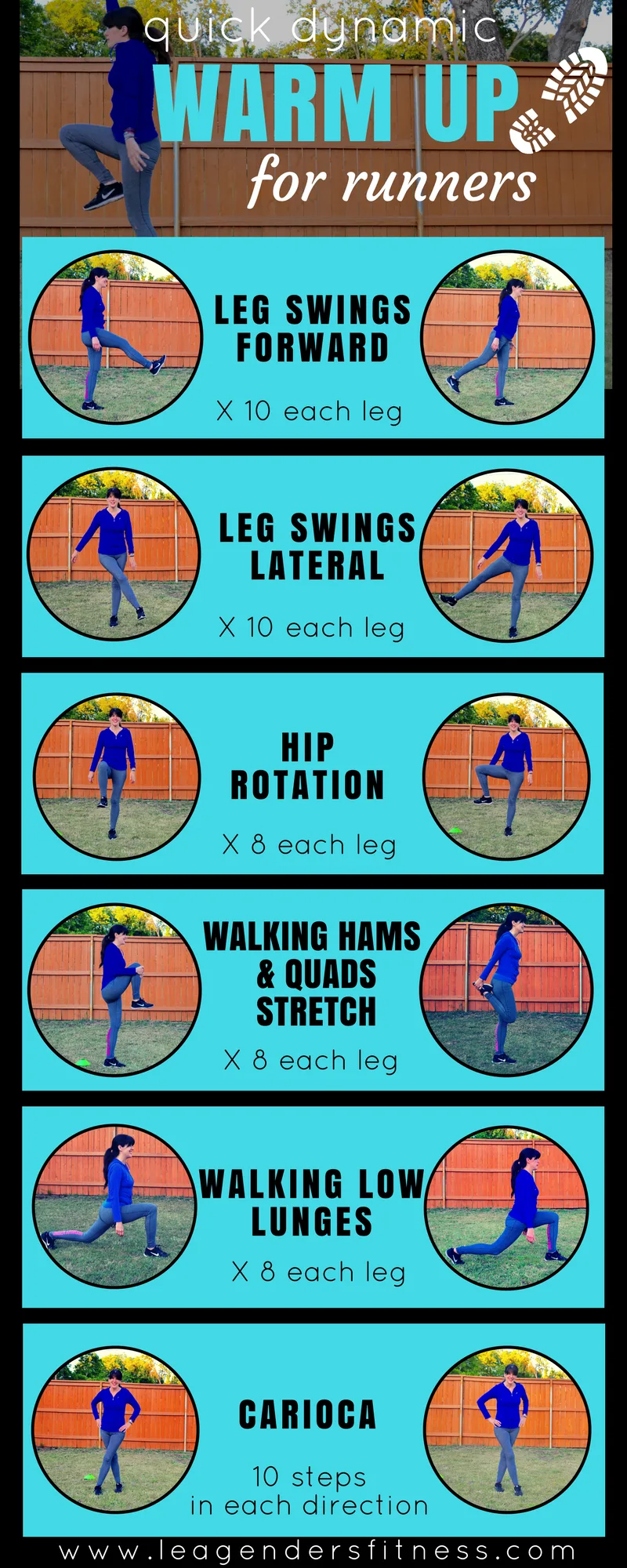
Transition into dynamic mobility exercises that target the hips, knees, and ankles. Leg swings, torso rotations, and arm circles help increase your available range of motion. You can learn more about engine servicing to keep your gear in shape while you focus on your own mobility.
3. Ramp Up Intensity
Dedicate the final two minutes to specific movement patterns. If you plan to run, perform a few light butt-kicks or high knees. If you are using top-rated brewers, start at a slow walk and increase the speed every thirty seconds until you reach your baseline.
| Phase | Duration | Focus Area |
|---|---|---|
| Aerobic Start | 3 Minutes | Core temperature |
| Mobility Drills | 4 Minutes | Joint range of motion |
| Intensity Ramp | 3 Minutes | Sport-specific priming |
Critical Mistakes That Increase Your Risk of Injury
The most common mistake is jumping immediately into high-intensity training. Your heart needs time to increase its stroke volume, and your blood vessels need to dilate. Sudden exertion forces the heart to work harder to overcome the resistance of constricted vessels.
Another frequent error is relying on passive or static stretches. While these are beneficial after a session, they can desensitize your muscles before a workout. They essentially tell your muscle fibers to relax when you are trying to convince them to contract with power.
Finally, avoid rushing the transition. If you are using a quiet device to log your miles, don't let the convenience distract you from the need for prep. Treat the first five minutes as an essential part of the session, not an optional prelude.
Rushing through this stage is often how minor tweaks to the calf or hamstring occur.
Tailoring Your Warm-Up: High-Impact vs. Steady-State Cardio
Your warm-up needs to match the specific demands of the cardio you have planned for the day. High-intensity interval training, or HIIT, requires a more aggressive ramp-up than steady-state walking or light cycling. When you intend to push your heart rate into the upper zones, your nervous system must be fully awake to handle the explosive output.
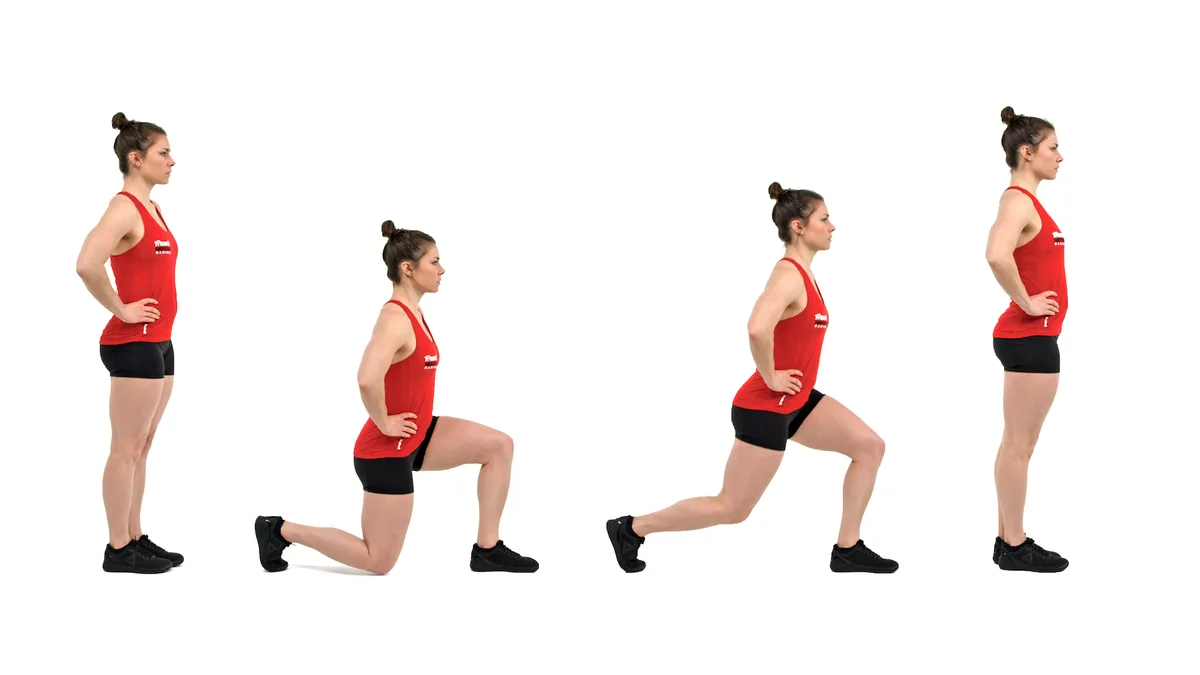
If you are preparing for a high-impact session like sprinting, include movements that mimic that motion. Focus on dynamic calf raises and lateral lunges to prime the stabilizer muscles in your ankles. Conversely, steady-state cardio requires less explosive prep but still benefits from full-body mobility.
If you are using a comfortable and safe option for a long walk, prioritize movements that open the hips and chest, as these areas often tighten during daily desk work.
Always monitor your perceived exertion during the final stages of your warm-up. You should feel slightly warmer and your breath should be picking up, but you should not feel fatigued before the main session even starts. If you find yourself breathless before the workout, scale back your intensity in the initial phase.
Adjusting your routine based on the day’s specific intensity is a sign of a seasoned trainee.
Safety Guidelines for Avoiding Cardiovascular Strain
Safety during a warm-up is about managing the transition in demand on your heart. Sudden, intense spikes in heart rate can cause cardiovascular distress, especially if the body isn't acclimated. The primary safety rule is to follow a progressive loading model: start slow and incrementally increase the load on your body.
Pay close attention to any signals of discomfort. If you feel sharp pain in a joint or tightness that doesn't loosen with movement, stop and reassess. Never attempt to work through a sharp pain, as this is your body’s way of signaling potential damage to connective tissue.
If you need help with maintaining your setup to ensure it matches your physical needs, check the manufacturer's guidance for safe incline and speed settings.
Temperature and environment also play a role in safety. If you are working out in a cold garage or basement, it will take longer to reach the necessary core temperature. Invest an extra two or three minutes in dynamic mobility until you feel that internal warmth.
When in doubt, lean toward a longer, gentler warm-up. Consistency in this habit is the best insurance policy against chronic overuse injuries and acute strains.
Real Scenarios: Adapting Your Routine for Different Environments
Your warm-up needs to be flexible enough to account for where you are actually training. If you are training at home on a small footprint device, you might have limited room for lateral movements like side-shuffles or wide-leg lunges. In this case, replace these with stationary alternatives such as high-knees or torso twists performed in place.
Climate also changes your preparation timeline. A session in a hot, humid environment requires less time to raise your core temperature than a session in a cold, unheated room. When the air is chilly, your body naturally tends to hold more tension.
Spend an extra two minutes on dynamic arm and leg swings to overcome that environmental stiffness before stepping onto the machine.
If you frequently move between different training locations, keep a mental list of "anywhere" exercises. These are movements that require zero equipment and minimal square footage. Examples include bodyweight squats, calf raises, and glute bridges.
These exercises are highly effective at activating the posterior chain and preparing your legs for a walk or run regardless of the external conditions.
Maintenance and Long-Term Optimization for Daily Training
Consistency is the secret to a high-performance routine, but you should still periodically refine your process. If you feel that your initial three minutes of light aerobic work is no longer raising your heart rate as effectively as it once did, your fitness level has likely improved. This is a positive indicator that you need to gradually increase your warm-up intensity to continue reaping the benefits.
Regularly check the tension in your primary muscle groups after you finish your cardio. If you notice persistent tightness in your calves or lower back, consider adding a specific mobility drill to your pre-workout routine that targets those exact areas. For example, if your back is stiff, incorporate gentle cat-cow stretches or pelvic tilts to improve spinal mobility.
Staying updated on durability and comfort factors ensures your equipment supports your routine effectively over the long term. Treat your body with the same care you give your machine. Proper maintenance of your cardiovascular health and joint integrity allows you to train harder and more frequently.
Over time, these small adjustments transform your warm-up from a chore into a reliable performance enhancer that you’ll look forward to before every session.
Frequently Asked Questions About Warming Up
How long does a standard cardio warm-up take?
A standard warm-up lasts between five and ten minutes. This duration is sufficient to raise your core temperature and prepare your joints for activity. If you feel particularly stiff, you can extend the mobility phase by a few minutes.
Consistency is more important than achieving a specific duration every single time.
Can I skip the warm-up if I am short on time?
You should never skip your warm-up if you plan to engage in high-intensity cardiovascular activity. Skipping this step significantly increases the likelihood of muscle strains and cardiovascular strain. If you are extremely pressed for time, shorten the session duration instead of cutting the warm-up.
A shorter workout with a proper warm-up is safer than a long one without it.
What should I do if I still feel cold after ten minutes?
If you still feel cold, evaluate your movement intensity and your environment. Ensure you are actually moving enough to elevate your heart rate rather than just going through the motions. If the ambient temperature is low, add an extra layer of clothing until you begin to sweat.
Continue the movement-based drills until you feel a noticeable change in your body temperature.
Is dynamic stretching better than static stretching?
Yes, dynamic stretching is superior for pre-workout preparation because it mimics the patterns of your activity. It keeps your nervous system engaged and improves muscle elasticity. Save your static, long-hold stretches for the cool-down period after your workout.
Using static stretches before cardio can temporarily reduce your explosive force and power output.